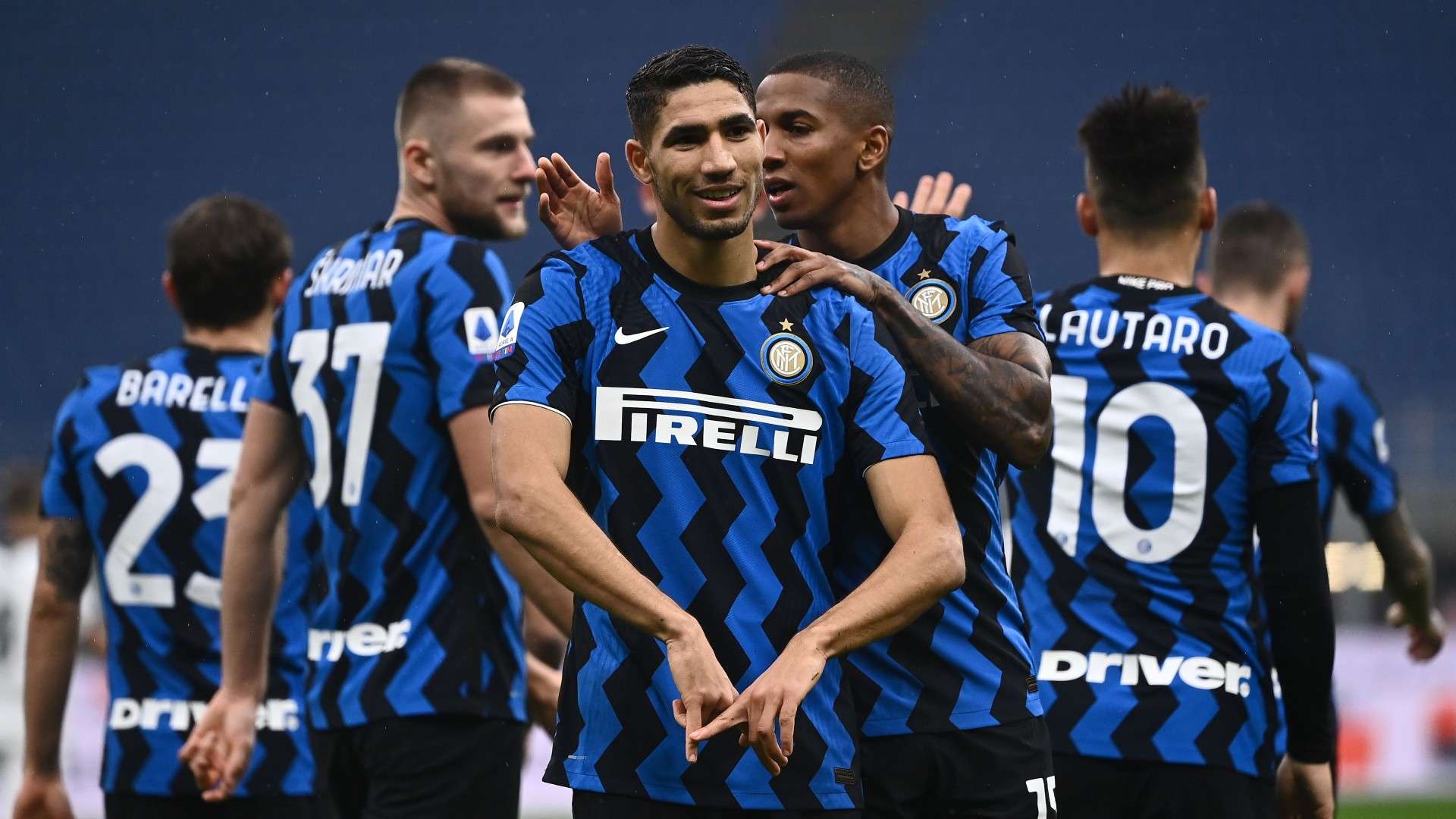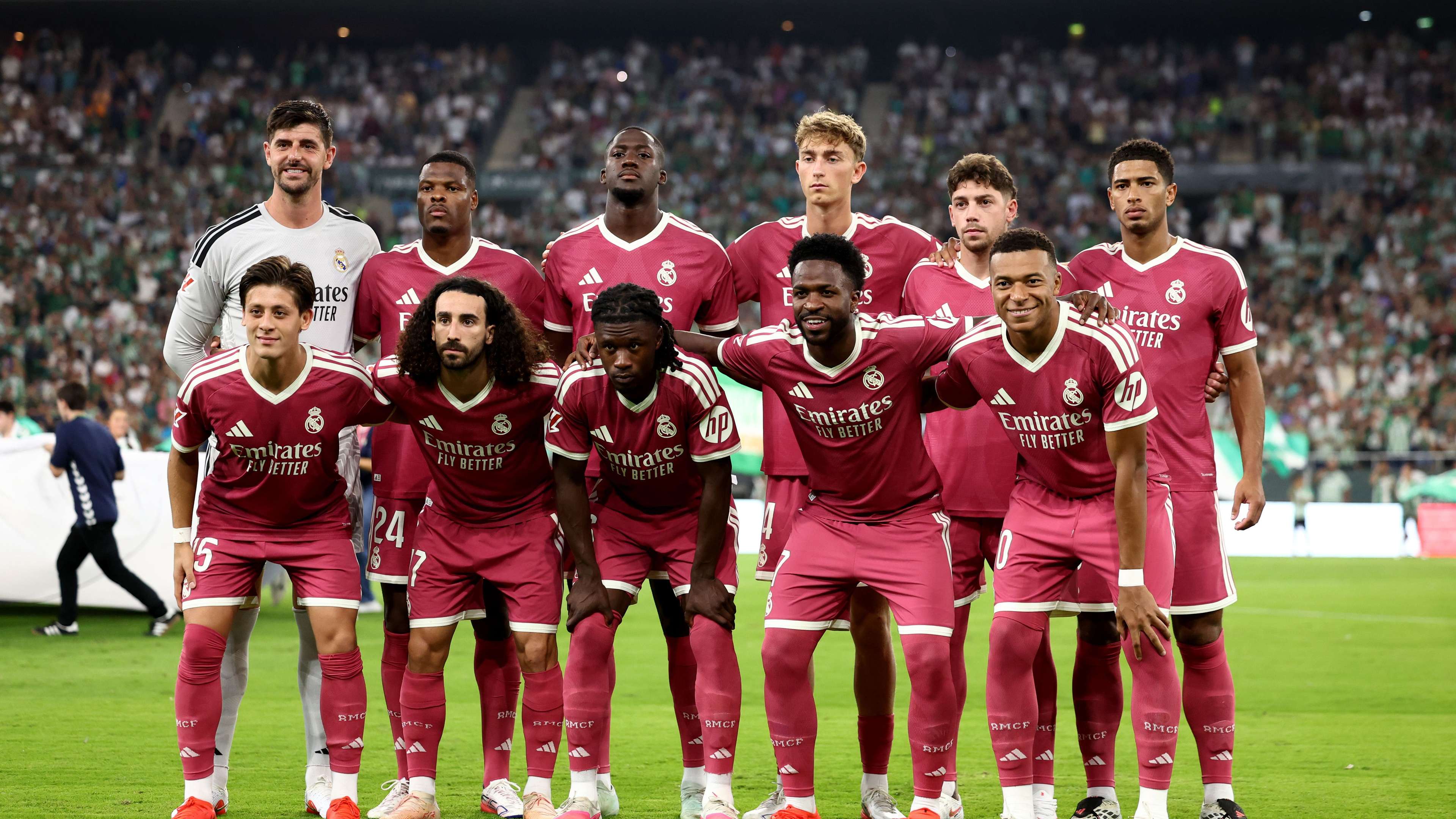
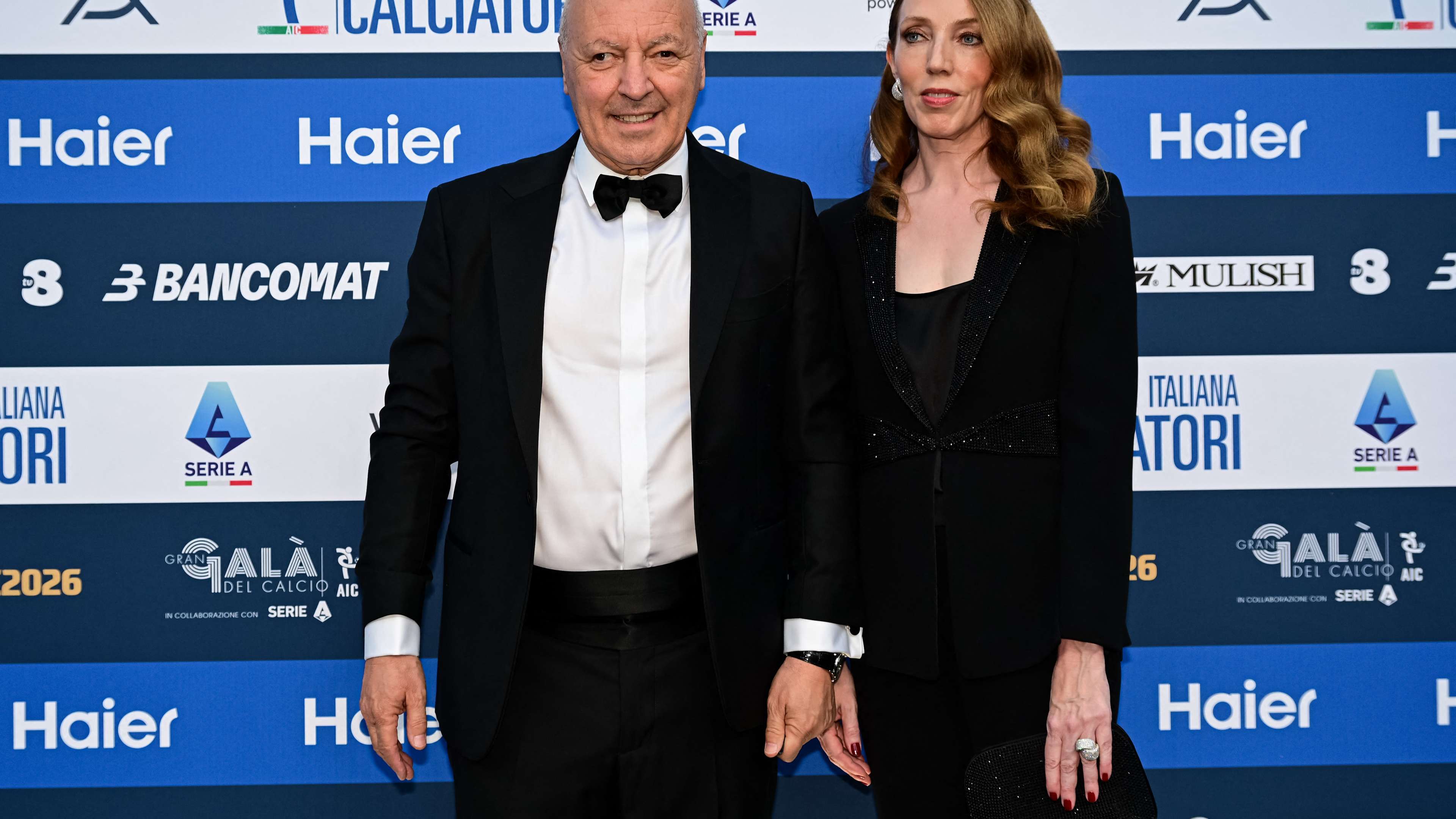
Real Madrid and Inter represent two contrasting financial models in European football. While both clubs meet at the Bernabéu as continental powerhouses, their economic scale tells a strikingly different story. According to Football Benchmark analysis, Los Blancos command an enterprise value of €7.7 billion—the highest in world football—whereas Inter's valuation reaches €2.1 billion, making them Italy's richest club ahead of AC Milan and Juventus.
The revenue gap has widened dramatically over two decades. In the 2002-03 season, Real Madrid generated €193 million compared to Inter's €162 million. By 2024-25, that disparity had exploded to €1.161 billion against €546 million respectively. The new Bernabéu stadium exemplifies this divide: it generated €360 million last season, four times Inter's Meazza income of €90 million. Beyond gate receipts, Real Madrid's global commercial power dominates. The club's shirt sponsorship alone generates approximately €240 million annually, nearly three times Inter's €72 million arrangement.
Social Media Presence and Brand Strength
Digital reach underscores the clubs' divergent market positions. Real Madrid approaches 500 million social media followers worldwide, while Inter command roughly 100 million. This disparity reflects broader commercial appeal: Real Madrid's marketing machine operates on a continental and global scale, whereas Inter's influence remains more concentrated within Europe and Italy. The Bernabéu's annual revenues dwarf the Meazza's output by a factor of four, illustrating infrastructure investment's role in generating premium commercial income.
Financial Sustainability and Profit Models
Despite their vastly different scales, both clubs pursue disciplined financial management. Real Madrid has achieved 26 consecutive profitable financial years under Florentino Pérez's presidency—a remarkable run of operational efficiency. Inter recently posted a €35 million profit in 2024-25 and are positioned for a second successive year of positive accounts, all without extraordinary Champions League or Club World Cup revenues. The contrast in strategy is instructive: Real Madrid has grown revenue far more aggressively than sporting costs, while Inter has focused on rationalising expenditure and refinancing debt at more favourable terms.
These two European titans illustrate how size and sustainability need not correlate perfectly. Real Madrid's dominance in revenue generation has been matched by fierce cost discipline, whereas Inter demonstrates that competitive success and financial health can coexist at a lower valuation through strategic spending control. Their meeting represents not merely a clash of football cultures, but an encounter between the world's most valuable club and Italian football's financial flagship.