In May 2024, ownership of Internazionale Milano transferred to Oaktree Capital Management, marking a dramatic shift in one of European football's most prestigious institutions. The American credit fund acquired control not through ambition or strategy, but through a defaulted loan—a stark reminder that even trophy-winning clubs can collapse under unsustainable spending.
Suning Holdings, the Chinese conglomerate that bought 68.55% of Inter from the Moratti family in 2016 for €270 million, had borrowed €275 million from Oaktree at 12% interest three years prior. By 2024, that debt had ballooned to €395 million. Unable to repay, Suning surrendered control, handing Oaktree—which manages over $192 billion in assets—a European football powerhouse by default.
The Road to Ruin: Winning Without Sustainability
When Suning arrived in 2016, Inter faced a familiar crossroads shared by fallen giants. The Moratti family, who controlled the club from 1995 to 2013, had delivered the legendary treble in 2009/10 under José Mourinho, but sustained their ambitions through repeated shareholder losses. By the time they sold to Indonesian businessman Erick Thohir in 2013, the model had become untenable.
Thohir attempted structural reform: he professionalized management, restructured roughly €180 million in debt, and pursued Asian commercial expansion. Yet sporting results remained inconsistent—fifth place, eighth, and fourth during his tenure. More critically, Inter's commercial revenue of €180 million in 2015/16 lagged far behind Juventus's €388 million, exposing a gap that new ownership would struggle to bridge.
Suning's Spending Spree and Mounting Losses
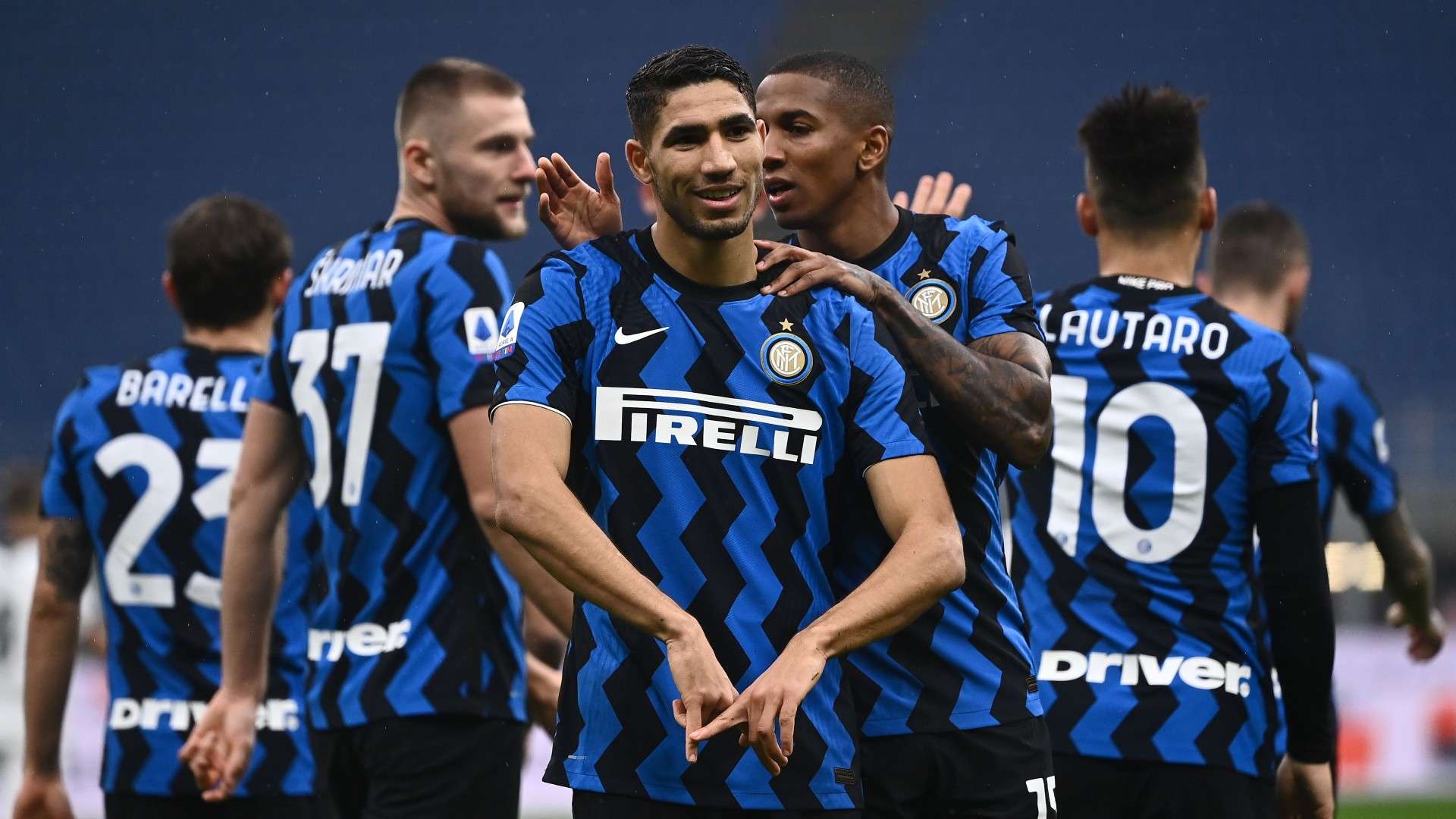
Suning's strategy mirrored Moratti's approach: inject capital, pursue trophies, and hope commercial growth would follow. Between 2016 and 2024, the Chinese owners funded multiple transfer windows, attracting players like Romelu Lukaku and Lautaro Martínez. By 2021, Inter won Serie A under Antonio Conte, their first Scudetto in 11 years, and reached the Champions League final in 2023.
Success on the pitch masked deeper problems off it. The COVID-19 pandemic crushed gate revenues and sponsorship commitments. Suning's retail operations in China faced severe headwinds, strangling parent company cash flow. Matchday income and commercial partnerships failed to expand as projected. Inter's operating losses mounted annually, sustained only by Suning's borrowing capacity—which eventually ran out.
This mirrors A.C. Milan's recent trajectory. When Elliott Management took over Milan in 2018, the club also faced unsustainable debt accumulated through years of heavy spending. Elliott's disciplined approach—asset sales, wage control, youth development—stabilized Milan financially while restoring competitiveness. Now Inter faces the same creditor-driven restructuring.
What Oaktree's Takeover Signals
Oaktree's intervention represents a fundamental shift in how modern football clubs operate. Unlike romantic owner-investors seeking glory, credit funds demand financial discipline. They will likely prioritize debt reduction over transfer spending, force commercial revenue growth, and evaluate every asset for resale value.
The takeover also highlights a broader vulnerability in European football: clubs that rely on continuous debt refinancing to sustain competitive spending face existential risk. When external conditions shift—pandemics, economic slowdowns, sponsorship collapses—the house of cards crumbles. Inter's case demonstrates that even Serie A titles and Champions League finals cannot guarantee survival when the financial foundation is rotten.
As Oaktree begins its restructuring, Inter's next chapter depends less on star signings than on whether the American fund can unlock commercial potential while reducing debt. The coming years will determine if this storied club can compete sustainably in modern football's winner-takes-all economics.