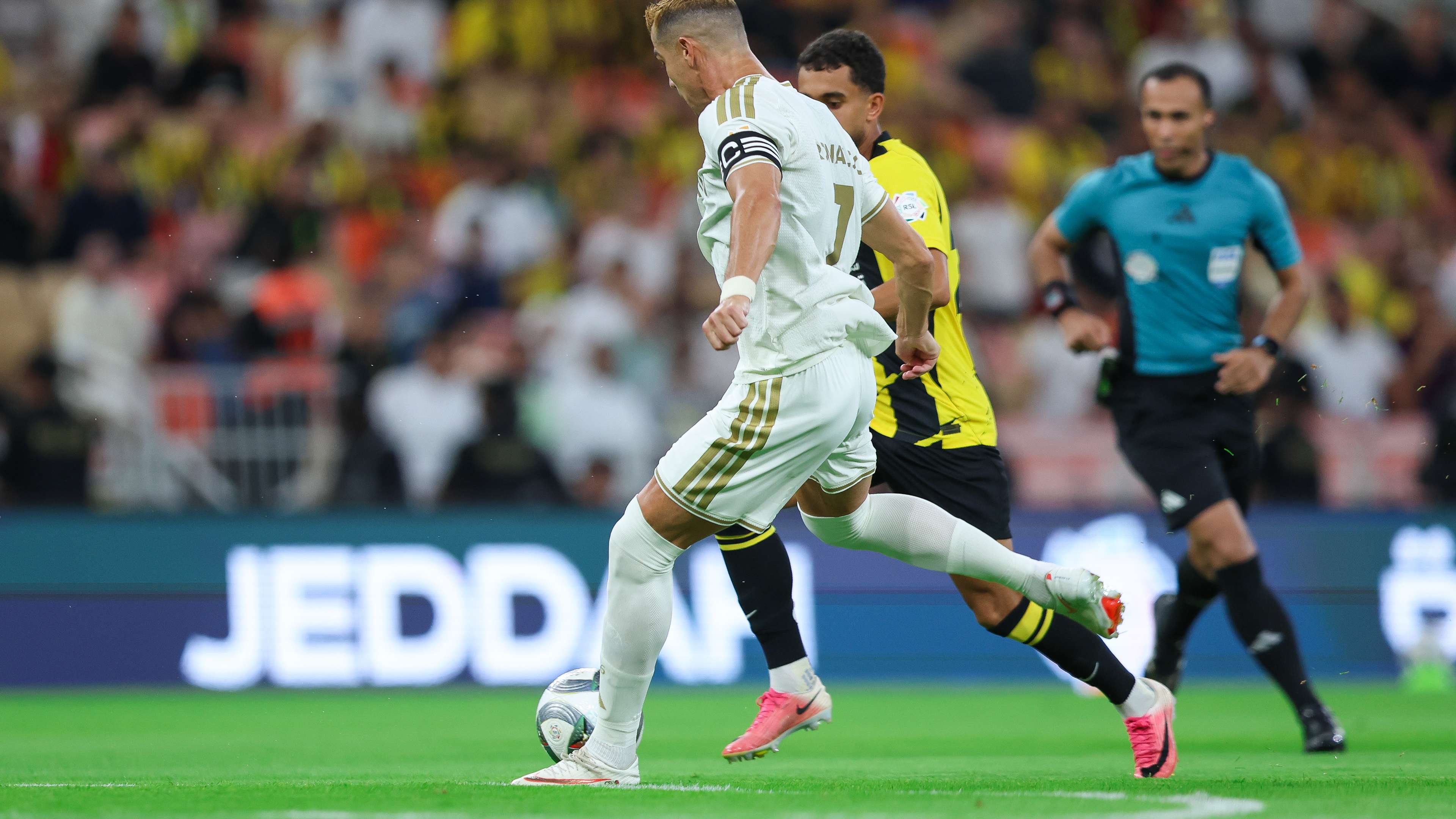
The Roshn League has entered a new era. After years of record-breaking spending that transformed Saudi football into a global destination for ageing superstars, clubs have fundamentally reshaped their transfer strategy. Transfer expenditure fell to approximately 407 million dollars in summer 2026, marking a 26.3% decline from the previous year and the lowest investment since the ambitious project began in earnest.
This shift does not signal retreat. Rather, it represents a calculated recalibration. Saudi clubs have moved away from the headline-grabbing model of the early years, when marketing value and player reputation dominated decision-making. The new approach asks a sharper question: does the team genuinely need this player? This philosophy has produced a more surgical approach to recruitment, with clubs prioritising squad balance and long-term sustainability over accumulating big names.
Youth Over Veterans
The departure of established figures including Karim Benzema, Riyad Mahrez, and Fabinho exemplifies the transition. Rather than replacing each departing legend with an equivalent star, clubs have begun reassessing actual sporting needs. Al-Hilal's acquisition of Brazilian winger Gabriel Martinelli from Arsenal for around 65 million euros illustrates the new direction. At 25 years old, Martinelli represents a player capable of delivering technical excellence for years to come—a contrast to the veteran acquisition strategy that dominated earlier transfer windows.
This generational shift serves multiple objectives. It reduces wage bills tied to short-term contracts while building squads designed for sustained competition. It also addresses a growing concern: the density of foreign signings had compressed opportunities for developing local Saudi talent. By redirecting resources toward younger international players and domestic prospects, clubs are attempting to balance global competitiveness with homegrown development.
Rationalisation Without Retreat
The Roshn League remains financially powerful. What has changed is selectivity. Clubs now treat contracts, salaries, and transfer investments as components of long-term sporting architecture rather than standalone marketing moments. This transition reflects the project's maturation—shifting from building the league's initial global image to establishing sustainable competition and developing the local product.
As Saudi football enters this phase of consolidation, the next transfer window will reveal whether this new model delivers the competitive results the league demands while building foundations that extend beyond the next marquee signing.