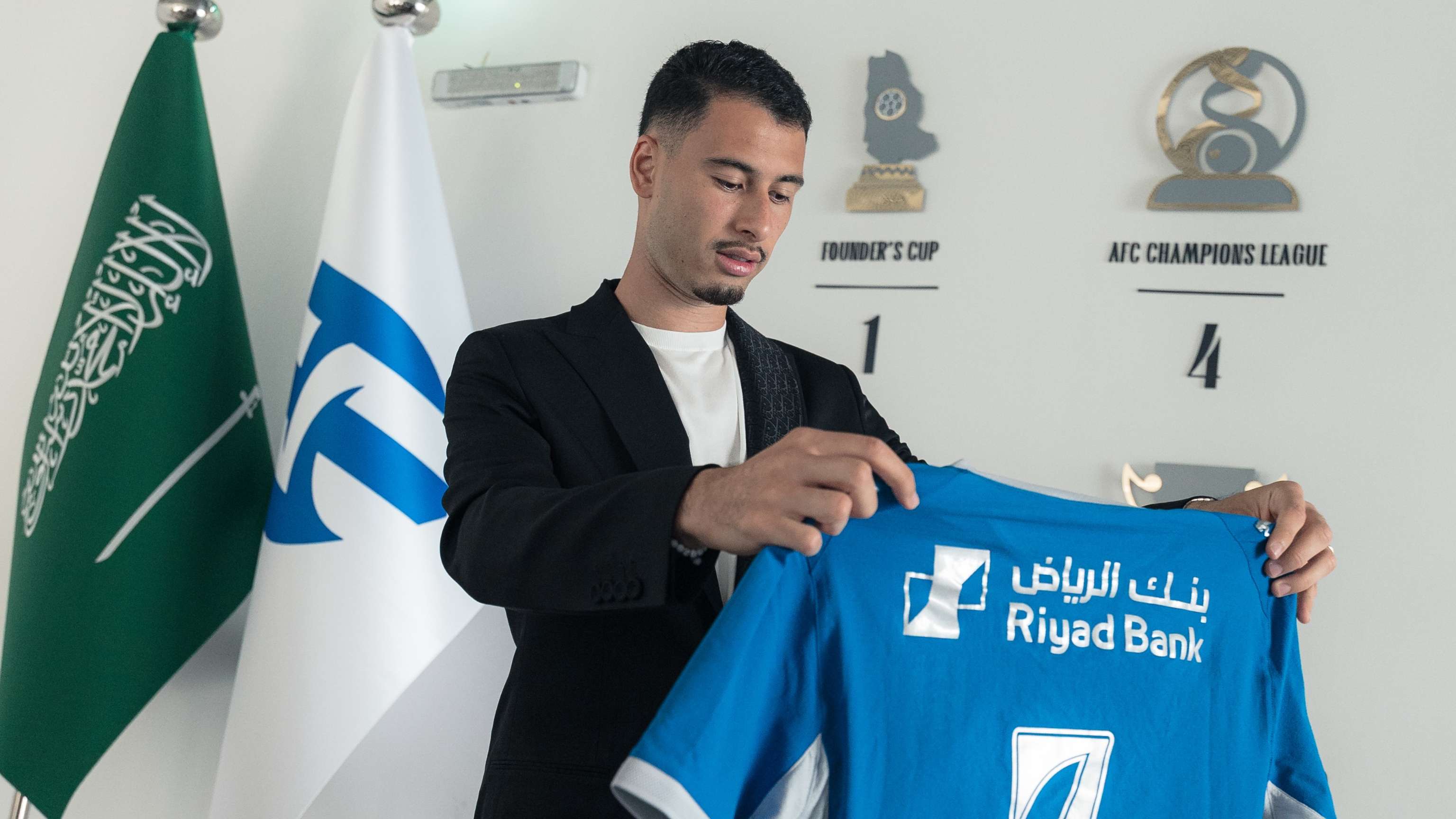

The Saudi Pro League transfer window has closed, leaving the top four clubs with vastly different squads heading into the competitive phase of the season. While some powerhouses invested aggressively to reshape their attacking options, others took measured approaches. The real test now begins: which club strengthened most effectively?
Al-Hilal's Attacking Overhaul Signals Tactical Shift
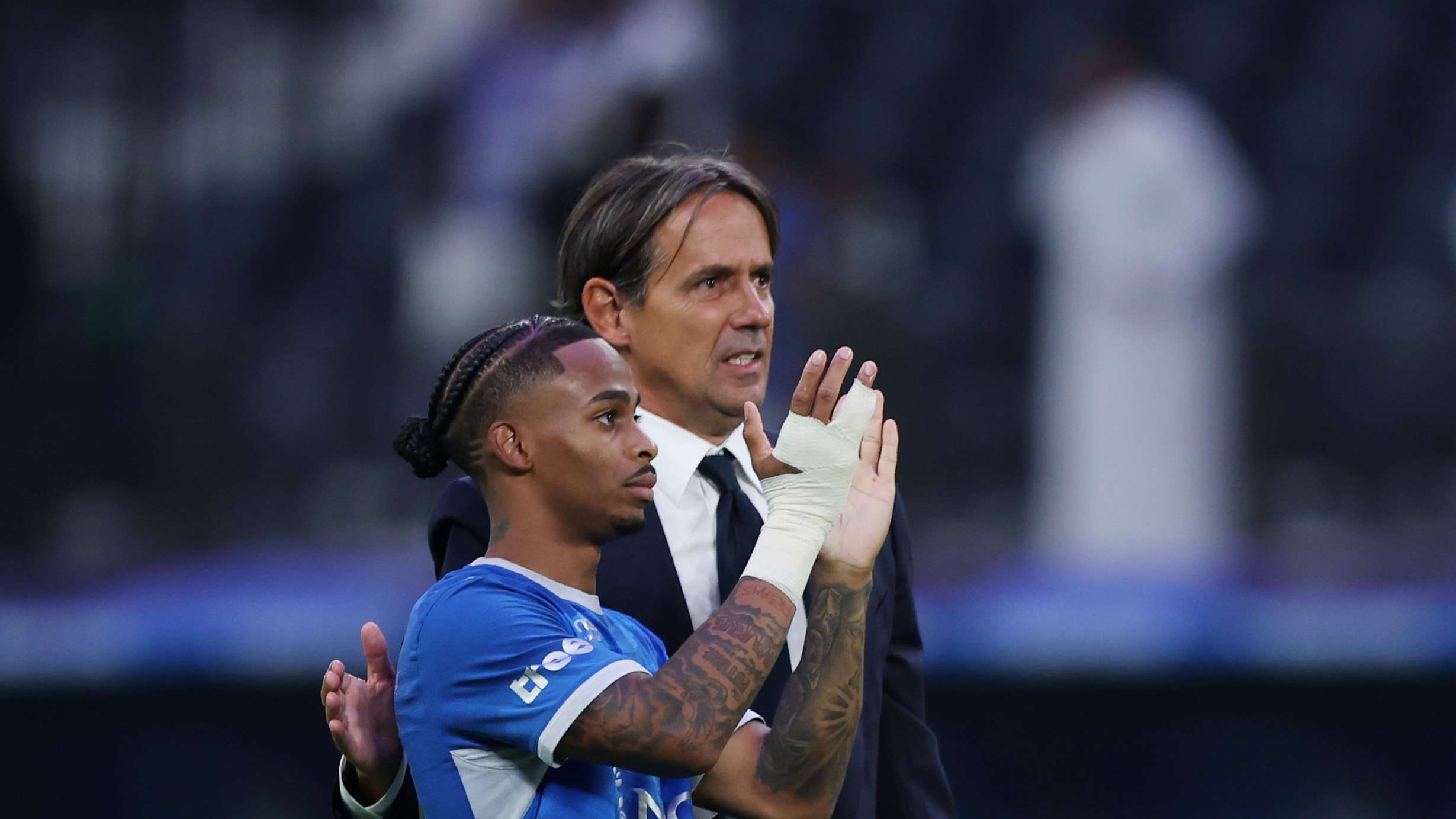
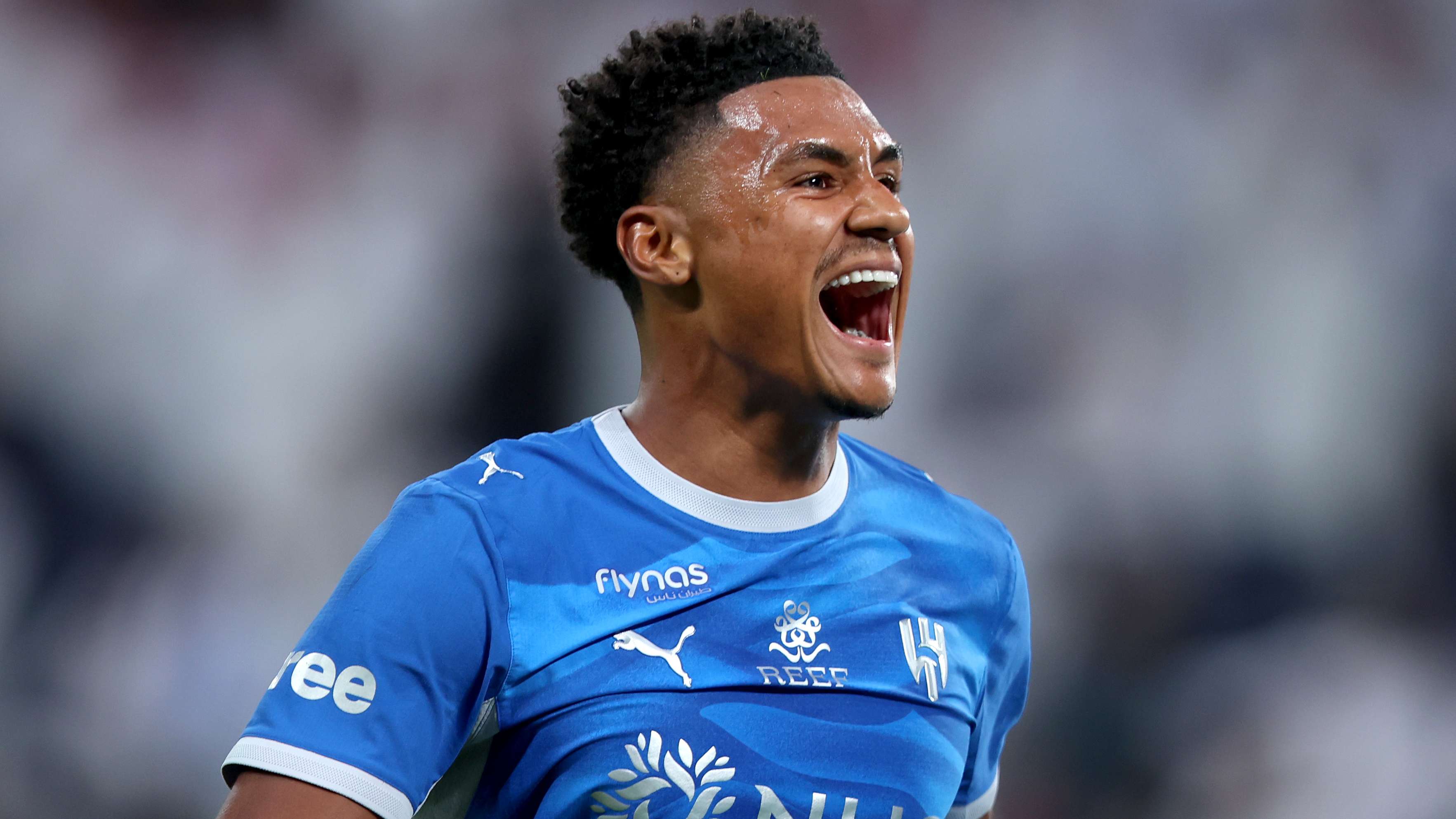
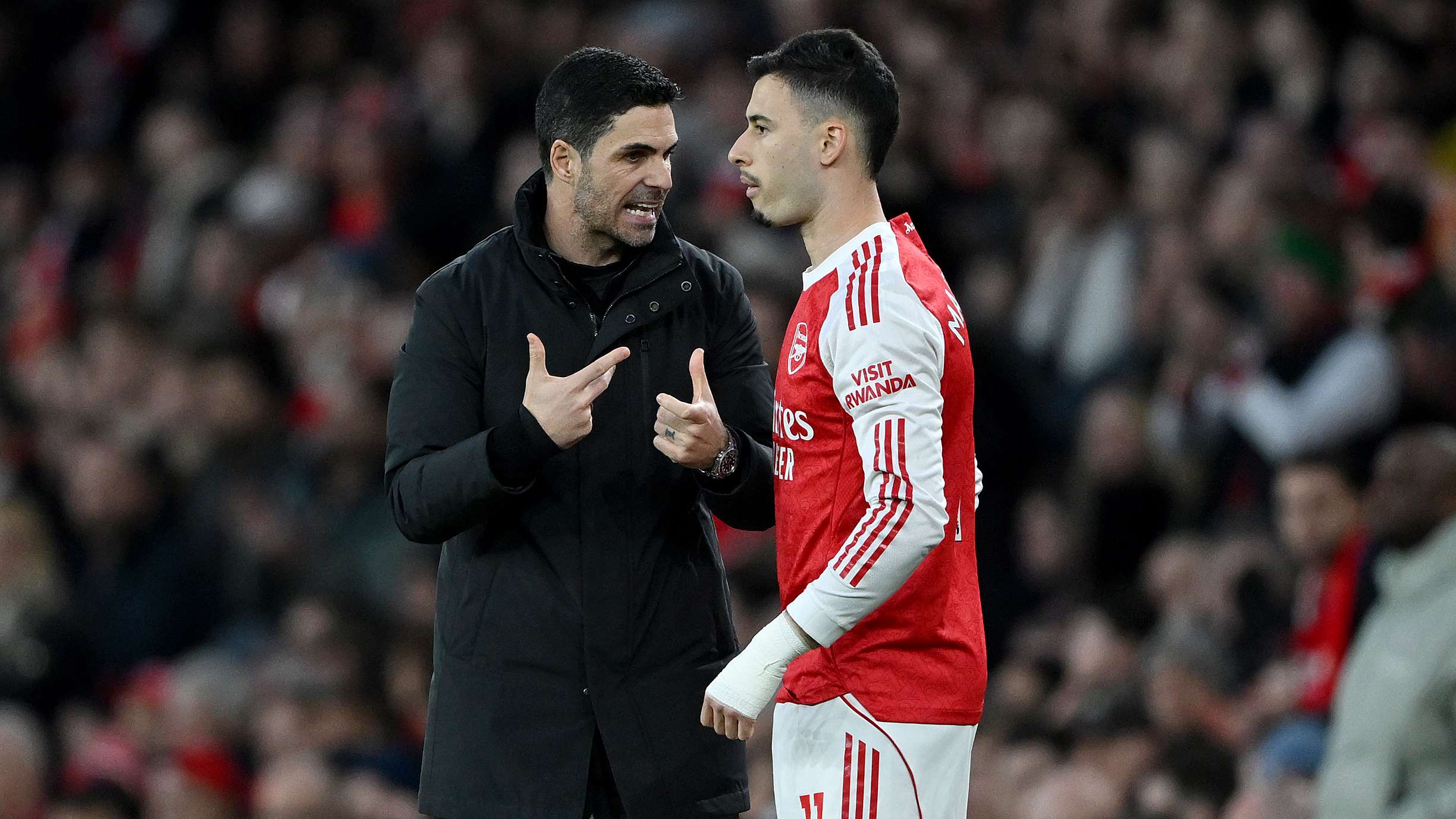
Al-Hilal undertook the most comprehensive squad transformation among Saudi Arabia's elite. The club secured Ollie Watkins, Gabriel Martinelli, and Crysencio Summerville alongside domestic recruits including Abdullah Al-Anazi, Sabri Dahl, and Mohammed Al-Owais. This wasn't merely about adding depth; it represented a deliberate redrawing of their attacking identity. The arrival of three pace-oriented, high-pressing forwards suggests a tactical evolution toward transition-based football and sustained intensity.
Unlike clubs that simply patch specific gaps, Al-Hilal essentially rebuilt their front line. The departures of key players compound this shift, meaning the club accepted significant squad turnover rather than incremental upgrades. Few Saudi teams have undergone more substantial technical restructuring in a single window.
Al-Ahli Balance Local Talent with European Reinforcements
Al-Ahli pursued an aggressive recruitment strategy, signing nine players including Francisco Trincao, Eduard Spertsyan, and Ibrahima Diaby. The club mixed established international experience with Saudi domestic players, creating competitive depth across multiple positions. Trincao and Spertsyan specifically target attacking improvements, addressing technical refinement alongside physical capability.
However, the departures of Riyad Mahrez and Franck Kessie present a challenge. These exits remove players who carried genuine tactical weight within the system. Al-Ahli's window success depends not solely on newcomers' individual quality, but on whether they collectively replace the influence and leadership lost from experienced departing players.
Al-Ittihad's Selective Approach Prioritizes Quality Over Volume
Al-Ittihad adopted a fundamentally different philosophy. Rather than wholesale squad reconstruction, the club made targeted additions: Marwan Al-Sahafi, Rakan Kaabi, Mukhtar Ali, and notably Georginio Wijnaldum. This represents reinforcement of specific positions while preserving core squad identity and internal chemistry.
Wijnaldum's arrival stands out as the marquee acquisition—a midfielder capable of operating across multiple roles with vast European experience. This selective recruitment suggests Al-Ittihad trusted existing personnel and identified precise weaknesses requiring solutions. The verdict on their window rests not on transaction volume but on how effectively these players integrate and solve real on-pitch problems.
Al-Nassr's Conservative Approach Raises Questions
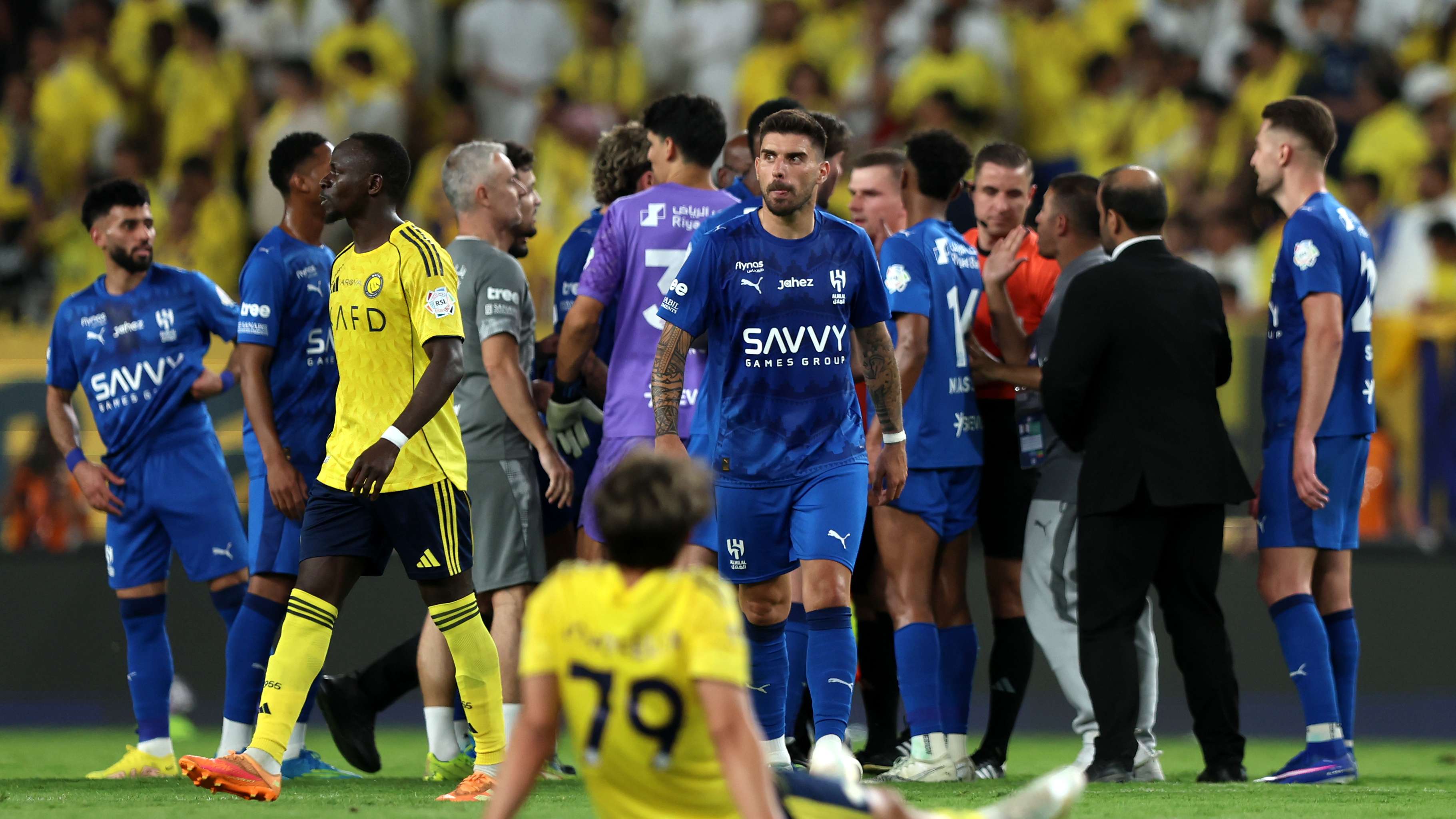
Al-Nassr embraced the most conservative recruitment path among the top four. Limited reinforcements and minimal squad overhaul signal either institutional confidence in existing personnel or financial constraints. As rivals invested substantially to strengthen attacking options and midfield dynamism, Al-Nassr's restrained approach risks falling behind competitors who reshaped their competitive profiles.
The Saudi Pro League's competitive landscape has fundamentally shifted during this transfer window. Al-Hilal and Al-Ahli entered the season with renewed attacking firepower and tactical flexibility, while Al-Ittihad leveraged precision over volume. Al-Nassr's measured approach now faces a genuine test against clubs that transformed their squads with clear strategic intent. The real battle begins now.