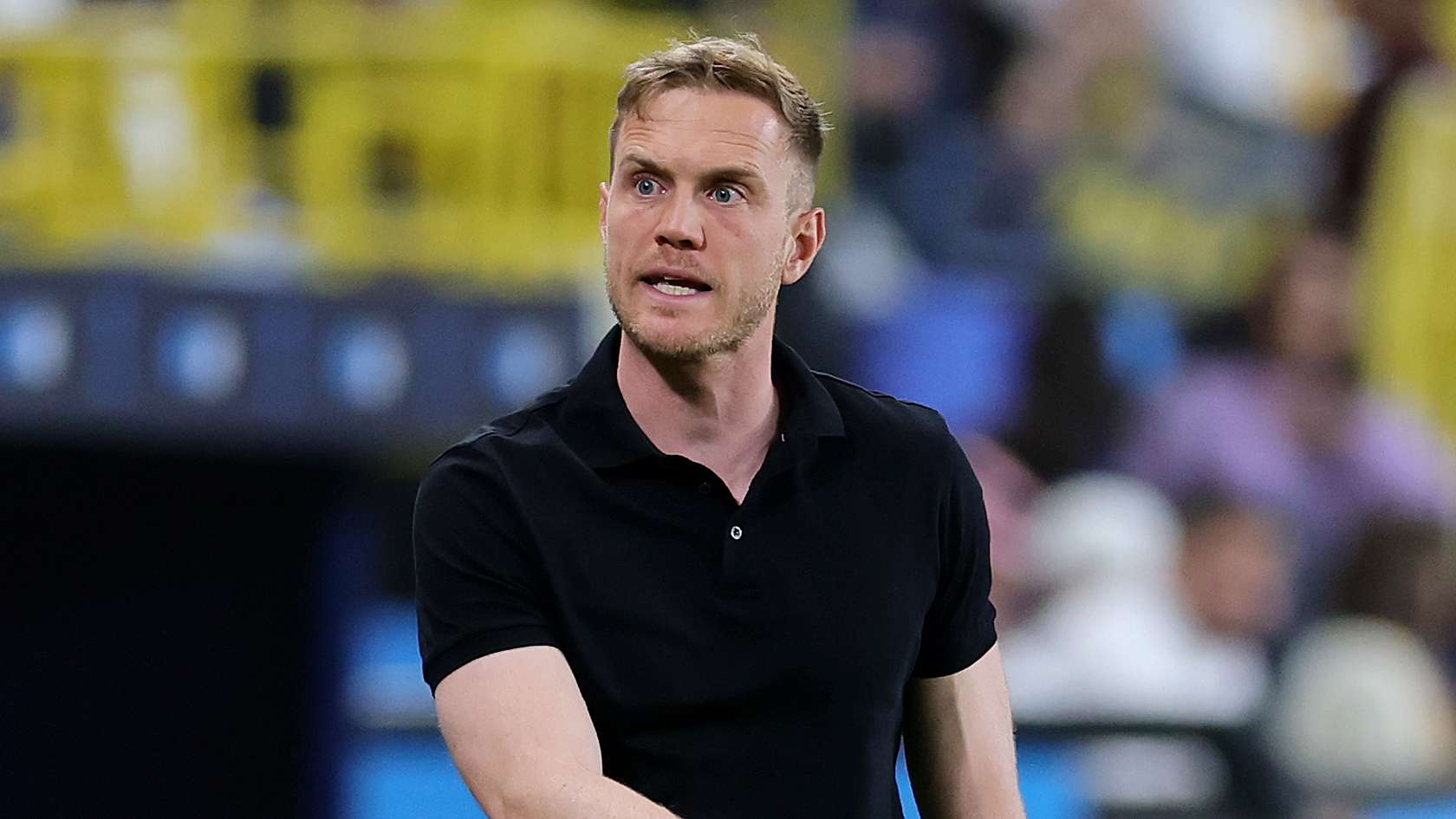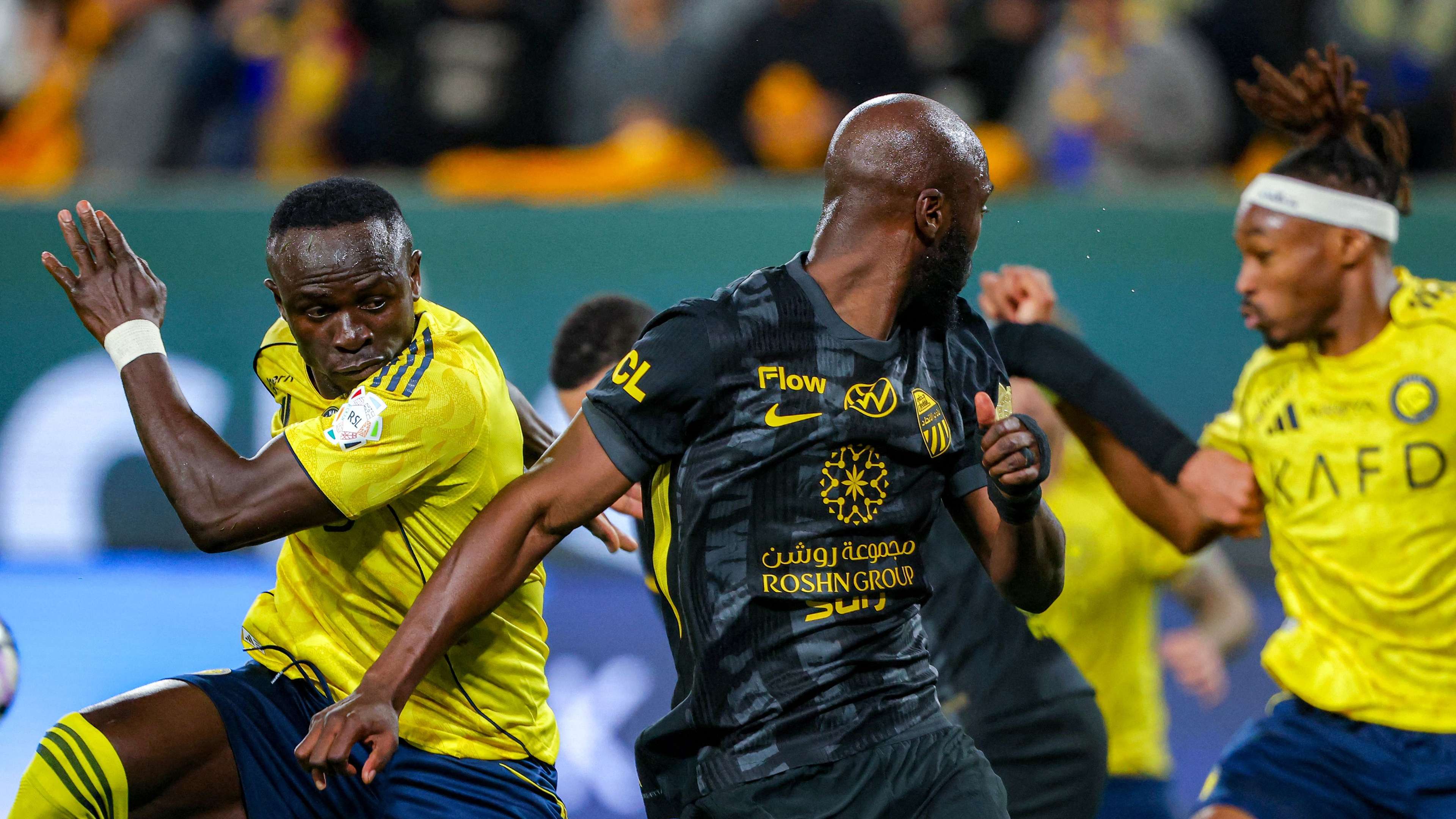
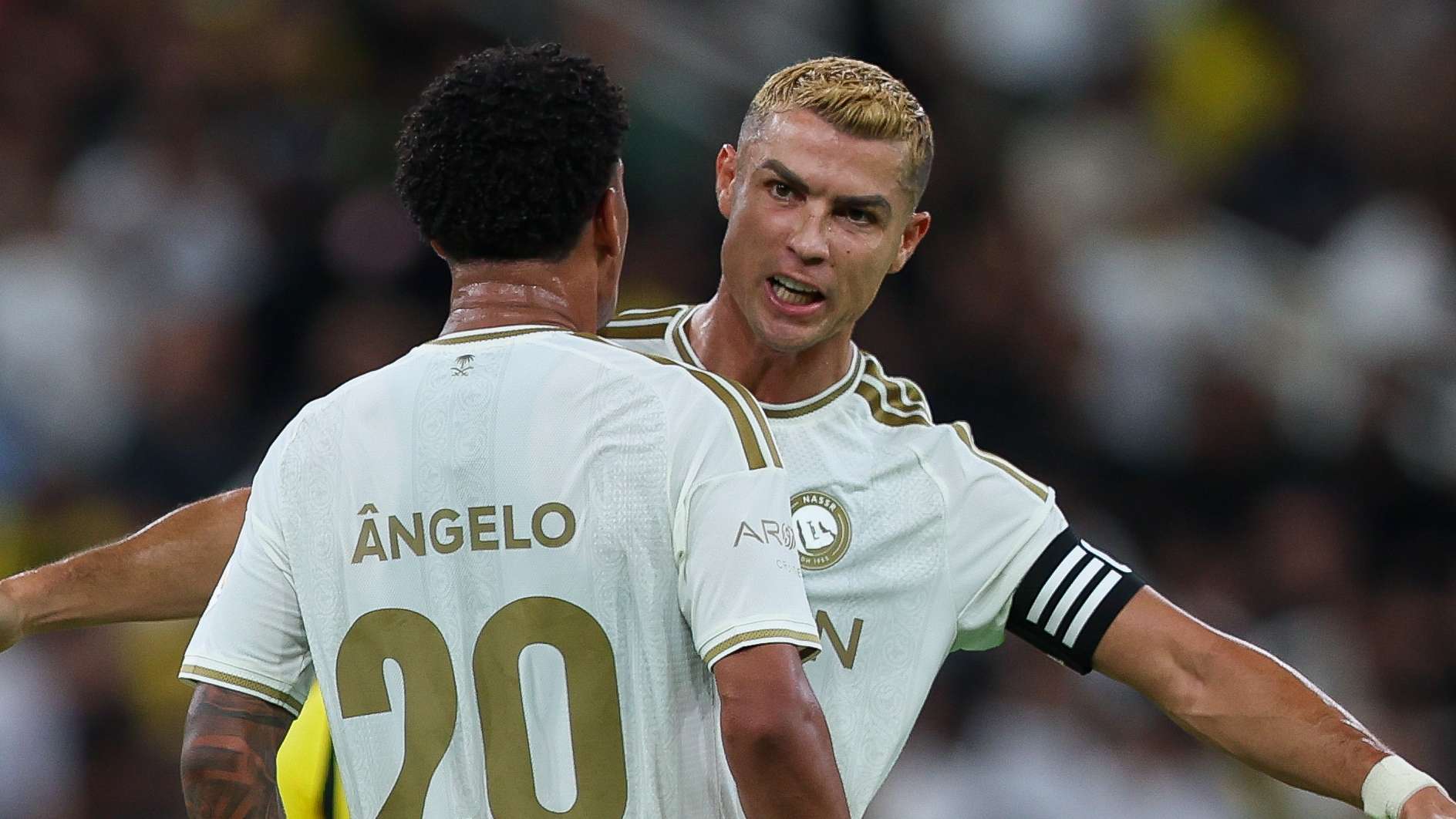
Cristiano Ronaldo faced intense scrutiny following Al-Nassr's 2-1 defeat to Al-Ittihad in the Roshn League's fifth round, sparking debate about whether the Portuguese legend has become a tactical burden for the Saudi club. The captain failed to influence the match decisively, prompting critics to question his effectiveness as the team ages and modern football's demands evolve.
The Goalscoring Case for Ronaldo
Few can dispute Ronaldo's predatory instincts in front of goal. His ability to convert half-chances and find the back of the net remains elite-level. The 39-year-old striker carries invaluable experience in high-pressure moments, capable of settling tight matches through individual brilliance. Inside the penalty area, he remains a lethal weapon when service arrives.
Yet the modern game demands far more than clinical finishing. Contemporary football requires every outfield player to engage in coordinated pressing, closing passing lanes, and winning possession high up the pitch. This is where the tactical conversation becomes complex.
The Pressing Problem
Al-Nassr's defensive vulnerability emerges when Ronaldo cannot maintain the intensity required in high-pressing systems. When the team loses possession, collective pressing depends on synchronized movement across all lines. If one element—particularly an aging striker—cannot match the pressing tempo, opposition players exploit the gap. Defenders must cover larger spaces, exerting additional effort to compensate for the shortfall in the front line.
- Elite pressing systems require synchronized movement across all positions
- Reduced pressing intensity creates defensive vulnerabilities
- Compensating for one player's defensive limitations strains the entire team structure
This does not render Ronaldo useless—it demands smarter deployment. Manager Ange Postecoglou faces a genuine tactical puzzle: maximizing Ronaldo's potency in the box while protecting the team's defensive organization. Building the system around Ronaldo's strengths—rather than demanding roles that no longer suit his age—could unlock his continued impact.
The label of "burden" oversimplifies a nuanced situation. Ronaldo remains an extremely dangerous finisher when positioned to exploit his natural talents. The real challenge lies in constructing a team structure that leverages his finishing prowess without compromising Al-Nassr's ability to press and defend collectively. Solve this balance, and the Portuguese star can reclaim his decisive influence.