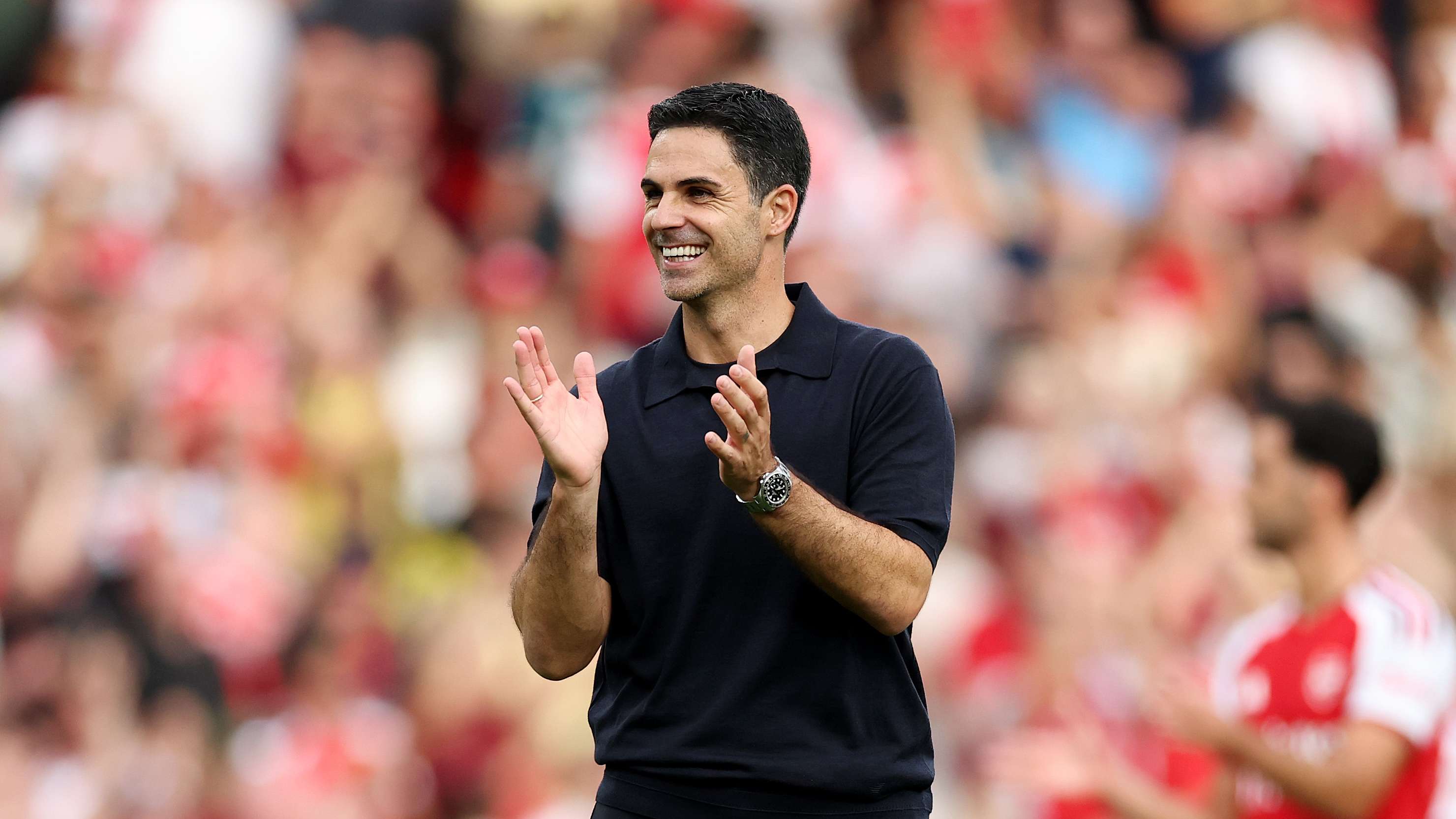
Arsenal overcame an early Chelsea goal to win 2-1 in a London derby that showcased manager Mikel Arteta's tactical flexibility and championship mentality. Morgan Rogers gave Chelsea the lead after just 77 seconds, but Arsenal's response demonstrated how elite teams perform when forced to rebuild mid-match. Rather than panic or abandon his game plan, Arteta made subtle positional adjustments that unlocked Chelsea's defence and exposed the visitors' vulnerability to coordinated attacking movements.
Havertz's Dual Role Unlocks Chelsea Defence
The decision to deploy Kai Havertz as the lead striker proved pivotal to Arsenal's comeback. Havertz operates differently from traditional number nines. He drifts between the penalty area and deeper positions, creating spatial problems for defenders accustomed to marking a fixed target. Against Chelsea's organised shape, this movement forced defenders into uncomfortable decisions: follow him out of position or leave space in the box.
Havertz's equaliser exemplified his impact. He collected the ball near the area, shifted into space, and finished with precision. Beyond his goal, he touched the ball inside Chelsea's penalty area 10 times—more than any other player on the pitch. He recorded three shots, two on target, won four aerial duels, and created three chances. Yet his most crucial contribution came for Martin Odegaard's winning goal, when he intelligently let the ball run through rather than force the finish, allowing the Norwegian midfielder to exploit the space behind him.
Odegaard's Freedom in the Final Third
Arteta's second masterstroke involved repositioning Myles Lewis-Skelly alongside Declan Rice in midfield, granting Odegaard greater attacking license. This wasn't merely a substitution—it represented a tactical redistribution. Lewis-Skelly's presence alongside Rice meant Odegaard could operate in the half-spaces and between the lines without defensive responsibilities, areas where he inflicts maximum damage.
The statistics validate this approach. Odegaard completed 48 of 54 passes, delivered 16 line-breaking passes, and created four chances including two clear-cut opportunities. His 65 touches and involvement in pressing showed he controlled tempo without sacrificing work-rate. The winning goal itself reflected Arsenal's collective movement: rotation between players, defenders pulled from position, and ruthless exploitation of space behind Chelsea's first line. Arsenal's ability to recover from an early setback and impose their tactical identity reveals the hallmarks of a team capable of defending their Premier League title.