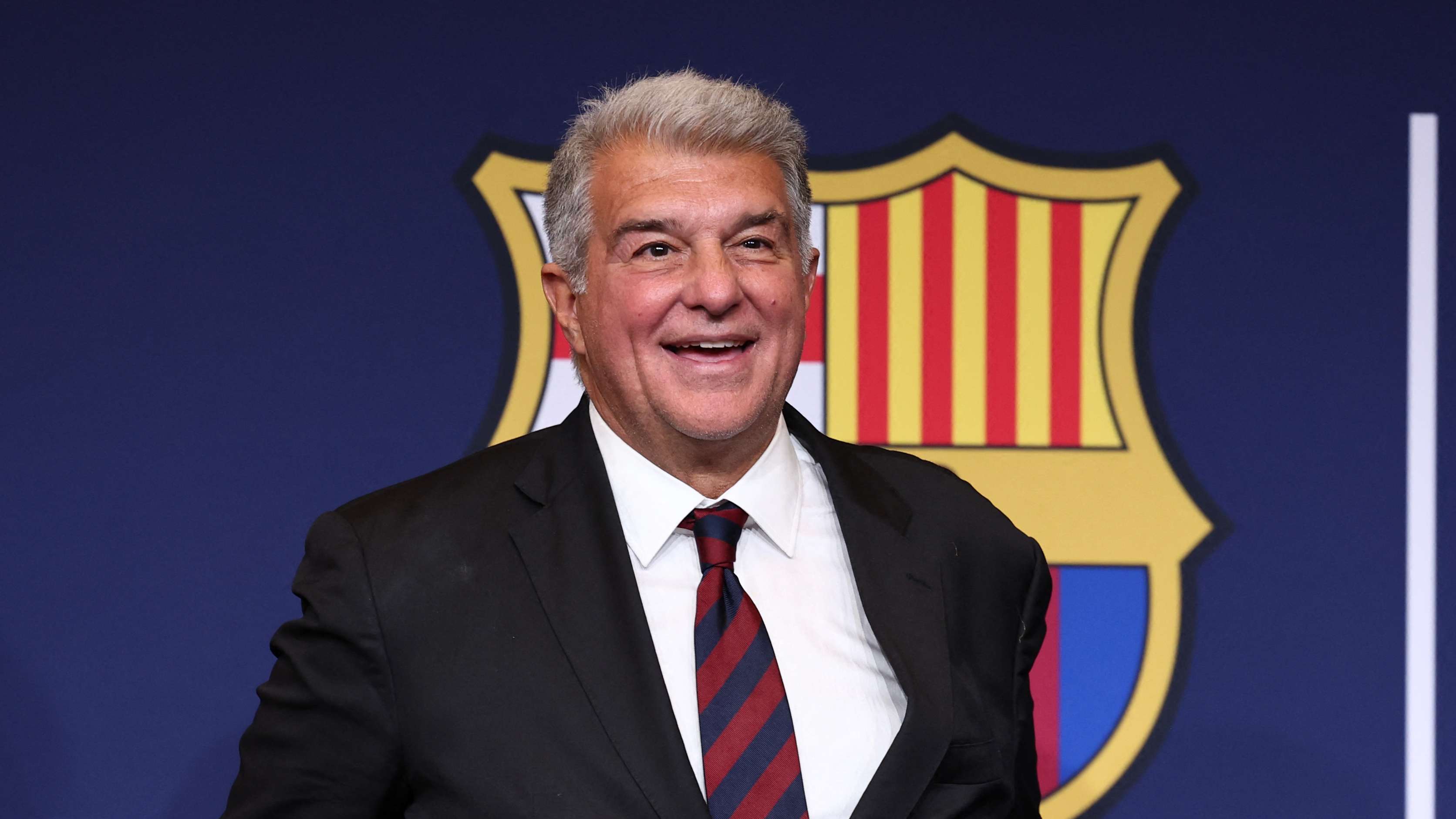
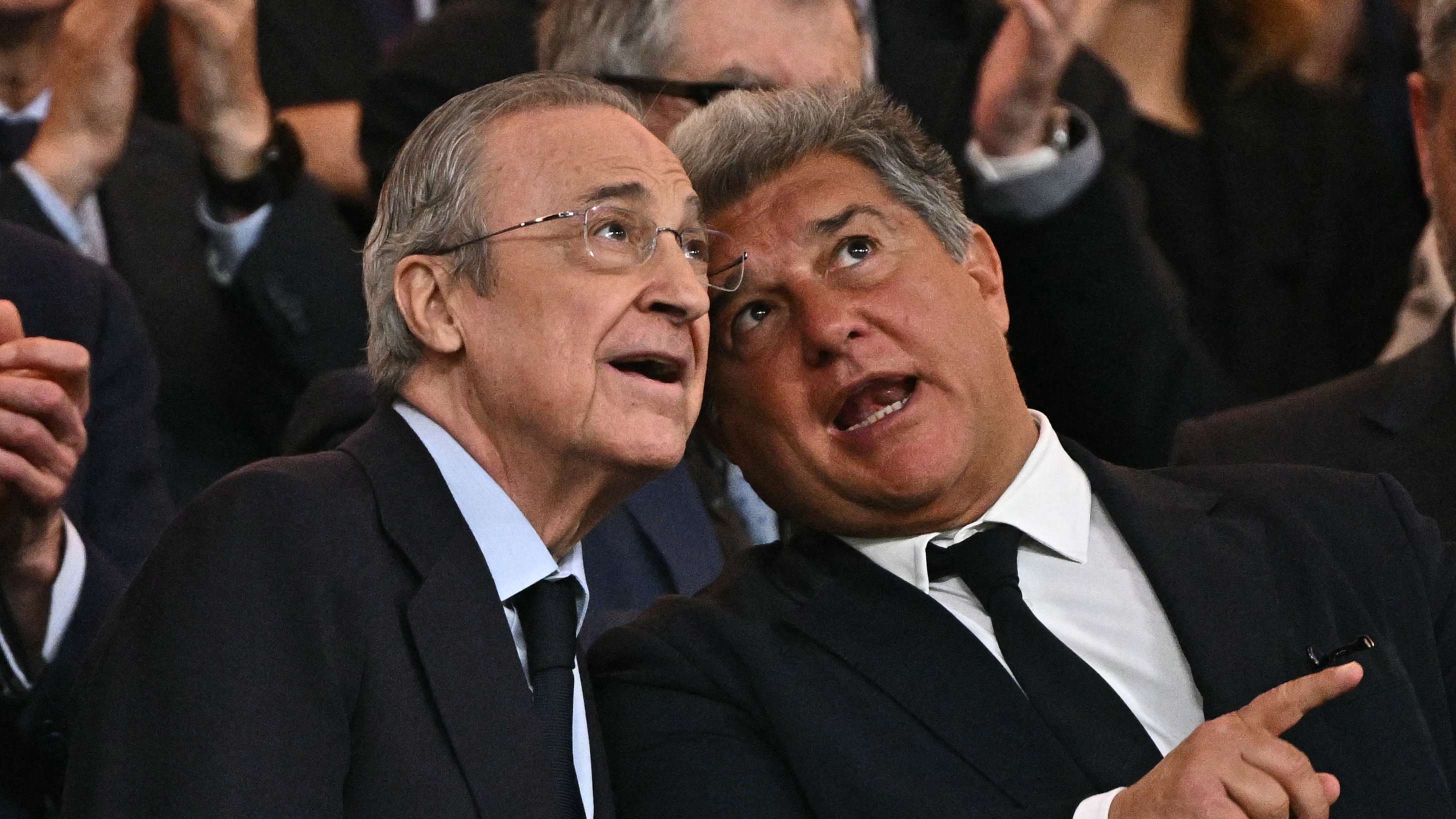
Real Madrid has pioneered a lucrative approach to squad management, generating €210 million from selling academy graduates while maintaining financial control through buy-back clauses and retained federative rights. Barcelona now follows the same blueprint, banking €40 million from La Masia exits under coach Hansi Flick.
The strategy reveals a fundamental shift in how elite Spanish clubs view their youth academies. Rather than developing homegrown talent into first-team regulars, clubs treat academy graduates as tradeable assets. Madrid invested €225 million in summer transfers—a sum almost entirely offset by academy sales. This approach works because the Whites retain contractual leverage: they keep 50% of federative rights on most departures, securing future sell-on fees when players move again.
Real Madrid's Academy Monetization Model
The numbers tell a striking story. Among 13 academy graduates Real Madrid sold this summer, only Gonzalo Garcia had meaningful first-team experience. Garcia joined Fulham for €40 million, managed by former Madrid defender Alvaro Arbeloa. Younger prospects like Cesar Palacios (€10 million to Fulham), Manuel Angel Moran (€4 million), and Jacobo Ortega (€10 million) departed despite never establishing themselves in senior football.
The real windfall comes from delayed sales. Players like Victor Munoz (€20.5 million), Mario Gila (€15 million), and Alex Jimenez (€12.5 million) generated profits long after leaving the Bernabeu, thanks to Madrid's retained rights. Nico Paz exemplifies the complexity: Madrid sold half his rights to Como last year for €60 million, offloaded the remaining stake this summer, and secured an €80 million buy-back option.
Barcelona's Emerging Strategy
Barcelona has adapted this model with less financial firepower. The Catalan club raised approximately €45 million from academy departures, supporting their summer recruitment drive under Flick. While the scale differs—Barcelona's La Masia generates fewer high-value exits than Madrid's Valdebebas academy—the structural principles remain identical: retain leverage, monetize departures, and balance immediate squad needs with long-term financial gains.
This trend reflects modern football's economics. Top clubs can no longer develop every academy prospect into a competitive first-team player. By treating young talent as investment vehicles rather than future squad pillars, they offset transfer spending and fund competitive ambitions. As both Madrid and Barcelona demonstrate, the path to financial sustainability increasingly runs through the sale of academy graduates.