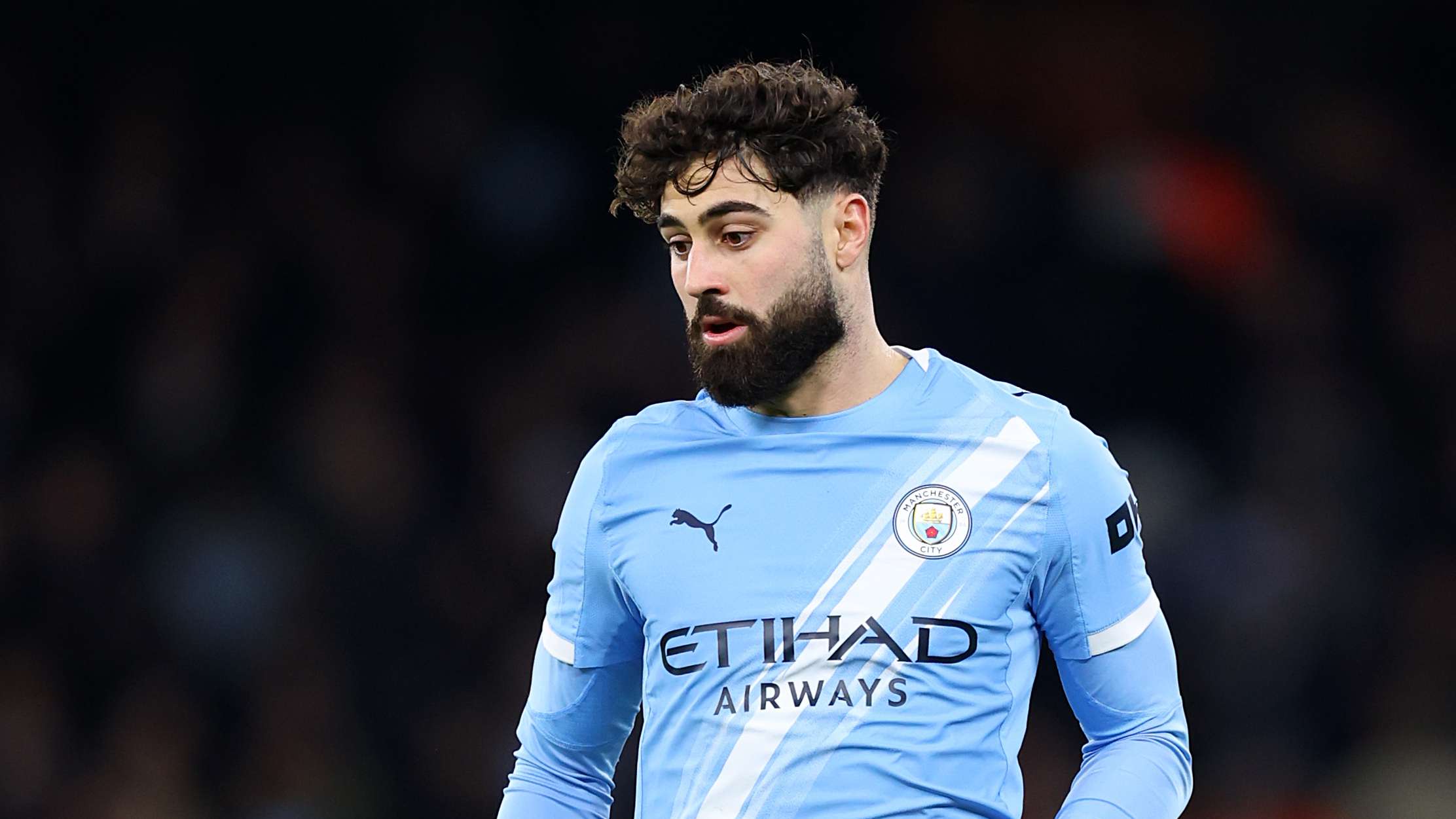

Real Madrid has entered negotiations with RB Leipzig to sign Ivorian winger Diomande, with the transfer expected to exceed €120 million. The deal would shatter Leipzig's previous club record, surpassing the €90 million Manchester City paid for centre-back Josko Gvardiol just two seasons ago.
Leipzig's business model operates differently from traditional European powerhouses. Rather than relying solely on academy development, the Red Bull group club excels at identifying emerging talent, acquiring players through strategic transfers, and reselling them for exponential profits. This system has transformed them into one of Europe's most prolific talent exporters alongside Benfica and Porto.
A Production Line of Profit
The German club's track record speaks volumes. They purchased Diomande from Leganes just twelve months ago for €20 million—a sum many critics deemed excessive at the time. Within a single season, his market valuation will increase sixfold or sevenfold, demonstrating Leipzig's uncanny ability to spot potential before Europe's elite clubs catch on. This mirrors their acquisition strategy across multiple positions and nationalities:
- Josko Gvardiol: Bought from Dinamo Zagreb for €36 million, sold to Manchester City for €90 million
- Benjamin Sesko: Signed from Red Bull Salzburg for €31 million, sold to Manchester United for €75 million
- Dominik Szoboszlai: Acquired and sold to Liverpool for €70 million
- Dani Olmo: Purchased from Dinamo Zagreb for €30 million, sold to Barcelona for €60 million
- Christopher Nkunku, Xavi Simons, Timo Werner, and Naby Keita all followed similar trajectories to top Premier League and La Liga clubs
Real Madrid faces a familiar obstacle: Leipzig operates from a position of strength. Unlike clubs desperate for revenue, the Germans have no urgent need to sell. They've perfected the art of extracting maximum value from negotiations, leveraging each player's performances and market demand. Diomande's rapid ascent has positioned him as one of Europe's hottest commodities, and Madrid's interest only increases Leipzig's negotiating power.
The Cost of Ambition
Madrid's pursuit underscores how European football's transfer market has evolved. Clubs no longer simply develop talent internally; they must outbid competitors for proven commodities or emerging stars with market momentum. Leipzig's model—buying undervalued players and selling at peak moments—has become a blueprint that frustrates wealthy suitors like Madrid, who must pay premium prices for athletes who've barely completed their breakthrough season.
If negotiations conclude at €120 million, the fee validates Leipzig's initial €20 million investment and reinforces their reputation as Europe's sharpest talent evaluators. For Real Madrid, securing Diomande would add youth and versatility to their attacking options, though at a cost that reflects his potential rather than his experience at the game's highest level.