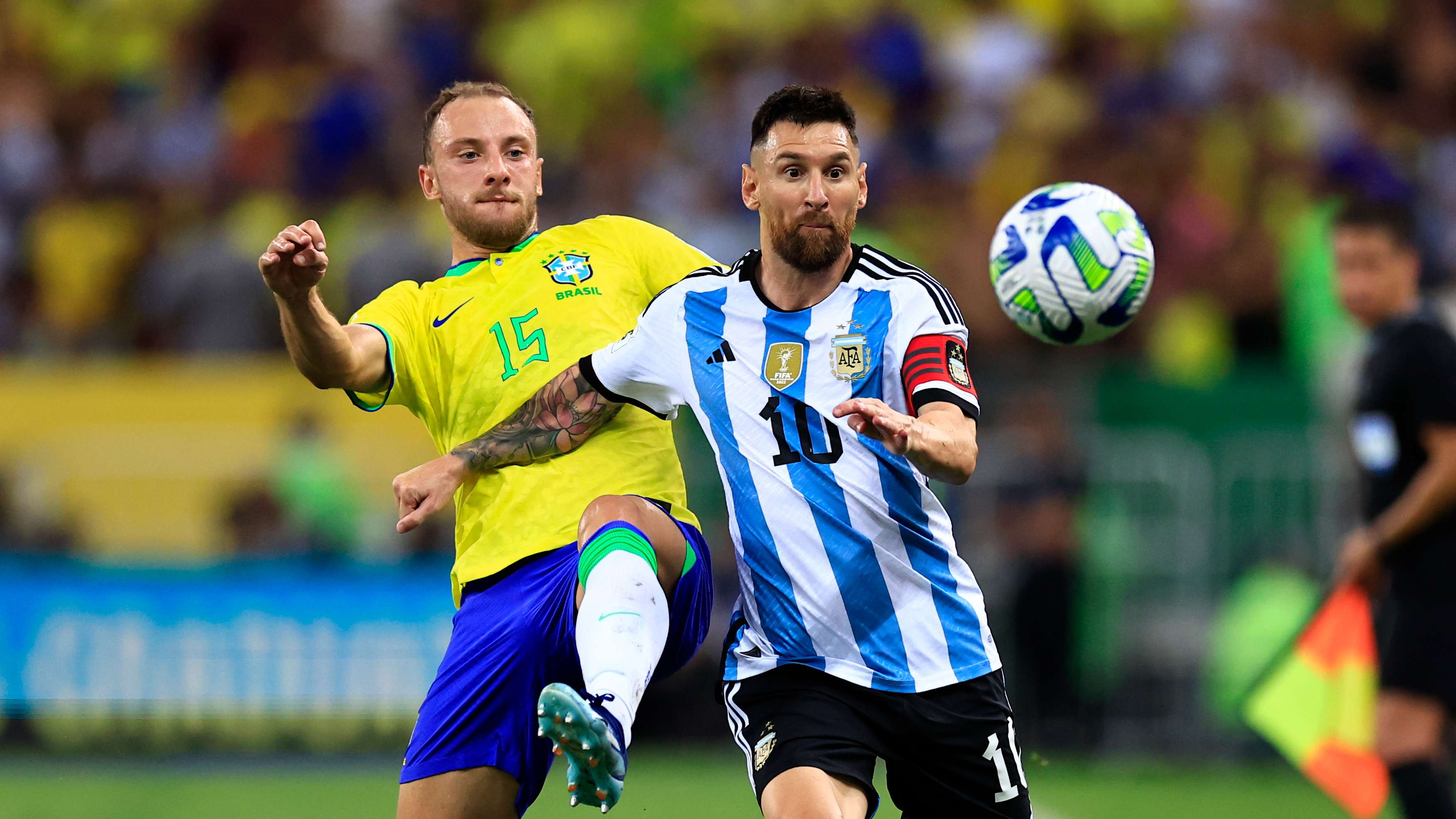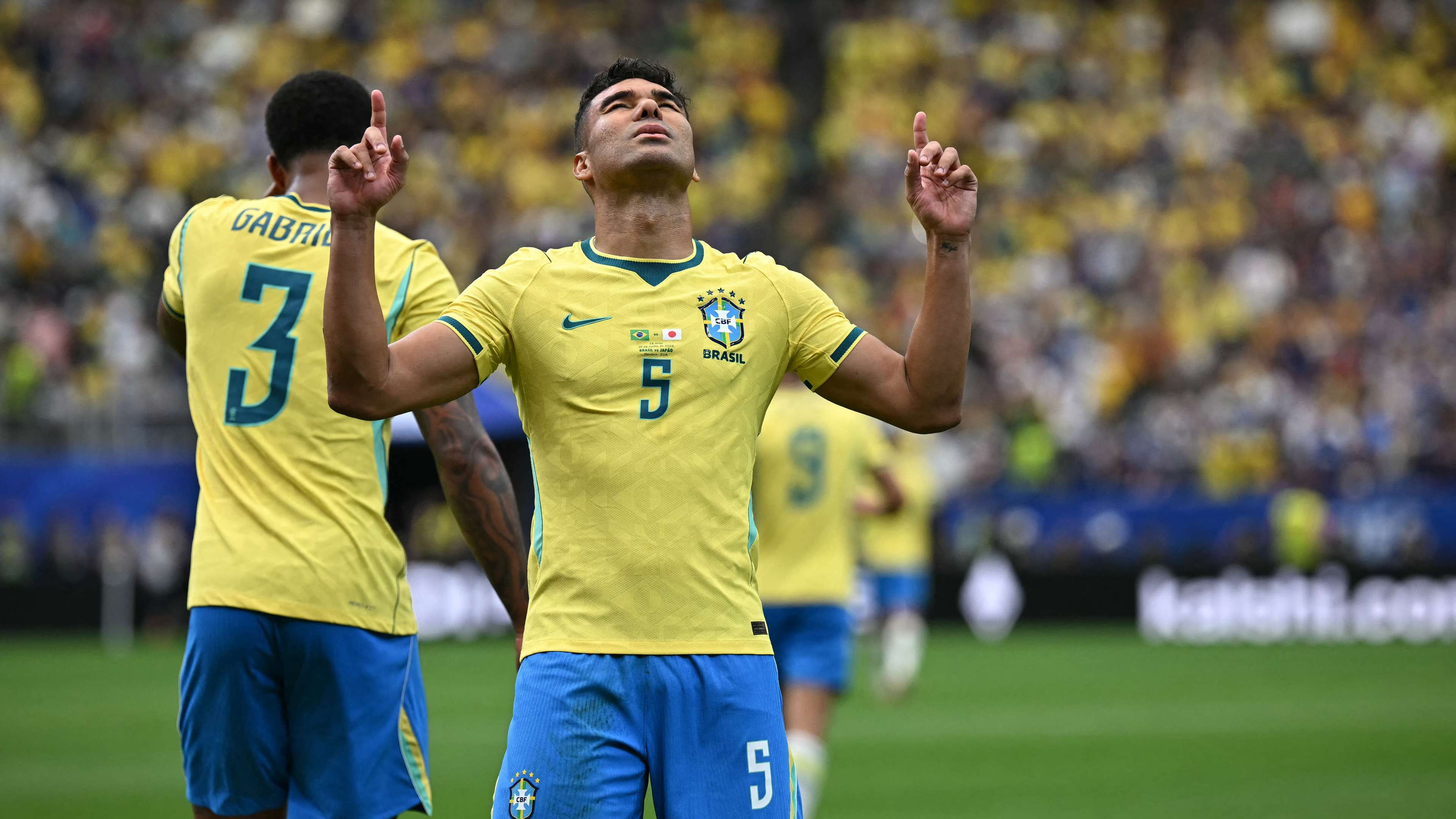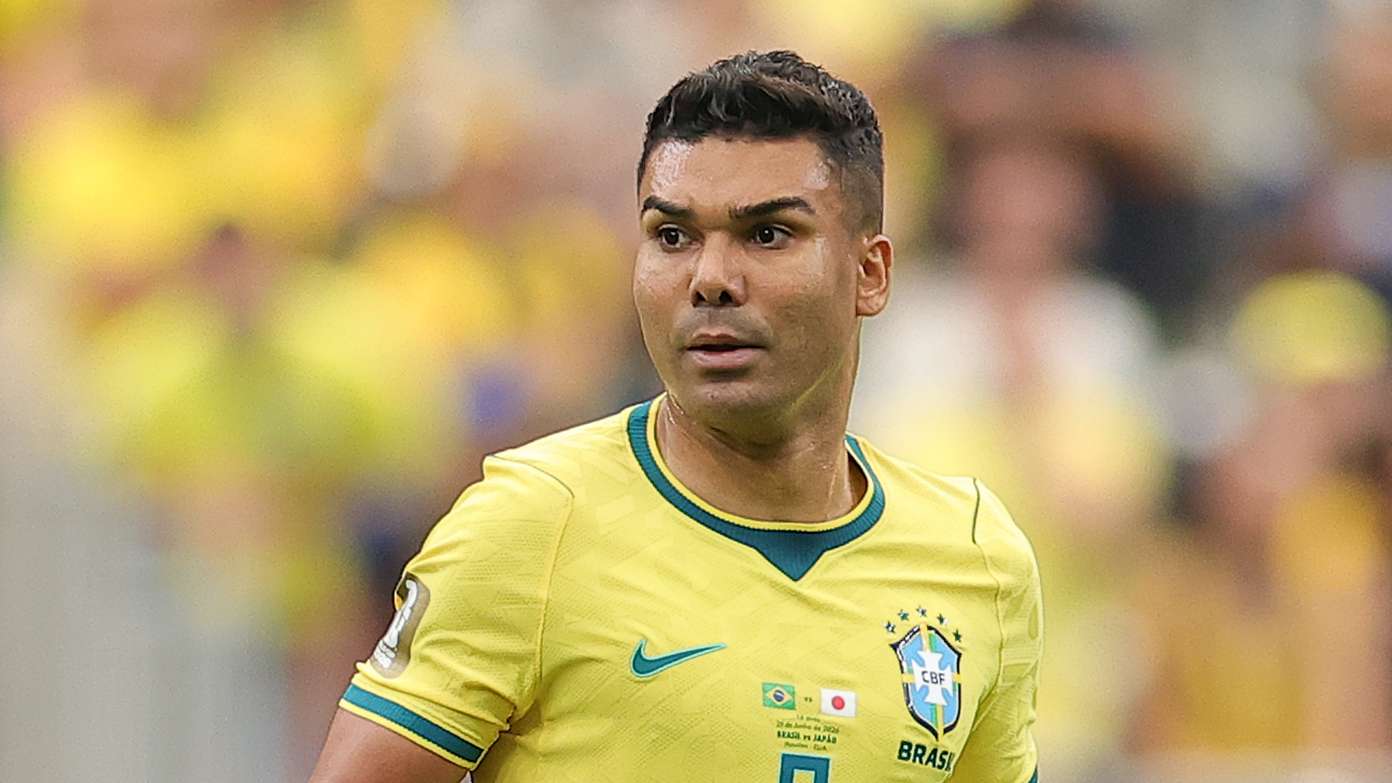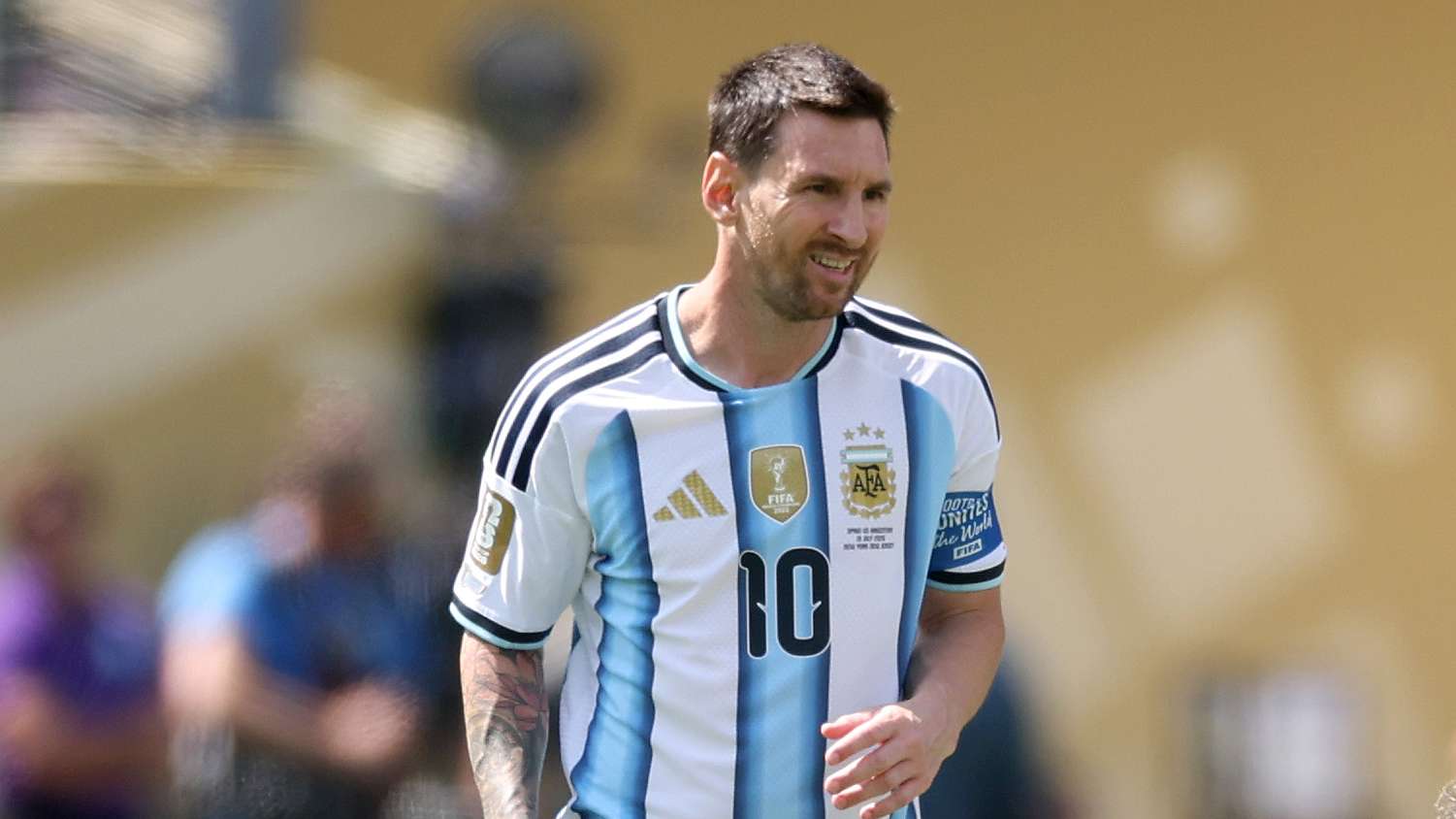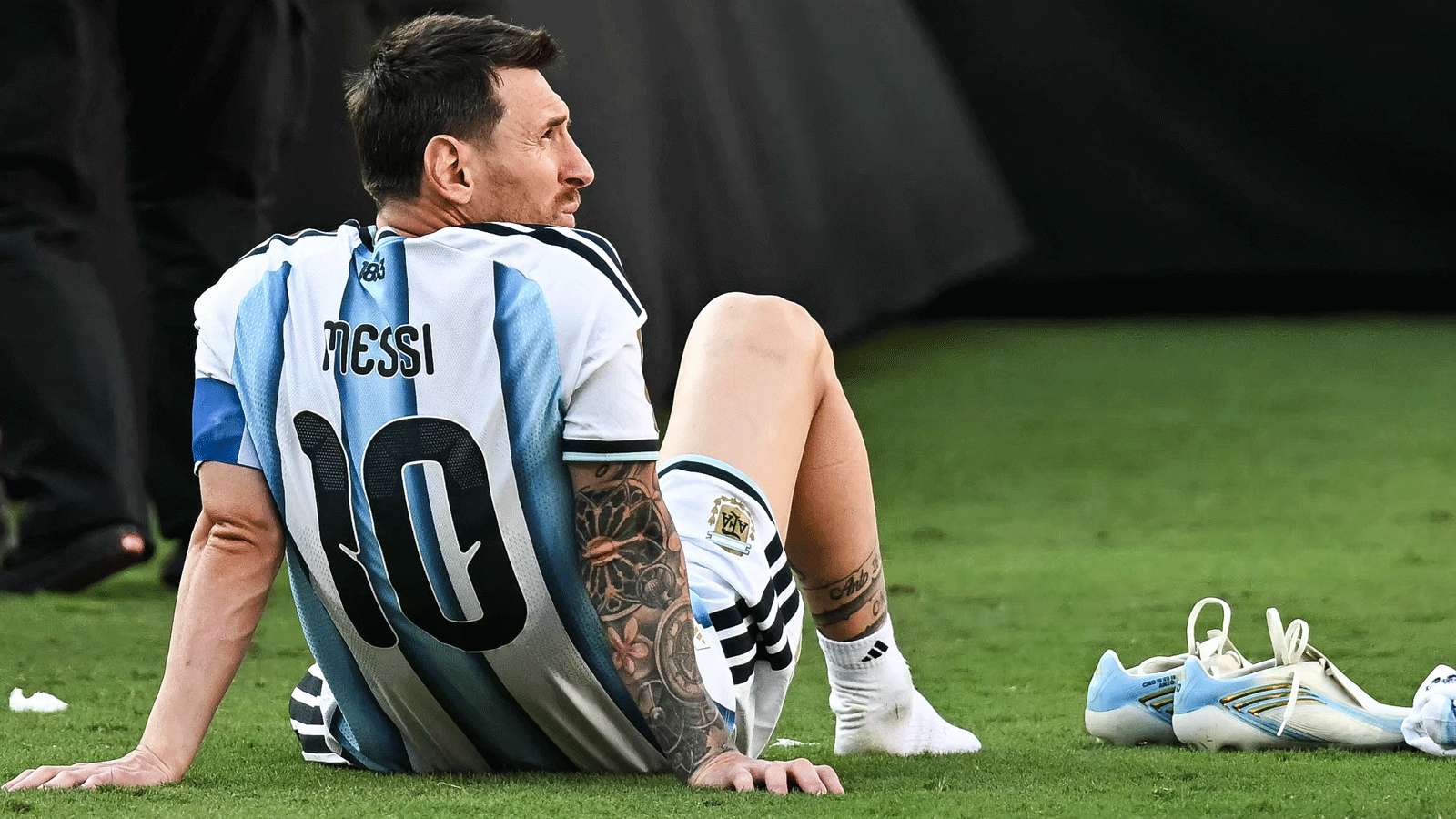
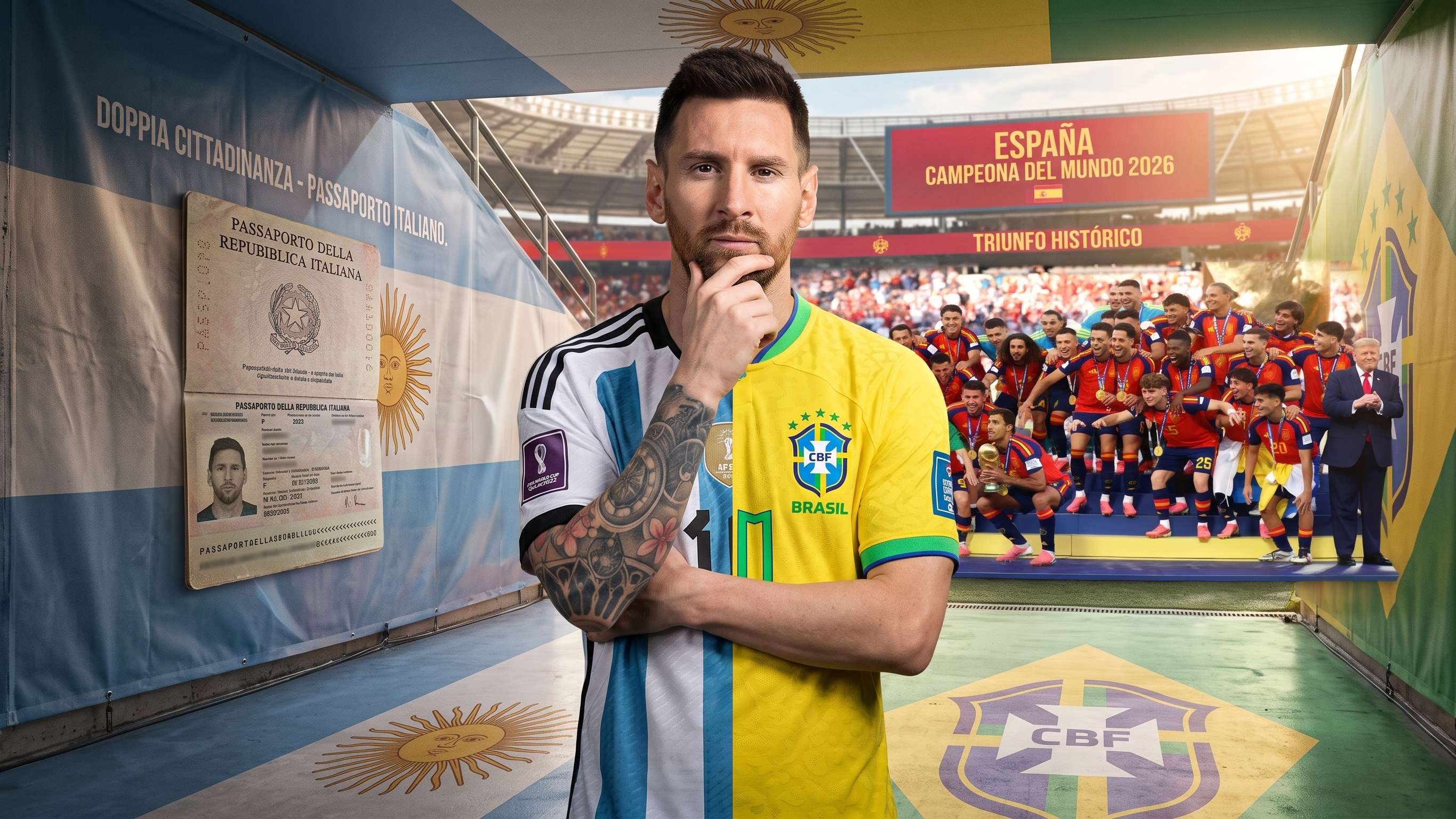
Lionel Messi could have represented Brazil throughout his illustrious career, according to a groundbreaking three-year historical investigation into his maternal ancestry. The Inter Miami forward, who guided Argentina to the 2026 World Cup final before falling to Spain 1-0, possessed eligibility claims to multiple nations, fundamentally reshaping how we understand his international path.
Italian historian Fiorenzo Santini uncovered that one of Messi's maternal great-grandparents was born in Ribeirao Preto, São Paulo, at the turn of the 20th century. The family relocated to Rosario, Argentina, around 1905, legally establishing a legitimate Brazilian citizenship claim that remained dormant throughout his career. This discovery emerged following Argentina's heart-breaking World Cup final loss, highlighting an alternate timeline that never materialized.
Beyond Brazil: Italy and Spain Connections
Messi's genealogical flexibility extended further than Brazil alone. His extended family heritage connected him to La Roja, the Spanish national team, where he developed as a player from age 13 at Barcelona's academy. The Royal Spanish Football Federation made sustained diplomatic efforts to persuade him to switch allegiances, recognizing his transformative potential.
Former Spain manager Vicente del Bosque revealed the Federation's persistence: "We made every effort to get Messi to play for Spain. Lionel refused because he loves his country. His arrival would have been exceptional. Messi is Messi—there is only one. It would have been a dream to coach him." Italy also presented a viable option through ancestral connections, yet Messi remained steadfast in his commitment to Argentina from his youth international debut.
The Surname Mystery
Santini's research uncovered an additional detail: Messi's maternal family's original surname, Coccettini, was officially changed to Cuccittini after settling in Rosario. This administrative transformation marked a deliberate break from Italian heritage as the family established roots in Argentina.
Despite the 2026 final defeat at age 39, Messi delivered eight goals and four assists throughout the tournament, cementing his legacy as Argentina's greatest player. His unwavering loyalty to La Albiceleste, despite multiple genuine pathways to rival nations, defines not merely his international career but his entire identity as a footballer. As he focuses on fitness with Miami, questions linger about what might have unfolded had he chosen differently.