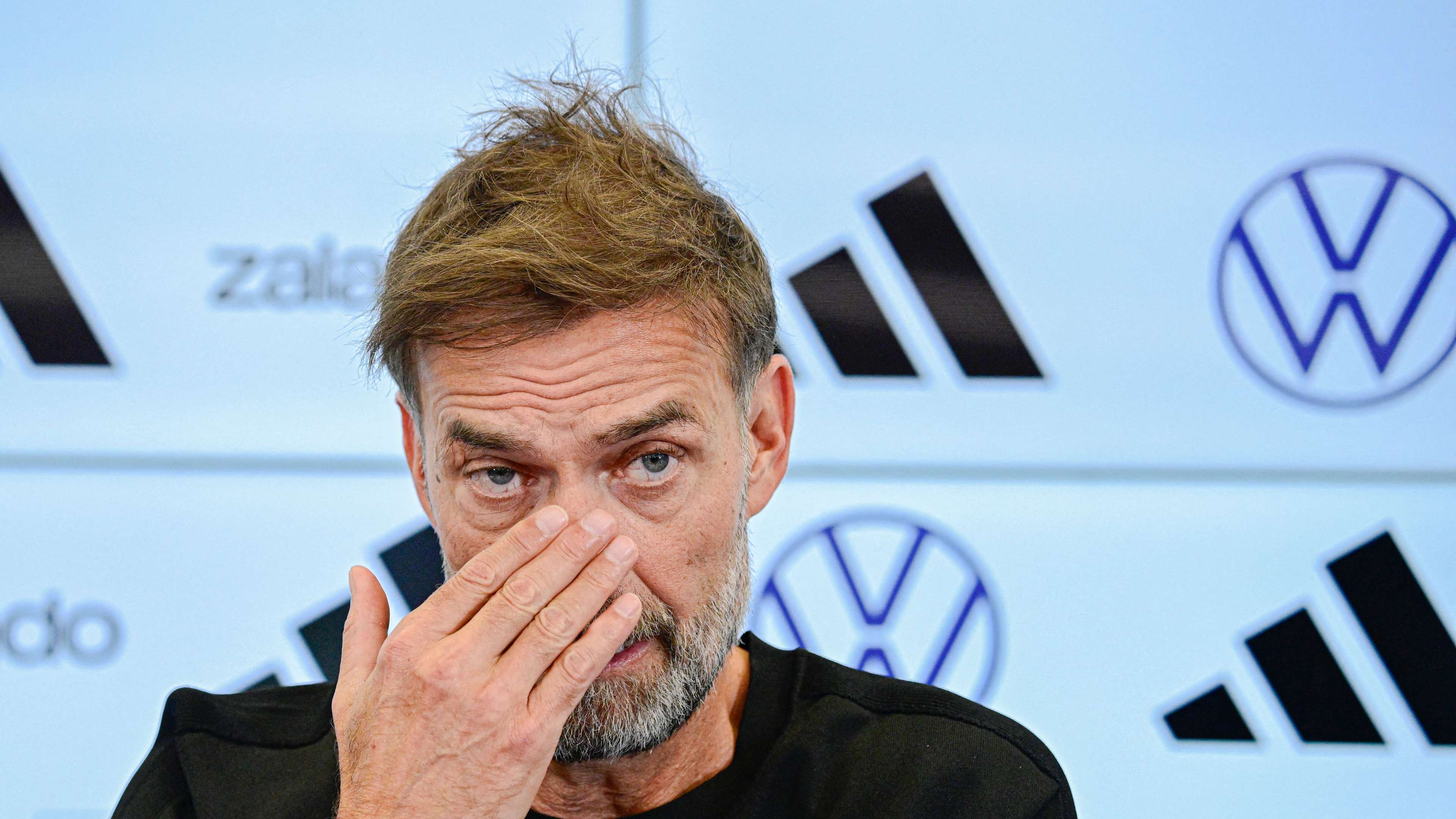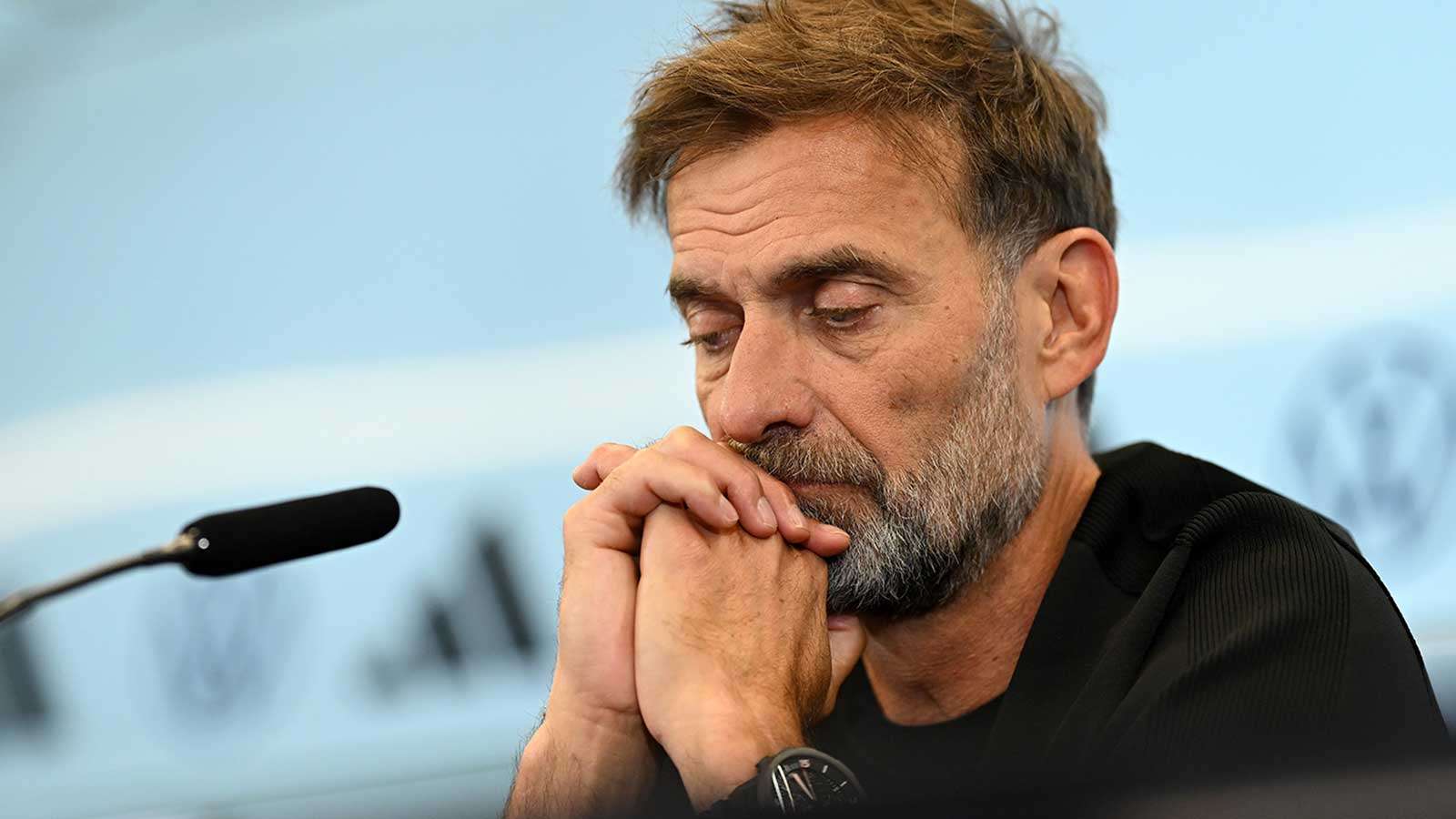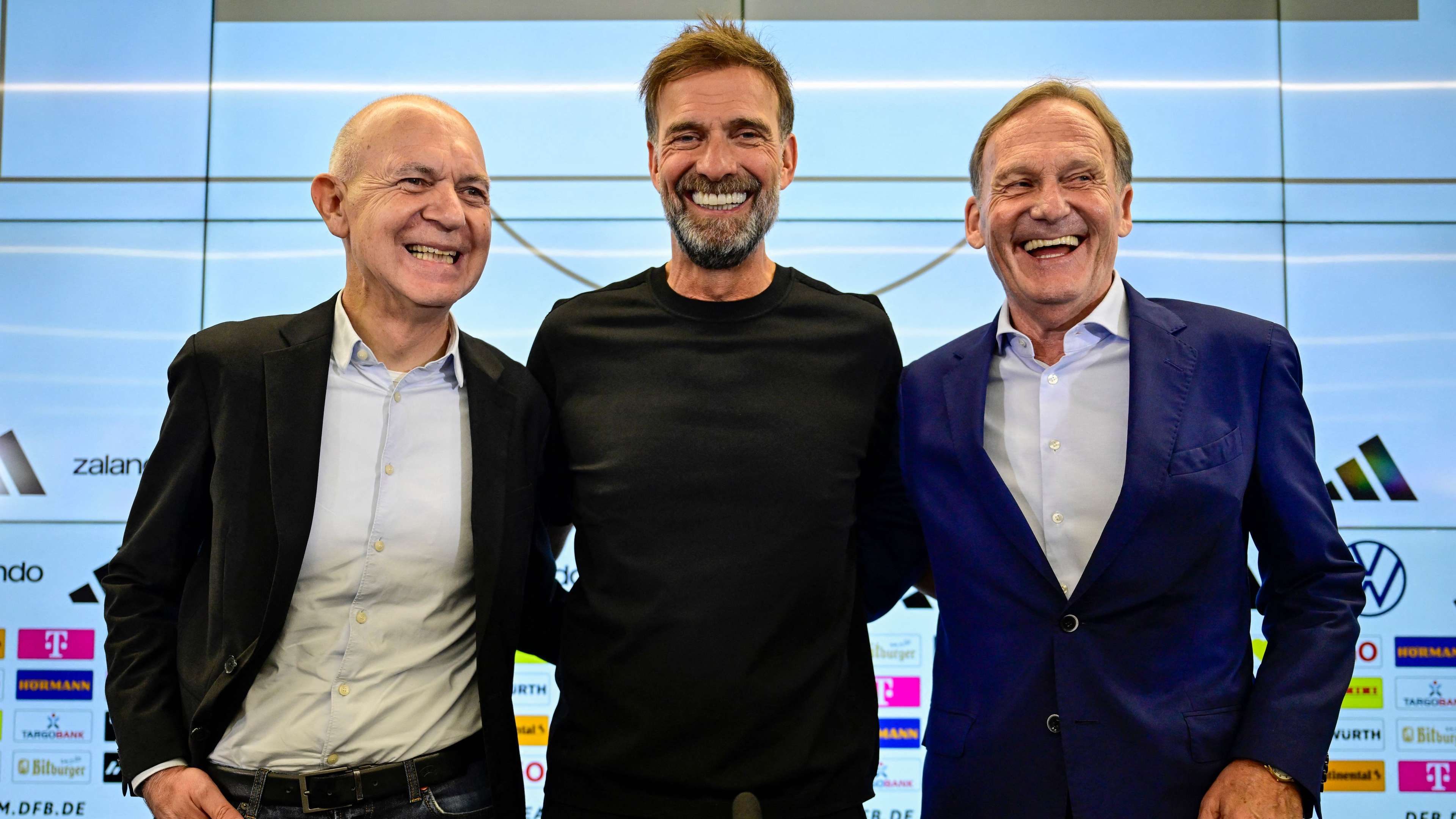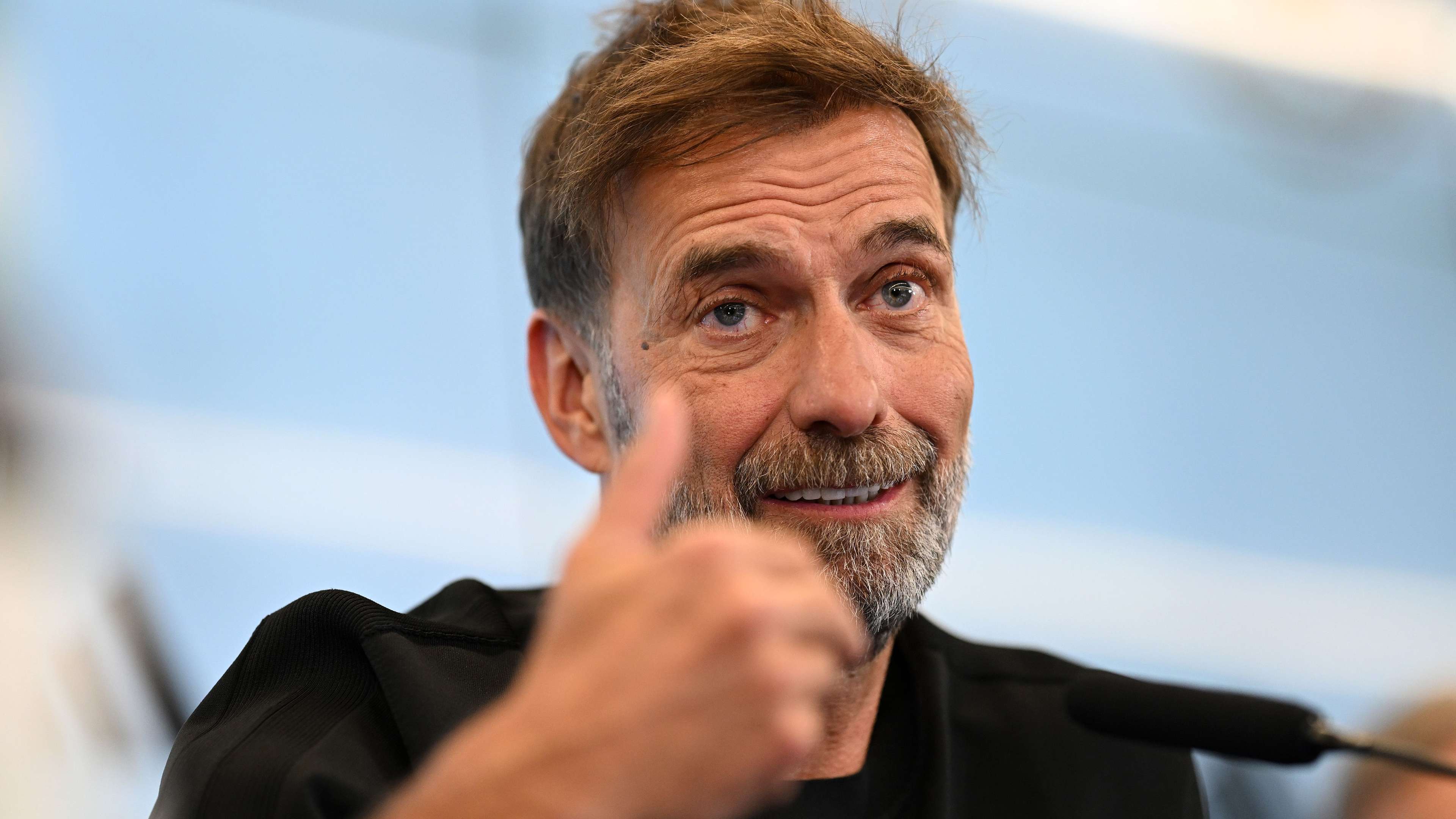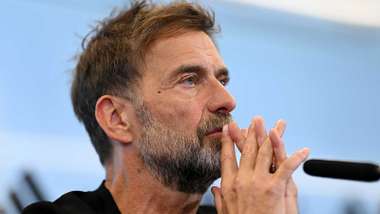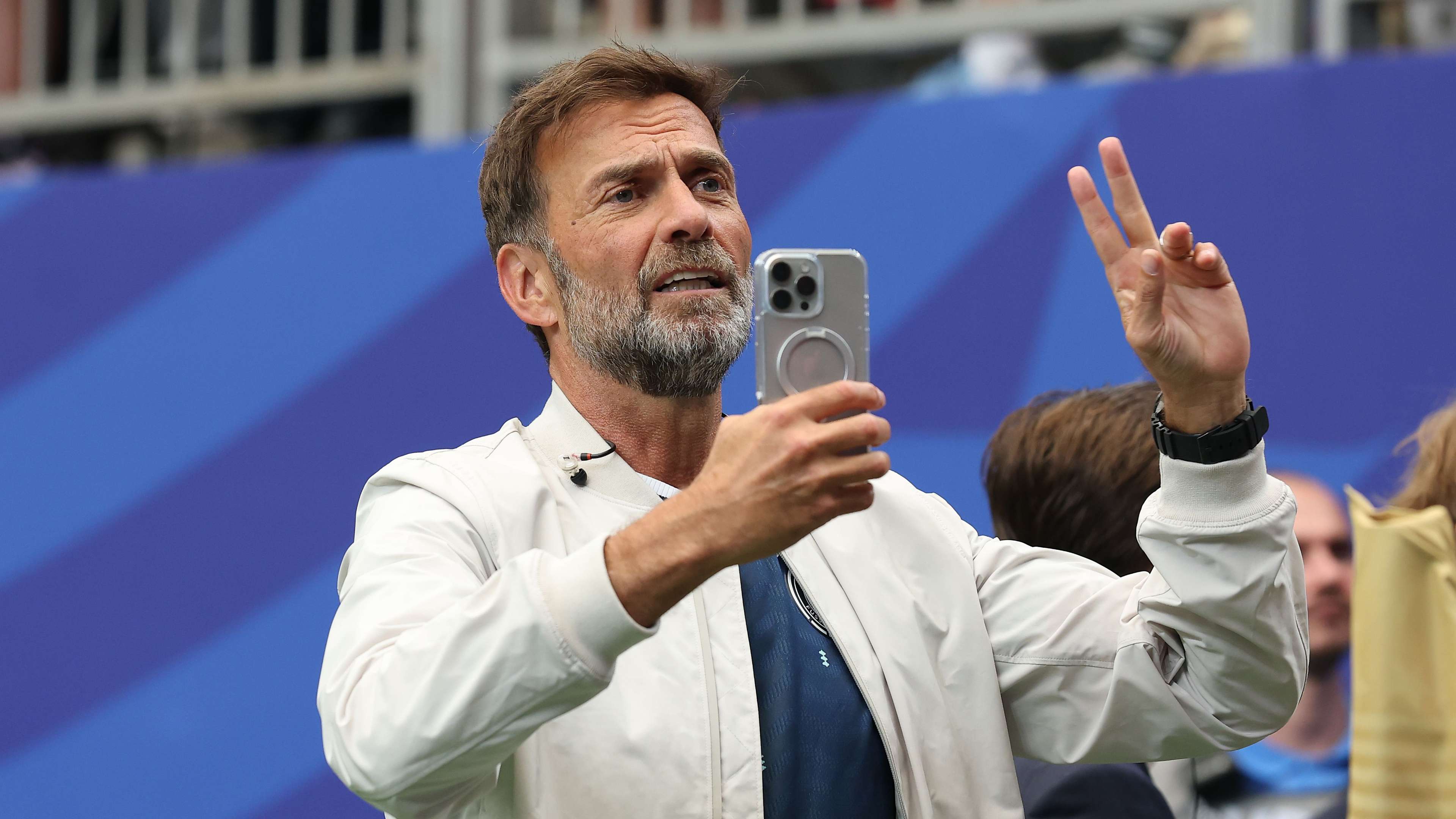
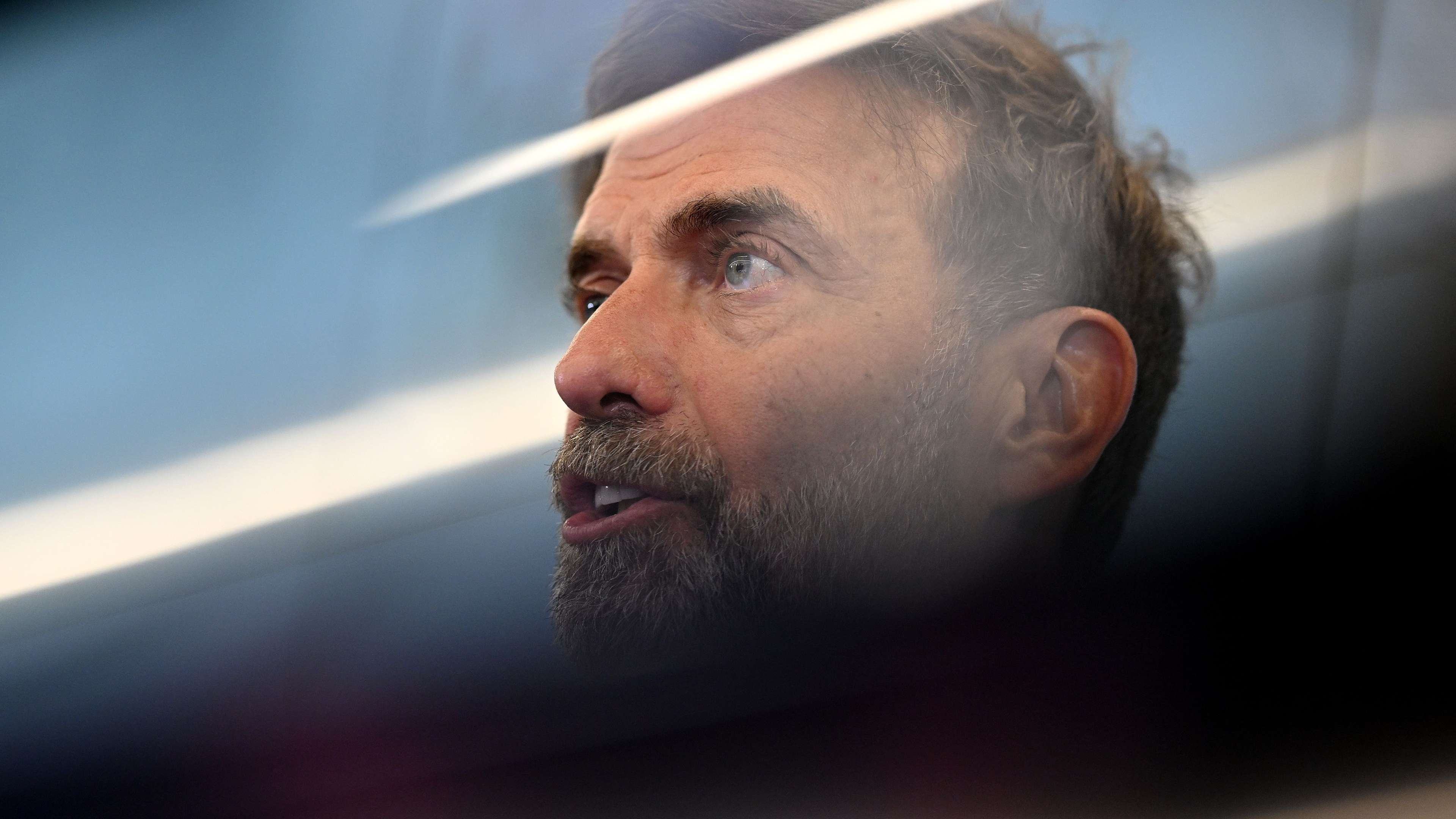
Jürgen Klopp used his inaugural press conference as Germany head coach on Friday to outline an ambitious vision for the national team, yet his lengthy opening remarks revealed a troubling disconnect with how independent media should operate. The Liverpool legend's more than 10-minute monologue underscored his commitment to the role—calling it the "high point of my life"—but also exposed fundamental misunderstandings about journalism's critical function.
Klopp framed the relationship between coaching staff and media as a "shared path," suggesting journalists should be partners in Germany's football revival. This perspective fundamentally misrepresents the role of independent reporting. The media's responsibility is to observe critically from outside, highlighting both achievements and failures. Klopp's repeated insistence that "I'm not doing this for myself, but for you" came across as patronising rather than unifying, undermining the credibility he sought to establish.
Contradictions in Klopp's Messaging
Most problematic was Klopp's criticism of how journalists treated his predecessor Julian Nagelsmann following Germany's World Cup disappointment. Klopp acknowledged the backlash was "possibly too heavy in places," yet he conveniently overlooked his own role as a television pundit who also criticised Nagelsmann before the tournament even began. His pre-tournament "still" remark sparked unnecessary controversy and destabilised his successor's position. The irony of now requesting patience and protective coverage after contributing to that very media environment was striking.
Klopp's grand ambition—using football to unite a fractured nation—carries genuine merit. His contract extends through the 2030 World Cup, providing stability for a long-term project. However, his assertion that "successful football can change a country" requires not defensive posturing toward critics but concrete tactical clarity. The coach revealed little about specific plans, including Joshua Kimmich's future role, leaving significant questions unanswered.
Moving Forward Without Blame
The timing of these complaints, coupled with similar remarks from DFB vice-president Hans-Joachim Watzke, suggested the organisation was scapegoating media coverage for Germany's recent decline. A more humble acknowledgment of the squad's current state would have strengthened Klopp's position. His request for patience—noting that "modern times" afford little time to anyone except themselves—rings somewhat hollow given his decisive intervention in ending Ole Werner's tenure at Leipzig despite Champions League qualification, suggesting impatience with processes elsewhere.
Klopp's determination to restore Germany to football prominence is undeniable, but sustainable success requires working constructively with independent scrutiny, not attempting to reshape it into partnership. How he navigates this tension will define whether his tenure unites German football or deepens divisions already exposed in his opening remarks. The real test begins with concrete performances on the pitch.