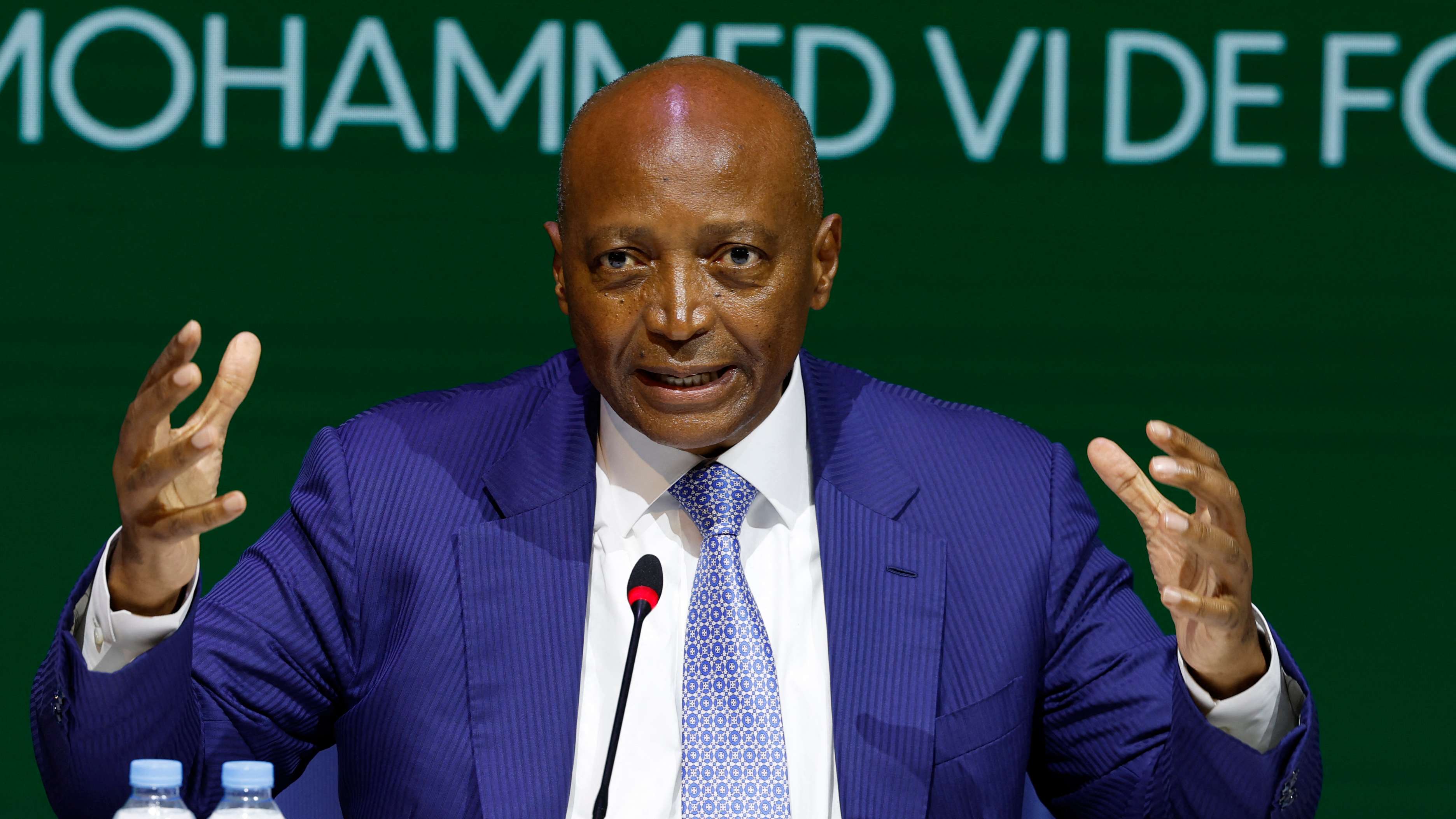

The Court of Arbitration for Sport (CAS) has scheduled a hearing for October 8 at its Lausanne headquarters to resolve the contentious 2025 Africa Cup of Nations final dispute between Morocco and Senegal. The date comes months after the Senegalese Football Federation filed its appeal on March 25, challenging the Confederation of African Football's (CAF) controversial decision to award Morocco the title.
The controversy stems from events during extra time in the final match. Senegal's players briefly walked off the pitch in protest after a penalty was awarded to Morocco. The spot-kick was missed, and Senegal subsequently scored through Bab Gaye. Despite this sequence, CAF's appeals committee ruled in favour of Morocco, declaring Senegal had forfeited the match and awarding the Moroccan side a 3-0 victory and the championship.
What the Senegalese Federation Demands
In its formal complaint to CAS, the Senegalese federation is seeking two key outcomes: annulment of CAF's decision and official recognition as the 2025 Africa Cup of Nations champions. The case represents a rare intervention by sport's highest arbitration body in African football governance, with implications for future tournament protocols and player conduct regulations.
CAS confirmed that neither party requested an expedited hearing, meaning the case will follow standard procedural timelines. All parties agreed to a closed-door session, with no public attendance. The court also clarified that no decision will be announced on the hearing date itself, with the arbitration panel's ruling to follow after deliberation concludes.
Fighting Misinformation
CAS issued a stern warning against false claims circulating on social media, including unfounded rumours about pre-determined rulings in Senegal's favour. The court emphasised that only official statements from its verified channels are authoritative, urging accredited media outlets to verify information through its dedicated media office. The hearing on October 8 will finally provide clarity on whether CAF's administrative decision stands or faces reversal.