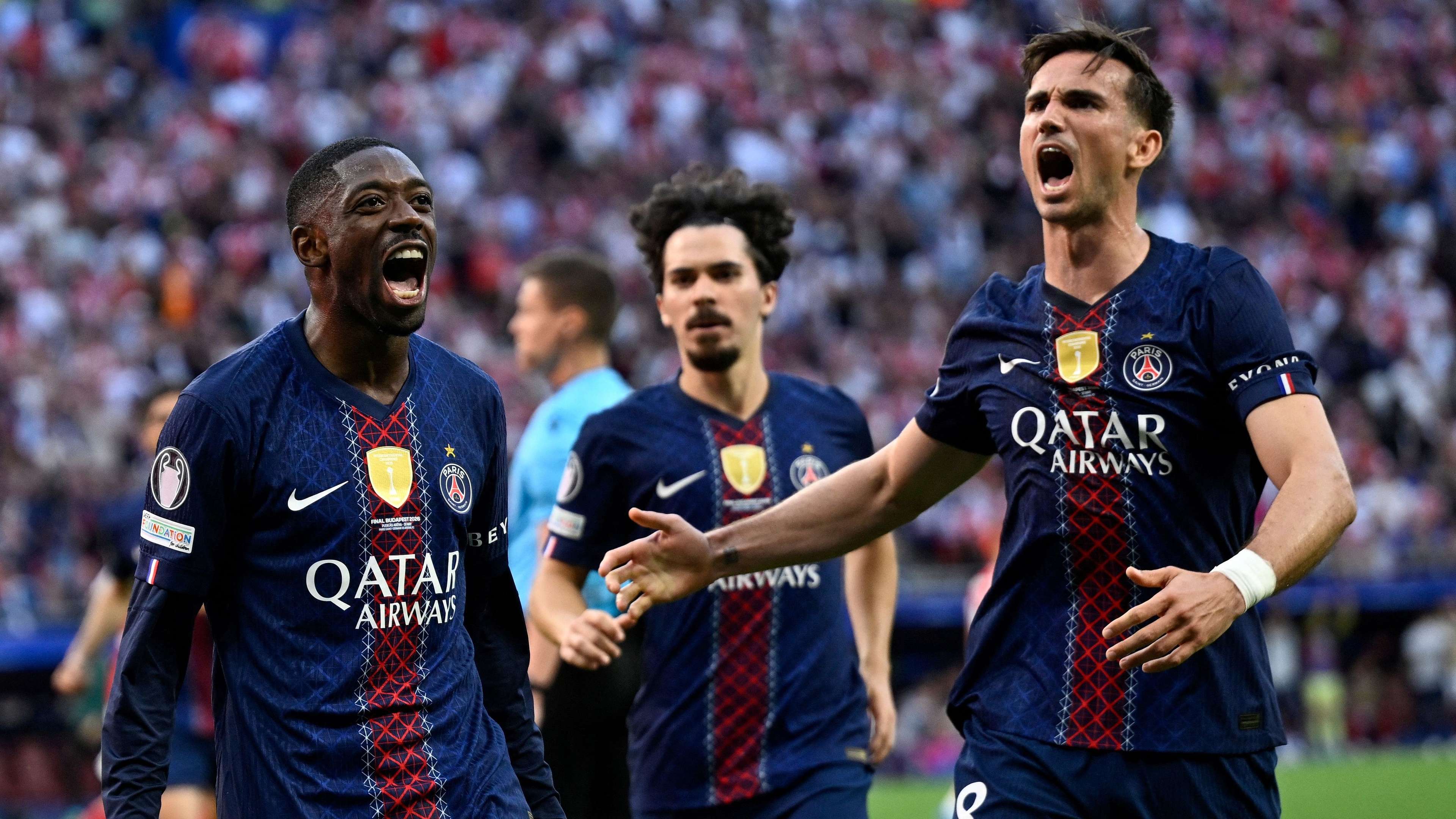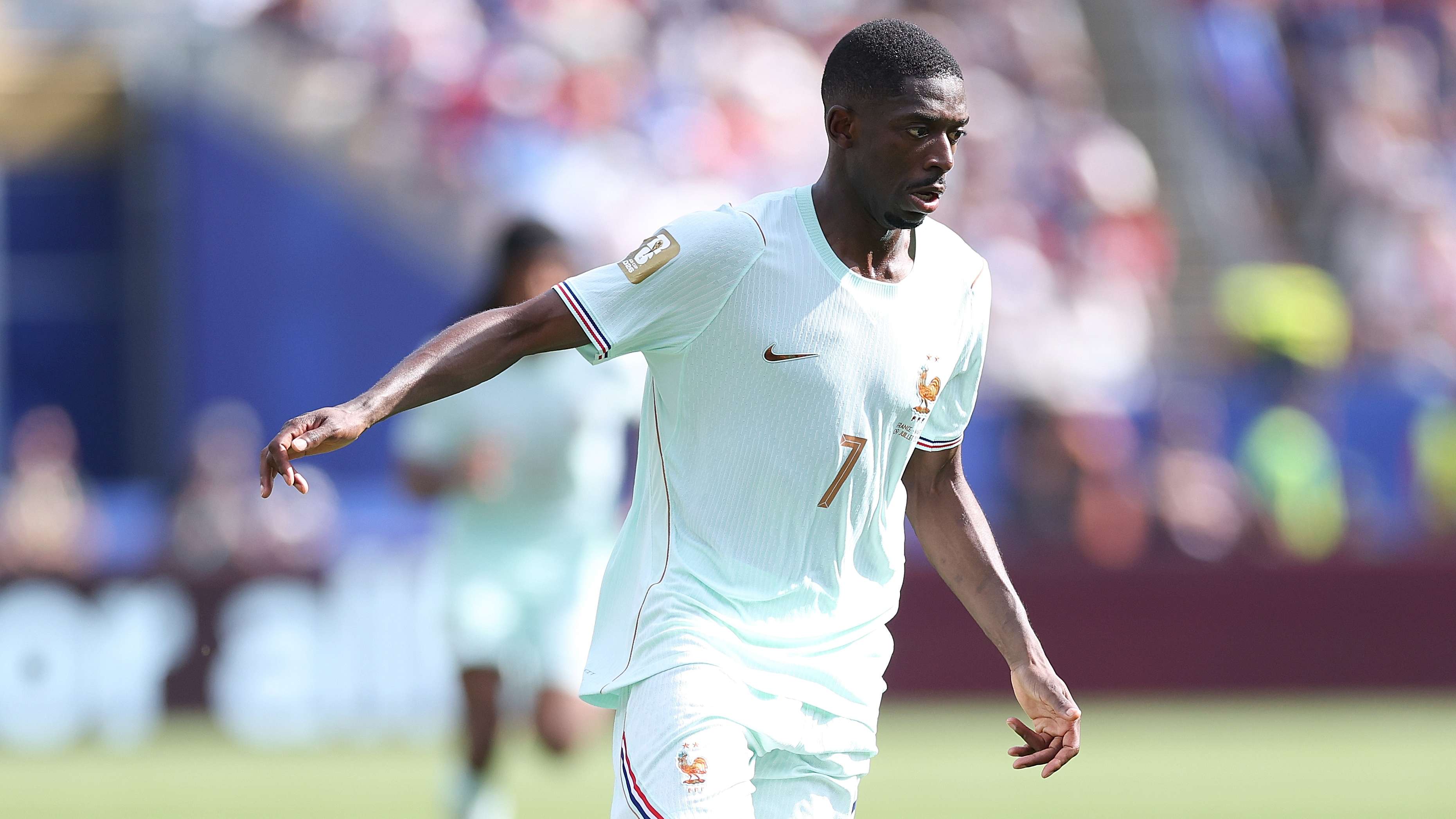
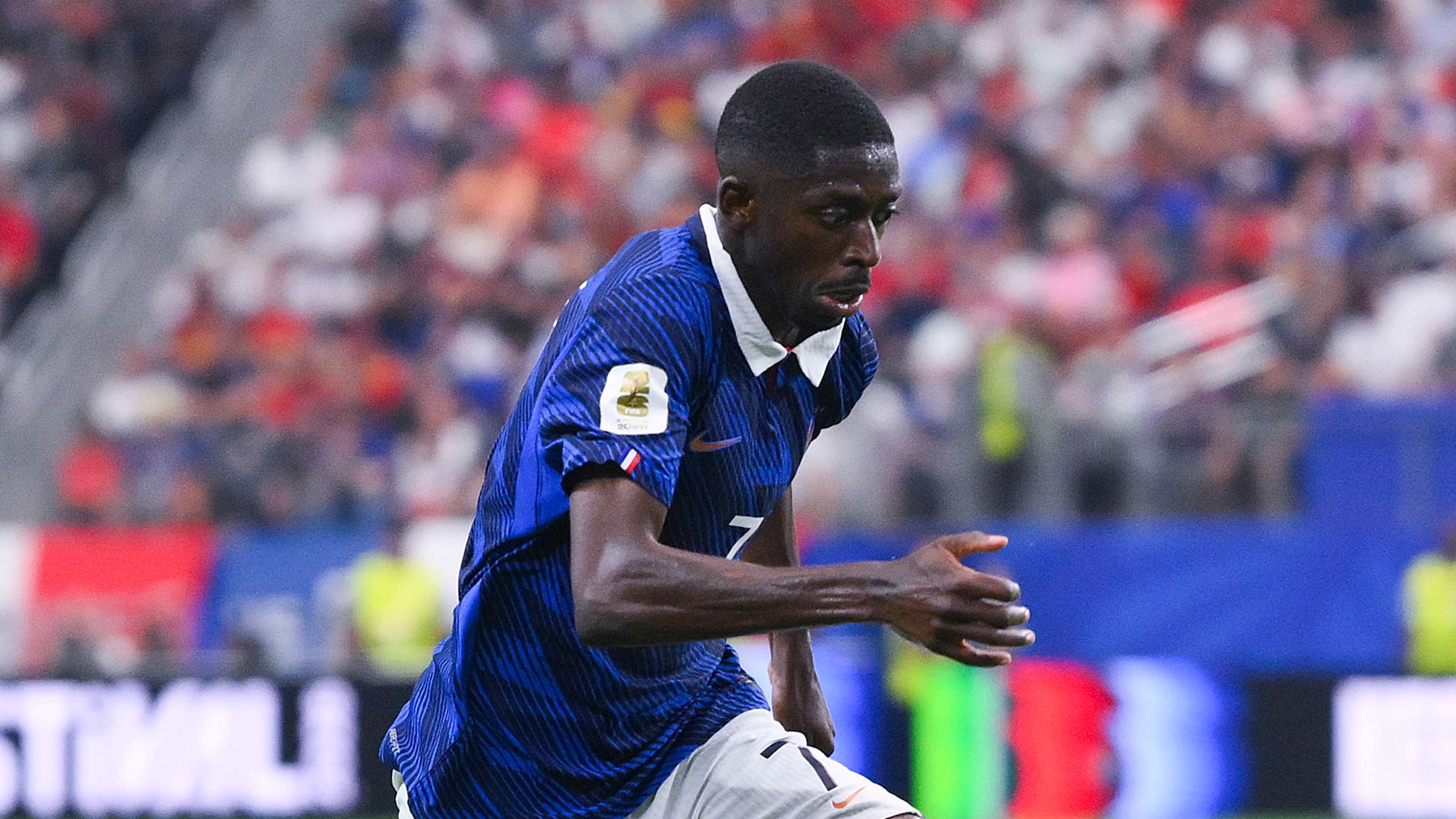
Ousmane Dembélé has emerged as a summer transfer target for Al-Hilal, with reports suggesting the move could rank among the most expensive deals in Saudi Arabian football history. Yet multiple obstacles threaten to derail negotiations before they genuinely begin, casting serious doubt on whether the ambitious project will materialize.
The Financial Hurdle
Any pursuit of the Paris Saint-Germain winger would demand a staggering investment. Transfer valuations place Dembélé at no less than 100 million euros, with additional costs for an astronomical annual salary and performance bonuses pushing the total package into unprecedented territory for Saudi football. Al-Hilal has successfully attracted elite talent in recent years, yet the sheer scale of this operation extends beyond even their recent spending patterns.
The financial burden becomes even more complex when examining Al-Hilal's current position. The club's board has adopted a more conservative fiscal approach, prioritizing cost reduction and long-term financial stability over marquee signings. Restructuring existing contracts and managing the wages of established stars already on the roster has become a pressing concern, limiting available resources for blockbuster transfers.
PSG's Grip on Their Talent
Money alone cannot solve the central problem: Luis Enrique, PSG's Spanish manager, views Dembélé as a cornerstone of his attacking system. The French winger's contributions—creating chances, scoring goals, and executing the high press—make him indispensable to Enrique's tactical philosophy. PSG holds a commanding negotiating position, reinforced by Dembélé's extended contract, which gives the Ligue 1 leaders every incentive to resist any offer.
PSG's recent sporting success under Enrique further hardens their stance. The club has no motivation to dismantle a functioning project by selling one of its attacking pillars, regardless of the financial offer tabled. Al-Hilal would need an extraordinary fee to even initiate serious talks—and even then, the French side appears unlikely to budge.
A Shift in Saudi Strategy
A year or two ago, Al-Hilal might have pursued such a deal with reckless spending. Today's landscape differs markedly. The Saudi club has redirected focus toward younger signings capable of remaining for multiple seasons, rather than ageing superstars commanding vast portions of the budget. This strategic pivot suggests the board recognizes the volatility and diminishing returns of blockbuster acquisitions in their mid-30s.
While Dembélé would undoubtedly strengthen Al-Hilal's already formidable attacking line alongside established stars, the convergence of PSG's resistance, financial constraints, and shifting transfer philosophy makes a deal improbable. Unless circumstances shift dramatically, this file may close before it ever opens as a genuine negotiation between the clubs.