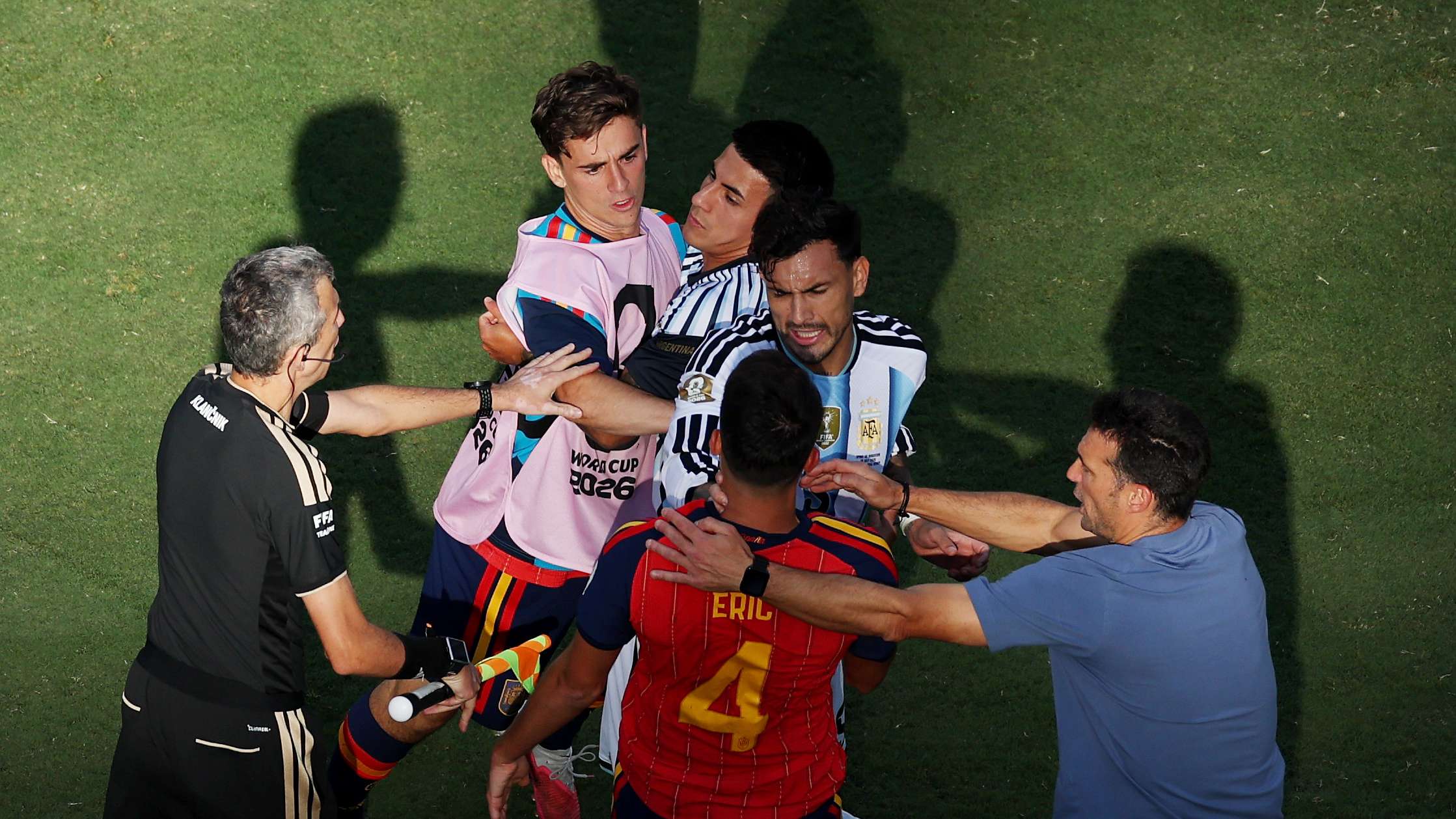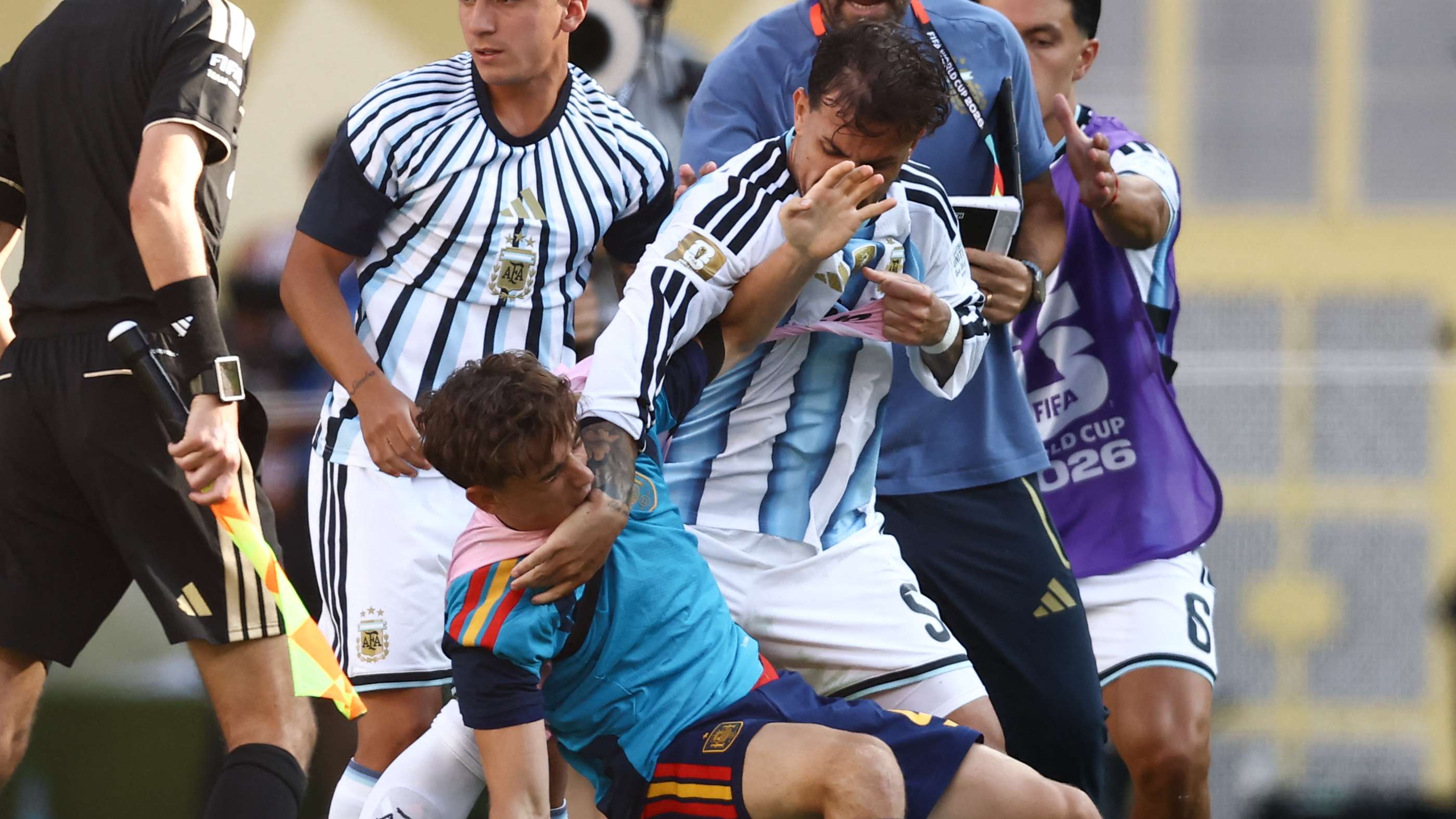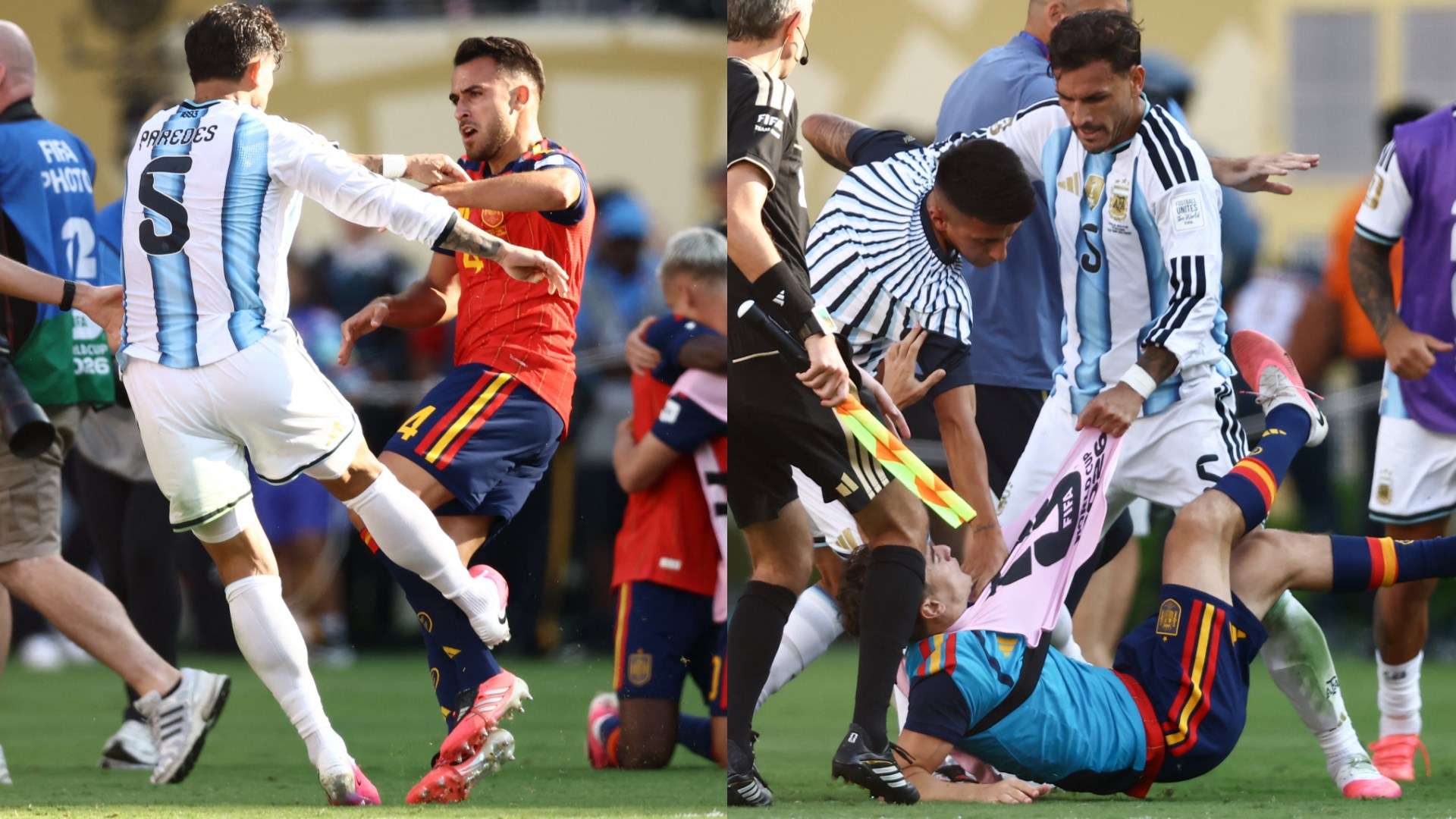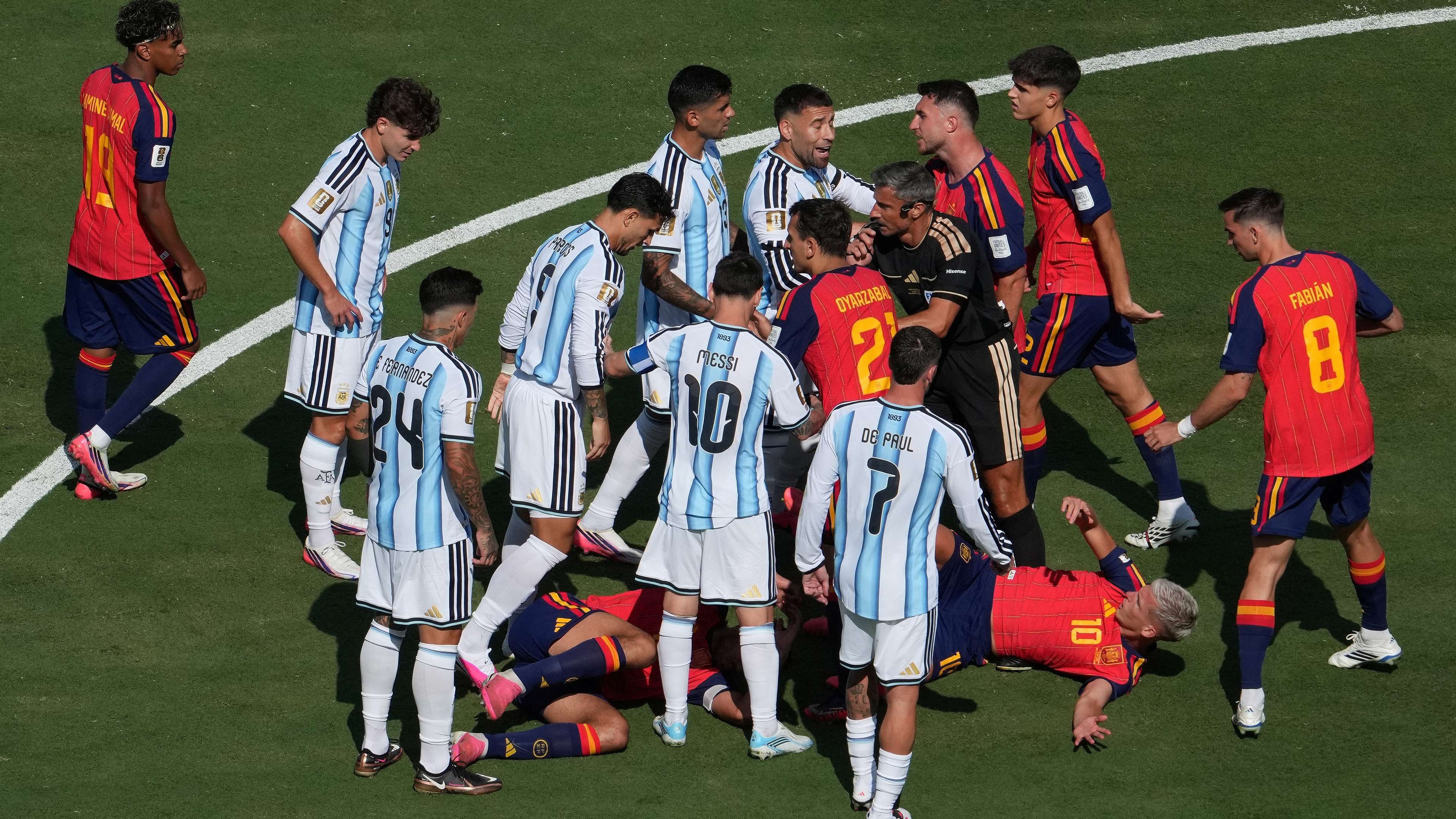
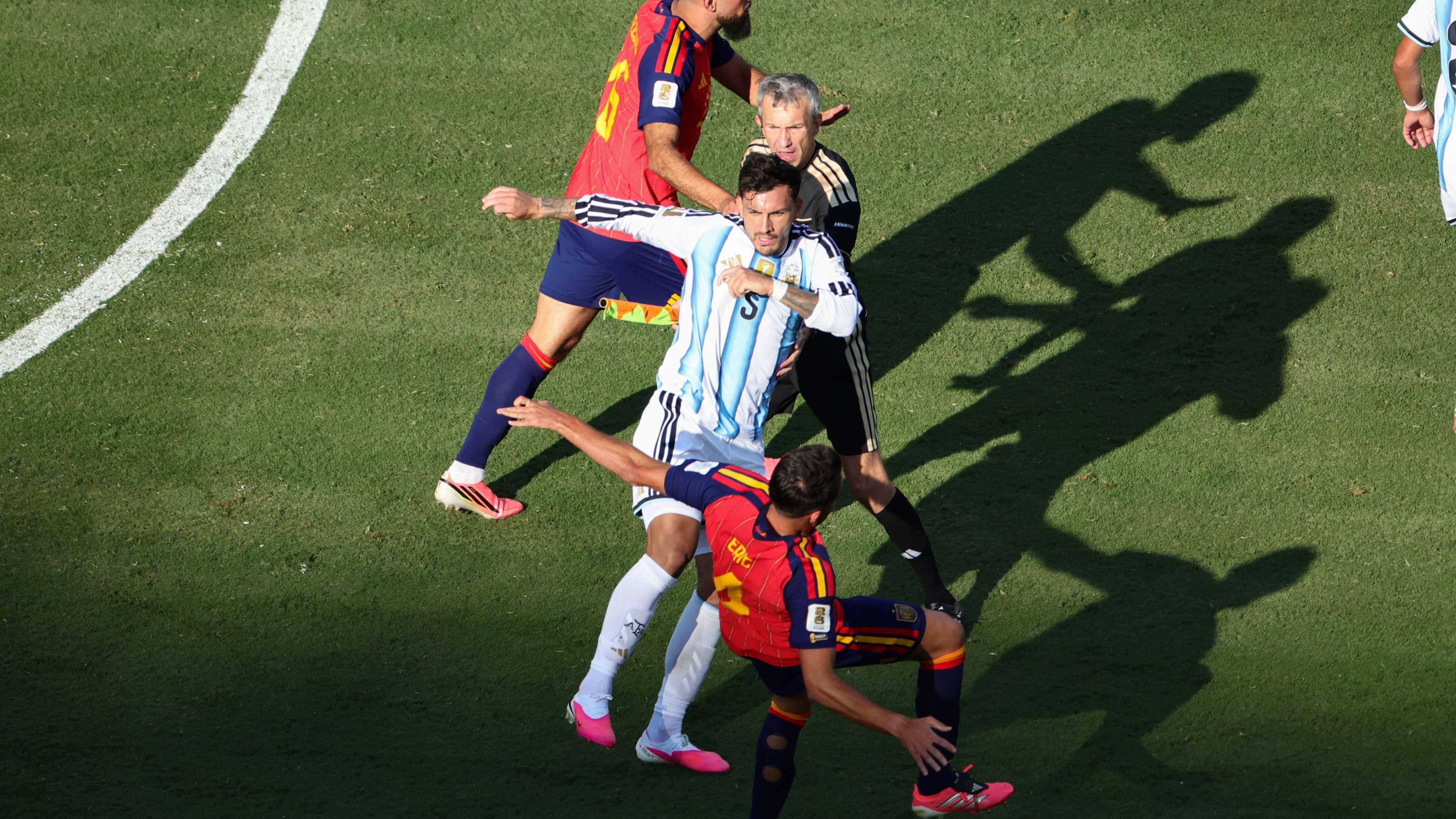
Leandro Paredes has declined to apologize for his involvement in the altercation following the World Cup final, standing by his actions despite the controversial scenes that unfolded after Argentina's match against Spain. The midfielder's defiant stance comes as FIFA confirmed it has removed any disciplinary record from the incident and launched a formal investigation into what transpired after the final whistle.
Video footage captured Paredes throwing punches and kicks at Spanish players, including shoving Eric García to the ground and clashing with young midfielder Gavi during the post-match chaos. The incident disrupted Spain's celebrations and drew widespread attention from football's governing bodies. Defender Nahuel Molina also appeared central to sparking the confrontation by swinging at Manchester City midfielder Rodri.
Paredes Expresses Pride Despite Controversy
Rather than offer regrets, Paredes took to Instagram with a statement emphasizing his pride in Argentina's World Cup campaign. His message highlighted the team's commitment and sacrifice throughout the tournament without addressing the specific incident. He wrote: "I write with my head held high and great pride because we gave everything we had and raised our flag at the top once again!" The midfielder expressed honor at representing what he called the best Argentina team in history.
Initial reports suggested Paredes received a red card for his part in the disorder, but FIFA subsequently wiped the card from the official record, taking no formal disciplinary action at the time. However, the governing body's announcement of an investigation indicates the matter remains under review. This approach contrasts with typical tournament protocols and reflects the complexity of managing post-match conduct during major competitions.
The incident highlighted tensions that often surface during high-stakes international football matches. Paredes' refusal to apologize underscores how some players view such moments as part of competitive passion rather than misconduct requiring regret. As FIFA continues its investigation, the case may set a precedent for how football's authorities handle player conduct during World Cup celebrations.