FIFA has launched a formal investigation into disciplinary breaches by the Argentina national team following their 1-0 defeat to Spain in the World Cup final at MetLife Stadium. A dedicated disciplinary and ethics prosecutor has been appointed to examine the post-match incidents that marred Sunday's contest, with multiple players and coaching staff potentially facing severe sanctions.
In an official statement, FIFA confirmed the probe under Article 36 of the FIFA Disciplinary Code. The organization stated: "Following the assessment of the relevant match reports concerning the World Cup final between Spain and Argentina, the Disciplinary Committee has appointed a disciplinary and ethics prosecutor to investigate potential breaches of the code in relation to the post-match events." The investigation will determine whether any players or staff members violated FIFA regulations during the chaotic scenes after the final whistle.
Incidents Under Review
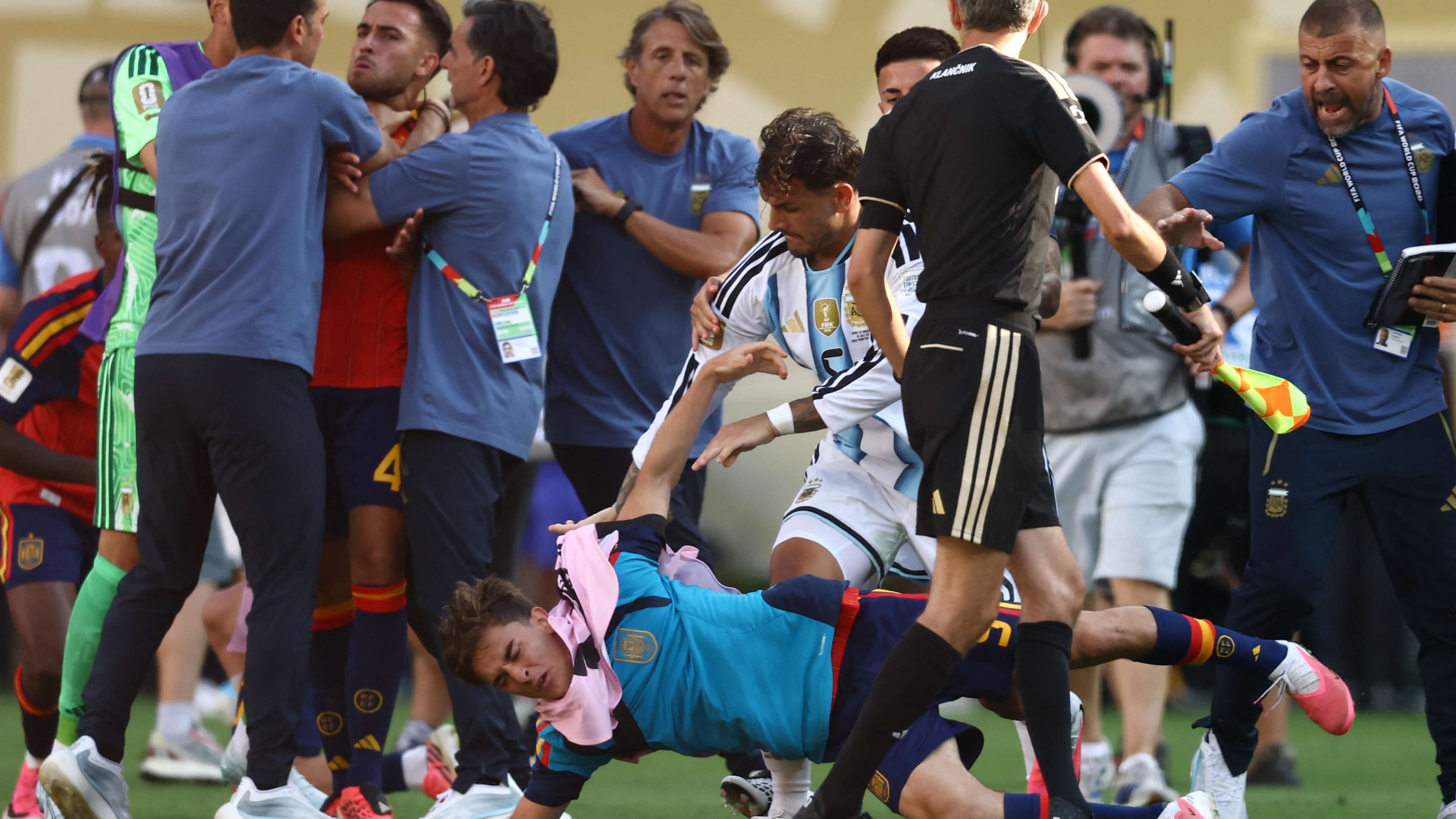
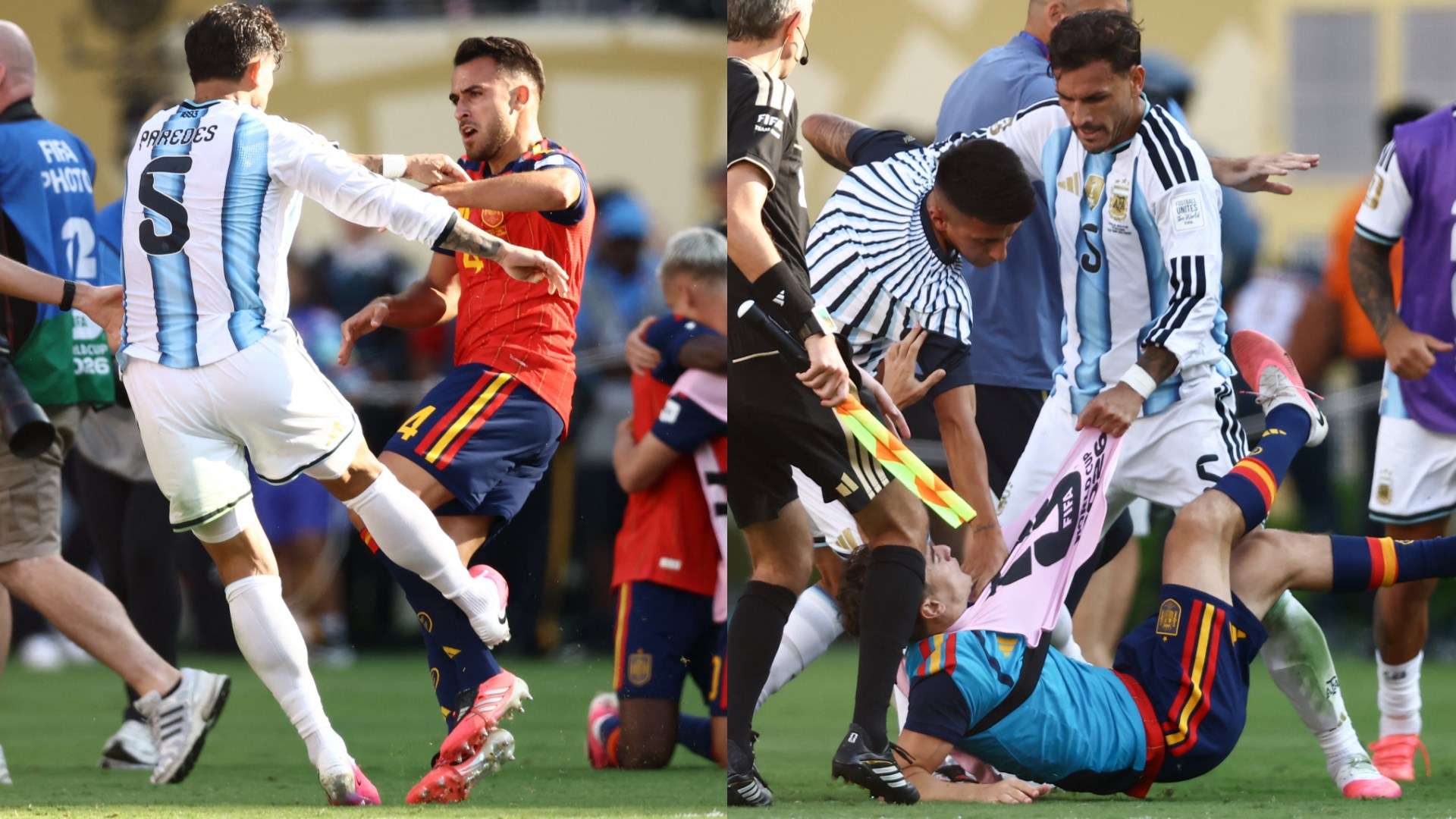
Several flashpoints occurred as the match concluded. Enzo Fernández was sent off for two bookings in the final stages of normal time, while defender Nahuel Molina struck Spain midfielder Rodri in the chest while running past him. Argentina assistant coach Roberto Ayala clashed with Spain winger Dani Olmo in another confrontation. Midfielder Leandro Paredes appeared to have received a dismissal for grabbing Spain defender Eric Garcia by the neck, though FIFA later removed that red card from official records.
The investigation carries serious consequences for the Argentine Football Association, which already faces potential financial penalties. Individual players could receive match bans or fines, while coaching staff members may face similar discipline. This marks another chapter in a tournament that has seen multiple controversies, with FIFA also assessing reports from Argentina's semi-final against England regarding issues surrounding the Falkland Islands dispute.
The FIFA Disciplinary Committee will release further details once the prosecutor completes their report. The case underscores ongoing tensions in international football governance and the governing body's mandate to maintain standards of conduct beyond the final whistle.