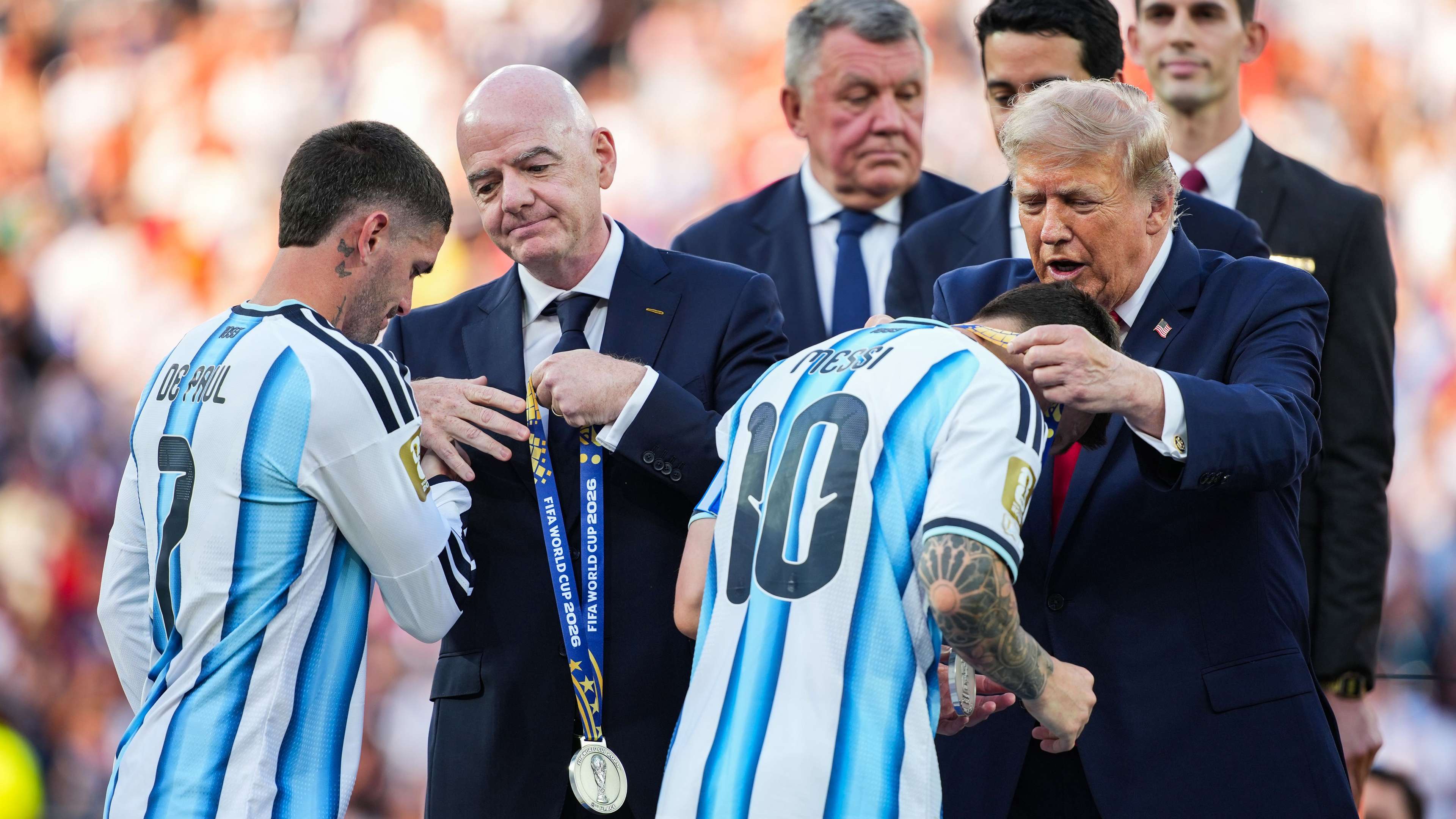
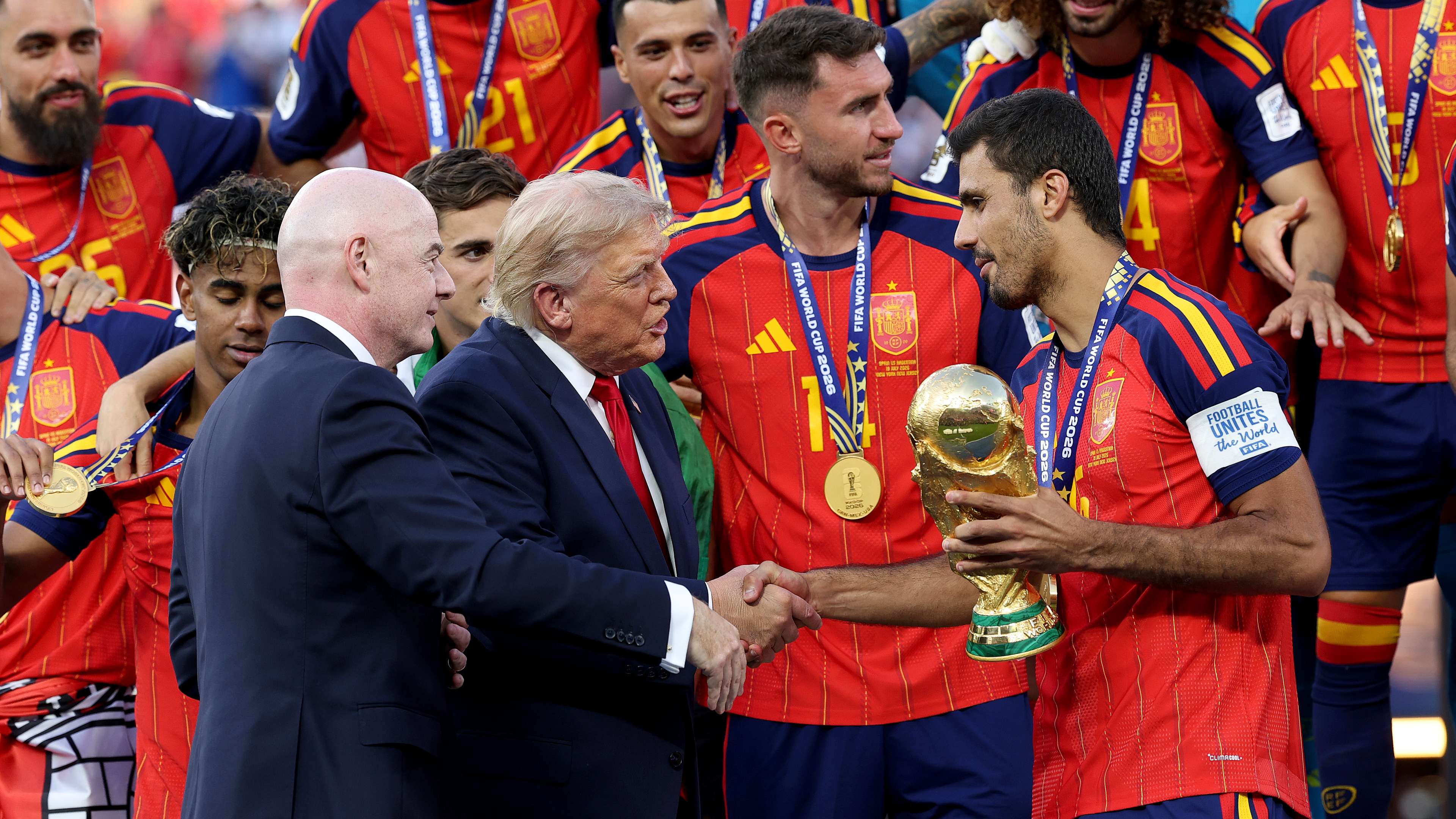
Spain's historic World Cup triumph showcased world-class football at its finest, yet the 2026 tournament revealed deep cracks in FIFA's governance. While players delivered unforgettable moments on the pitch, political interference and commercial decisions sparked fierce criticism about the sport's administrative integrity.
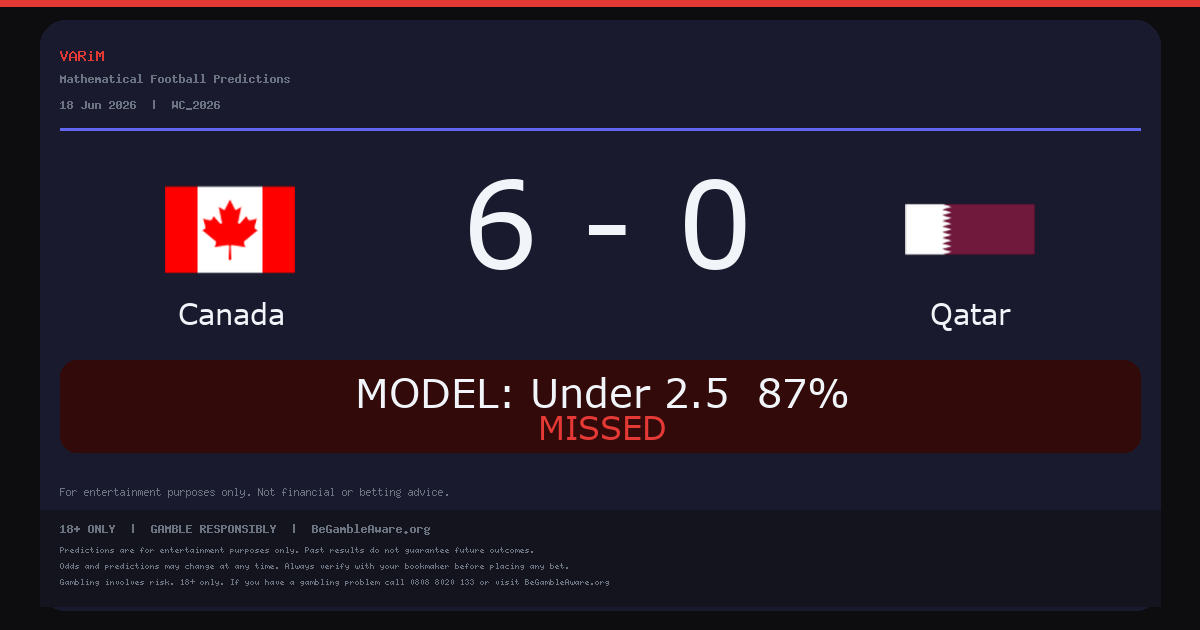
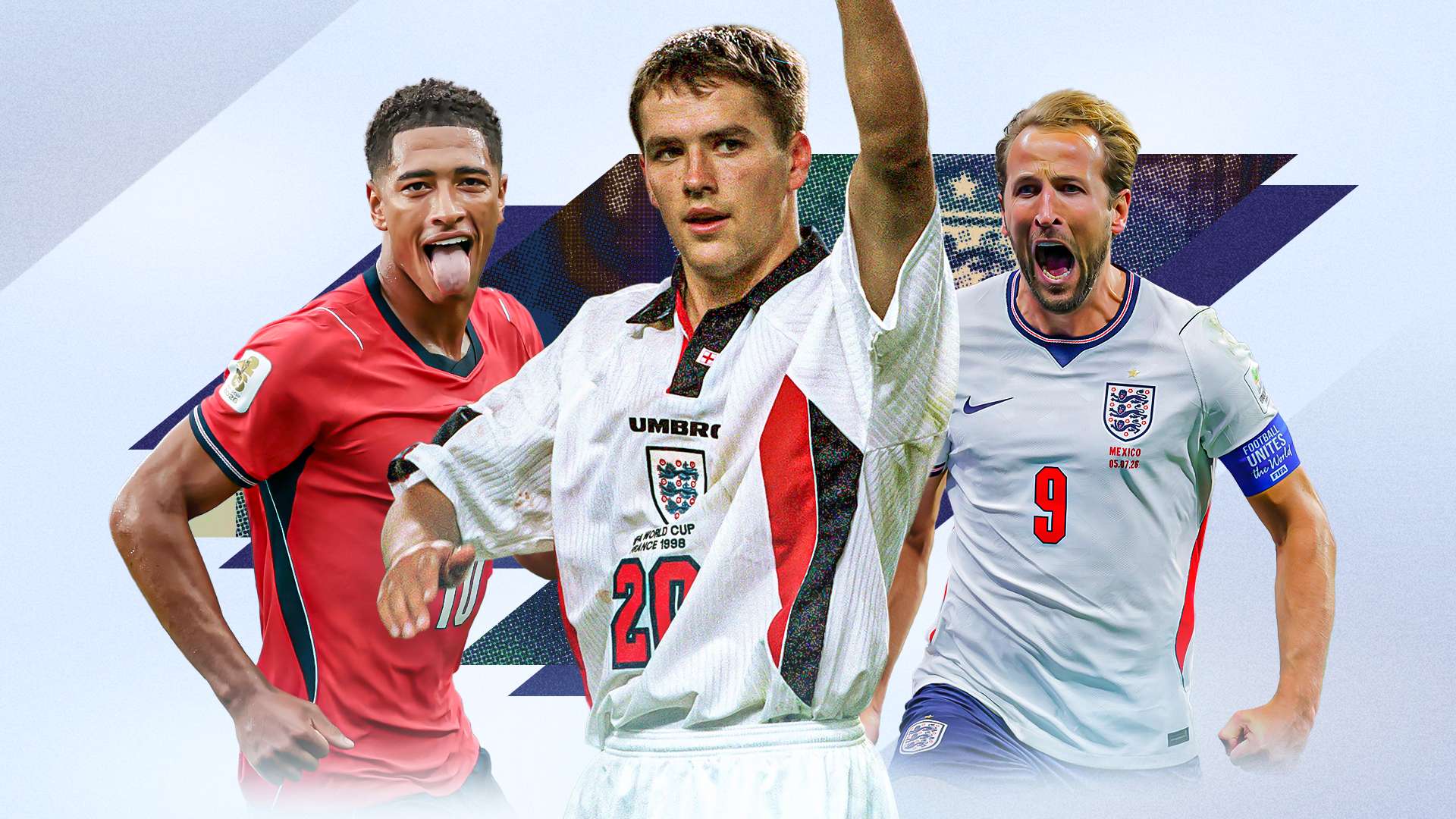
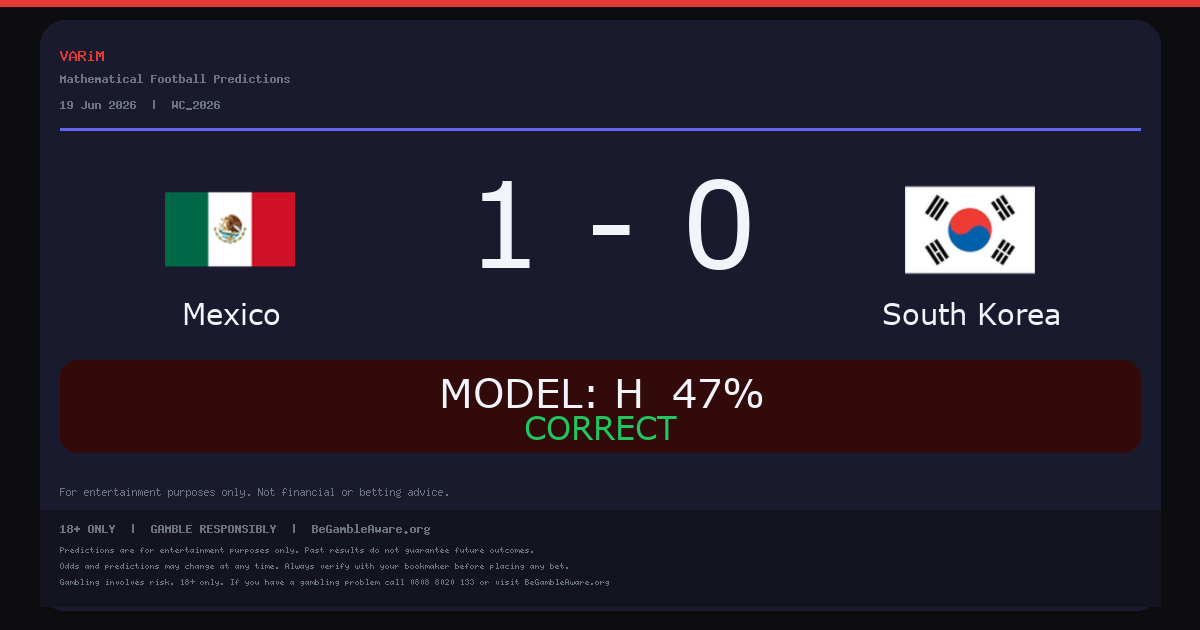
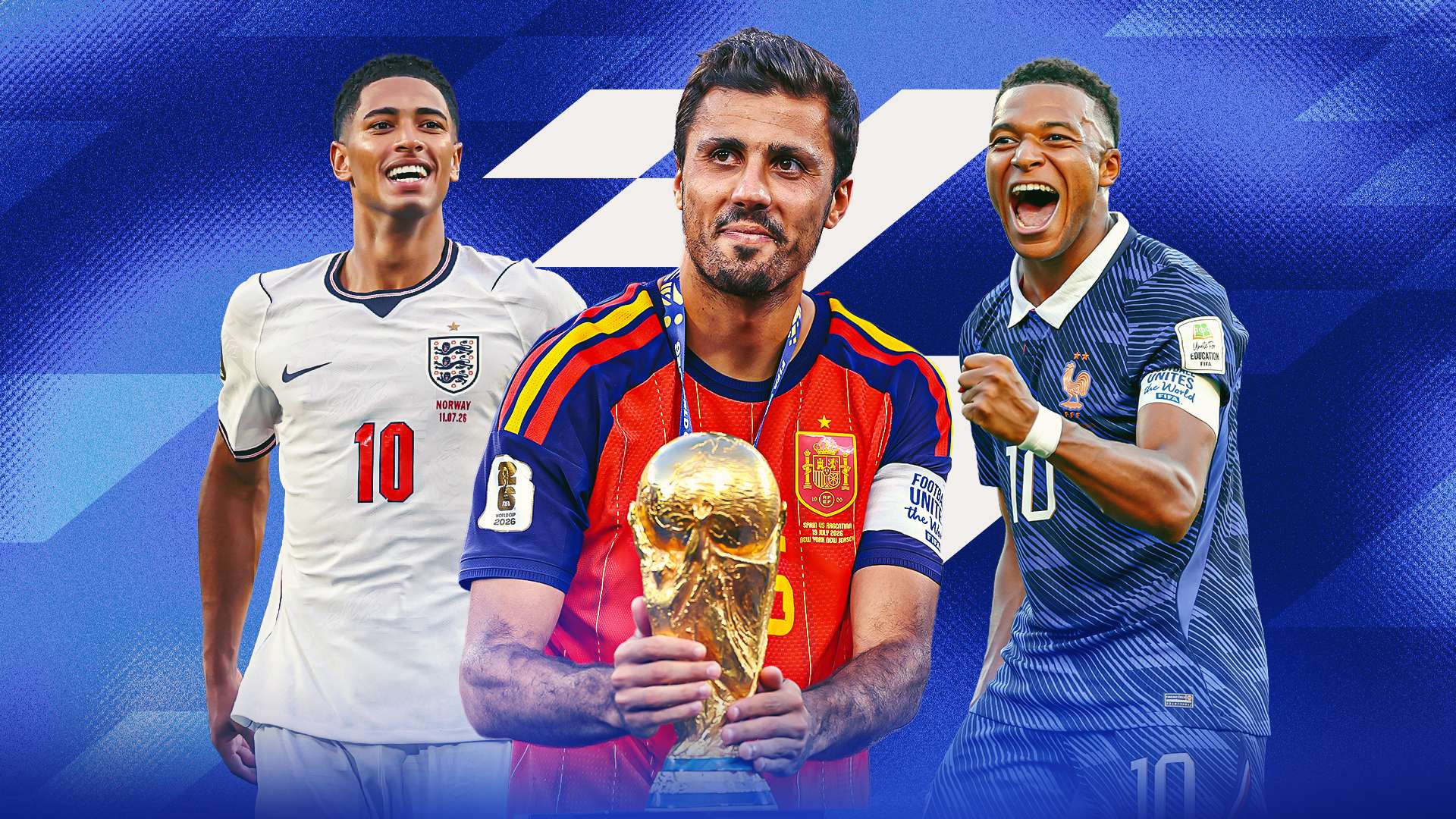
The footballing spectacle itself deserved celebration. Kylian Mbappé claimed the Golden Boot, edging out Lionel Messi and Jude Bellingham in a star-studded competition where elite talent converged like an awards ceremony. Spain became the first nation ever to hold both the men's and women's World Cups simultaneously, cementing their status as global football royalty. The tournament produced emerging narratives: Canada secured their first knockout victory, Mexico pushed England in what many considered the tournament's best match, and the United States won three matches for the first time, scoring 11 goals—their highest tally in World Cup history.
Political Overreach Tarnishes Tournament
Yet behind these achievements loomed troubling governance issues. President Donald Trump and the American government intervened to help the United States Soccer Federation clear attacking midfielder Folarin Balogun to play, bypassing an automatic suspension. This extraordinary political interference exposed how major nations can circumvent FIFA's disciplinary processes, raising fundamental questions about fairness and the sport's independence from state power.
Commercial concerns equally undermined the tournament's credibility. FIFA introduced mandatory match stoppages for the first time, allowing advertisements during play and fracturing the beautiful game's cherished fluidity. Ticket pricing drew widespread anger, while video technology reviews lacked transparency, leaving observers uncertain about the legitimacy of critical decisions. Water breaks in enclosed venues added another layer of controversy, viewed by many as unnecessary interruptions driven by broadcast scheduling rather than player welfare.
Spectacle Versus Systemic Problems
The contrasts were stark. Americans in Seattle erupted in celebration after victories, singing country songs with their team in scenes that defined a generational moment for United States football. Yet these emotional triumphs existed separately from FIFA's administrative failures. The tournament forced fans and analysts onto an uncomfortable spectrum between naivety and cynicism, oscillating between pure footballing joy and systemic dismay.
FIFA's marked lack of transparency—from video technology legitimacy to how serving heads of state influence player eligibility—left an undeniable stain on what should be sport's purest celebration. As the football world reflects on Spain's deserved championship and the stellar performances across all major nations, one question persists: can FIFA reform its governance before the next tournament, or will commercial interests and political interference continue eroding the World Cup's credibility?