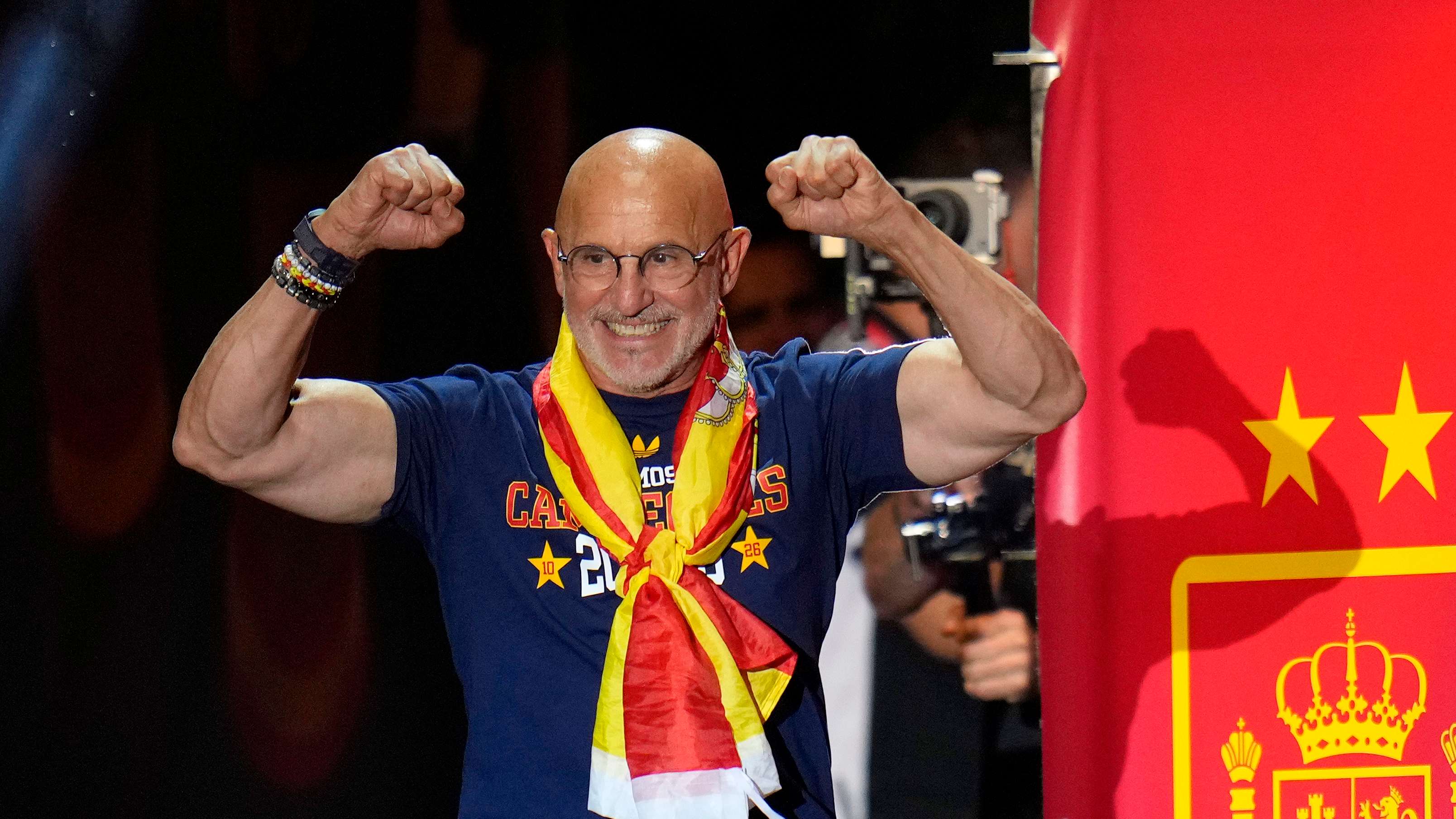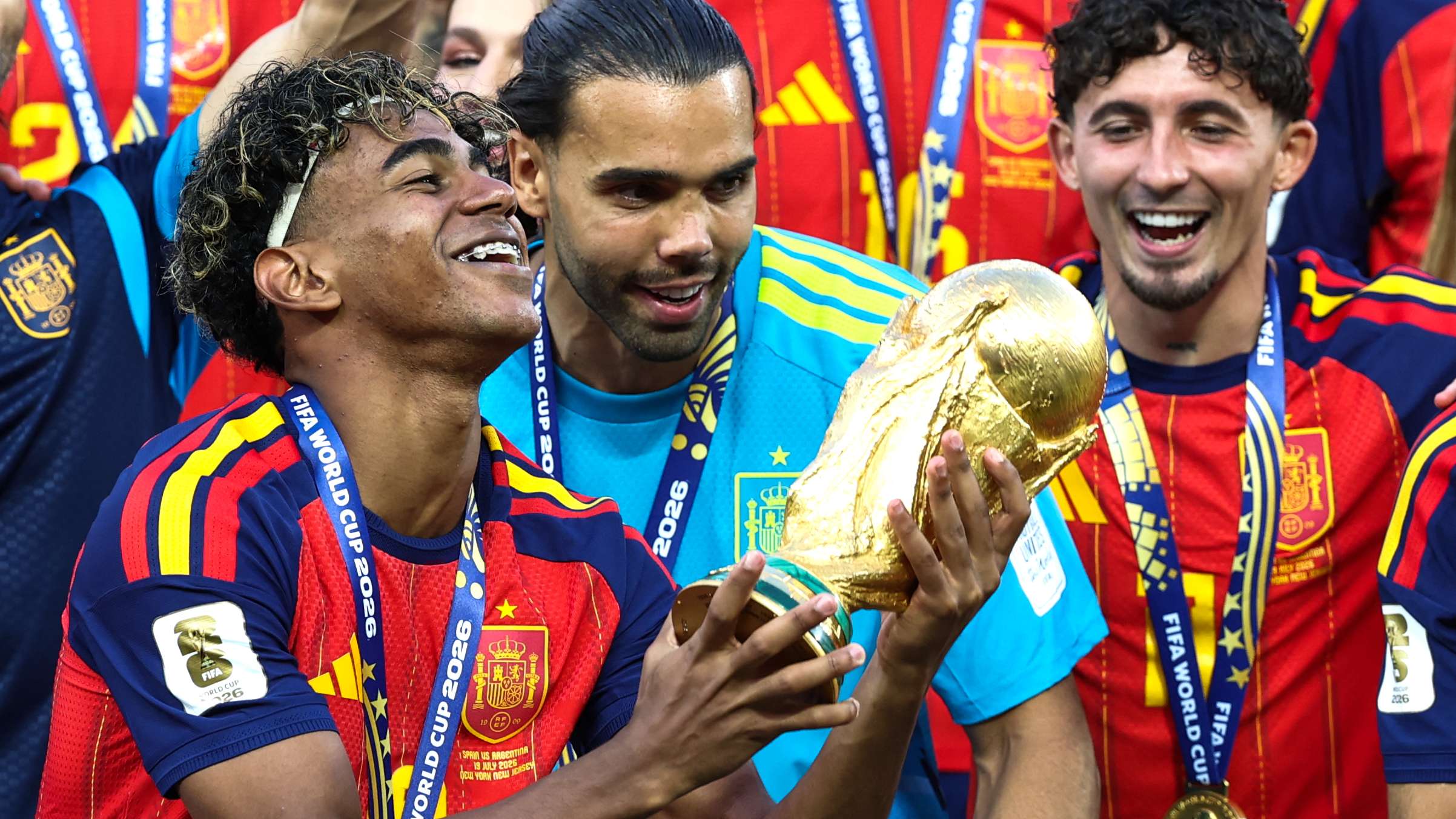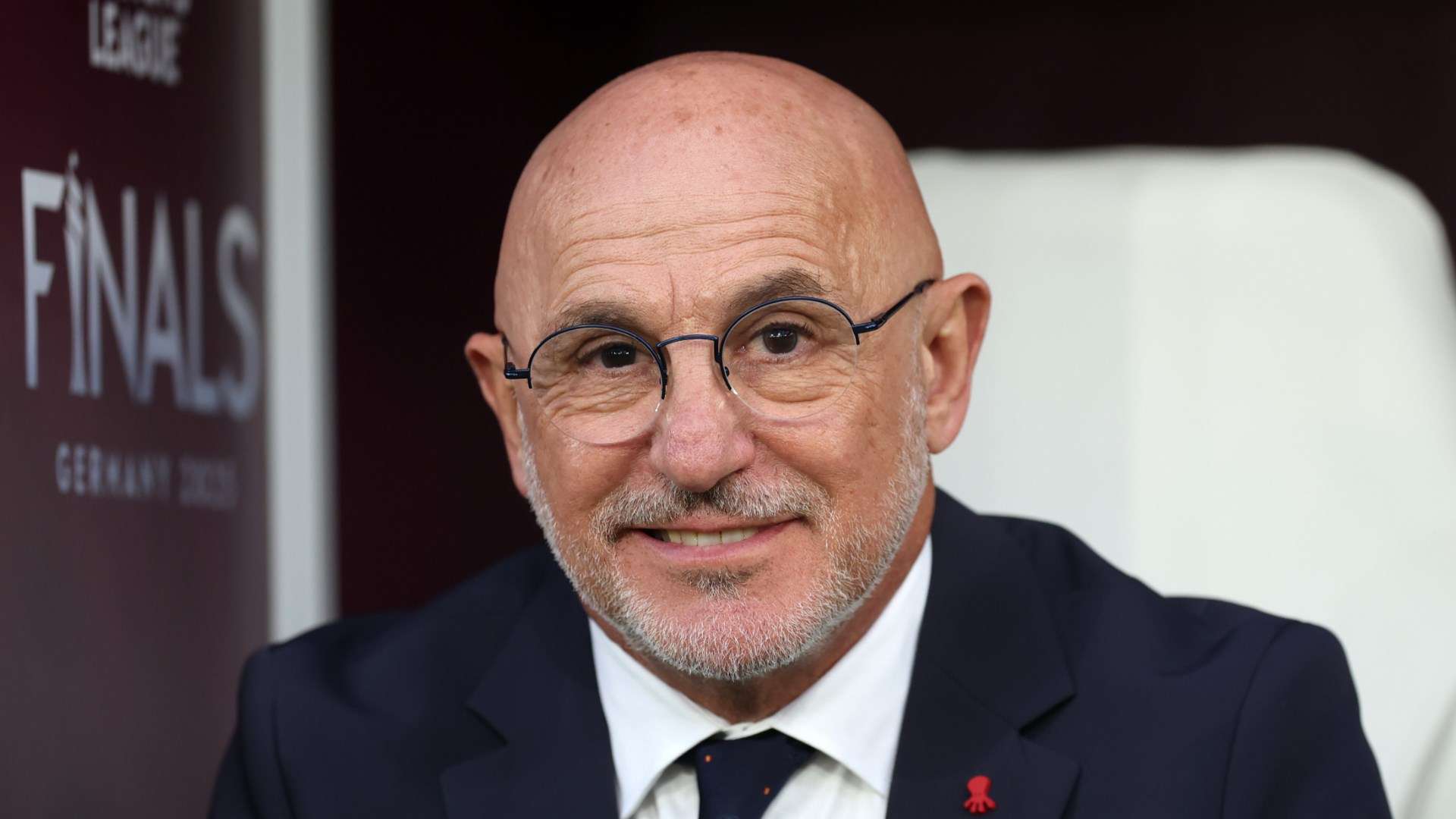

Spain have cemented themselves as the dominant force in international football after winning the 2026 World Cup, adding to their Euro 2024 triumph. With Lamine Yamal and a core group of world-class players entering their peak years, the Spanish national team appears positioned to challenge for major tournaments throughout the remainder of this decade.
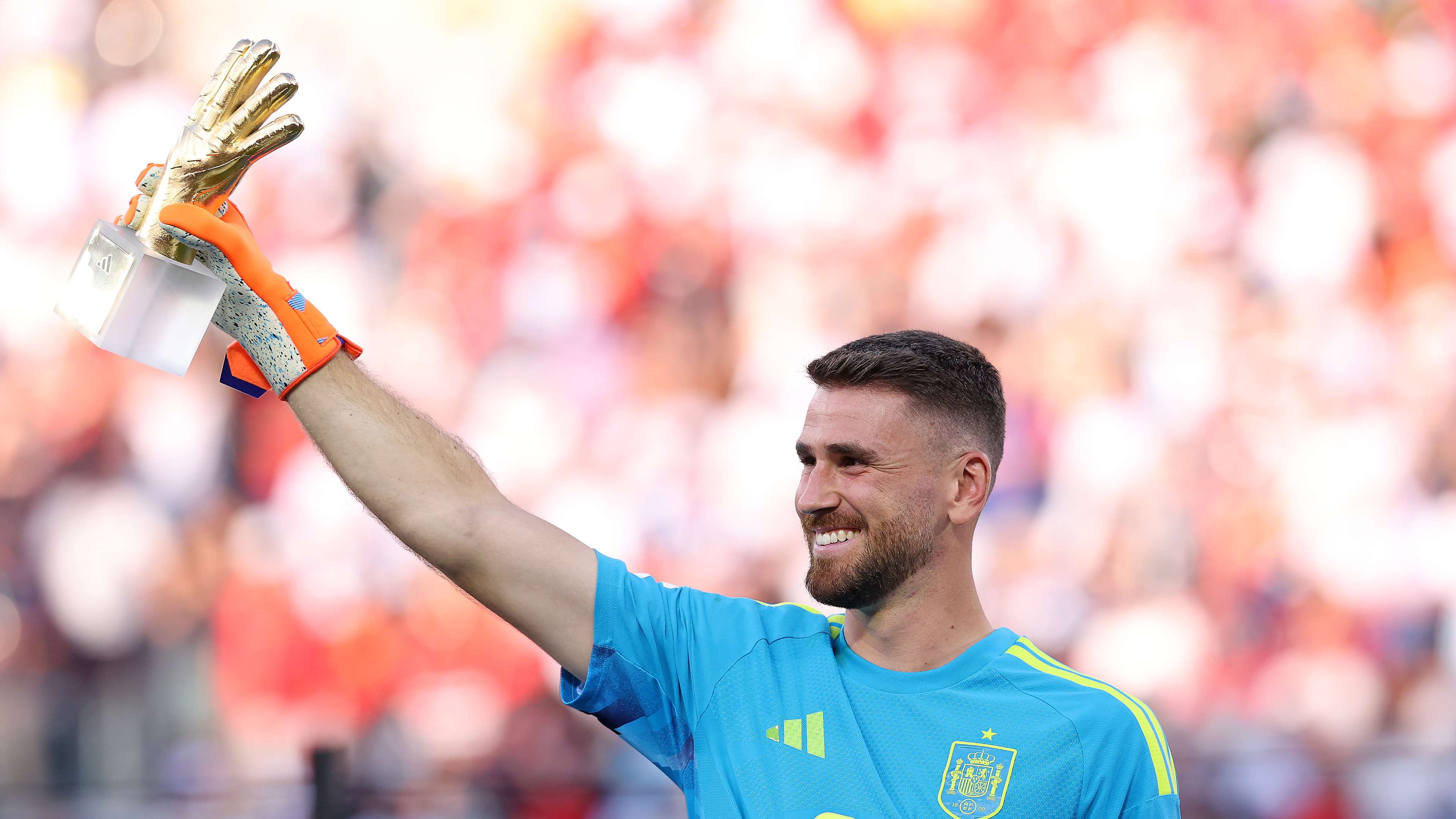
The blueprint for Spain's success is their suffocating ball possession and defensive control. Unai Simon won the Golden Glove after keeping seven clean sheets in eight tournament appearances—a remarkable defensive achievement that underscores just how little Spain's opponents managed to threaten. Across the entire World Cup, Spain conceded only 10 shots on target, a statistic that illustrates the methodical way Luis de la Fuente's side dismantled every opponent. As former England goalkeeper Joe Hart noted, "No one laid a glove on Spain. They have got a way of playing that no one in the world has proven they can get anywhere near."
A System That Transcends Individual Talent
What sets Spain apart from other elite international sides is their philosophical consistency. Even when key players like Yamal and fellow winger Nico Williams operated below full fitness during the group stage, Spain's system remained impervious. Pedri underperformed at times, yet the side never wavered. Former Manchester United manager Ralf Rangnick observed after Austria's 3-0 elimination: "There's really not much left for them to improve. They are a perfect clockwork."
Spain's dominance extended through knockout football. They overcame Portugal in a thrilling last-16 clash, with Mikel Merino striking in injury time. Belgium fell 2-1 in the quarter-finals, and France—despite their world-class attacking options—were neutralized in the semi-final. The margins of victory underscore Spain's tactical superiority: opponents simply could not generate sustained pressure because possession rarely left Spanish feet.
Youth Development Meets Tournament Experience
The timing of Spain's emergence is crucial. Players like Yamal, Williams, and Pau Cubarsi are still in their early twenties, meaning this squad will likely remain competitive for years. Spain's youth development system has long emphasized technical mastery and positional discipline from childhood—a fact highlighted by Thierry Henry, who marveled at how Spanish players "know what they need to do since they were nine years of age." This systemic approach means that regardless of personnel changes, Spain's tactical identity remains intact.
The question now becomes not whether Spain can win trophies, but how many they will claim before this cycle concludes. With Euro 2028 approaching and regular World Cup qualifications ahead, expect Spain to remain favorites in virtually every competition they enter. Their blend of experience, emerging talent, and a cohesive system that has proven impossible to crack suggests that European and world football may be facing a period of Spanish supremacy.