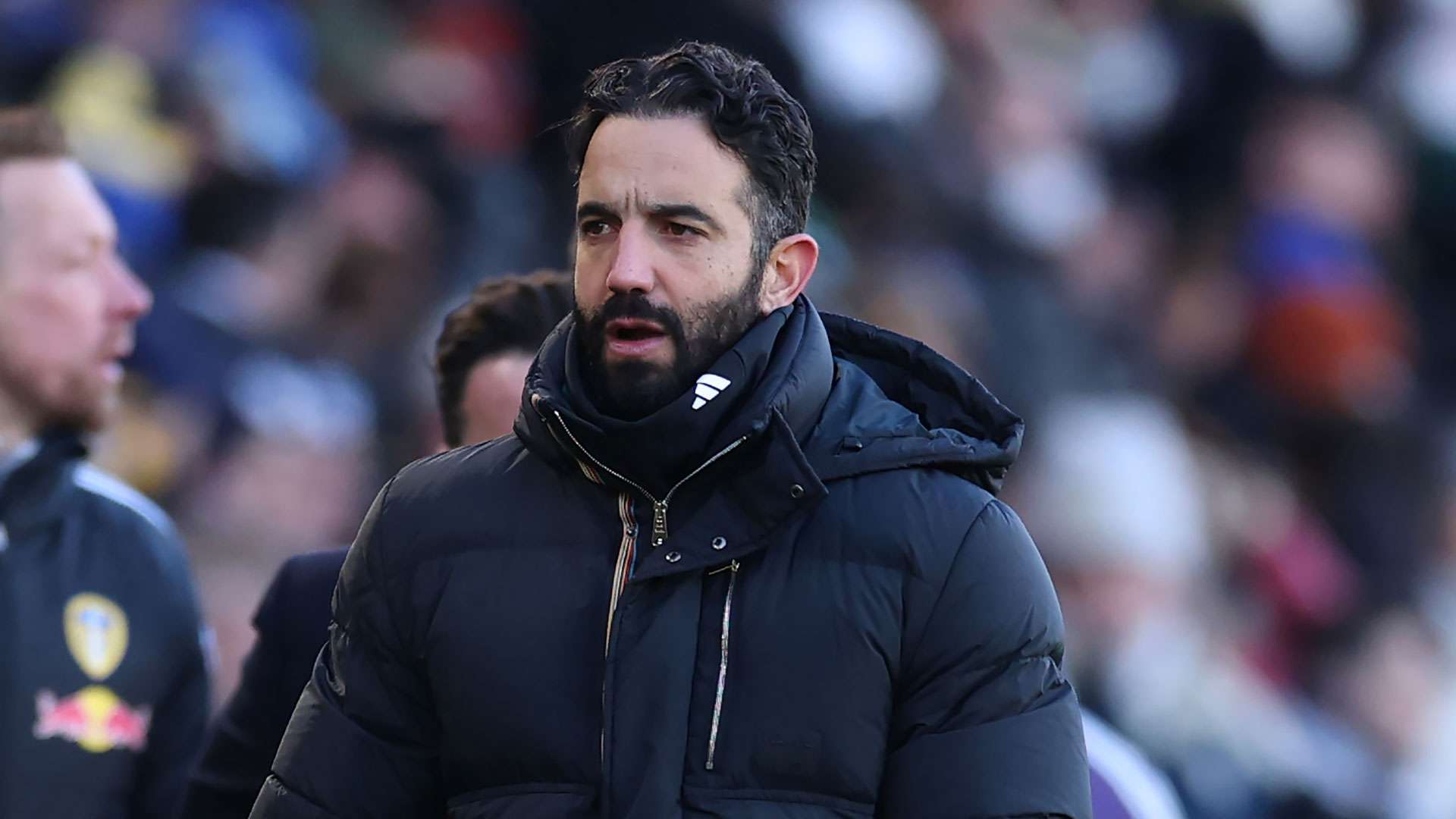
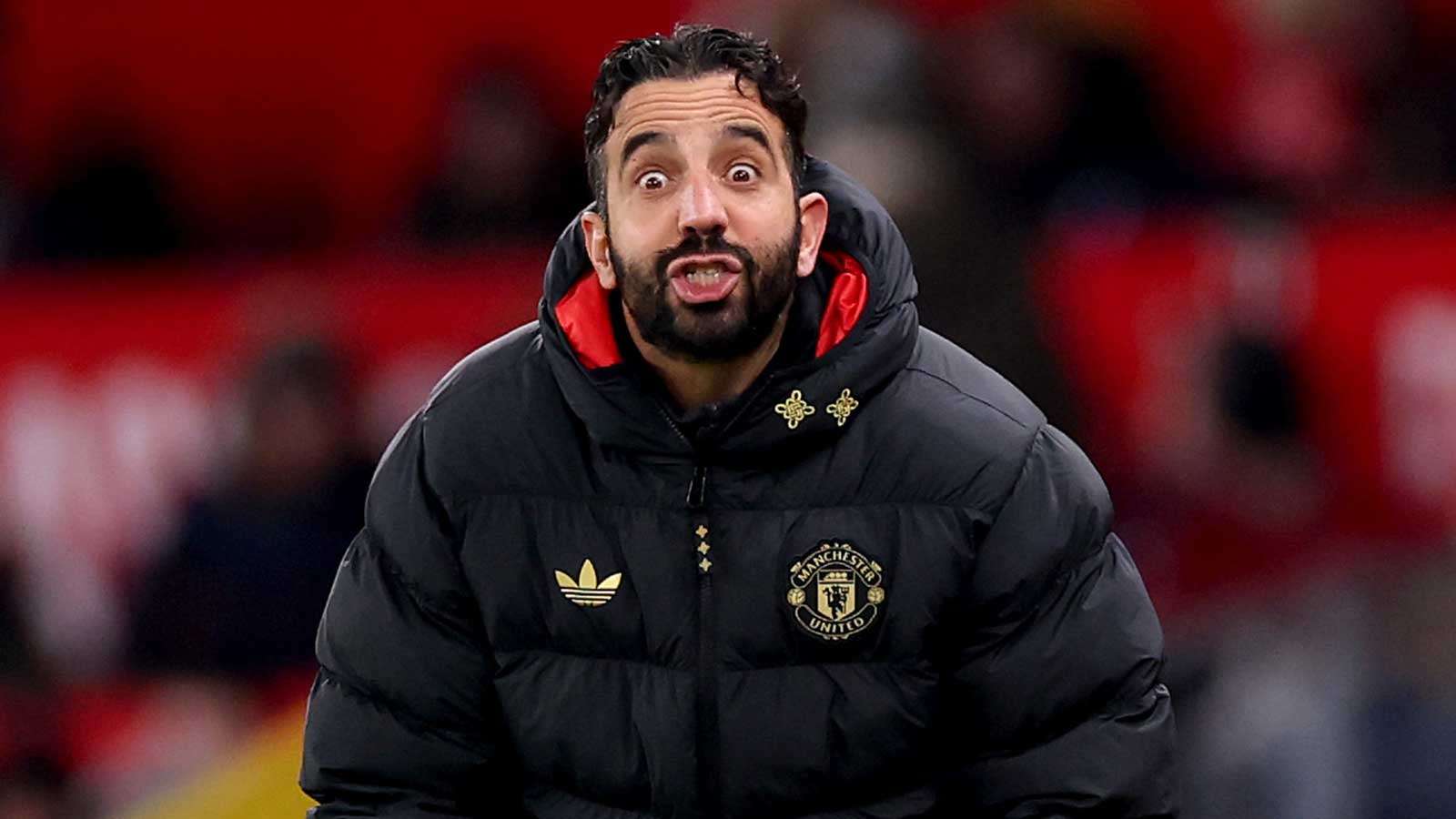
Manchester United has disclosed that dismissing Ruben Amorim and his backroom staff in January cost the club £16.7 million, according to quarterly financial results released this week. The Portuguese manager's departure, despite having 18 months remaining on his contract, represents another significant financial setback for the Premier League club following similar expensive exits in recent years.
This latest managerial payout adds to a troubling pattern of costly decisions at Old Trafford. Just over a year prior, Manchester United paid £14.5 million to terminate Erik ten Hag and his coaching staff. The recurring expense of high-profile sackings has become a concerning drain on the club's resources, highlighting the financial risks associated with managerial instability.
Carrick's Turnaround Vindicates Board Decision
The decision to replace Amorim with Michael Carrick has proven immediately successful on the pitch. The former United midfielder has engineered a remarkable revival, guiding the team from 15th place to a third-place finish in the Premier League. This dramatic turnaround has secured Champions League qualification and delivered substantial financial rewards to the club.
Carrick's impressive record stands at 12 wins from 17 games, demonstrating the quality of his managerial performance. Chief executive Omar Berrada praised the transformation, stating the club feels "very positive about the club's progress this season." The third-place finish has triggered a 57.1 per cent surge in broadcast revenue to £64.9 million for the quarter ending March 31, largely driven by anticipated Champions League prize money.
Revenue Streams and Sponsorship Adjustments
While broadcast revenues have soared, sponsorship income declined 9.4 per cent to £38.5 million following the expiration of the club's training kit deal with Tezos. The club has moved swiftly to address this shortfall by securing a record-breaking £20 million-per-year agreement with Betway for training apparel sponsorship, substantially offsetting the previous loss.
Beyond the men's team, Manchester United has highlighted progress across the broader club structure. The women's team reached the Women's Champions League quarter-final and the League Cup final, while the academy achieved significant milestones by reaching both FA Youth Cup and Premier League 2 play-off finals. These developments underscore the club's commitment to long-term player development and competitive success across multiple levels.
With Carrick now confirmed as permanent head coach and financial resources strengthened by new sponsorship deals, Manchester United are positioned to support their manager in the summer transfer window and mount a credible challenge in next season's Champions League.