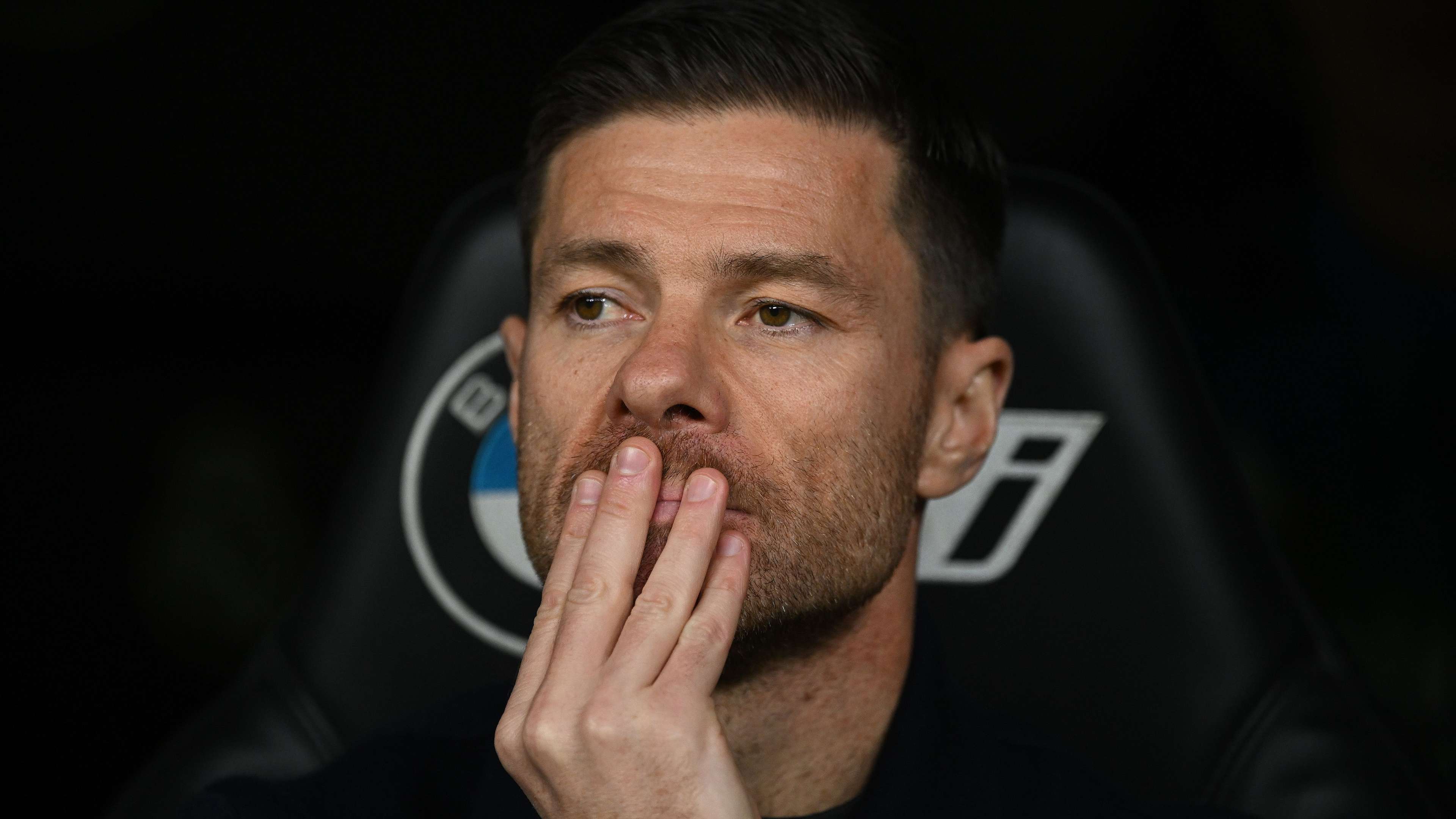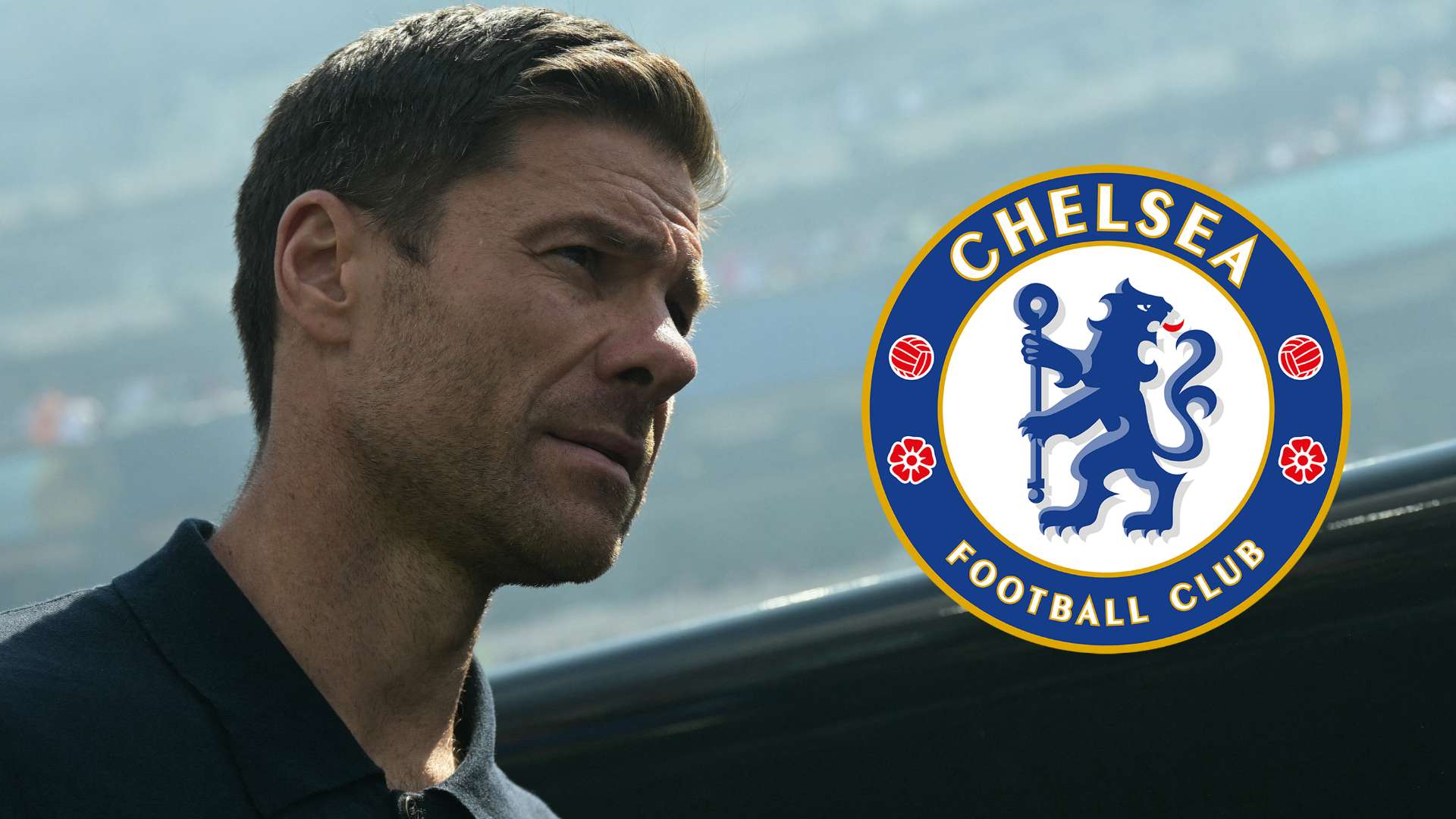
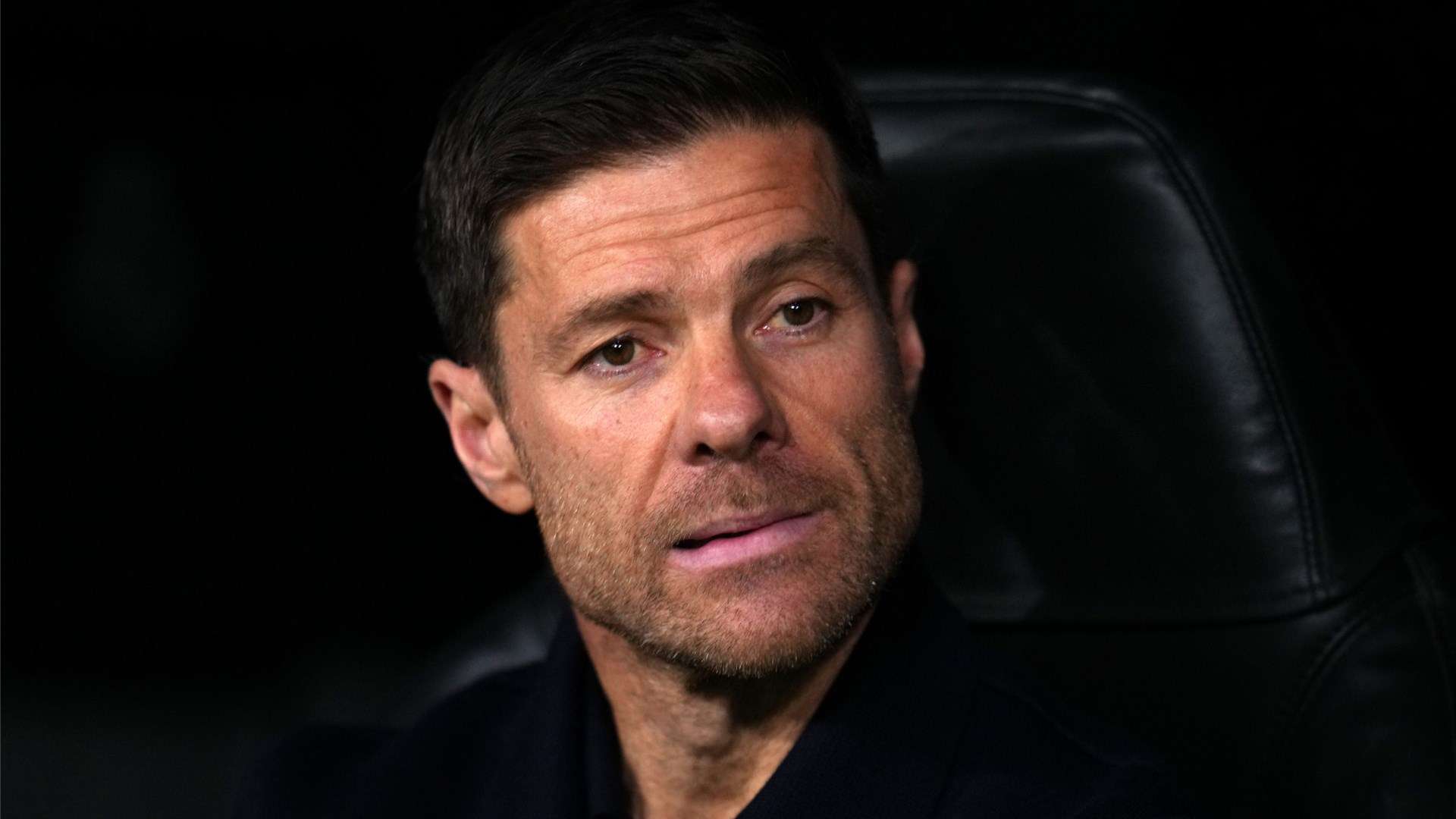
Xabi Alonso has accepted the Chelsea manager role on a four-year contract through 2030, marking a surprising career move just months after his turbulent departure from Real Madrid. The 44-year-old Spanish tactician will inherit a club in flux, raising questions about whether he is equipped to navigate another institutional crisis or if he possesses the gravitas to succeed where recent predecessors have failed.
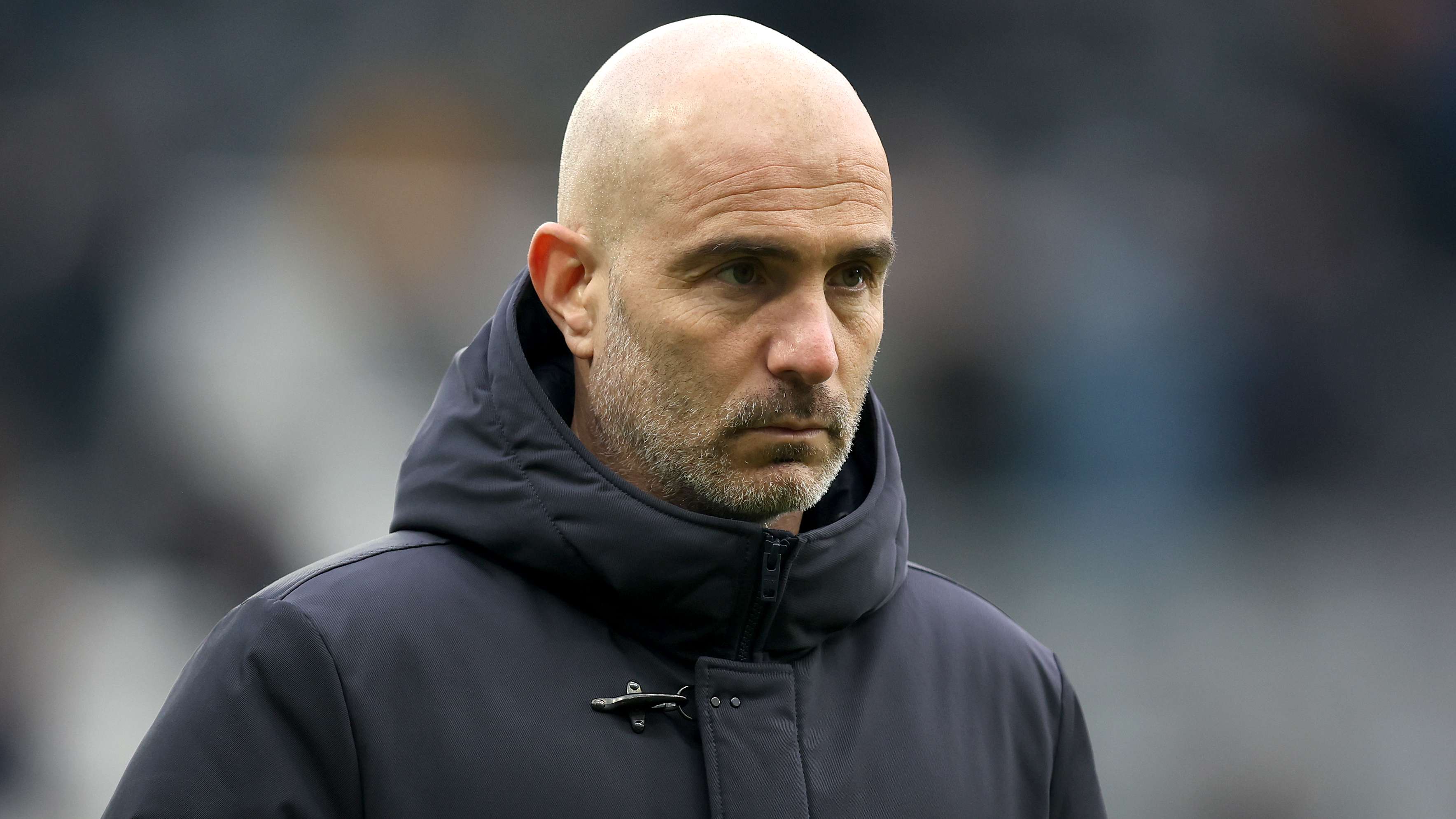
Chelsea's official announcement carries a significant detail: Alonso holds the title "Manager" rather than "Head Coach"—the designation given to Enzo Maresca and Liam Rosenior. This distinction grants him substantial control over squad selection and transfer strategy, positioning him to shape the club's long-term trajectory. BlueCo, the consortium that acquired Chelsea in 2022, appears willing to grant Alonso the patience and authority that eluded his immediate predecessors, signalling a strategic shift toward building sustainable success rather than chasing quick fixes.
The Pattern of Managerial Instability
Maresca arrived in summer 2024 to considerable optimism after guiding Chelsea to fourth place and winning the Club World Cup. Yet despite keeping the team competitive in fifth place when departing, he was removed after just four months. Rosenior followed in early January, promoted from fellow BlueCo-owned Racing Strasbourg in France. His reign proved even shorter—a mere three and a half months—ending in April following seven defeats in eight matches. Reports suggested Rosenior struggled to command authority in the dressing room, with senior players openly questioning his methods. Chelsea has cycled through three managers in less than a year, a chaotic pattern that typically undermines any coherent footballing project.
Alonso's recent history at Real Madrid presents a troubling parallel. After winning the Bundesliga title with Bayer Leverkusen in 2024, he was appointed to Los Blancos last summer with considerable fanfare. However, his tenure lasted just over six months before his dismissal. Reports alleged that his tactical approach alienated key players including Vinicius Junior and Jude Bellingham. Rather than responding to his instructions, some squad members appeared disengaged, with Alonso reportedly describing the squad as a "nursery" due to constant infighting. The fundamental issue was not tactical acumen but rather a breakdown in player relations—the same vulnerability that claimed Rosenior at Chelsea.
Can Alonso Command Respect at Stamford Bridge?
Chelsea's gamble rests on Alonso's enhanced reputation offsetting the institutional dysfunction plaguing the club. His playing pedigree at Real Madrid and Liverpool, combined with his Leverkusen achievement, carries weight that younger or less decorated managers lack. The question remains whether managerial stature alone can override a club culture fractured by repeated upheaval. Alonso must immediately establish clear hierarchies, rebuild fractured relationships with established stars, and implement a coherent style without alienating the squad through demanding methods.
Success will require both tactical flexibility and emotional intelligence—qualities that proved elusive during his Real Madrid spell. With Chelsea's next season approaching and the club desperate to return to sustained title contention, Alonso faces perhaps his most consequential test yet.