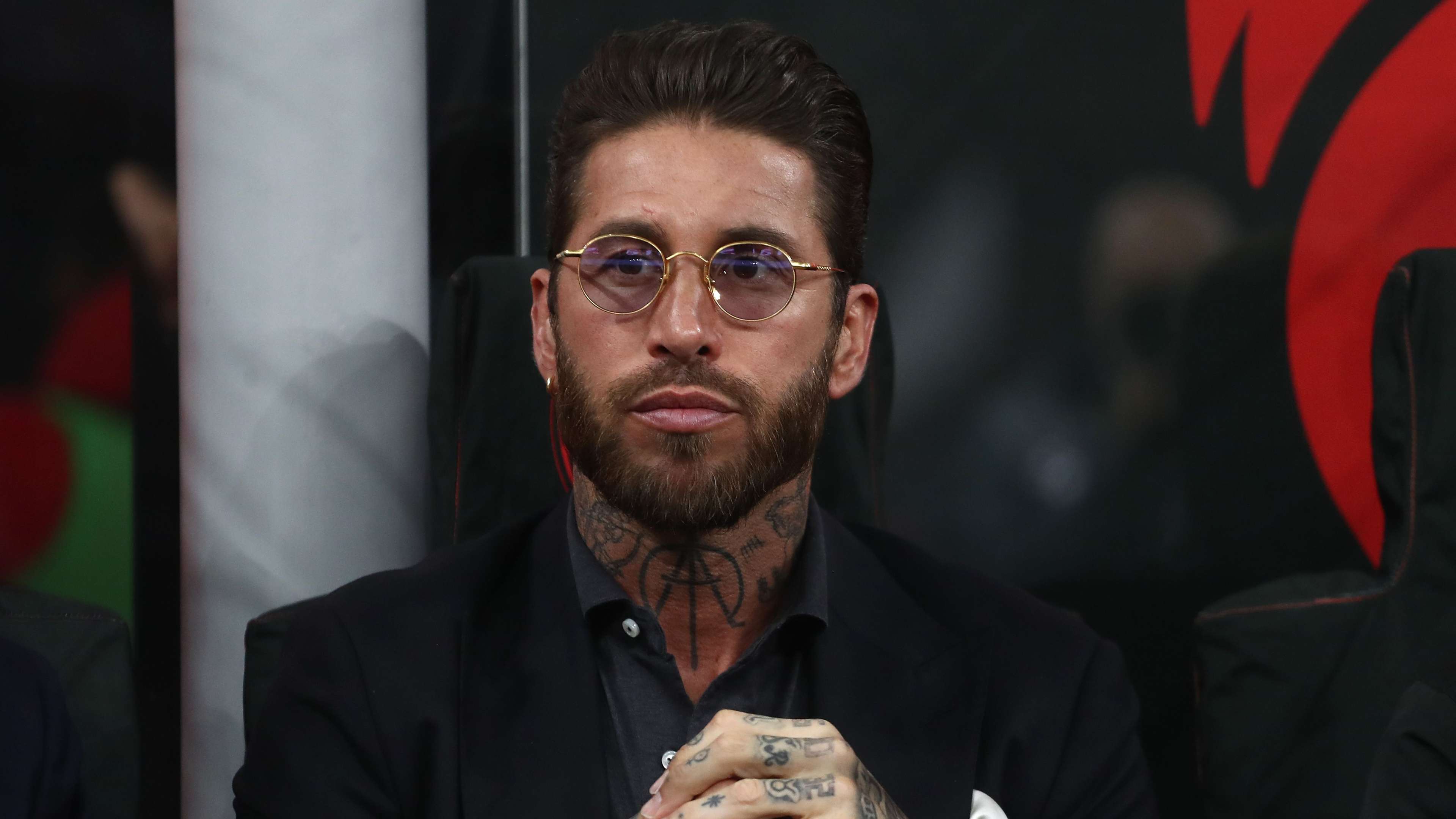
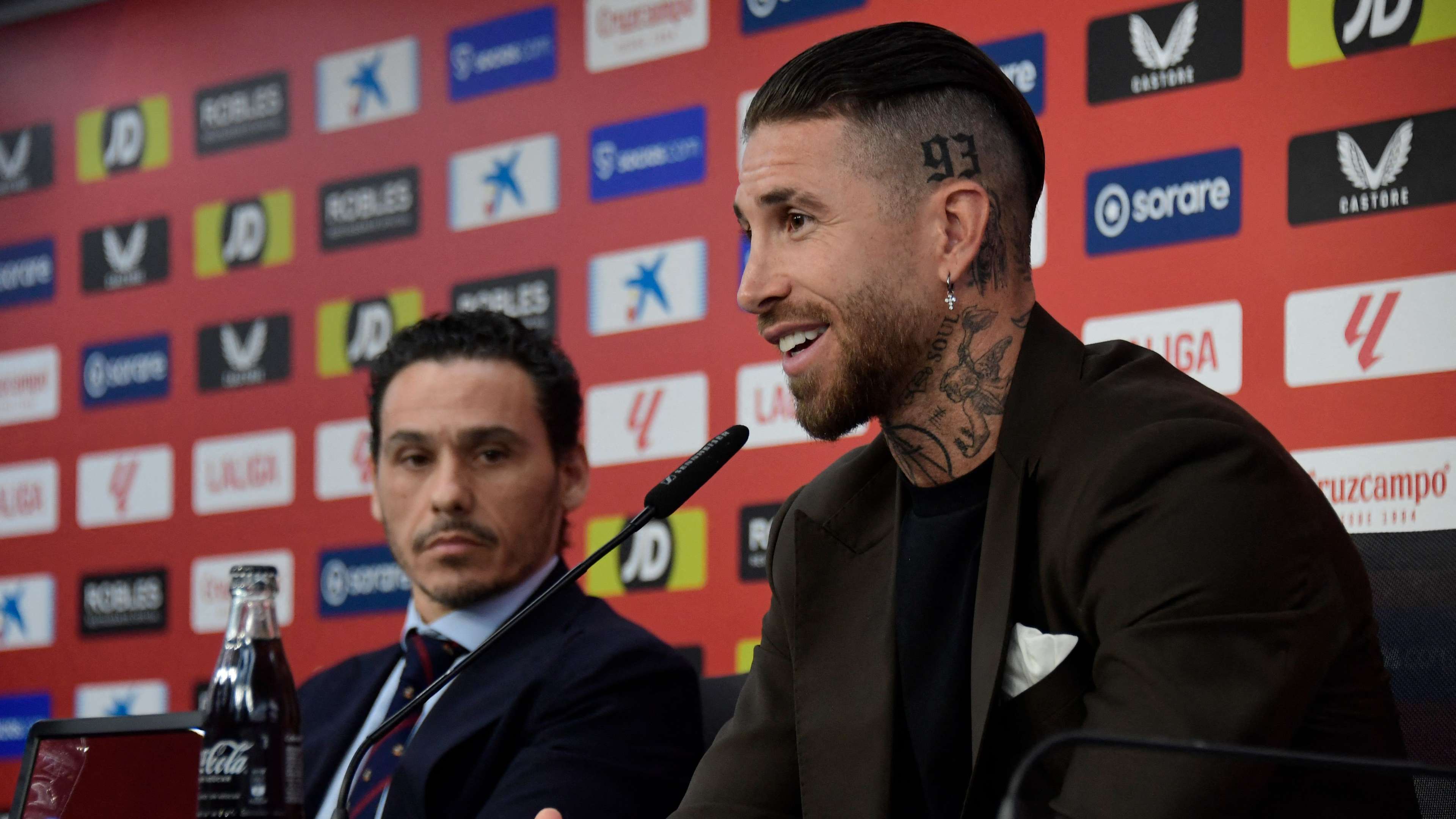
Sergio Ramos' ambitious bid to acquire Sevilla has dramatically unraveled after the Real Madrid and Spain legend drastically reduced his financial proposal, forcing the club's current owners to terminate negotiations on Wednesday. What began as a landmark deal just weeks ago has transformed into a cautionary tale of failed investment strategy, leaving the Andalusian club scrambling to find alternative funding.
From €440m Agreement to €220m Collapse
The former defender and his investment consortium had secured a letter of intent valued at €440 million just fourteen days prior. The original structure appeared comprehensive: €80 million for capital injection, €290 million distributed to existing shareholders, with remaining funds allocated to eliminate the club's substantial debt burden. The selling party had even agreed to payment extensions and accepted responsibility for interim losses—a sign of genuine commitment that evaporated abruptly this week.
When negotiations reconvened, Ramos arrived with Roberto Alvarez, a respected sports lawyer representing a Mexican family co-leading the revised proposal. The new terms shocked the boardroom:
- Total valuation slashed to €220 million—exactly 50% of the original bid
- €120 million reserved for urgent capital increase, granting 42% controlling stake
- €100 million earmarked to purchase additional 18% from shareholders
- Remaining minority shares effectively rendered valueless
Strategic Miscalculation Triggers Immediate Rejection
The revised proposal contained a fatal flaw: deliberate vagueness regarding which specific shares would be purchased. This ambiguity telegraphed Ramos' true intention—launching a general public offering that would marginalize existing stakeholders. Remarkably, this downgraded bid fell below competing proposals the board had previously rejected outright, making the timing of this dramatic reduction particularly damaging to credibility.
The current ownership responded decisively by unilaterally terminating all discussions. After five months of intensive negotiations, Sevilla's leadership deemed the altered financial conditions incompatible with the club's long-term stability and shareholder interests. The collapse underscores the volatility of major sports ownership transitions and highlights how quickly boardroom relations can deteriorate when fundamental parameters shift mid-negotiation.
Despite this setback, Sevilla faces mounting pressure to complete a capital injection soon. Multiple investment groups have already signaled renewed interest in acquiring the La Liga club, positioning fresh talks as an urgent priority heading into 2025.