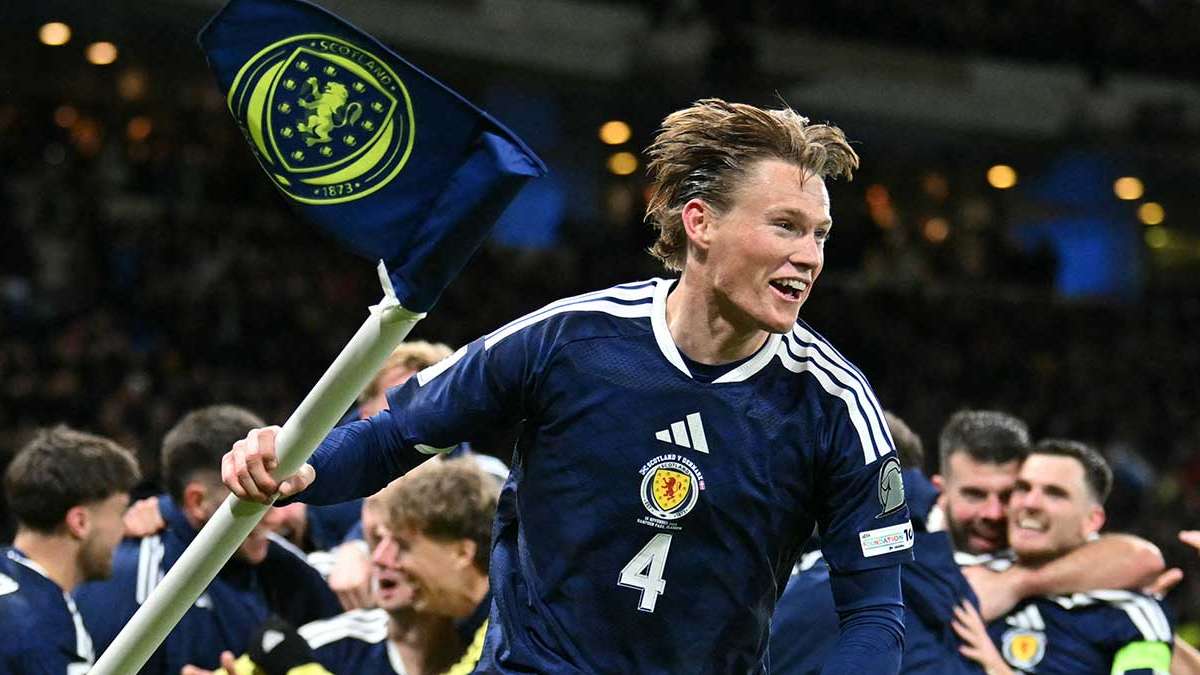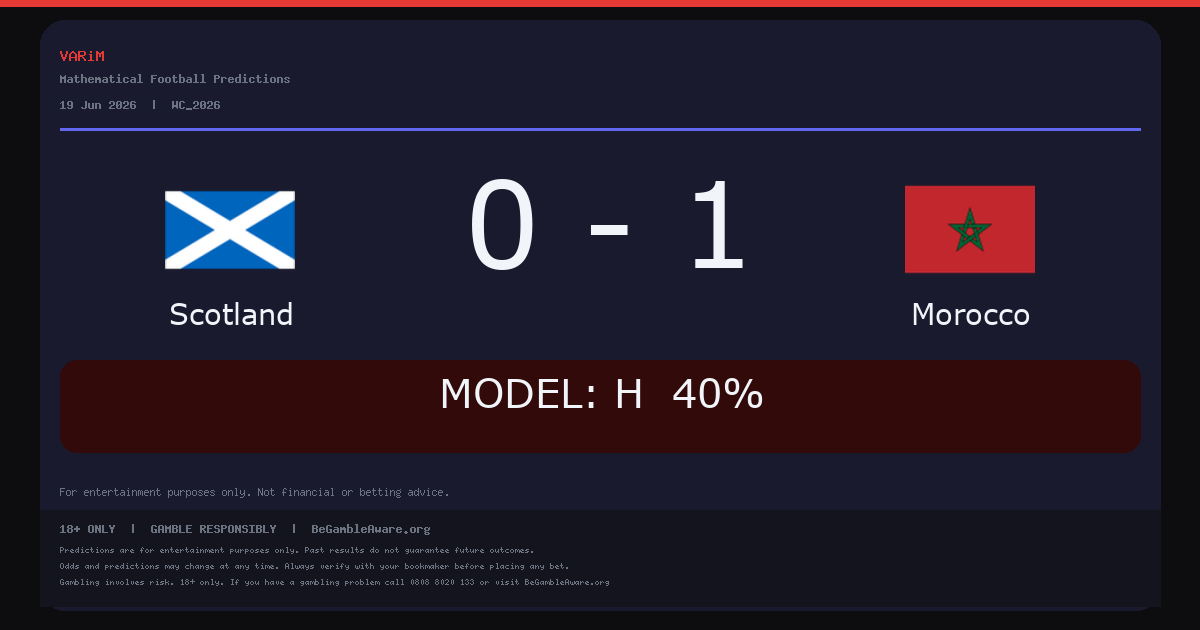
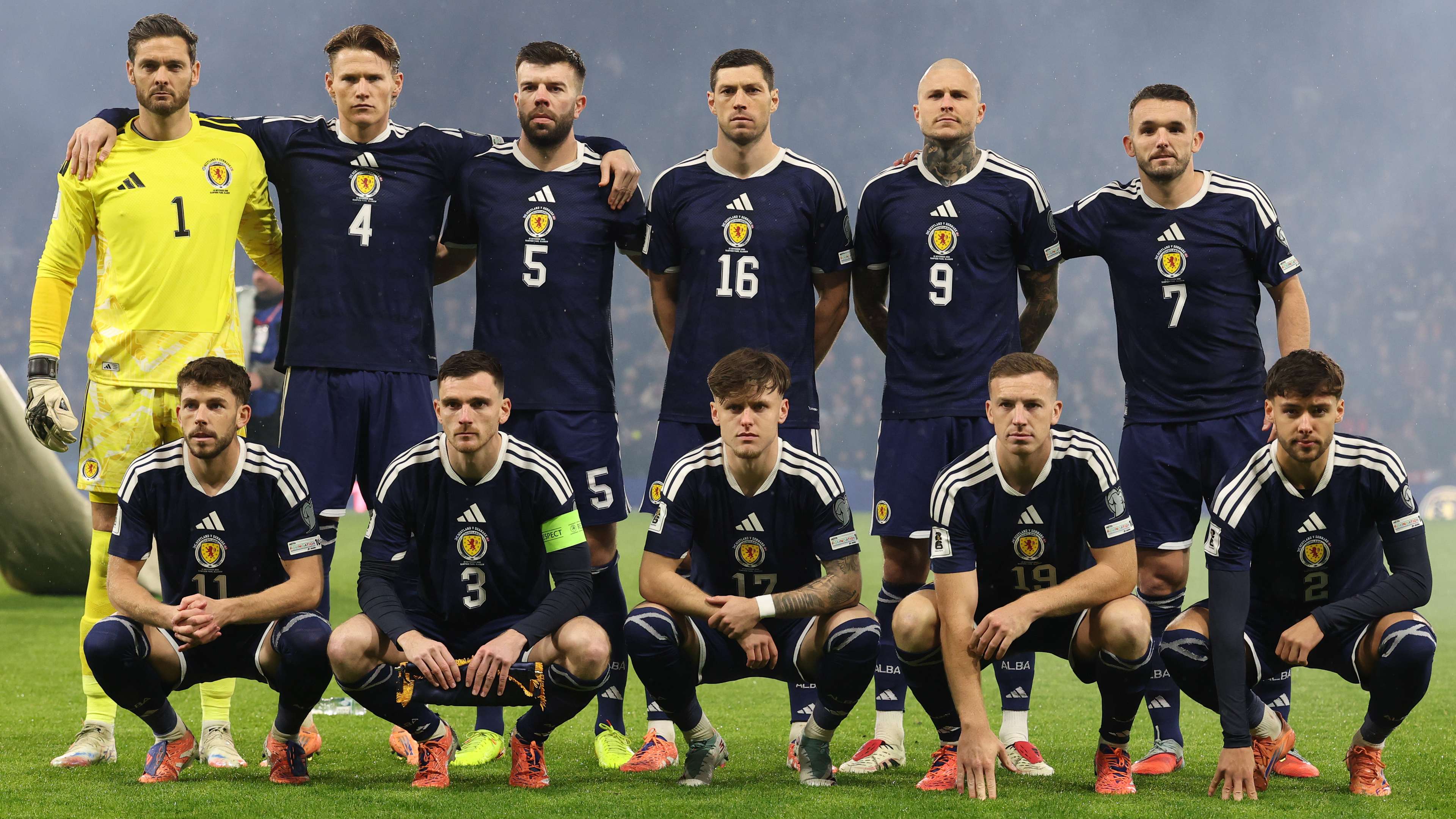
Scotland secured their place at the 2026 FIFA World Cup with a commanding 4-2 victory over Denmark at Hampden Park, topping a qualifying group that included Greece and Belarus. After reaching consecutive European Championships under Steve Clarke, the Tartan Army now heads to North America with genuine ambitions of progressing beyond the group stage—a feat that eluded them at Euro 2020 and Euro 2024.
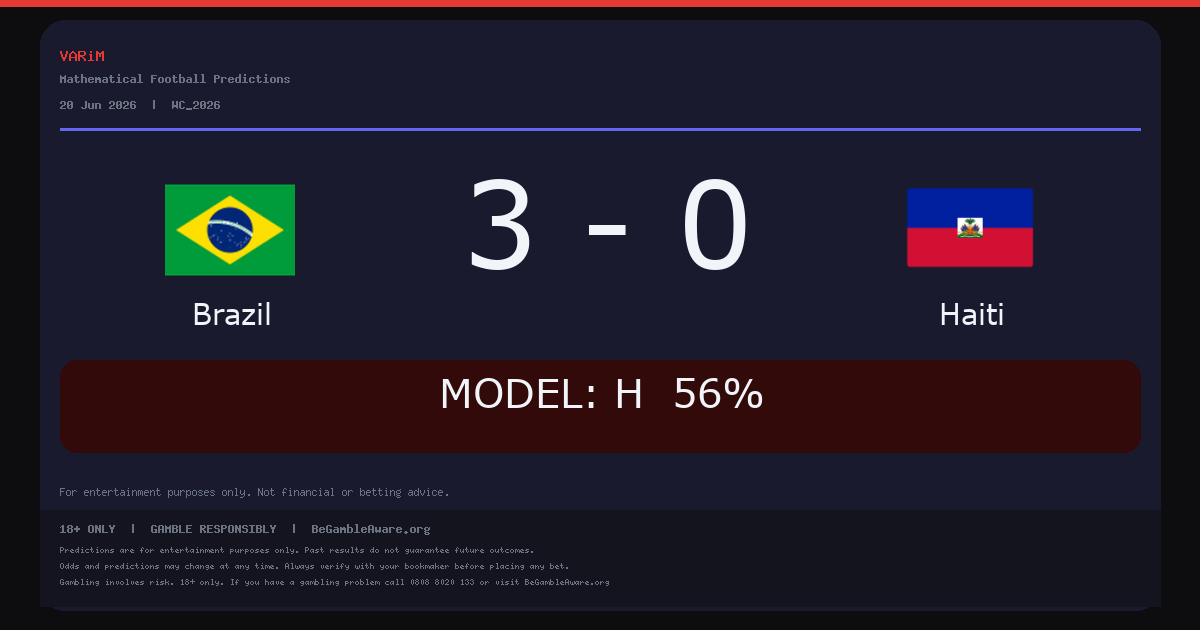
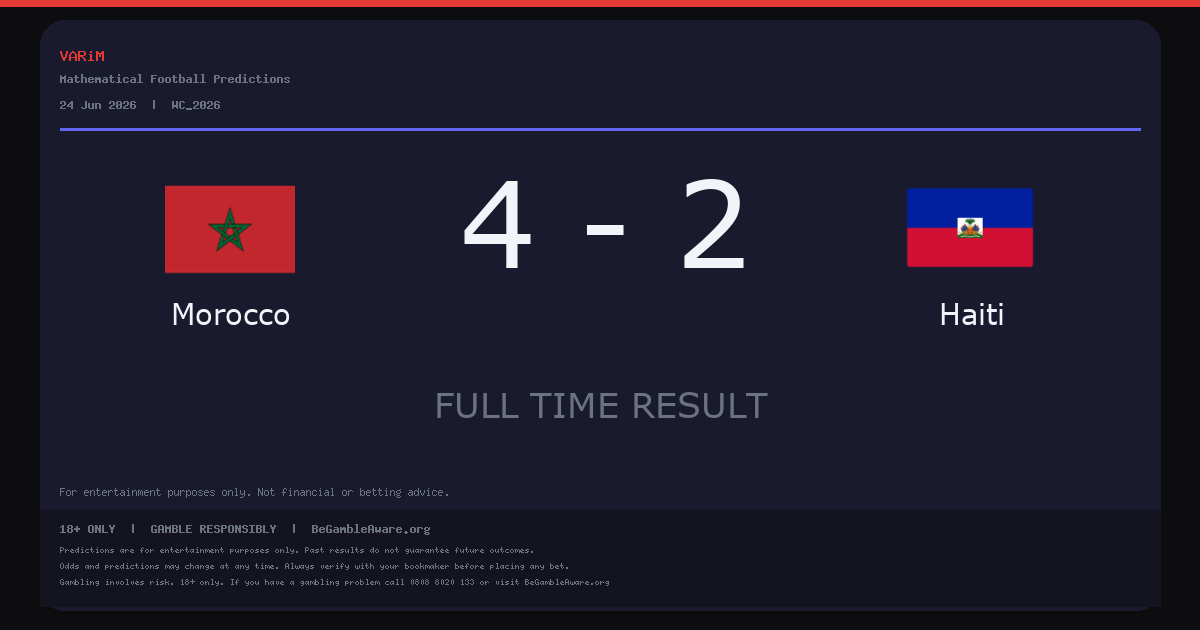
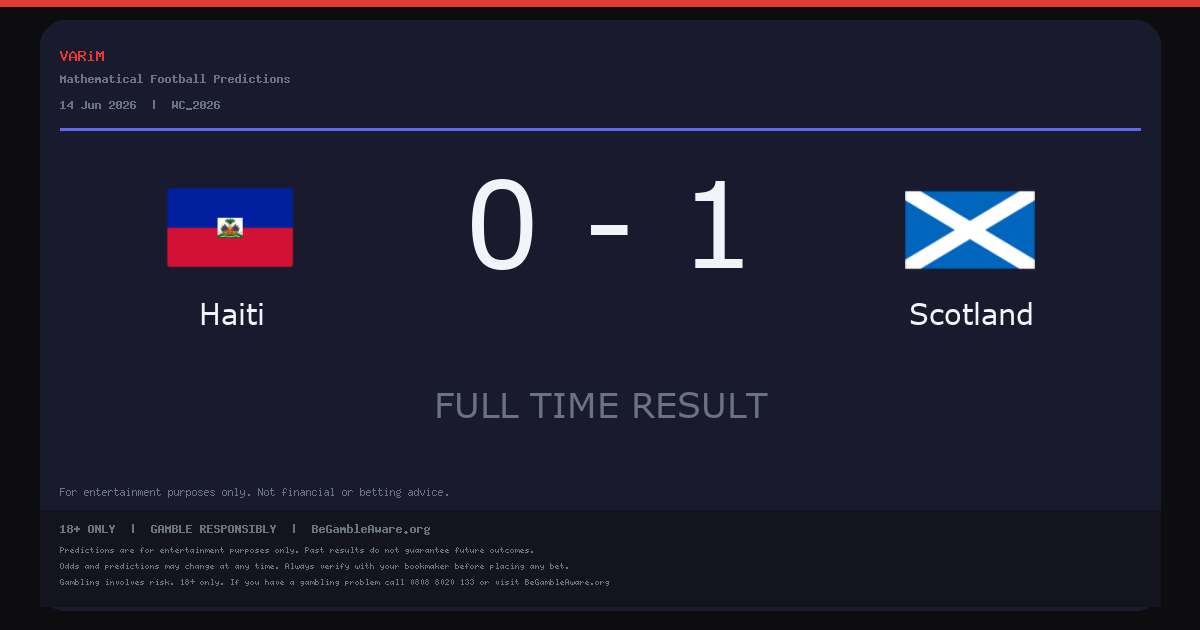
Scotland's path to the knockout rounds presents a formidable challenge. Group C features Brazil, Morocco, and Haiti, with Brazil representing a particularly daunting opponent given Scotland has never defeated them in competitive football. However, Clarke has built a squad brimming with experience from Europe's top leagues, offering genuine hope of breaking their group-stage curse.
Goalkeeper and Defensive Foundation
Craig Gordon remains the frontrunner for the goalkeeper position despite a recent shoulder injury that ruled him out of March fixtures. The veteran, who debuted for Scotland 22 years ago, faces competition from Nottingham Forest's Angus Gunn, Rangers' Liam Kelly, and Falkirk's Scott Bain. At the back, Andy Robertson's experience at Liverpool anchors a well-established defensive unit. Kieran Tierney provides continuity on the left flank after returning to Celtic, while Grant Hanley and Scott McKenna marshal the centre. Aaron Hickey of Brentford offers pace and attacking thrust from right-back, with Nathan Patterson, Jack Hendry, and Anthony Ralston providing squad depth.
Midfield Strength in Serie A
Scotland's midfield has undergone a significant transformation, with four regulars now competing in Italy's Serie A. Scott McTominay has flourished at Napoli, joining fellow international Billy Gilmour in Serie A. Bologna's Lewis Ferguson and Udinese's Lennon Miller strengthen midfield options further. John McGinn remains Scotland's beating heart in midfield—the Aston Villa workhorse consistently delivers when it matters most for his country. Ryan Christie brings Premier League experience from Bournemouth, while Kenny McLean adds experience at 34 years of age.
Attacking Concerns
Scotland's primary weakness centres on attacking prowess. The squad lacks an out-and-out prolific goalscorer, a problem shared by many World Cup nations. Lyndon Dykes and Che Adams represent the main striking options, though both operate more as industrious facilitators than clinical finishers. Lawrence Shankland has enjoyed an impressive season with Hearts and could secure a starting role, while Tommy Conway, George Hirst, and Findlay Curtis combined have registered only one international goal. Ben Gannon-Doak's exceptional pace offers tactical flexibility if fitness can be maintained through the coming months. This attacking limitation will require Clarke to maximise transitional play and set-piece opportunities against Brazil, Morocco, and Haiti.
Scotland's World Cup campaign begins in summer 2026 with designs on achieving what their recent generation could not—escaping the group stage and establishing themselves among international football's elite.