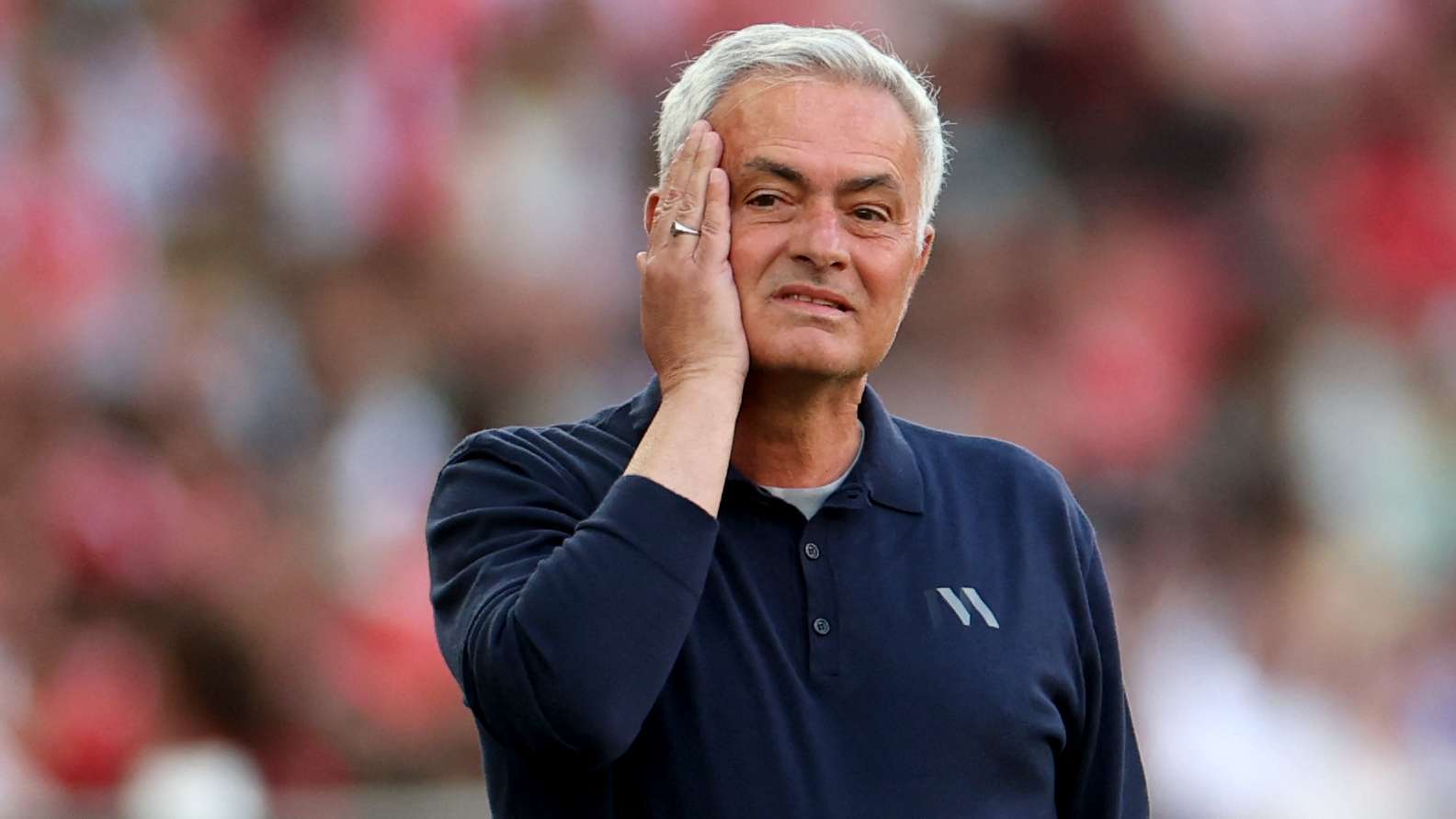
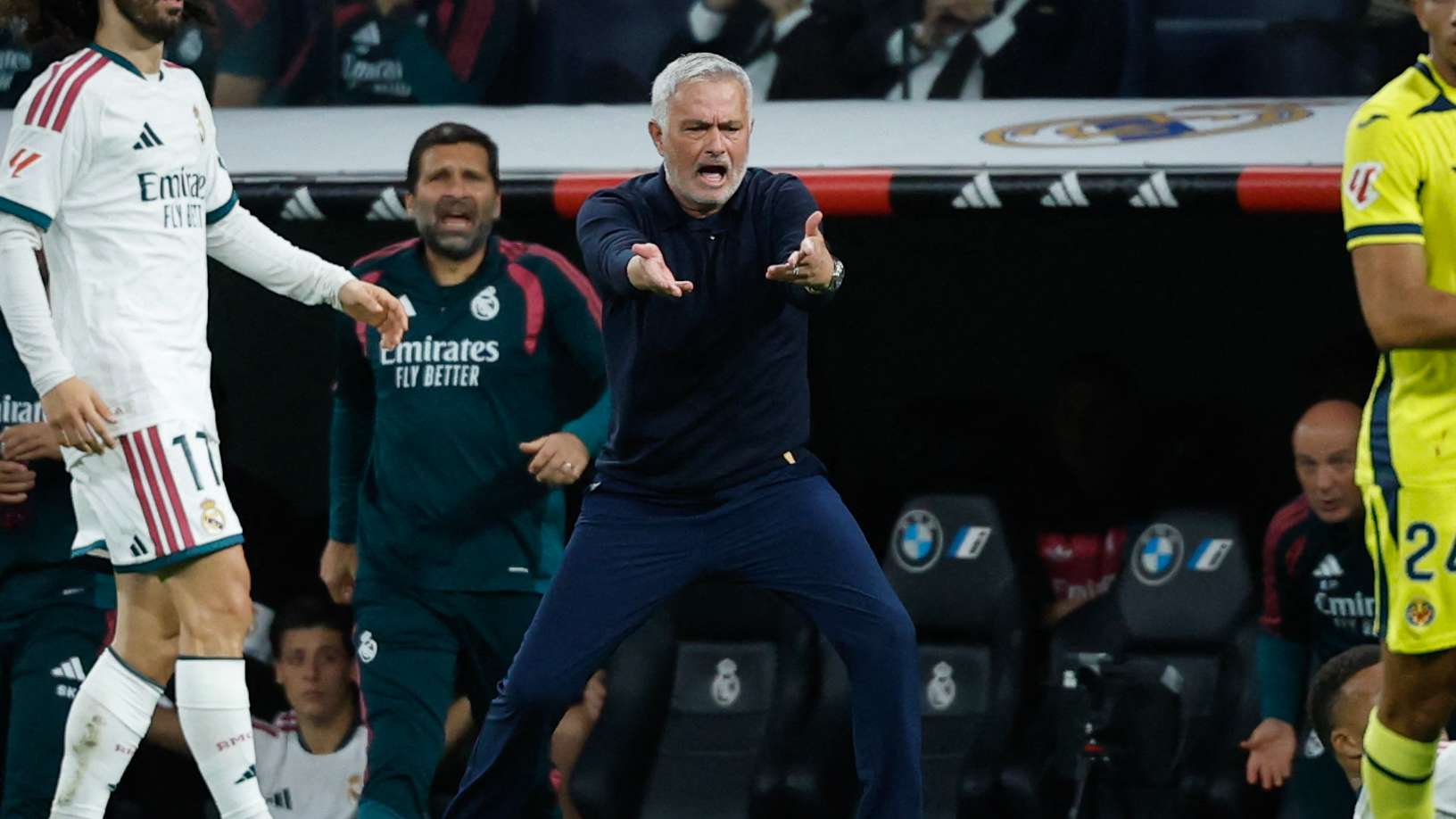
Real Madrid scraped past Villarreal 1-0 in La Liga's eighth round, but the victory masked a deeper structural problem under José Mourinho. Three weeks of preparation during the international break produced no tactical evolution, leaving the Spanish giants dependent on individual heroics rather than cohesive team play.
Disjointed Build-Up Play Defines First-Half Struggles
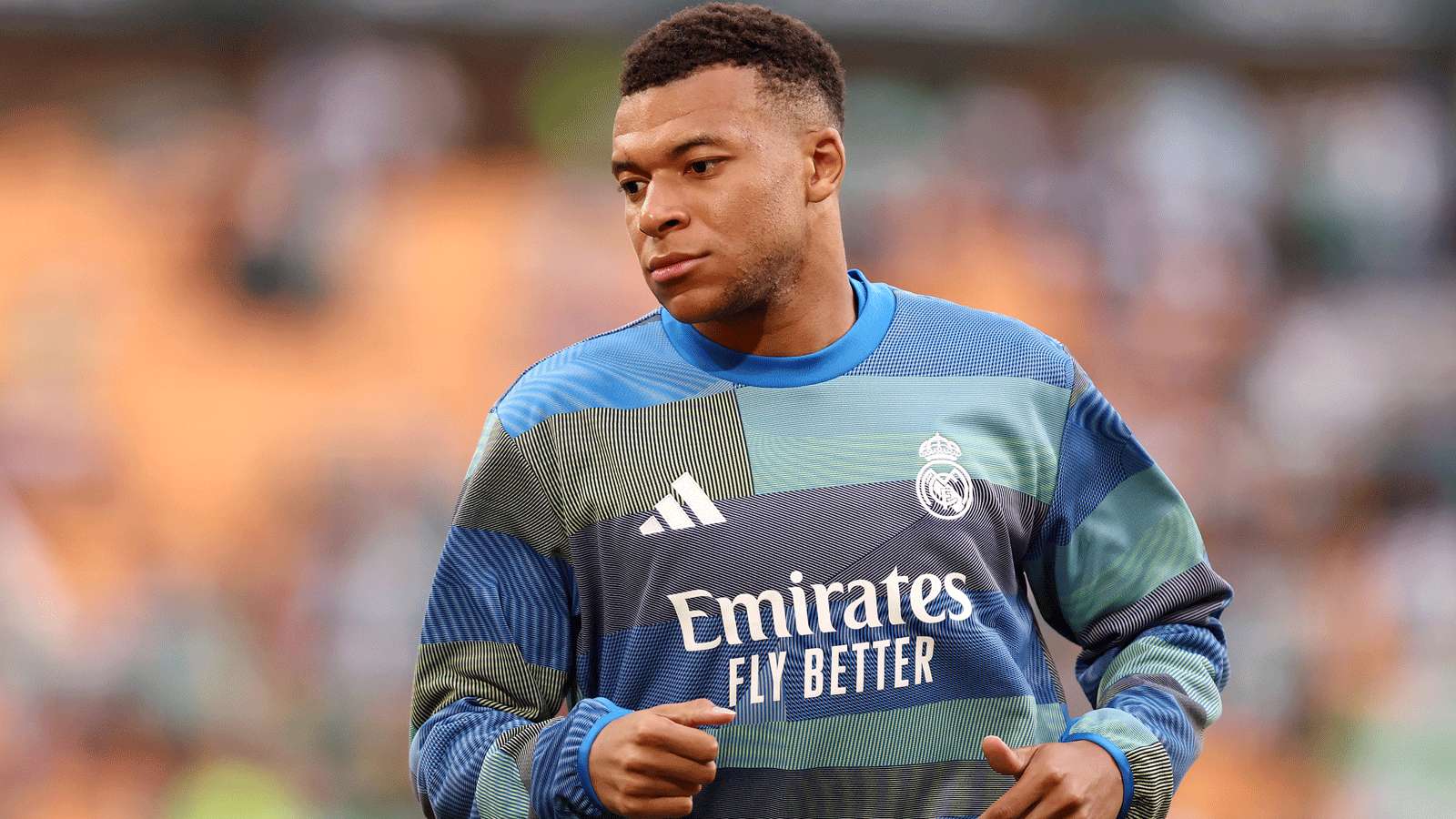
Madrid's opening 45 minutes revealed a team lacking direction. The side generated just one shot on target and one clear-cut chance, with attacks almost entirely reliant on Kylian Mbappé conjuring something from nothing despite returning from injury. The fundamental issue was not possession itself, but rather the absence of a functional system to progress the ball into dangerous areas.
The midfield failed to control play's tempo, while transitions from defence to attack moved sluggishly. Madrid skipped crucial build-up phases, bypassing passing sequences to force individual runs instead. Arda Güler never found rhythm to dictate proceedings, starved of the supporting structure needed to operate effectively. Meanwhile, Villarreal's disciplined shape contained Madrid's attacks, especially threatening down the left flank until Thibaut Courtois intervened repeatedly.
Second-Half Adjustments and the Vinícius Factor
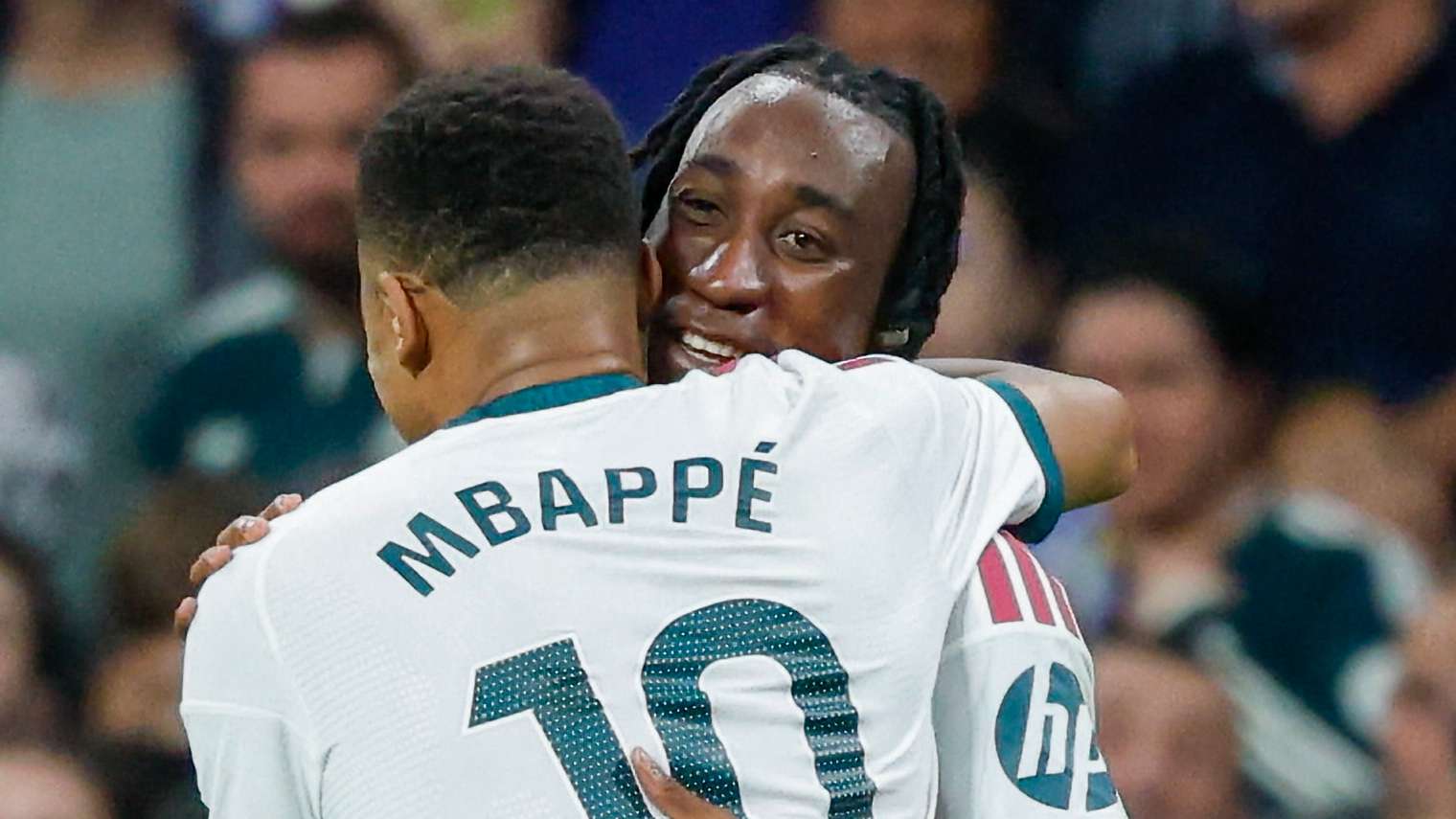
Mourinho's substitutions injected tempo into the second period. Vinícius Jr arrived to provide dribbling threat and line-breaking ability. The breakthrough came in the 62nd minute when Federico Valverde released Diomandé, who finished clinically—a moment of individual initiative triumphing where systematic play had failed. Yet this goal exposed Madrid's reliance on direct running and space in behind rather than methodical attacking construction.
Vinícius's subsequent red card forced Madrid into defensive consolidation for 20 minutes, during which they abandoned attacking ambition entirely. The team held firm to secure three points, demonstrating defensive resilience, but the performance raised uncomfortable questions about Mourinho's tactical framework.
The Systematic Problem at Real Madrid
A manager tasked with disrupting opponents' possession must simultaneously provide his players clear mechanisms for building attacks after regaining the ball. Under Mourinho, this disconnect persists. Madrid continues winning through individual moments after extended struggles, lacking defined roles within a coherent system that harnesses their collective talent. As Madrid prepare for their next challenge, this pattern must shift—winning on names alone remains unsustainable in elite competition.