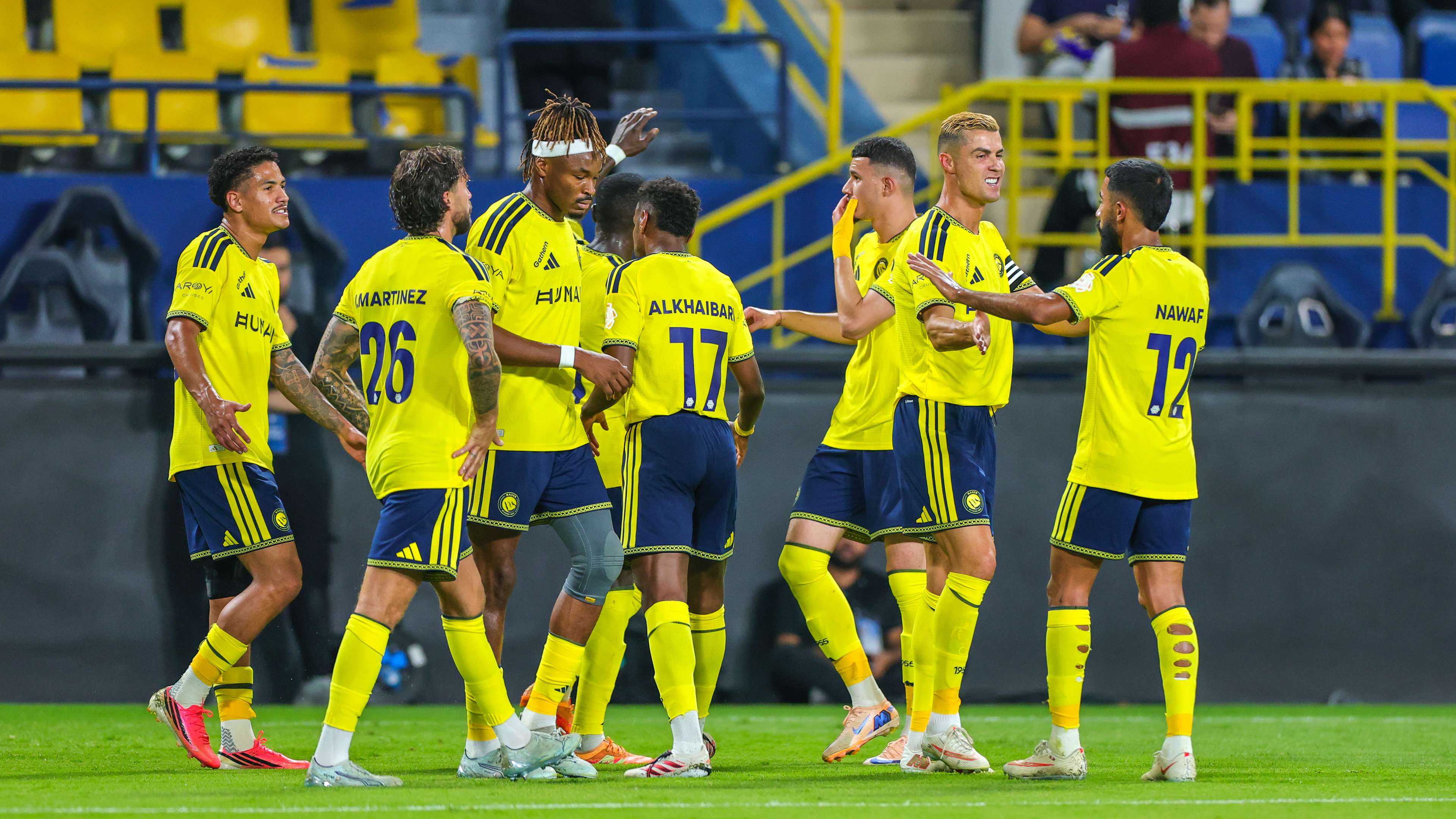
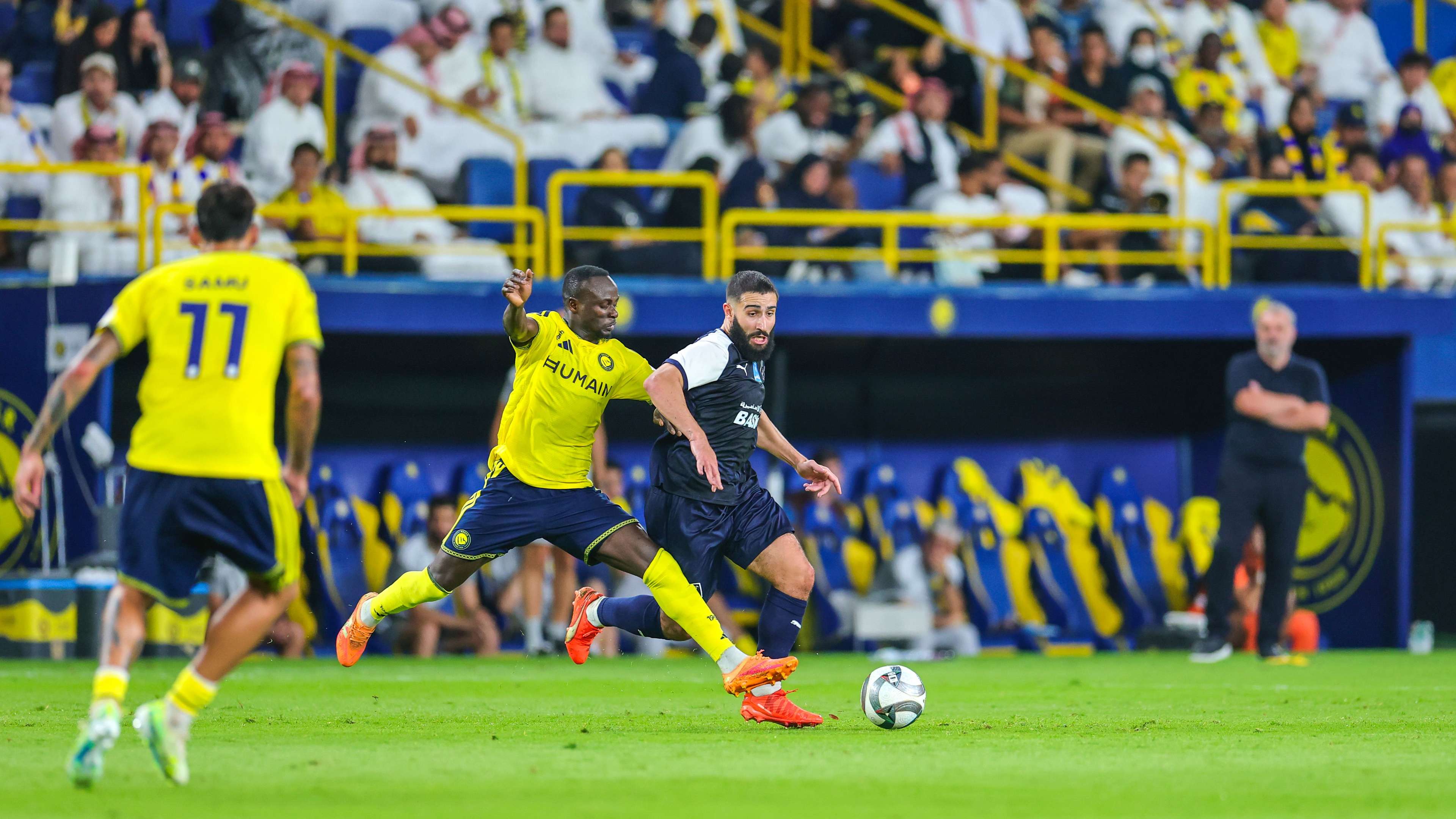
Al-Nassr sit atop the Roshn League table with an impressive record, yet their recent 2-1 victory over Abha exposed three critical tactical weaknesses that could derail their championship ambitions when facing stronger opposition. Despite the winning result, the performance revealed defensive vulnerabilities and structural imbalances that demand urgent correction before the season intensifies.
Passing and Positioning Under Pressure
The clearest warning sign emerged late against Abha when Mohamed Simakan surrendered possession in a dangerous area near the goal line. An opponent broke through immediately, and only a poor finishing touch prevented an equaliser. While Al-Nassr escaped unpunished, this pattern signals a deeper problem: sloppy build-up play when defending teams apply pressure. Top-tier sides will capitalise ruthlessly on such errors rather than squander golden opportunities.
The issue stems from inconsistent passing chains and positional lapses during the transition between defence and midfield. Against inferior teams, Al-Nassr's attacking firepower masks these defects. However, elite opponents will exploit every miscommunication with clinical precision. Tightening this aspect becomes essential before competing in knockout competitions or facing the Roshn League's strongest clubs.
Counter-Attack Vulnerability and Pressing Balance
Al-Nassr's relentless attacking approach generates their primary strength but simultaneously creates their greatest weakness. The team commits numerous players forward in possession, which leaves vast spaces behind when possession is lost. Abha exposed this multiple times through quick transitions, and this high-risk attacking style invites dangerous counters against teams built for rapid tempo play.
- Aggressive pressing leaves defensive gaps when transitions occur
- Quick-passing opponents can move through space between the lines
- Defence-to-attack switches disadvantage Al-Nassr's stretched formation
Finding equilibrium between pressing intensity and defensive solidity represents a crucial tactical challenge. Al-Nassr cannot simply abandon their attacking philosophy, yet they must develop better control mechanisms to prevent counter-attack opportunities.
The Brozovic Absence and Midfield Disconnect
The departure of Marcelo Brozovic has created a significant void in Al-Nassr's midfield architecture. Replacement Sami Costa possesses potential but has not yet matched the Croatian's mastery of tempo control, line connectivity, and possession retention under pressure. A notable gap now exists between Al-Nassr's midfield and attack, disrupting the fluid ball progression that characterises elite teams.
This disconnection makes Al-Nassr vulnerable to teams that press from the front and forces rushed, inaccurate passes. Costa's development is ongoing, but the comparison with Brozovic's experience underscores Al-Nassr's current structural imbalance. Teams skilled at breaking lines through midfield will increasingly exploit this weakness as the season progresses.
League leaders are measured not by victories alone but by their capacity to eliminate recurring mistakes before they accumulate into dropped points. Al-Nassr must address these three tactical crises immediately to transform their top-table position into a genuine title charge against Saudi football's elite.