Real Madrid's goalless draw against Real Betis at La Cartuja exposed fundamental structural problems that have plagued the club since the season began. Despite dominating possession and creating numerous chances, Los Blancos failed to convert their superiority into a result, reigniting concerns about midfield control and attacking cohesion that Carlo Ancelotti's side has struggled to resolve.
The Familiar Midfield Dilemma Returns
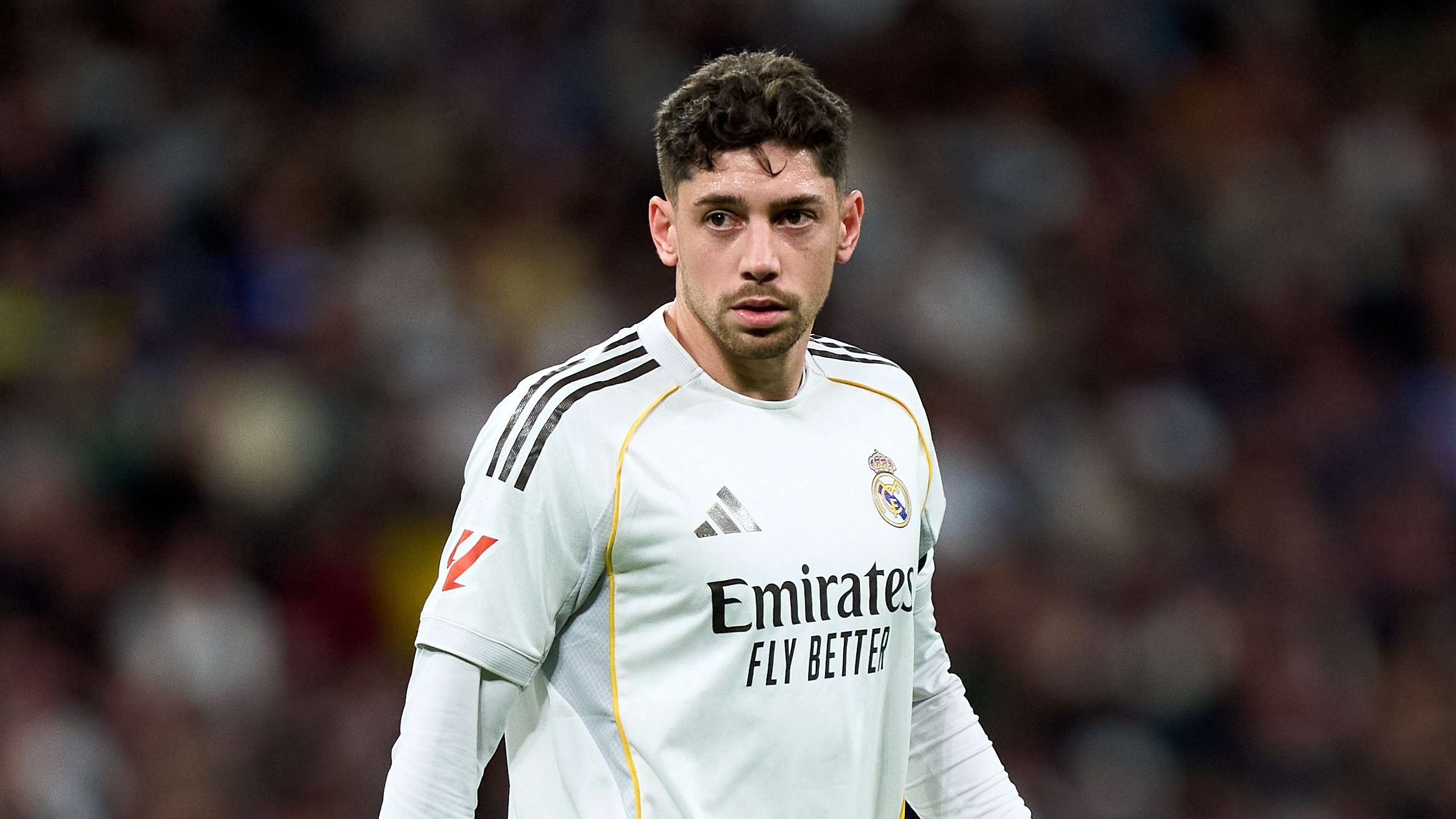
The core issue centres on a midfield partnership that continues to generate uncertainty. With Eduardo Camavinga and Fede Valverde anchoring the middle of the park, Real Madrid face an organisational void that no amount of individual brilliance from their attacking trio can mask. Camavinga possesses the technical attributes to operate as a complete midfielder, yet his inconsistency—marked by occasional disconnection from play and technical execution issues—limits his reliability in controlling tempo.
Valverde presents a different challenge entirely. The Uruguayan midfielder neither excels at orchestrating build-up play nor demonstrates comfort operating in tight spaces. His natural instinct manifests when the pitch opens up and he receives space to drive forward. However, during phases demanding structured possession and calm circulation, Valverde tends to retreat rather than demand involvement, creating gaps in Real Madrid's ball progression.
The Shadow of Rodri's Absence
Real Madrid's failure to pursue a specialist midfield controller in the transfer market—most notably after missing out on Rodri—has left the club dependent on compensatory attacking solutions. Arda Guler has carried responsibility for structuring play beyond his optimal role, shouldering burdens that should be distributed across the midfield. This reliance on individual intervention rather than systematic control represents a persistent vulnerability against well-organised opposition.
The question that haunted Real Madrid last season during El Clásico has returned with urgency: who truly directs play when matches demand discipline and methodical possession? Against Betis, the answer proved inadequate, despite Mbappé, Vinícius, and Bellingham being available to execute attacking opportunities. Real Madrid created enough chances to win convincingly, but conversion rates told the story of a team lacking synchronisation at the highest level.
The Attacking Hierarchy Question
Mbappé continues to demonstrate clinical finishing when form allows, yet squanders more clear-cut opportunities than most elite strikers. Vinícius, meanwhile, represents a diminished version of the player who once single-handedly altered matches. While capable of producing decisive moments, his overall contribution has declined, and his contract renewal—which elevated his hierarchical status—no longer reflects his on-pitch performance.
Until Real Madrid address the midfield void that undermines their attacking potential, such setbacks will continue materialising against serious opponents. The squad's individual quality remains undeniable, but structural imbalance threatens their La Liga ambitions as the season progresses.