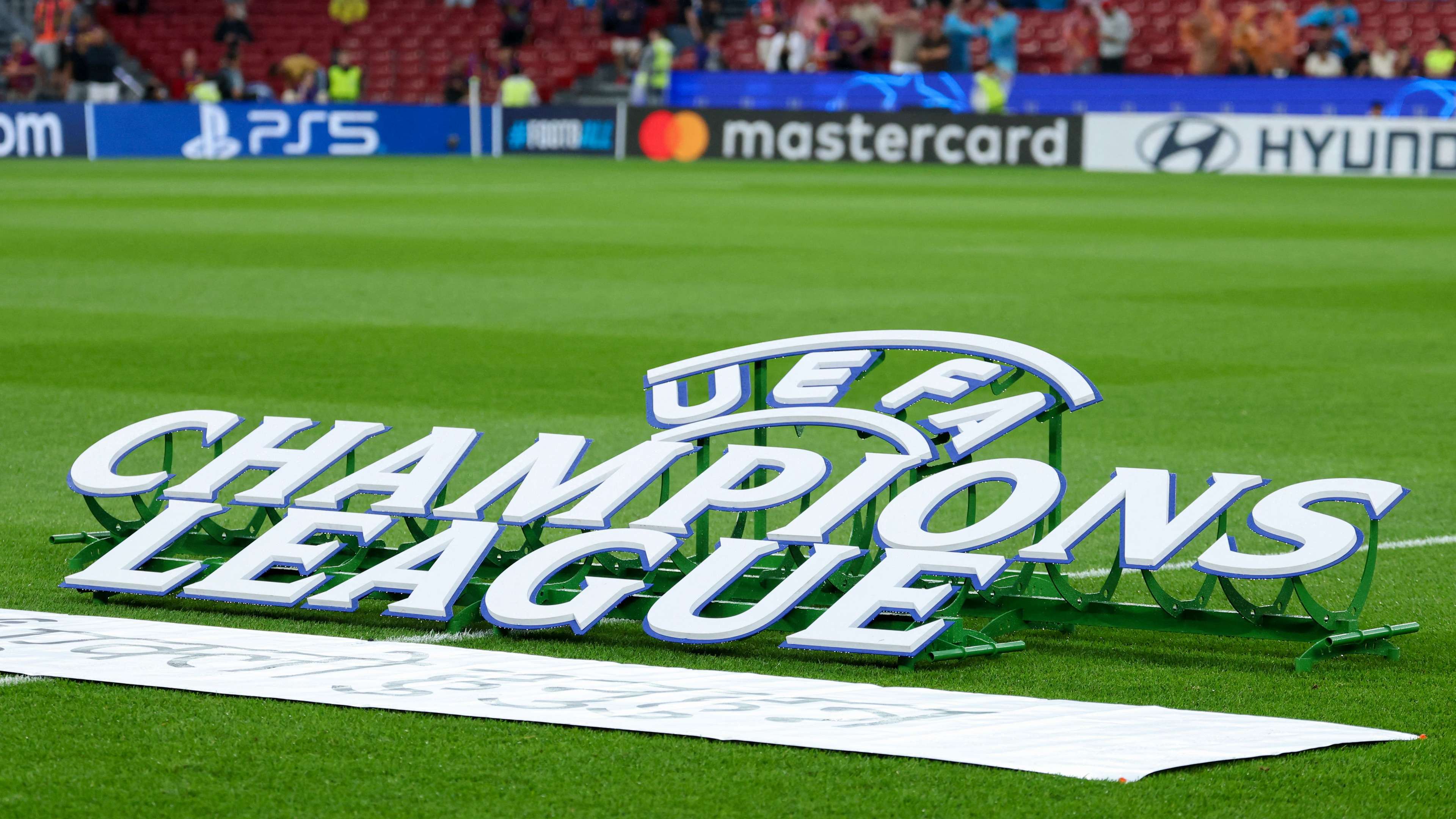
UEFA's Champions League is kicking off its opening matchday across three consecutive days—Tuesday, Wednesday, and Thursday—marking a significant departure from traditional scheduling. This exceptional format applies only to the first round of matches, as the continental governing body reshapes how Europe's premier club competition operates under its new league phase system.
The "Exclusive Week" Concept Reshapes European Football
The three-day spread stems from UEFA's "exclusive week" framework, a new scheduling philosophy introduced alongside the reformed league phase format. Under this system, each of UEFA's three major competitions—the Champions League, Europa League, and Europa Conference League—receives a dedicated week with minimal fixture clashes. The Champions League's opening round therefore avoids direct competition with the other two tournaments, amplifying television coverage and global viewing opportunities across different time zones.
Eighteen matches comprise the opening round, and spreading them across multiple days reduces simultaneous kickoffs. This tactical distribution means fans worldwide can follow more matches live rather than facing difficult viewing choices. Broadcast rights holders benefit equally, gaining access to additional timeslots that boost audience numbers and advertising revenues. For elite clubs competing in the league phase, wider exposure translates to enhanced commercial value and sponsorship opportunities.
A One-Round Exception in the New Format
This three-day exception applies solely to matchday one. Once the opening round concludes, the Champions League reverts to its standard Tuesday-Wednesday schedule throughout the remainder of the league phase. Round two fixtures commence on 13 and 14 October following the international break, with Thursday evenings returning exclusively to the Europa League and Conference League. This strategic rotation ensures each competition receives optimal scheduling attention without permanent fixture congestion.
The reformed Champions League league phase represents a fundamental restructuring from the traditional group stage model, fundamentally altering how 36 clubs compete. By concentrating media attention on opening week through the exclusive scheduling framework, UEFA maximizes commercial returns while improving the competitive balance and fan engagement across European football's most prestigious club tournament.