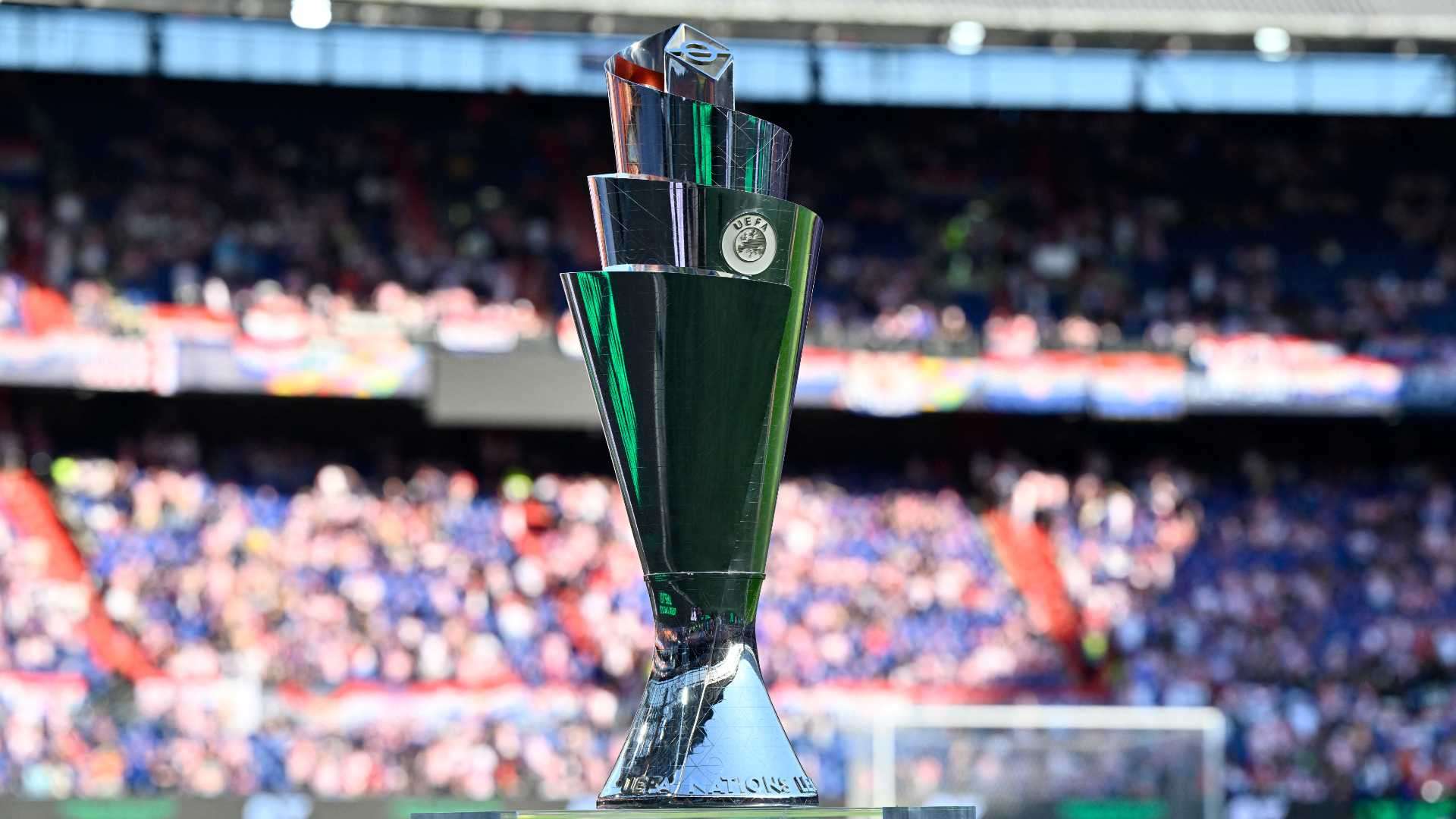
UEFA will fundamentally reshape the international football calendar starting in the 2028-29 season, introducing a Swiss-style league format that mirrors the reformed Champions League structure. The sweeping changes will affect both the Nations League and World Cup qualifying competitions, reducing repetitive fixtures while expanding the range of opponents European nations face.
Nations League Transformation
The current four-tier Nations League system will be condensed into three divisions, each containing 18 teams split into three groups of six. Under the new framework, nations will play six matches against five different opponents rather than the traditional double-headers against every rival. Teams will face one two-legged tie against an opponent from their seeding pot, while other matchups will be either home or away fixtures only. This represents a significant departure from the existing format, where all fixtures require both home and away legs.
The restructuring draws inspiration from open-league models used in elite club competitions, designed to create fresher matchups and reduce the monotony of repeated encounters. By introducing tiered seeding pots, UEFA aims to maintain competitive balance while eliminating the predictability that has characterised group-stage draws in recent years.
World Cup Qualifying Overhaul
European World Cup qualification will undergo equally dramatic changes. The new two-tier divisional structure will feature:
- Top League: 36 ranked nations divided into three groups of 12, playing six matches each
- Second League: 18 or 19 remaining nations in groups of six or seven
- Each top-league nation facing six opponents across three seeding pots
This replaces the traditional five or six-team groups where nations played eight to ten matches. Direct qualification will be reserved for the highest-ranked teams in the top league, with remaining tournament spots determined through promotion and relegation play-offs. This system preserves competitive opportunity for lower-ranked associations while maintaining the stakes for elite nations.
The reforms take effect after Euro 2028, giving national associations a transitional period to adapt. UEFA will finalise scheduling and broadcast agreements in coming months, with the football community keen to understand how these fixture congestion changes affect domestic league calendars and player workload across European competitions.