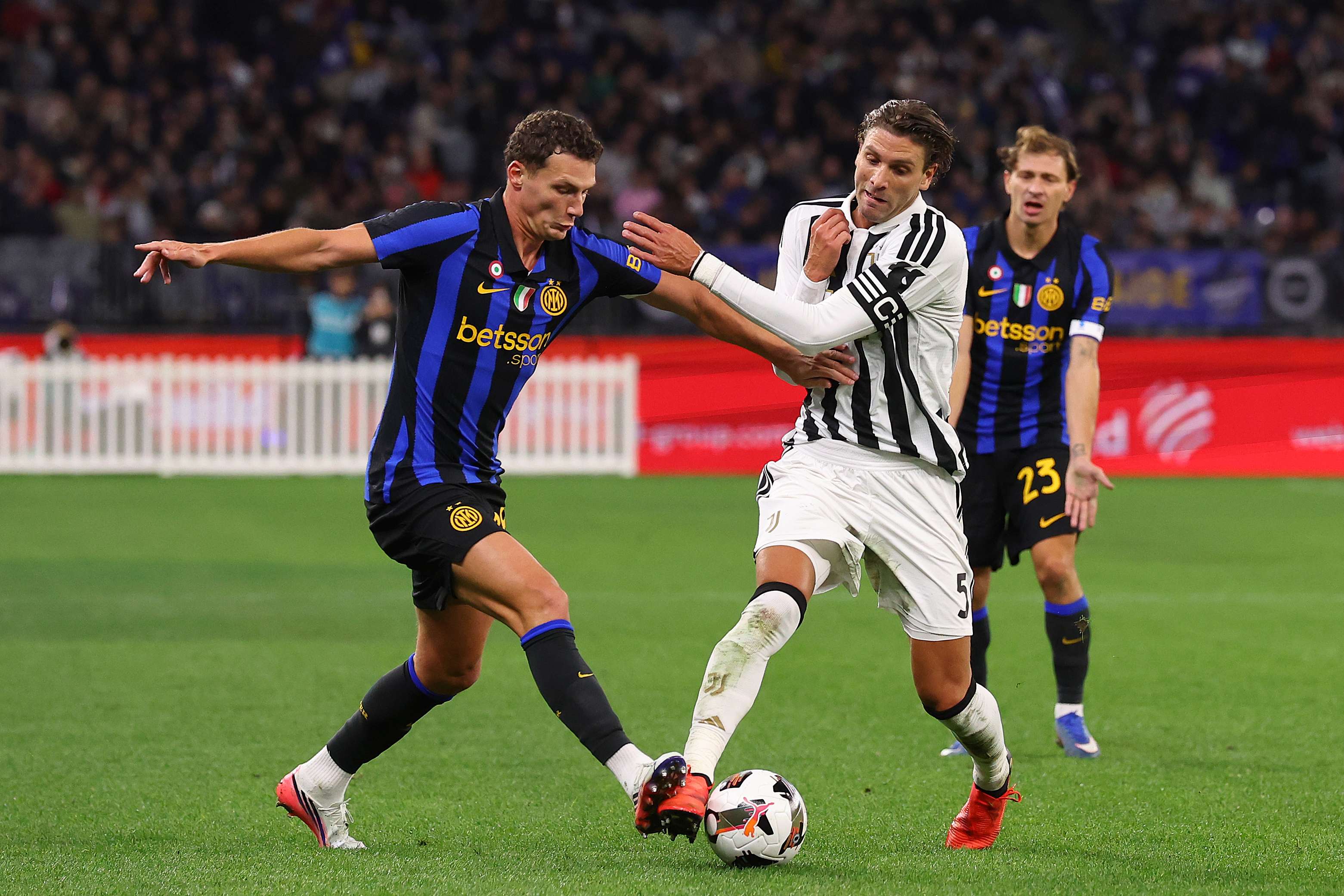
Inter Milan enjoy a significant scheduling advantage over their Serie A rivals during the opening European campaign phase, accumulating 762 hours and 30 minutes of rest between matches from September through early November. This disparity in fixture congestion reveals how calendar management can shape competitive outcomes across a demanding dual schedule of domestic and continental fixtures.
The Rest Gap: How Inter Leads the Field
When analysing recovery time between league matches and the initial four European matchdays, Inter emerge as the clear beneficiary of the fixture list. Napoli trail significantly with 685 total rest hours, while Roma settle in the middle with 702 hours. The difference between the top club and the bottom is substantial—over 77 hours separate Inter from their nearest challengers, a gap equivalent to three full days of potential recovery. This margin compounds across a season when players face injuries, fatigue accumulation, and the mental demands of rotating squads.
Inter's most generous breaks arrive after European commitments conclude. Before cup fixtures, the Nerazzurri receive 321 hours and 15 minutes of rest; after European matches, they gain 441 hours and 15 minutes—a 120-hour swing that allows Cristian Chivu's side to rotate personnel and prepare tactically without the constant pressure of immediate fixtures. By contrast, Napoli distribute their rest more evenly but less generously across both phases.
Serie A Champions League Quartet: A Tale of Uneven Scheduling
Italy's four Champions League representatives—Inter, Napoli, Roma, and Como—face markedly different fixture congestion levels. The inclusion of Como, recent promotion winners competing in Europe's premier competition for the first time in nearly two decades, alongside established powers creates scheduling headaches for Serie A planners. Rest distribution becomes not merely statistical curiosity but a material competitive factor affecting player availability, tactical flexibility, and squad rotation strategies across a gruelling October-November programme when international breaks add further complexity.
Milan and Juventus compete in the Europa League with less continental fixture load compared to Champions League sides, yet this apparent advantage is offset by different scheduling patterns. Atalanta, competing in the Conference League third tier, occupy a unique position where reduced European demands paradoxically provide less structured rest than Champions League participation. How clubs manage these 700+ hours of recovery time over eight weeks will influence January transfer strategies and injury prevention heading into the winter transfer window and the season's second half.