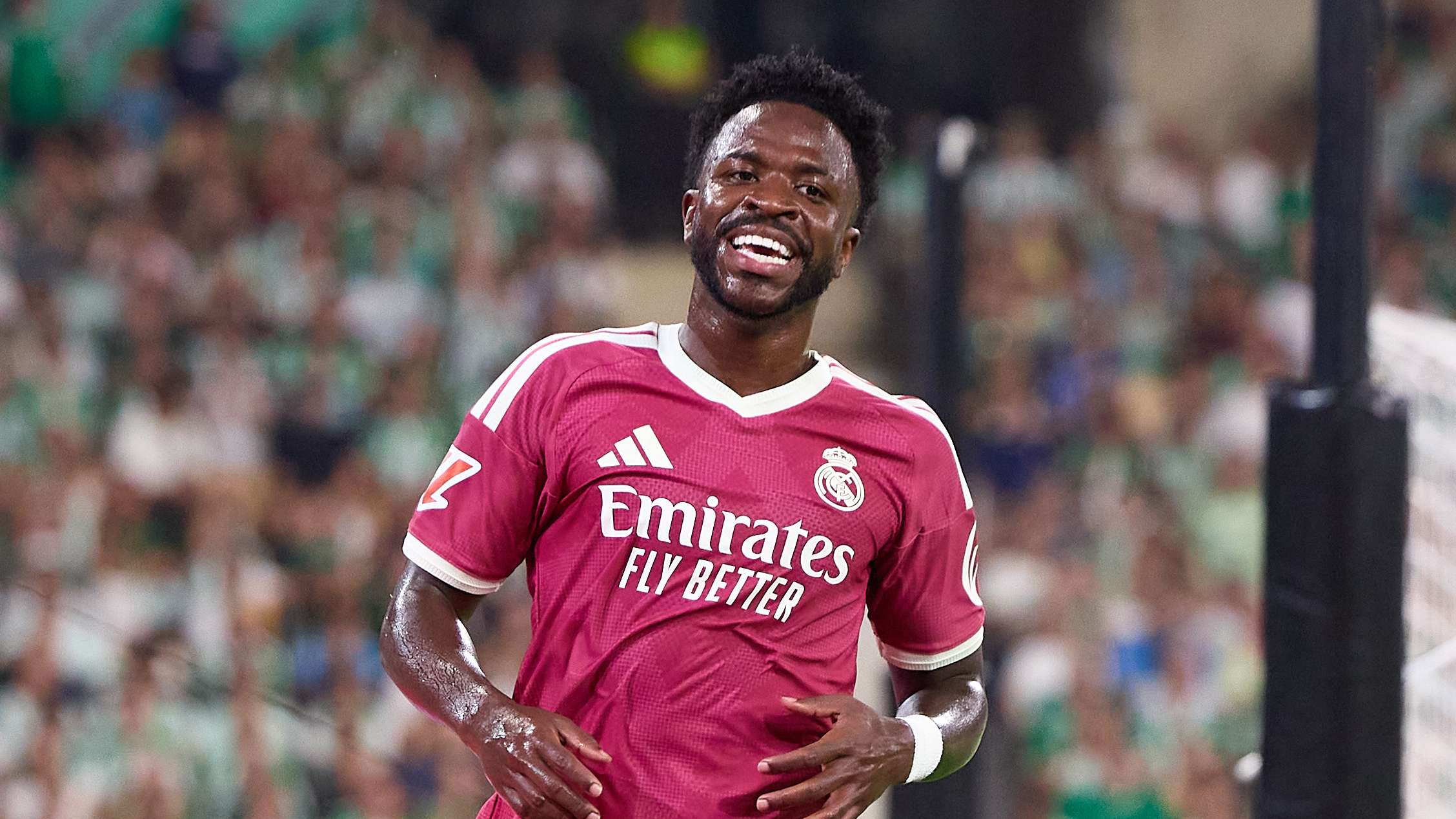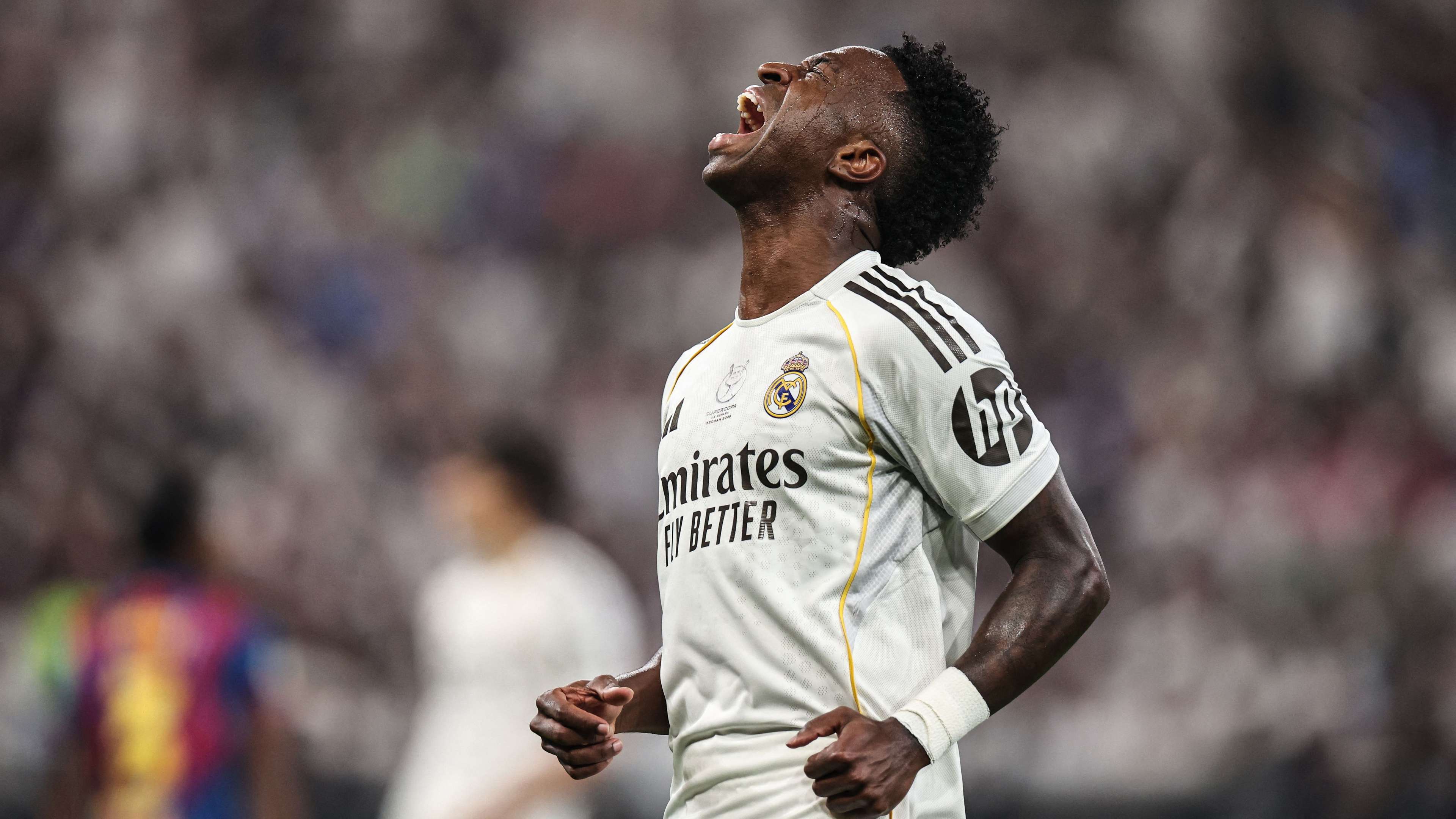
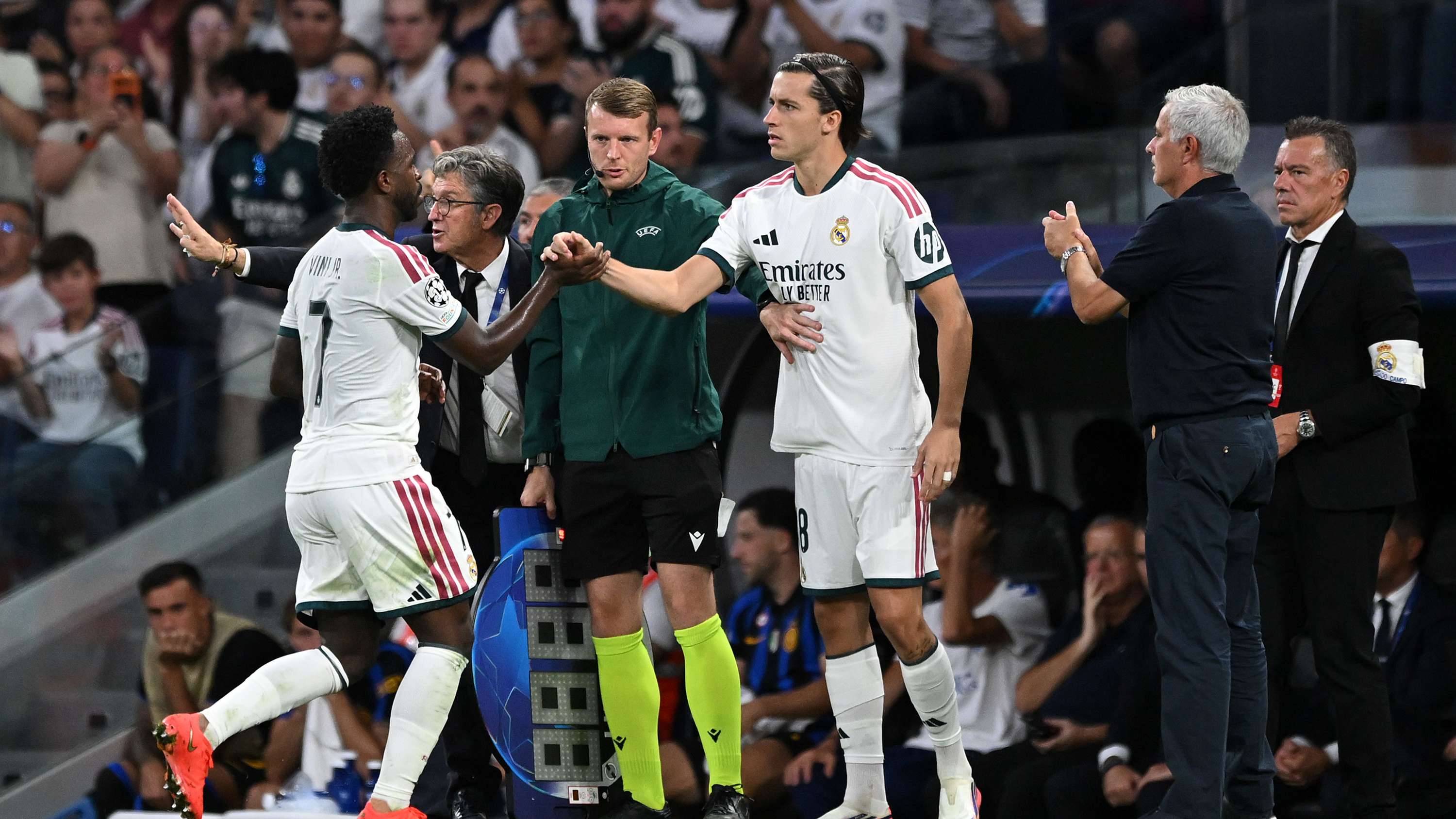
The jeers that engulfed Vinicius Junior when Real Madrid substituted him during the Champions League opener against Inter Milan exposed far deeper fractures than a single poor performance. Brazilian journalist Fernando Kallas, a Reuters correspondent, has revealed the behind-the-scenes turmoil that transformed the club's brightest star into what he describes as the favourite enemy of the Bernabeu faithful.
The Summer That Changed Everything
Kallas disclosed to Cadena SER radio that negotiations over Vinicius's contract extension to 2032 created unprecedented uncertainty. Sources close to the winger believed his departure was imminent, with Arsenal reportedly emerging as a serious suitor willing to meet the player's valuation—a figure Madrid initially seemed unwilling to match. The psychological whiplash came when the club suddenly reversed course with a surprise offer in the final hours.
"When you see yourself outside the club and then suddenly find yourself inside it, your thinking changes. It's not easy psychologically," Kallas explained. This last-minute reversal, rather than cementing Vinicius's future, instead planted seeds of resentment among supporters who sensed their star had been tempted elsewhere.
Performance Under Scrutiny
The Inter match itself became a lightning rod for accumulated frustrations. Kallas offered crucial context often overlooked by critics:
- Vinicius returned from the World Cup in reduced fitness condition
- He created three decisive passes leading to goals for Ibrahim, Mbappe, and Bellingham
- Madrid's overall performance was poor, not solely the winger's responsibility
- He wasted two clear opportunities, yet contributed substantially to attacking play
Unlike Barcelona's careful management of Rodri's minutes, Vinicius played nearly every match during preparation phases. "These matches are like a preparation period for him," Kallas noted, highlighting the unfair standards being applied.
A Relationship Beyond Repair?
The most damning assessment from Kallas concerns the fanbase's sentiment. "A large part of Real Madrid's fanbase has come to harbour hatred towards him, and it seems this is irreversible," he stated bluntly. The fracture extends beyond pitch performance into territory shaped by the transfer saga's public perception and the club's handling of contract negotiations.
Kallas emphasized that Vinicius bears limited responsibility for the crisis: "He doesn't have to change things, because he's not the one who created this situation. Perhaps the fans should also play their part. It's not in Real Madrid's interest for its fans to jeer their own players in only the fourth match of the season."
The real examination of this troubled relationship arrives with the Madrid derby against Atletico on 20 September, where Vinicius must navigate both opponents' intensity and his own supporters' hostility—a burden few elite attackers have shouldered at their own ground.