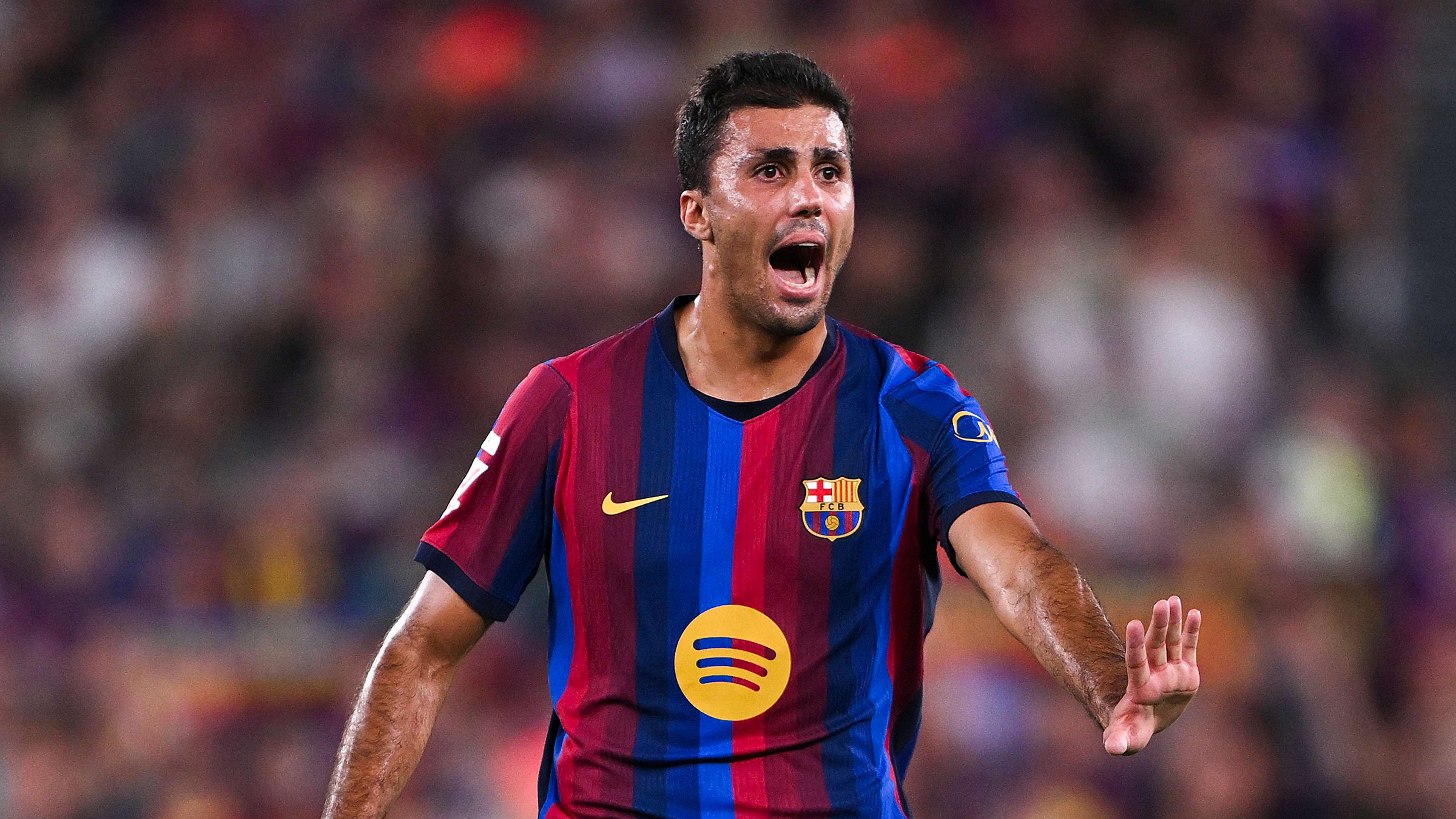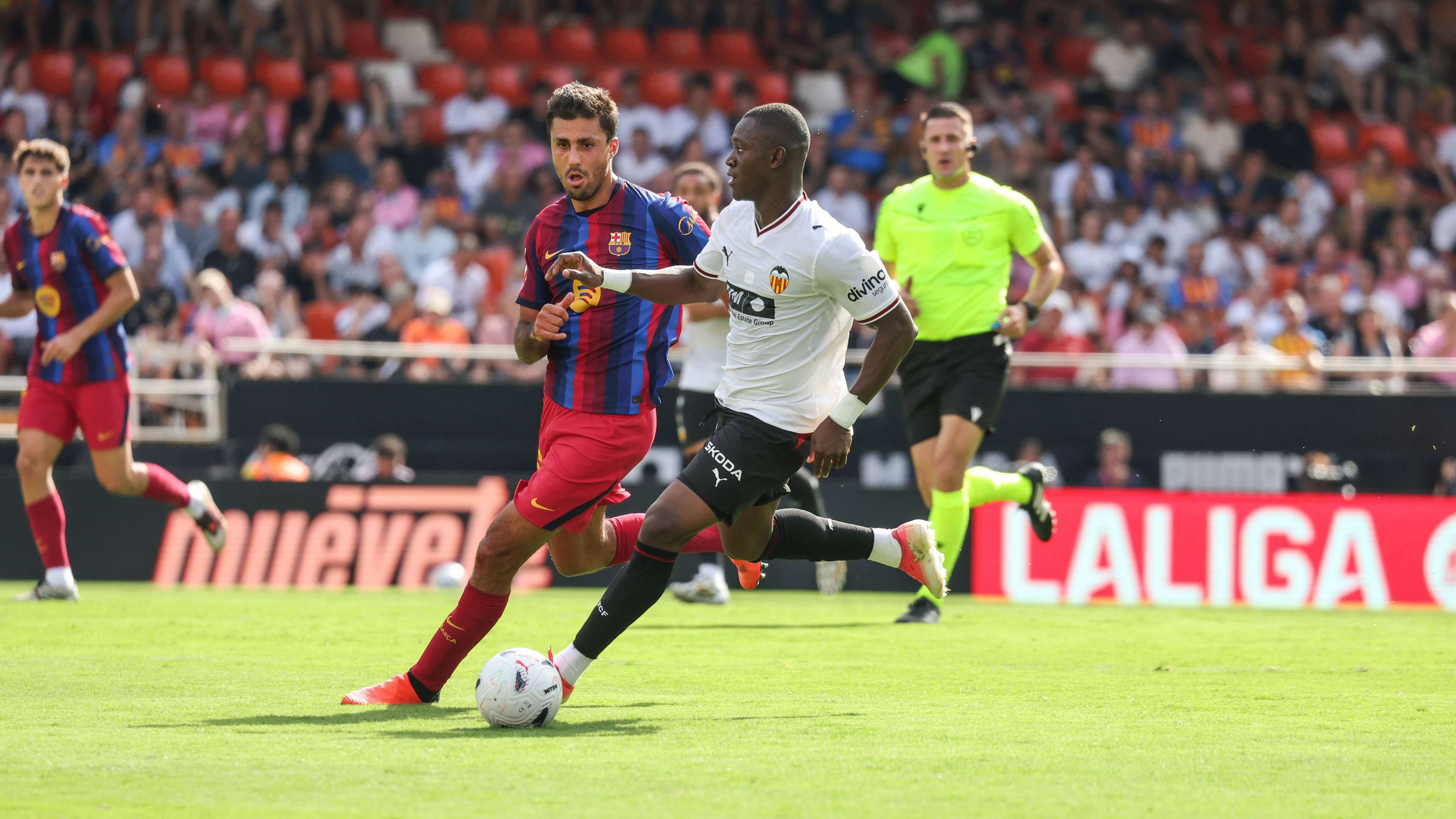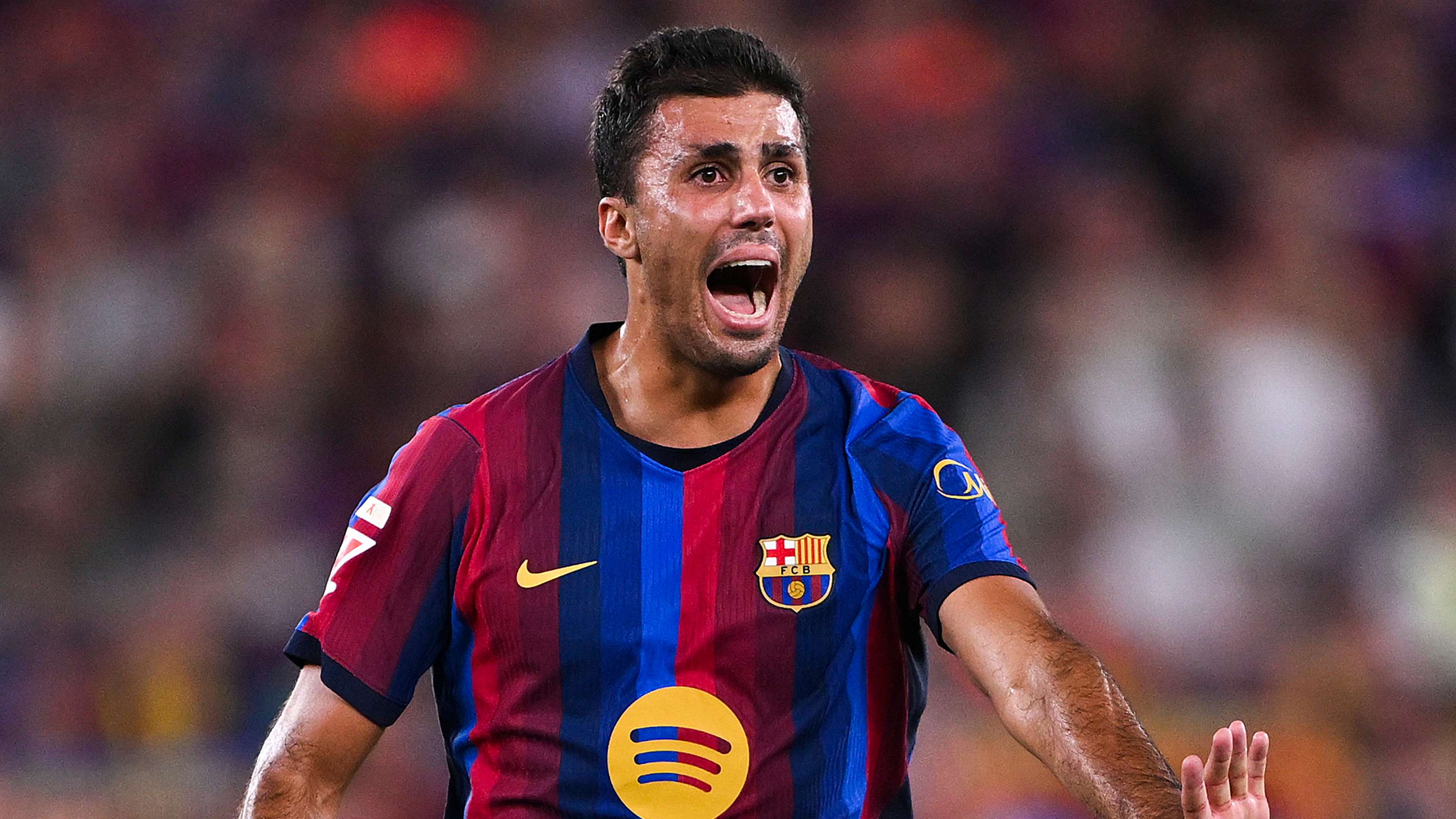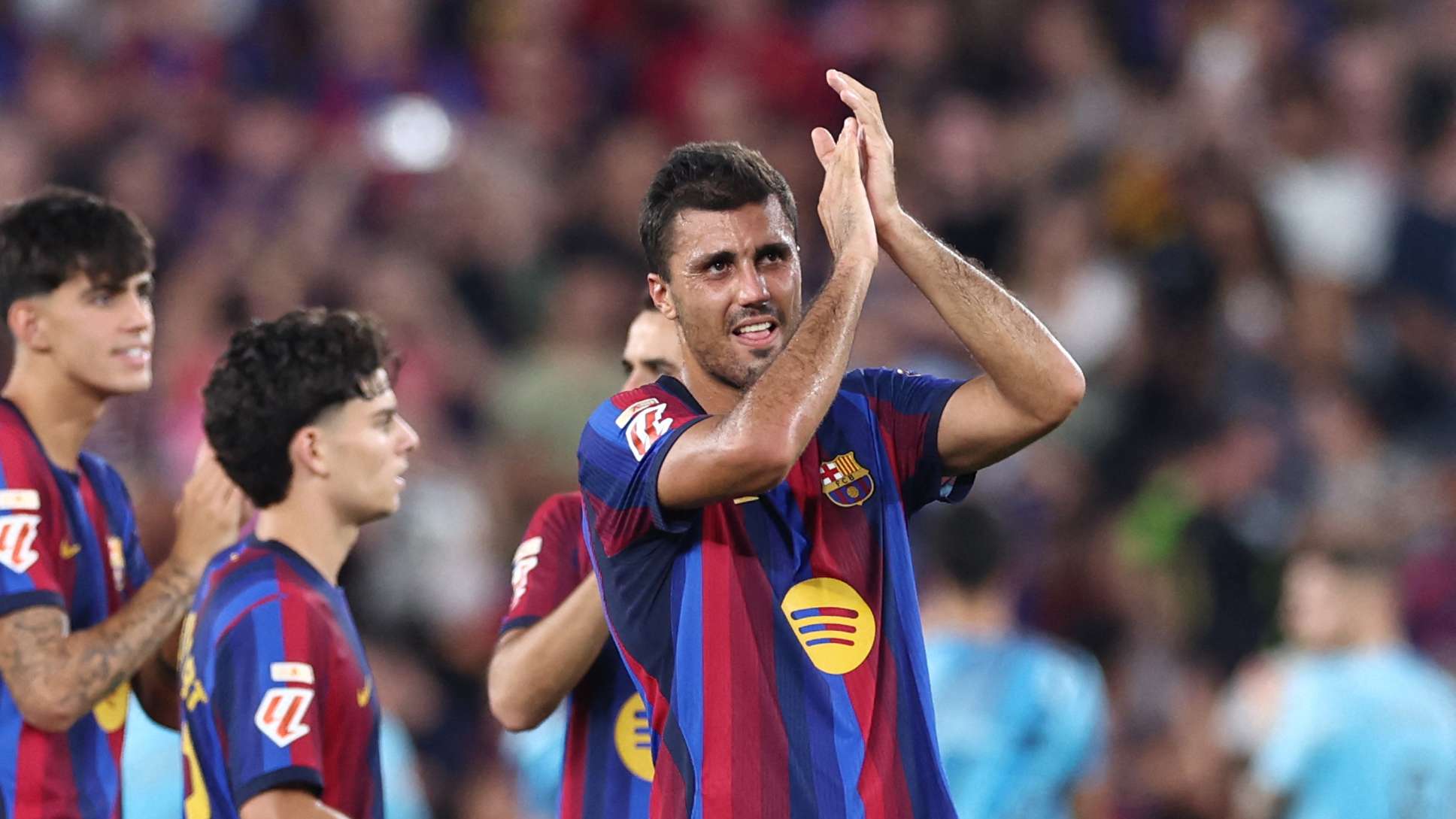
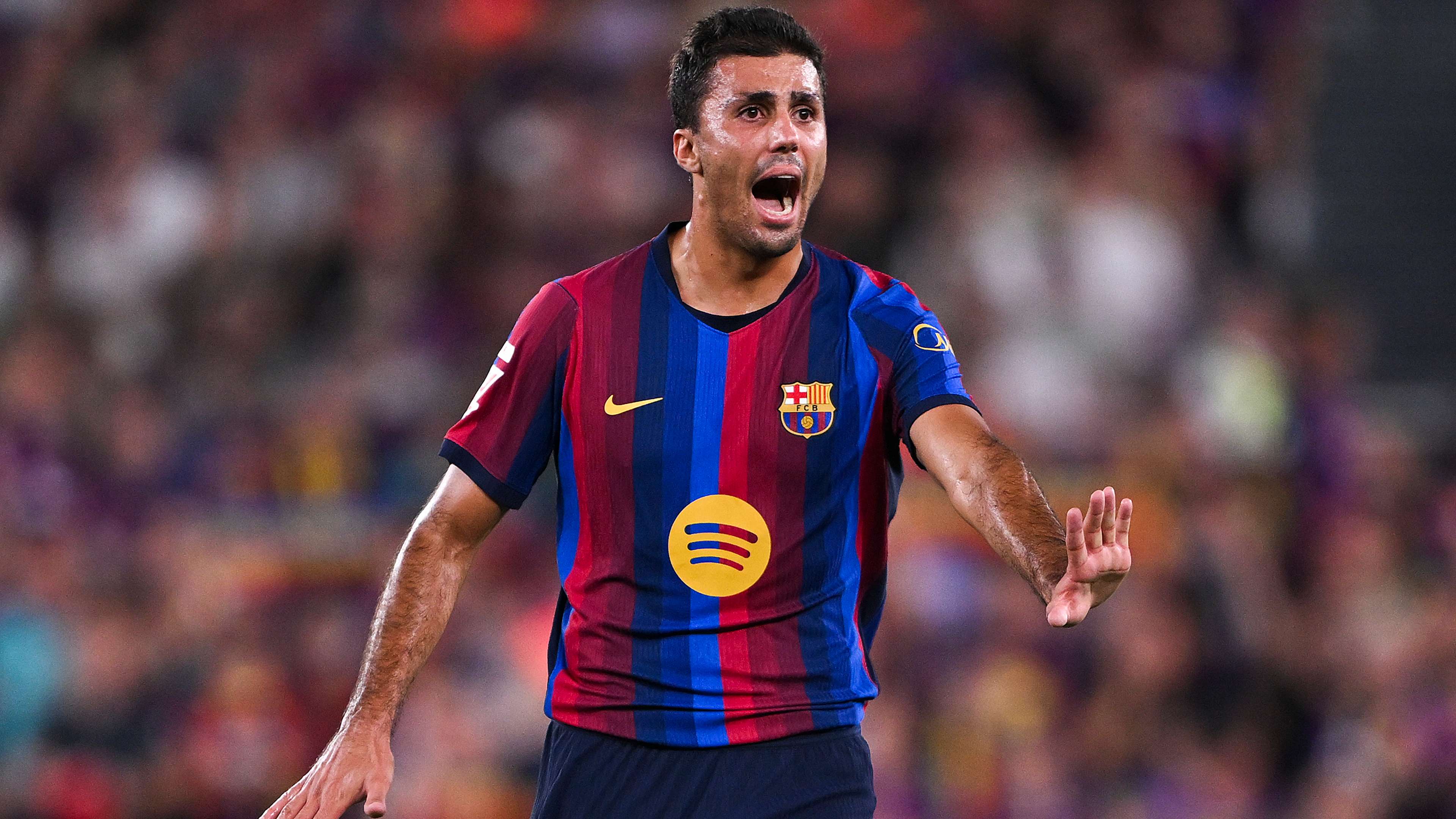
Rodri has moved to defuse a growing controversy after his off-the-cuff criticism of Valencia was caught on camera during Barcelona's dominant 5-0 victory at the Mestalla. The Spanish midfielder made dismissive remarks about his opponents while sitting on the substitutes' bench, comments that were later broadcast on the television programme El Día Después, triggering widespread backlash.
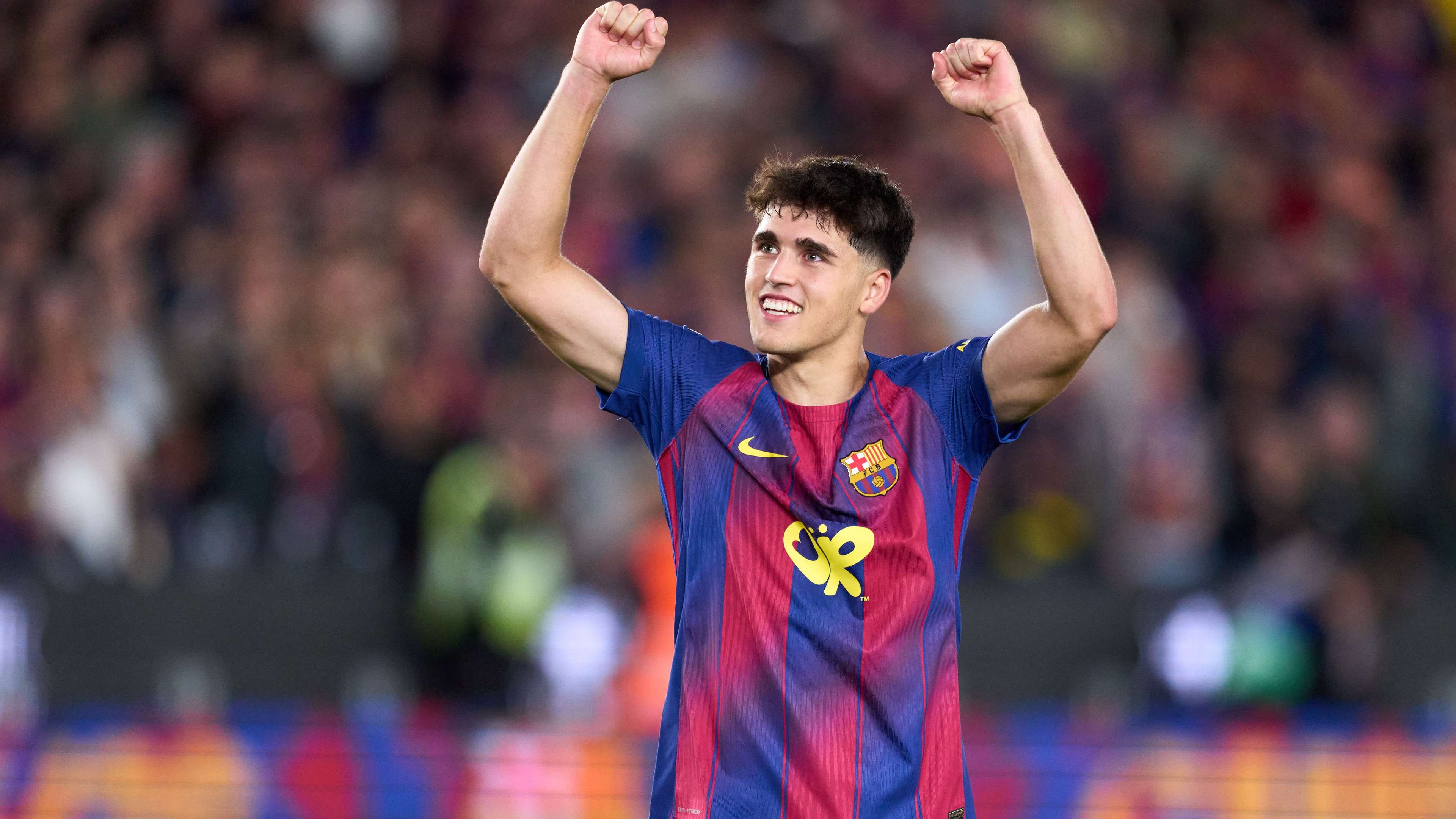
During the informal chat with teammate Pau Cubarsí, Rodri described Valencia's performance as "very weak" and "terrible"—words he clearly believed were private. When footage emerged, the former Manchester City star found himself in an uncomfortable position, facing criticism for appearing arrogant despite Barcelona's commanding display. The incident highlighted the modern reality of football broadcasting, where even bench-side conversations risk becoming public spectacle.
Damage Control and Direct Contact
According to reports from Valencian media outlet À Punt and newspaper Mundo Deportivo, Rodri took swift action to repair the damage. He contacted Valencia captain José Luis Gayà, a fellow member of Spain's national team setup, to explain the situation and offer his apologies. The two players share a longstanding connection through international football, giving Rodri a direct channel to address concerns within the Valencia dressing room.
Rodri explicitly asked Gayà to help clarify matters with the rest of the squad, emphasizing that his words carried no malicious intent. His decision to reach out privately demonstrated awareness that public perception required more than a casual dismissal. Radio Cope reported that the midfielder plans to issue a fuller public statement following Barcelona's Champions League fixture against Feyenoord on Wednesday, where he will reiterate that his comments reflected frustration in the moment rather than genuine disrespect toward Valencia's players.
This incident serves as a reminder that even elite players like Rodri must navigate the delicate balance between competitive fire and sportsmanship in an era of omnipresent cameras. How the situation ultimately resolves may influence broader conversations about player conduct and broadcasters' editorial choices during live coverage.