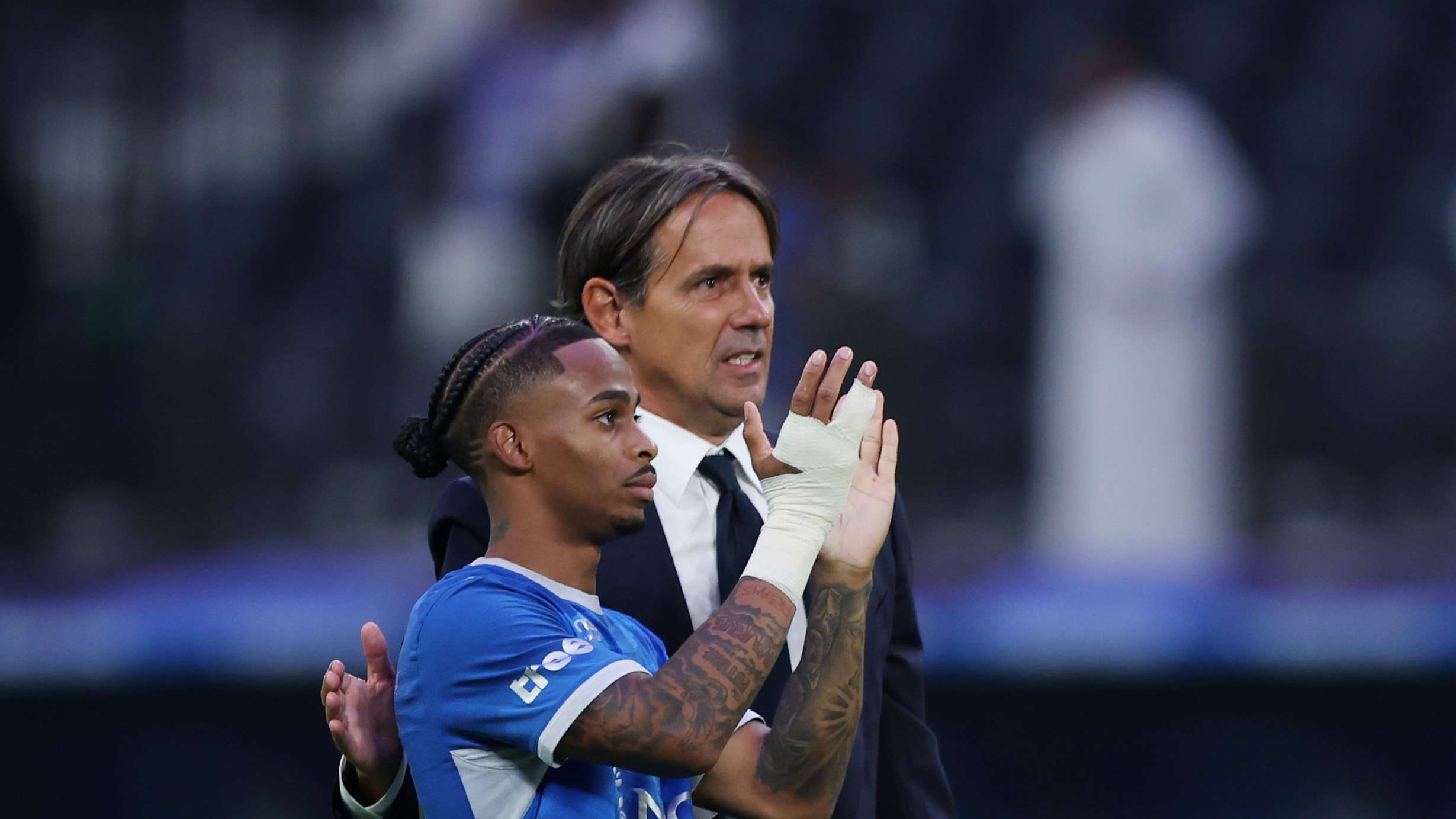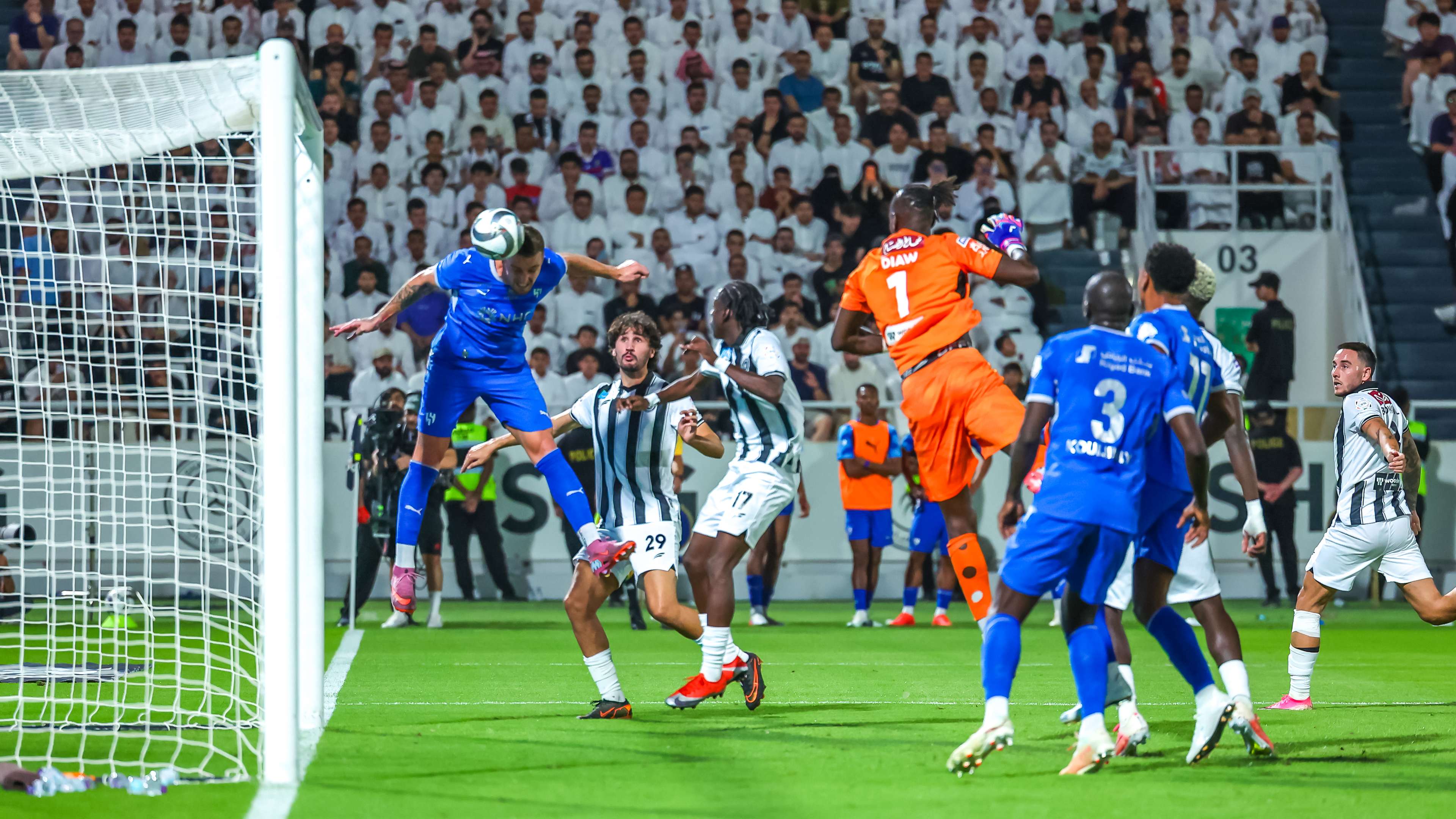

Al-Hilal spent nearly one billion Saudi riyals in the summer transfer window, yet their ambitious recruitment drive has exposed critical weaknesses in two key positions. Despite landing three elite foreign signings from the Premier League, manager Simone Inzaghi finds himself with unbalanced squad depth that threatens their title ambitions in the Saudi Roshn League.
Record Spending, Strategic Missteps
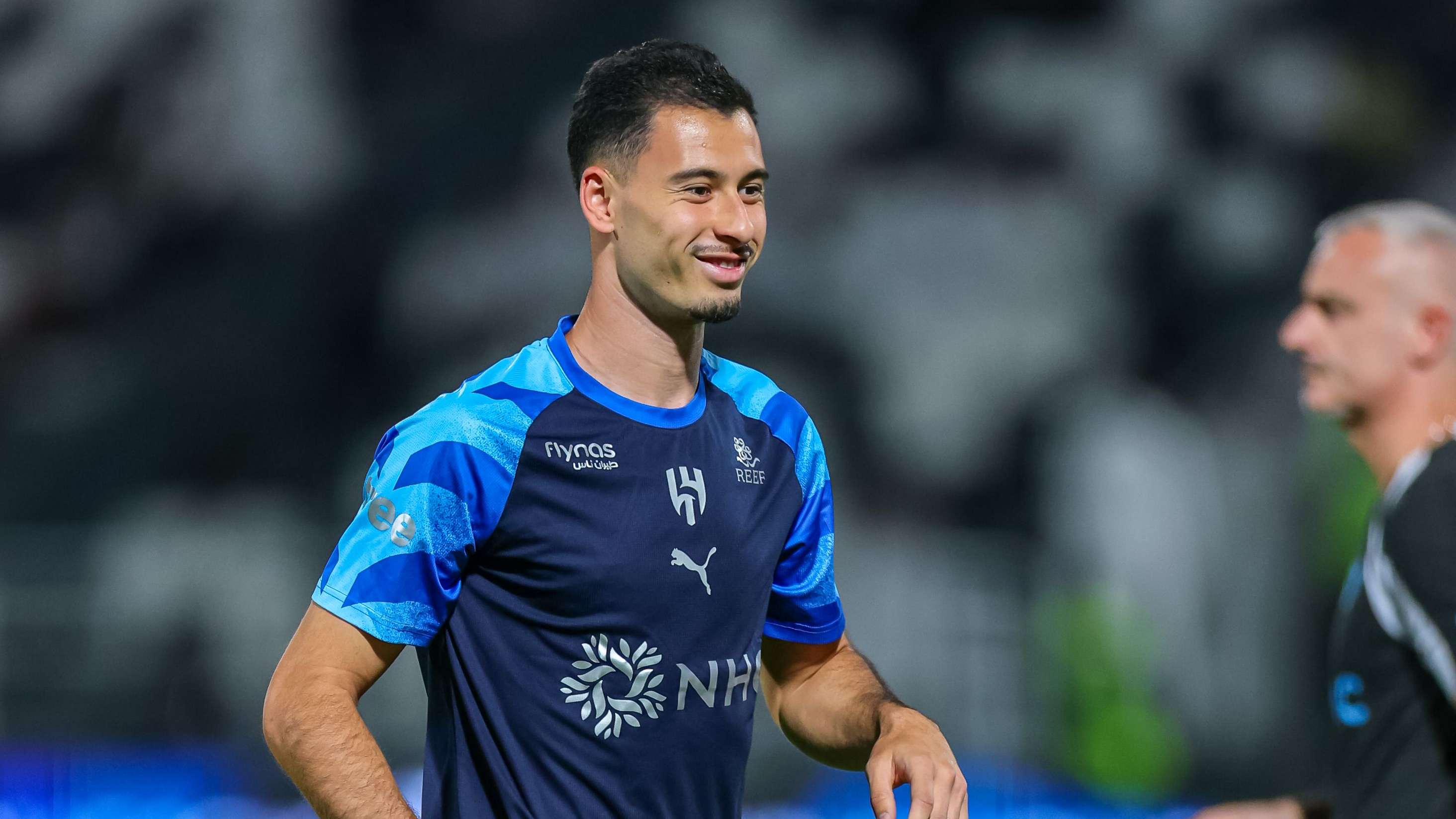
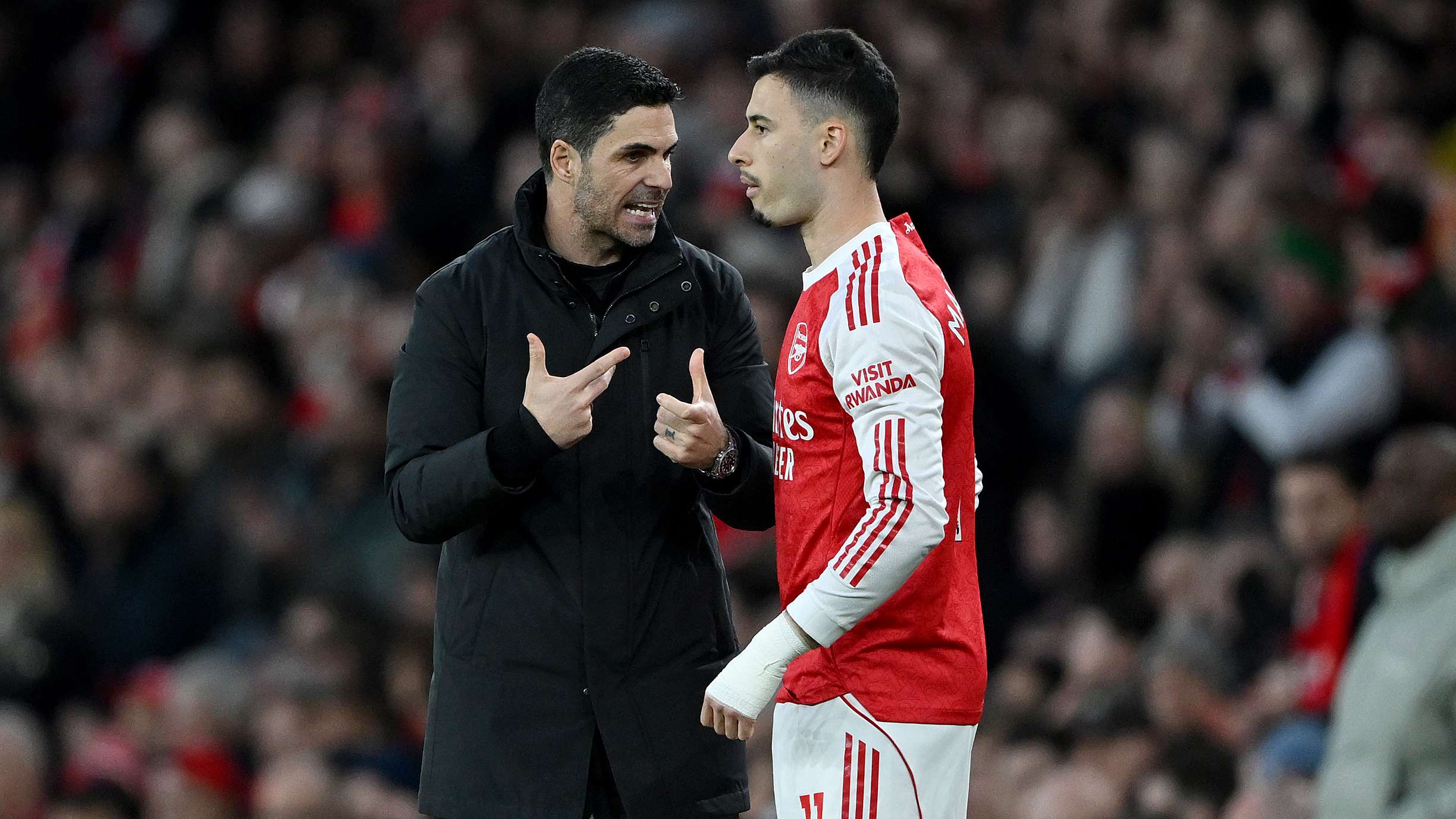
Al-Hilal invested approximately 206 million euros across nine signings, making them by far the league's biggest spenders. The centerpiece arrivals included Gabriel Martinelli from Arsenal (70 million euros), Crysencio Summerville from West Ham (64.5 million euros), and Ollie Watkins from Aston Villa (58.4 million euros). These three ranked among the five most expensive purchases in club history, joining Neymar (90 million euros) and Malcom (60 million euros) in an elite tier of investment.
Yet quantity has not translated into coherent team construction. Both Martinelli and Summerville are natural left-sided wingers, creating positional redundancy that Inzaghi acknowledged requires rotation between flanks. The more damaging oversight, however, was the departure of Malcom to Al-Jazira on a free transfer—a move that stripped the right wing of genuine depth.
The Right Wing Vacancy
Malcom's exit was intended to finance Martinelli's arrival, yet the logic collapsed upon examination. The Brazilian winger, only 29 years old, had contributed 47 goals and 41 assists across 139 appearances during three seasons with Al-Hilal—a production rate few wingers achieve. His replacement, Sultan Mandash, operates as a squad option rather than a starter, while youth prospect Sabri Dahl (signed from Al-Fayha) remains a developmental prospect. Inzaghi has already signaled plans to deploy Dahl as a full-back, further complicating right-wing solutions.
Al-Hilal's foreign player quota complications have intensified their predicament. With three foreign attackers competing for limited registration slots, the club lacks the tactical flexibility that European elite enjoy. This structural constraint—unique to Saudi football—transforms recruitment missteps into long-term liabilities rather than recoverable errors.
The spending extravaganza reveals a familiar problem: financial resources alone cannot engineer balanced squads. As Al-Hilal prepare for the season's pivotal fixtures, their wing vulnerabilities may prove far costlier than the record transfer fees suggest.