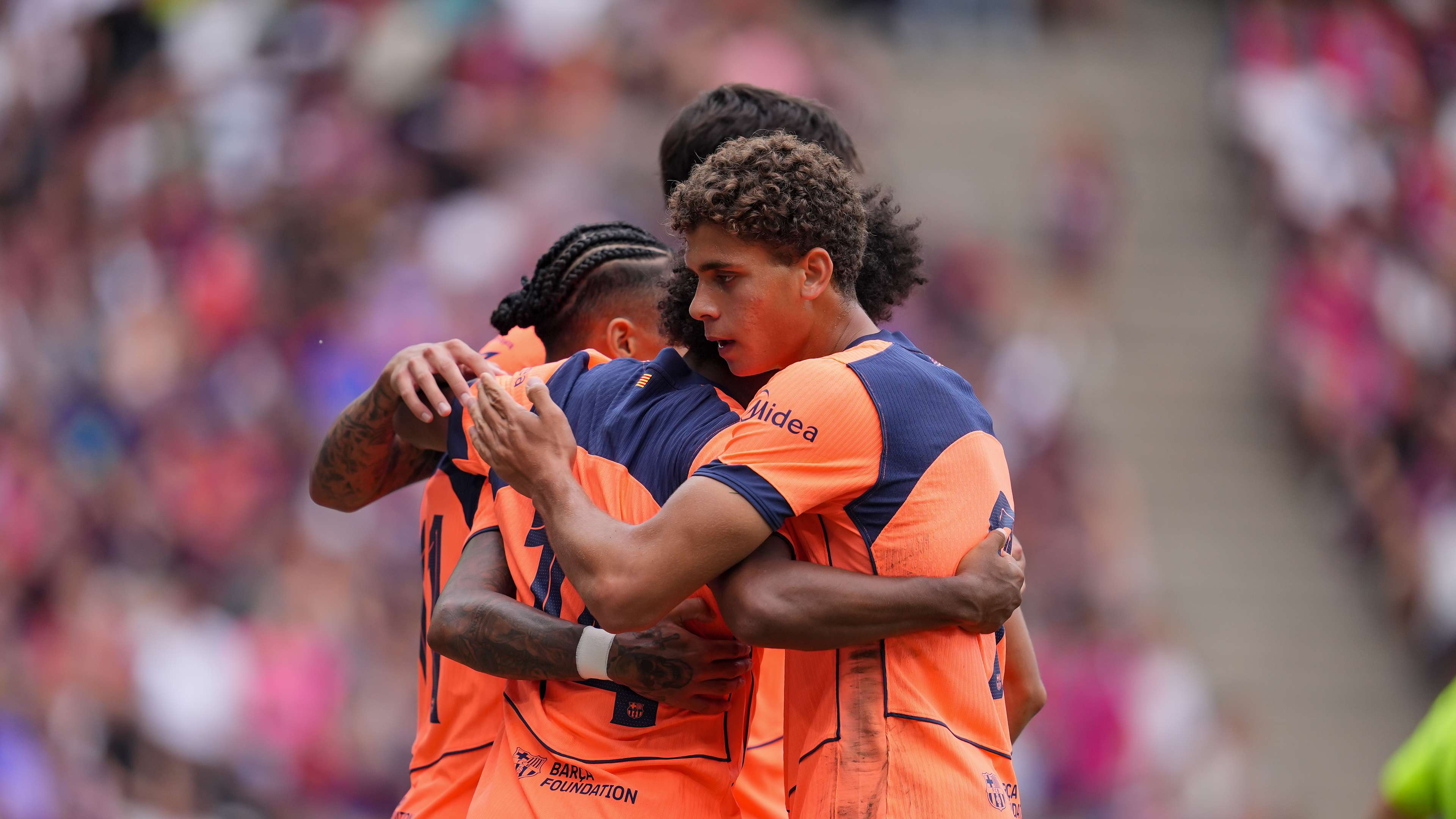
Barcelona executed a calculated summer transfer strategy for La Masia academy graduates lacking a clear path into Hansi Flick's first-team plans. Rather than losing talented young players permanently, the club structured every departure with financial safeguards and potential reacquisition routes, balancing immediate revenue needs with long-term asset recovery.
The Catalan giants faced a familiar challenge: developing prospects who had outgrown the B team but couldn't break into senior football. Jofre, Toni, Espart, Guille Fernández, and Álvaro Cortés all had previous experience under Flick during their academy progression, giving the manager deep knowledge of their capabilities. Flick conducted thorough pre-season assessments regardless, ensuring no talent slipped through due to oversight.
Strategic Contract Architecture
Barcelona's board prioritized two objectives: generating funds to satisfy financial fair play regulations while maintaining ownership leverage over these emerging talents. Every outgoing deal incorporated resale percentage clauses at varying thresholds. Jofre, Toni, and Álvaro Cortés carried 50% resale rights, Guille at 40%, with others at lower percentages. This approach mirrors modern German and Dutch clubs' approach to academy exits, maximizing profit on eventual resales.
Buy-back clauses formed the second layer of control. SC Braga's acquisition of Toni for 11 million euros plus performance add-ons included no repurchase option, reflecting the player's profile. However, Barcelona secured buy-back clauses for Guille, Toni, and Jofre, activating from 2028 onwards at valuations between 10 and 15 million euros. This structure—higher sale price correlating with lower retained percentage—incentivizes buying clubs to develop the players while guaranteeing Barcelona a pathway back if they flourish abroad.
Current Progress and Future Outlook
Álvaro Cortés has established himself as the group's most advanced prospect, securing regular starting minutes at Royal Antwerp and developing into a genuine senior-level professional. His trajectory demonstrates the model's effectiveness: Barcelona identified his potential, funded his development, and now benefits from loan monitoring before a potential permanent future.
The philosophy underpinning these decisions reflects institutional confidence that academy-trained talent often returns to its source. Some graduates will succeed immediately; others face longer development paths. Barcelona has engineered a system where financial pressures don't force permanent exits—instead, departures become stepping stones with reversible outcomes, giving young players competitive opportunities while preserving the club's strategic options.