
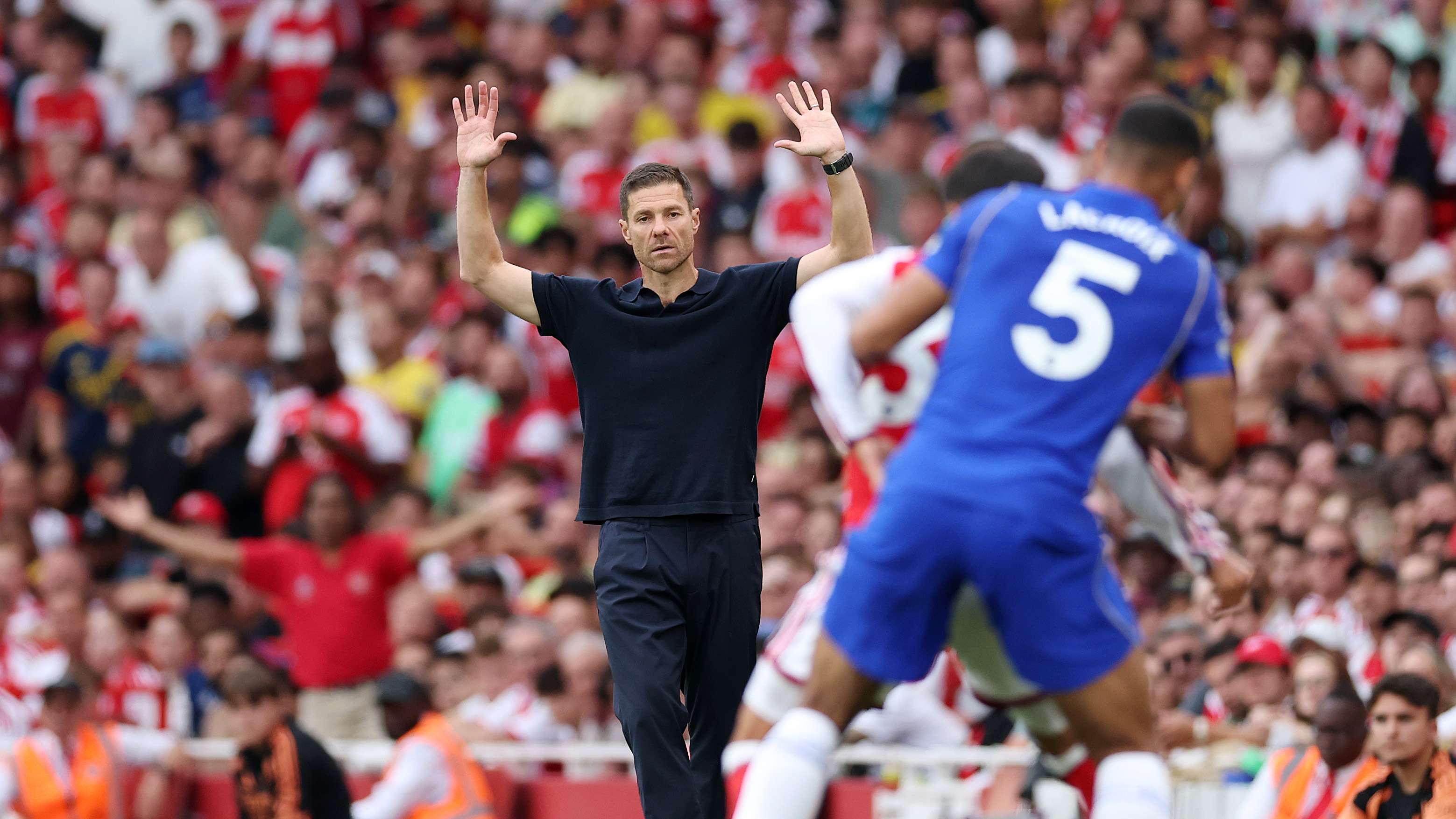
Xabi Alonso deployed an unconventional defensive strategy to counter Arsenal's set-piece threat during Chelsea's 2-1 defeat at the Emirates Stadium. The tactical innovation left Gary Neville visibly surprised in commentary, as the pitch emptied of players in a desperate bid to neutralise one of Mikel Arteta's most potent weapons.
The Set-Piece Conundrum
Arsenal's corner-kick expertise has become legendary in the Premier League. Last season, their dominance from dead-ball situations played a crucial role in their title challenge. Recognising this threat, Alonso implemented a bold counter-attacking gambit on Sunday evening. When Arsenal prepared to take their opening corners, Chelsea pushed four attacking players—João Pedro, Morgan Rogers, Cole Palmer, and Pedro Neto—forward into advanced positions.
The two midfielders remained stationed around the halfway line, while Palmer and Neto positioned themselves just 15 yards inside Chelsea's own half, hovering near the centre circle. This aggressive push forced Arsenal into an impossible choice: either accept a numerical disadvantage in the box or recall defensive specialists to maintain balance. Arteta quickly reassigned key set-piece operators to even the numbers, leaving the pitch in a state of unusual chaos.
Neville's Astonished Reaction
The former Manchester United defender struggled to comprehend the scene unfolding before him. "There's chaos," Neville remarked, "with four Chelsea players positioned at the front of the pitch." He continued: "Arsenal are reorganising very quickly, but it's like five against five inside the penalty area—it's crazy. What an incredible thing." The tactic created a surreal dynamic where both teams were forced into defensive reorganisation, leaving large sections of the pitch completely vacant.
Alonso's approach mirrors a strategy previously deployed by Liam Rosenior during his tenure at Chelsea. By flooding the halfway line with attacking talent, managers can force opponents into uncomfortable trade-offs between defending set-pieces and preserving counter-attacking structure. If this tactical innovation gains traction across the Premier League, defending teams may finally possess a blueprint to limit high-press set-piece specialists who have dominated English football's dead-ball phases for months.