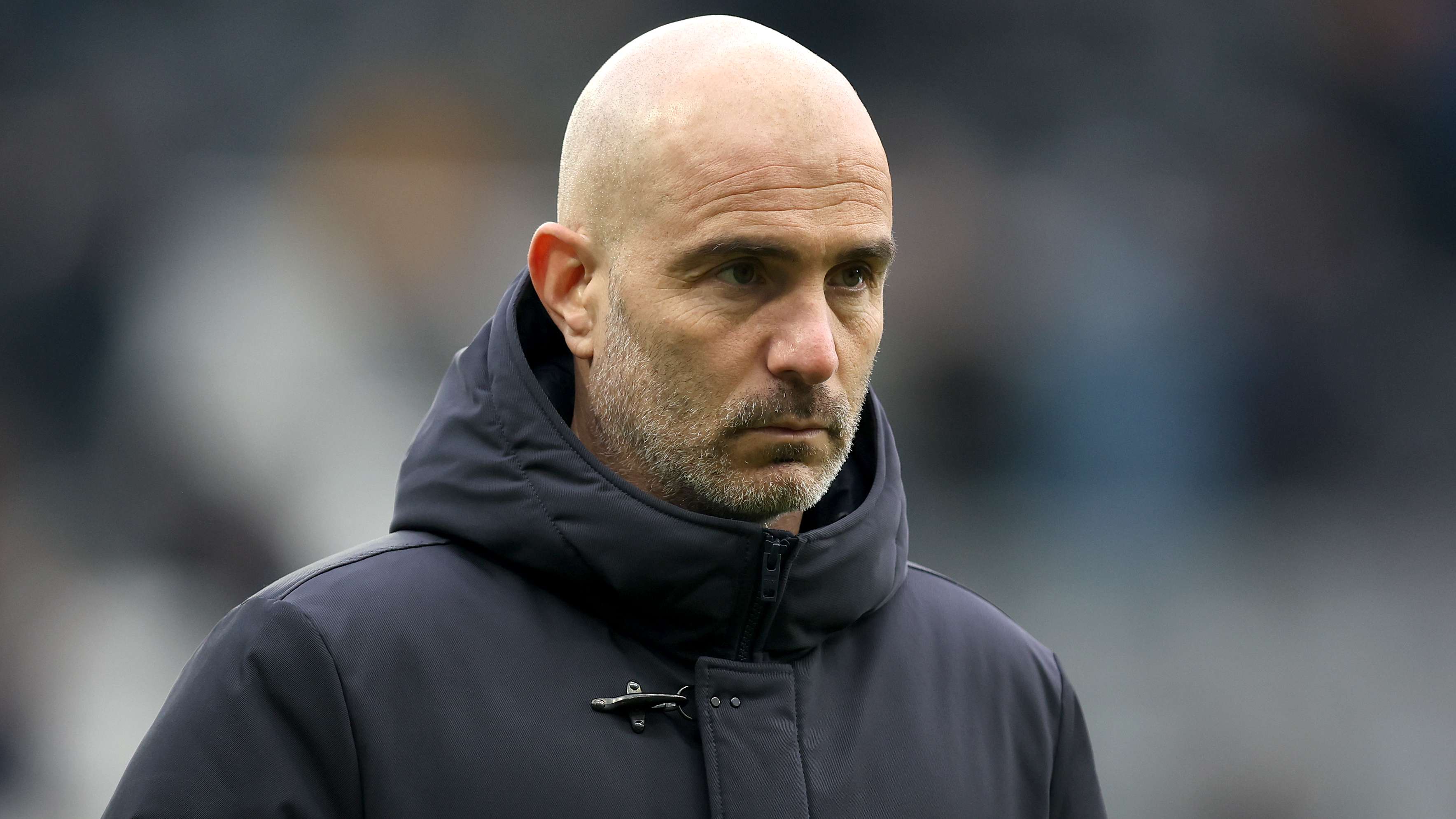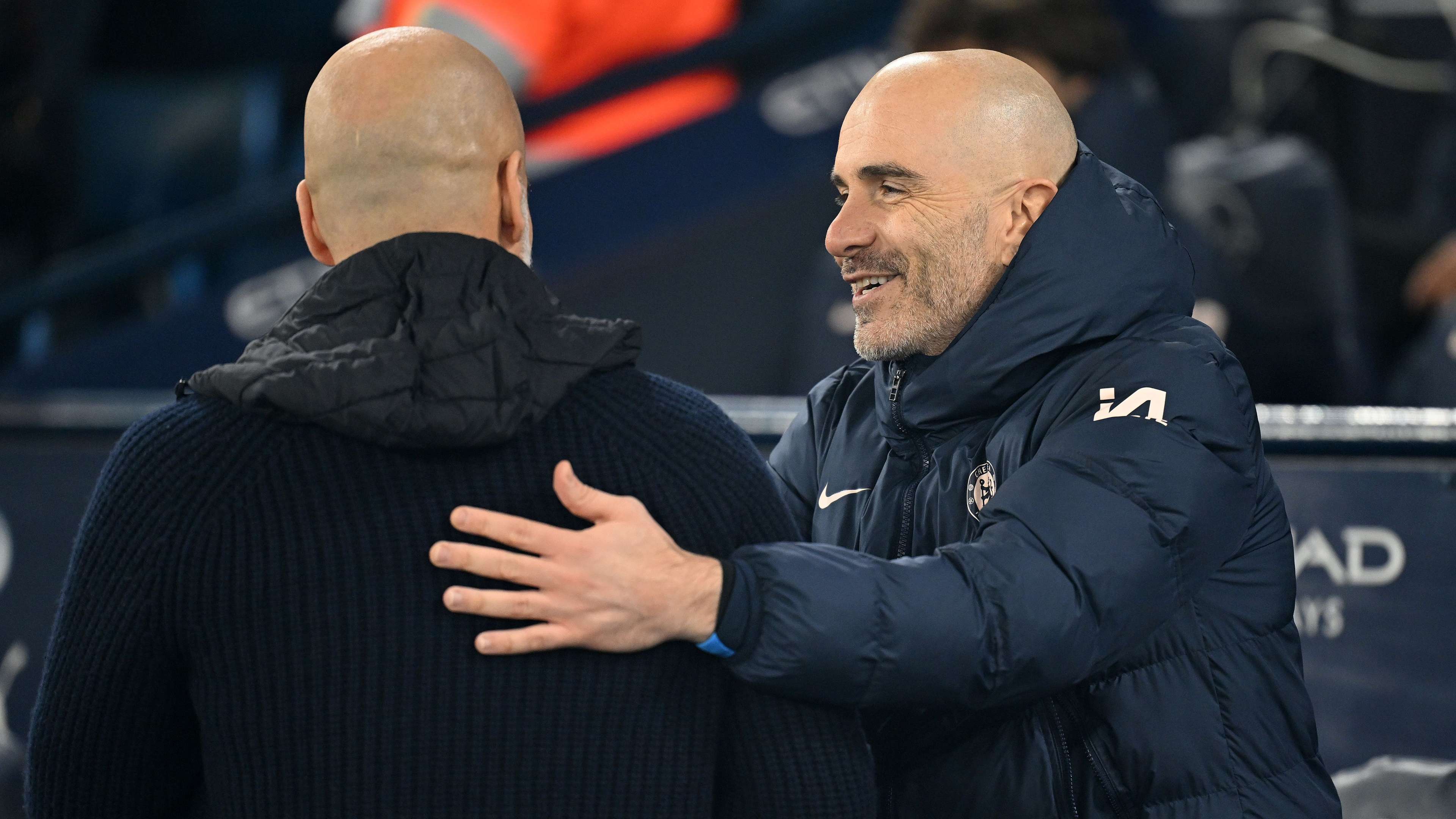
Ruben Dias has opened up about the tactical shift unfolding at Manchester City under new manager Enzo Maresca, offering a measured perspective on the club's transition away from the Pep Guardiola era. Named as the club's primary captain ahead of the 2024-25 season, the Portuguese centre-back has praised the fresh energy while emphasizing that core principles remain intact.
In an interview with City's official website, Dias struck a careful balance between acknowledging change and highlighting continuity. "Really positive. Obviously, lots of things have changed but, in the end, not changed that much. It's new energy and we're feeling good. Enzo has his specific ideas about the way he sees the game – offensively and defensively," he explained. The defender's comments suggest that Maresca is implementing his own philosophy without dismantling the foundations of one of Europe's most successful modern teams.
Possession as the Bridge Between Eras
The most striking element of Dias's assessment centres on ball possession as a through-line connecting both managerial regimes. Manchester City's identity has always revolved around dominance on the ball—a principle that predates Guardiola and remains fundamental under Maresca. "There's a lot of us with the ball and that's our main characteristics. I feel like in that way it's a continuity, even though we are different," Dias noted. This emphasis on retention and spatial control suggests the new manager has adapted his tactical blueprint to suit the squad's inherent strengths rather than forcing a wholesale reinvention.
Maresca has formally restructured the club's leadership group, with Dias joining Erling Haaland, Marc Guehi, and Gianluigi Donnarumma as the four official captains. This decision signals stability during a season of significant personnel changes, including the record-breaking arrival of Enzo Fernández from Chelsea. Under Manchester City's recent trophy-laden run, the club won five Premier League titles in six years (2018–2023)—a benchmark any successor to Guardiola must match.
Dias's endorsement of Maresca and confidence in the team's direction carry real weight. The centre-back's experience under Guardiola positions him as a bridge between eras, and his assertion that the dressing room is unified and "buying into the idea" suggests the transition will not derail the club's pursuit of domestic and European silverware. The real test arrives in upcoming fixtures against elite opposition, where Maresca's tactical innovations will face genuine scrutiny from Premier League rivals.