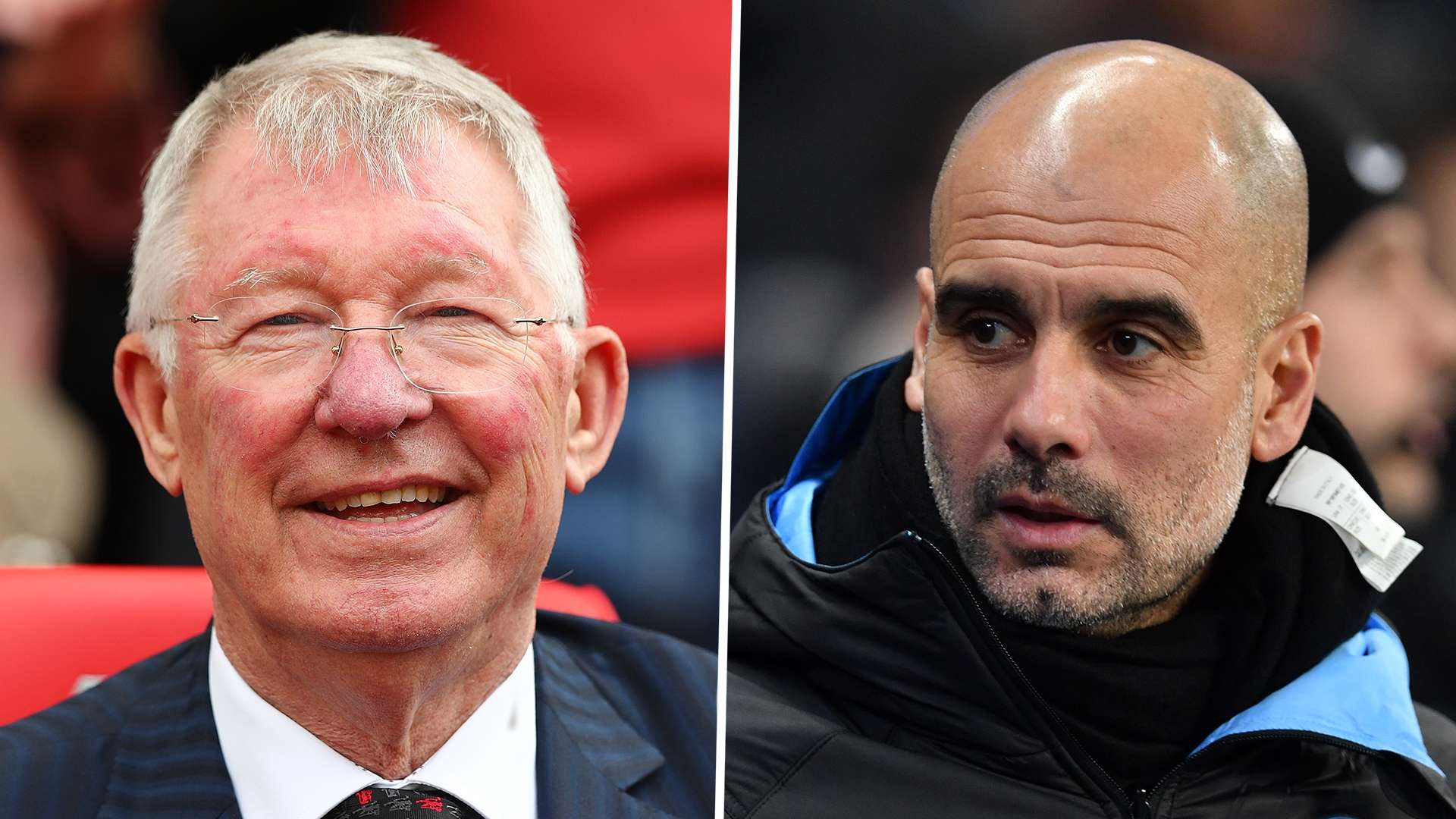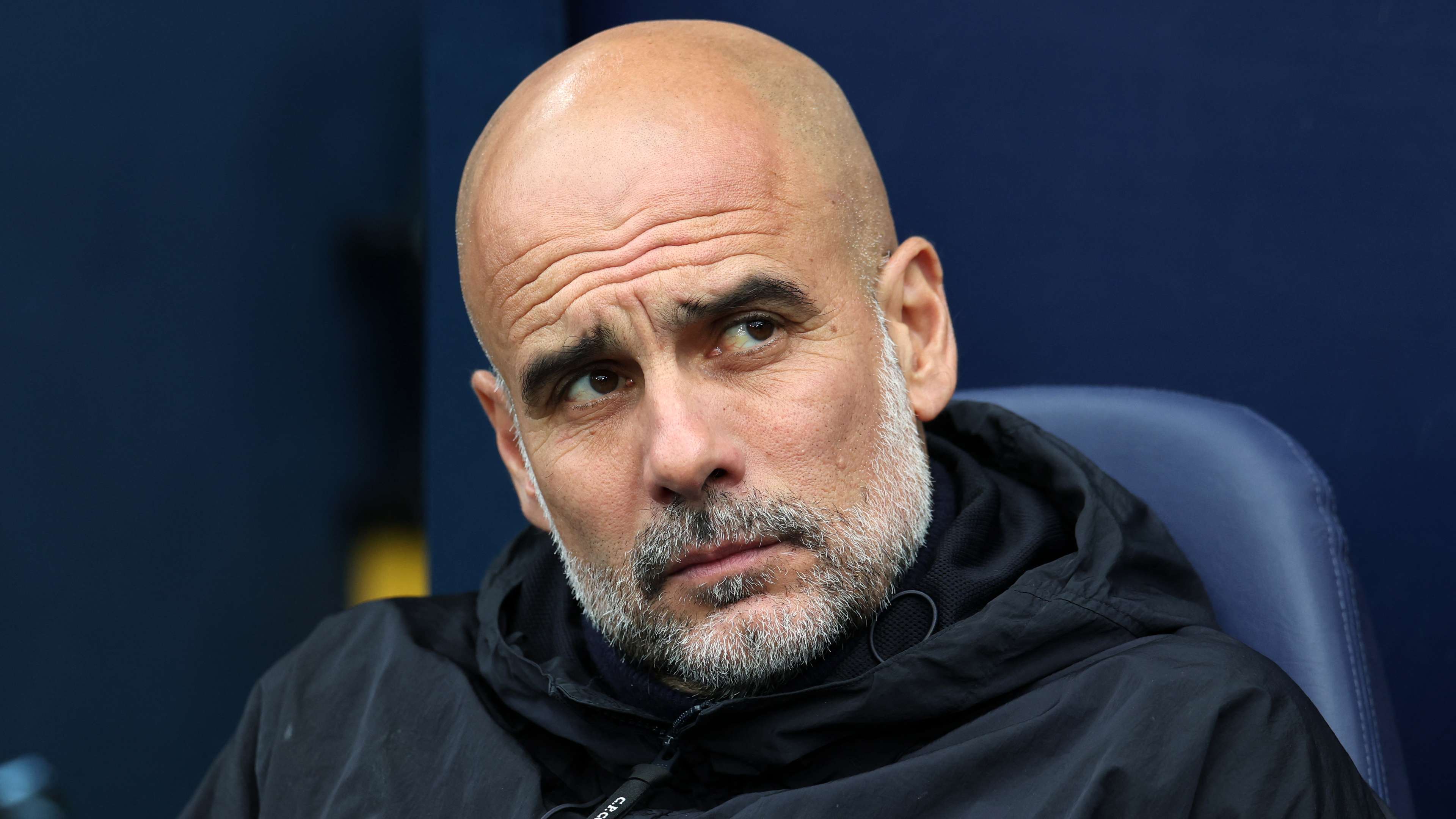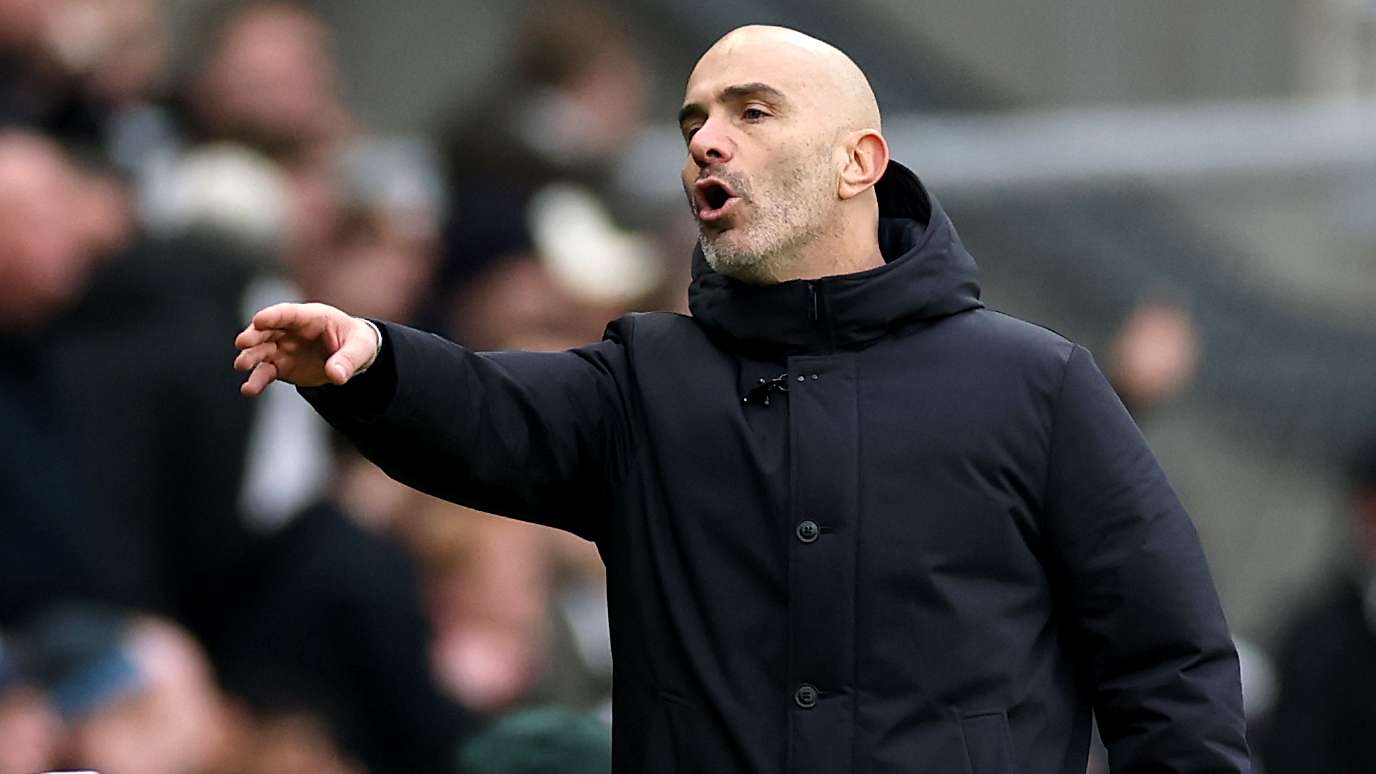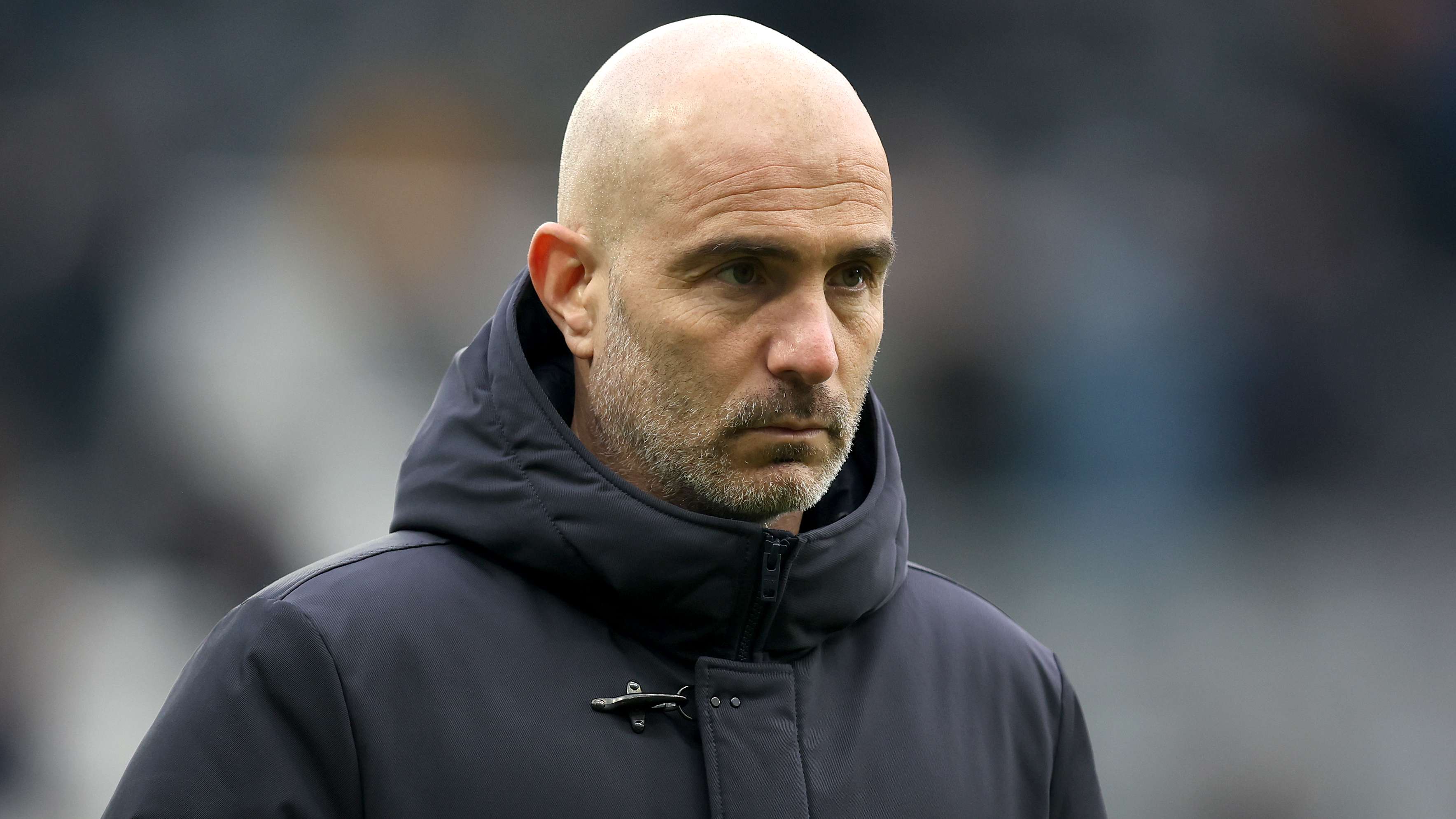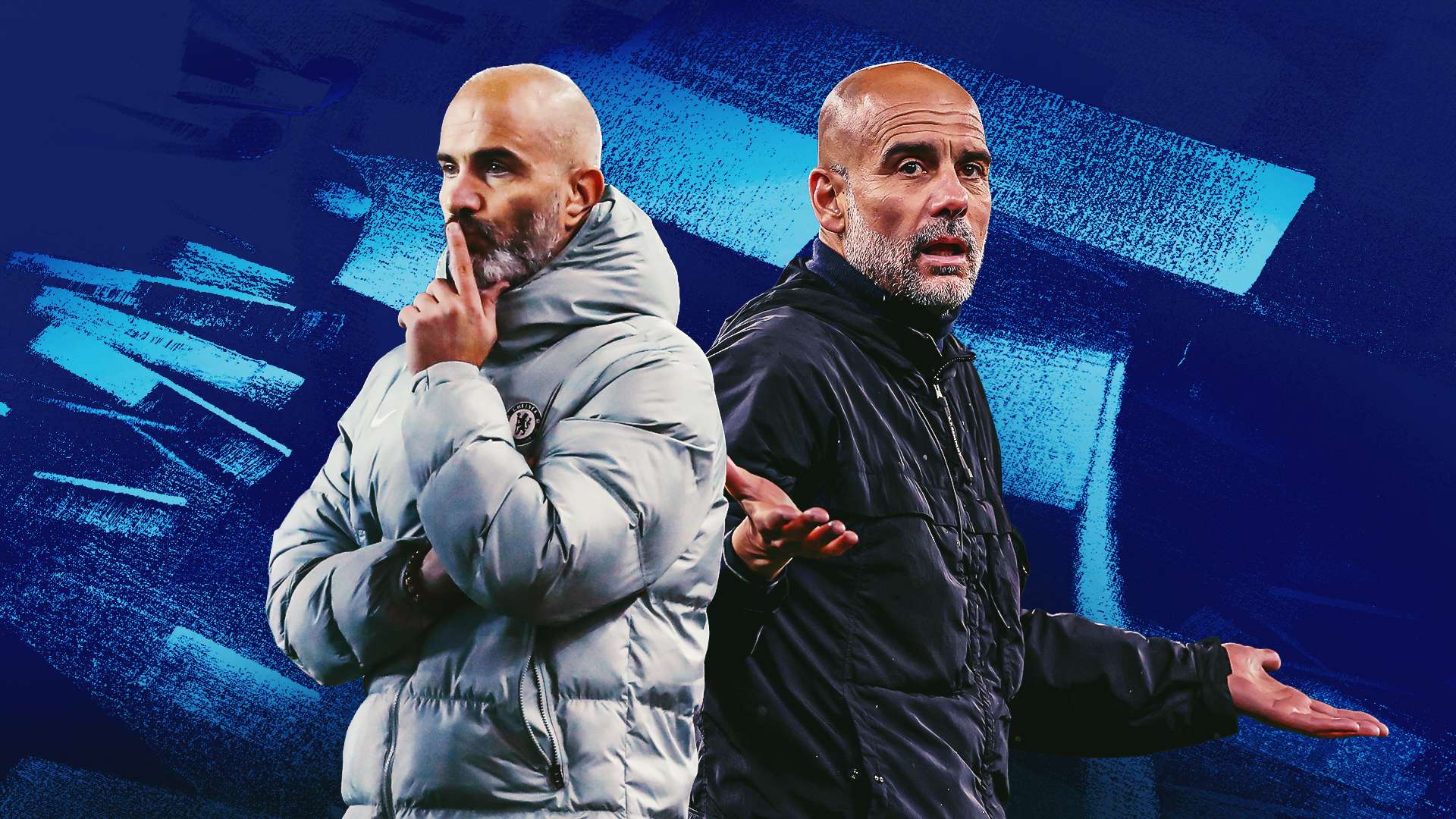
Pep Guardiola's impending departure from Manchester City marks the end of one of football's most dominant chapters. Reports suggest the Spanish manager will leave at season's end, concluding a transformative tenure that reshaped English football and established City as a sustained force at domestic and continental level. With Enzo Maresca linked as his successor, the focus has shifted to assessing what Guardiola leaves behind and where his legacy ranks among Premier League history.
The numbers tell a compelling story. Guardiola has collected 20 trophies during his Manchester City reign, including six Premier League titles and one Champions League crown. His trophy haul approaches that of Sir Alex Ferguson, who won 13 league titles across 26 years at Manchester United. Yet Guardiola's task differed fundamentally from Ferguson's rebuild—he inherited a competitive squad and transformed it into a consistent winning machine. The consistency is remarkable: City have sustained excellence across multiple cycles of squad regeneration, adapting tactics and formations to maintain dominance.
The Klopp Rivalry and English Football's Greatest Contest
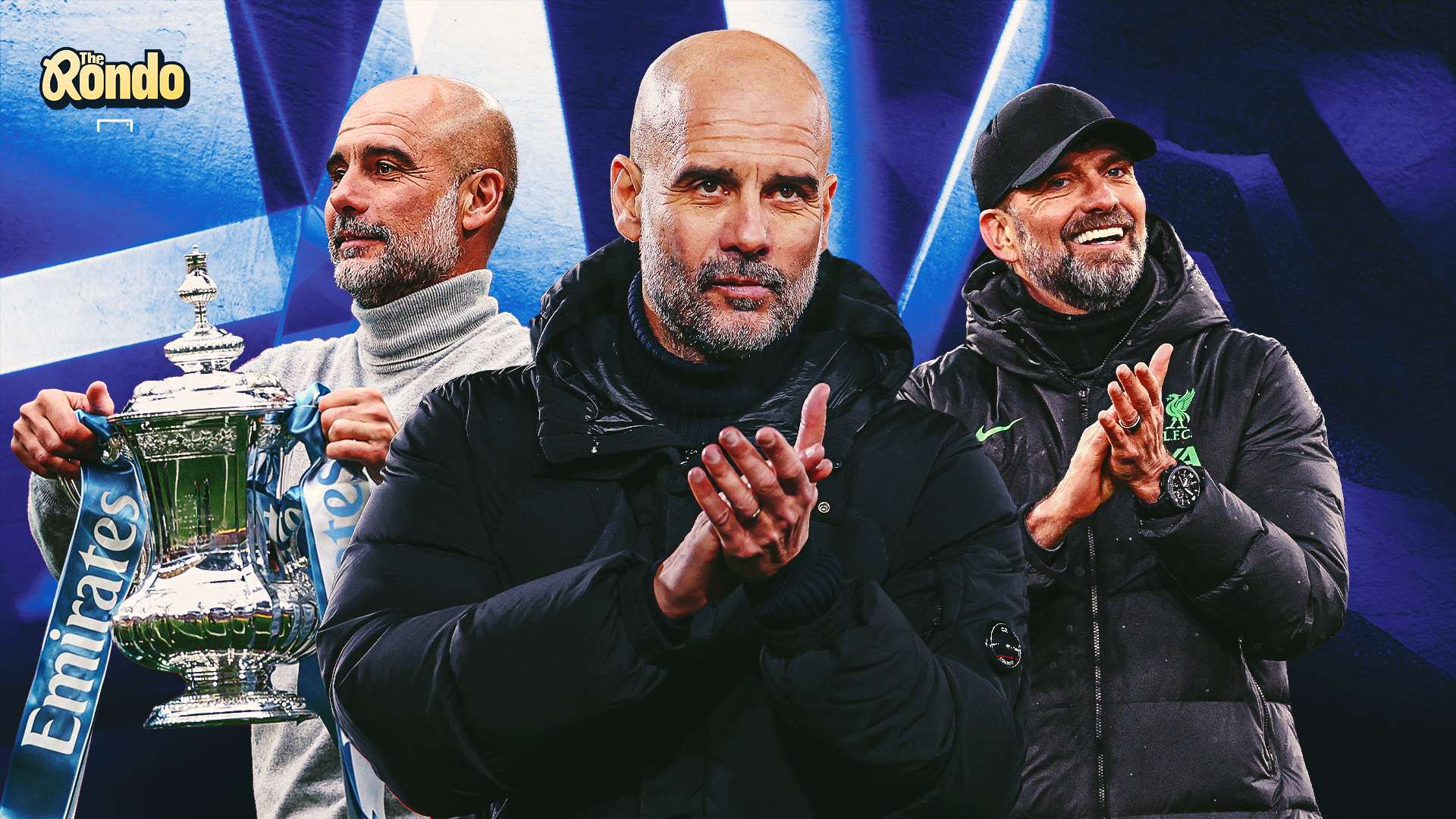
The most memorable subplot of Guardiola's era involves Jurgen Klopp and Liverpool. For nearly a decade, their tactical duels captivated English football. Klopp's high-pressing, counter-attacking philosophy offered the clearest counter-narrative to Guardiola's possession-based control. These weren't routine matches—they were chess matches where tactical adjustments determined outcomes. Klopp departed Liverpool in 2024, and now Guardiola follows, closing a rivalry that defined the Premier League's competitive landscape.
What distinguishes Guardiola's management is constant reinvention. Rather than relying on a rigid system, he evolves mid-season, experimenting with formations and pressing triggers. This flexibility enabled City to overcome tactical innovations from opponents. His ability to switch between false nine systems, inverted fullbacks, and traditional strikers demonstrates a coach unwilling to become predictable—a quality that separates elite managers from competent ones.
What Comes Next
Speculation surrounds Guardiola's next move. He has managed in Spain, Germany, and England—the three major European leagues. France and Italy remain possibilities, though international management increasingly surfaces in discussions. A break from club football cannot be ruled out. Maresca inherits an ambitious challenge: maintaining City's competitive edge without the tactical genius that built this dynasty.
Guardiola's legacy transcends trophies. He elevated Manchester City from consistent contenders into the Premier League's defining force, set new standards for tactical sophistication, and created one of football's greatest rivalries with Klopp. Where he ranks among Premier League greats depends on how Maresca navigates the transition and whether City sustains their dominance in a post-Guardiola era.