
Al-Nassr travelled to face Al-Ittihad at the Al-Inma Stadium in Jeddah for a charged Saudi Roshn League encounter that carried far more weight than a routine fixture. The fifth-round clash promised fireworks, built on the foundation of five consecutive setbacks that had poisoned the relationship between these domestic rivals and fundamentally altered the trajectory of Al-Ittihad's season.
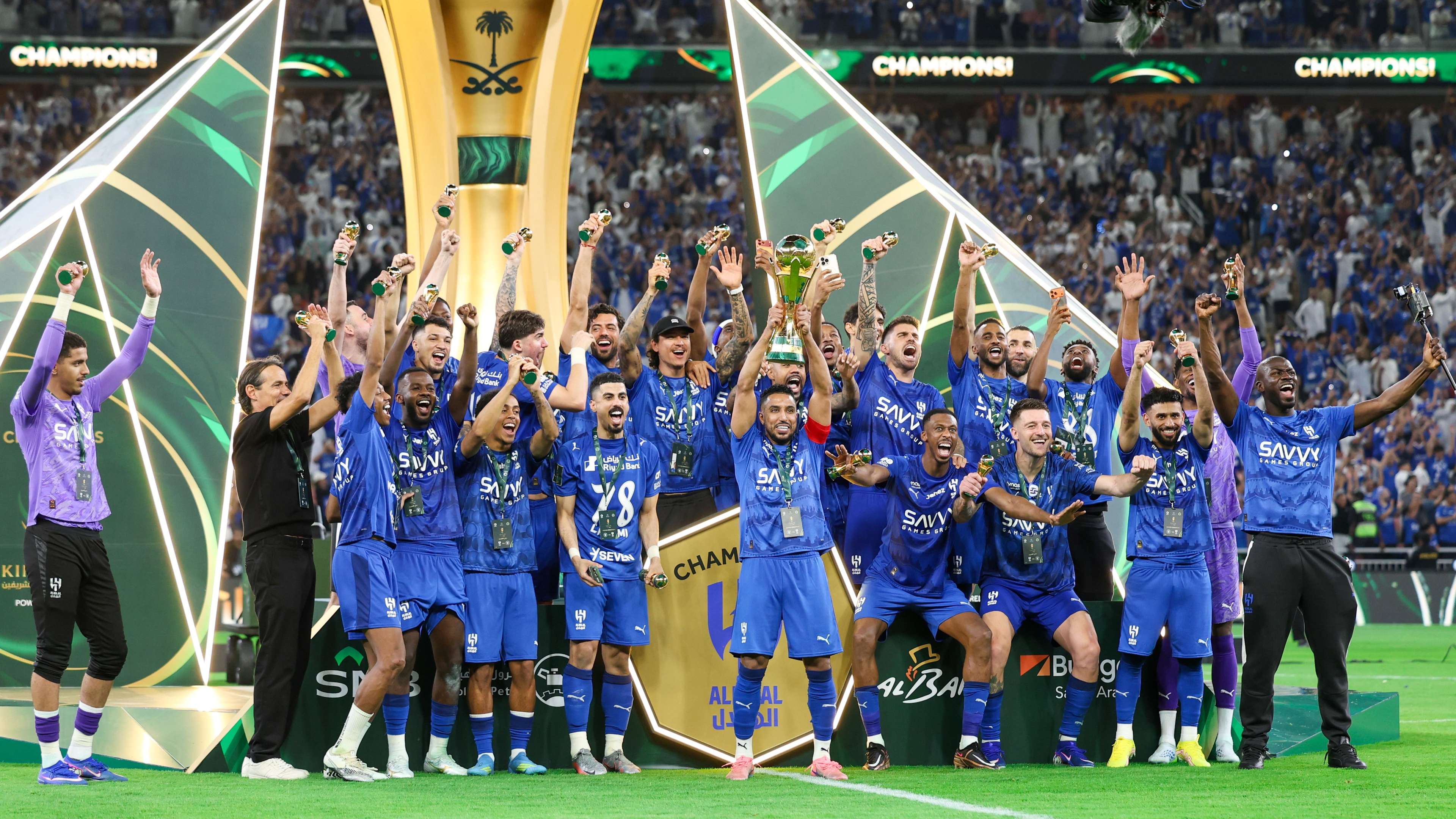
The animosity traces back to last season's Saudi Super Cup semi-final in Hong Kong, where Al-Nassr defeated Al-Ittihad 2-1 and robbed the Jeddah club of a historic opportunity. Al-Ittihad had just captured the domestic double—the Saudi Roshn League and King's Cup—for the first time in their history. Victory in the Super Cup would have delivered an unprecedented treble, but Al-Nassr's victory extinguished that dream before it could materialize. The impact rippled through the Al-Ittihad organization immediately, with French coach Laurent Blanc bearing the brunt of the fallout.
Blanc's Downfall and the Domino Effect
Blanc's reign unravelled across the autumn months of the previous campaign. On 26 September, Al-Nassr inflicted a 2-0 defeat on Al-Ittihad in the Roshn League—the Tigers' first loss after three consecutive victories. Management showed no patience; Blanc was sacked immediately after that match, despite his impressive domestic double achievement. The club's descent accelerated under successor Sergio Conceicao, a Portuguese tactician unable to restore the stability his predecessor had created.
The consequences proved catastrophic across multiple fronts. Al-Ittihad tumbled to fifth in the league standings, crashed out of the King's Cup at the semi-final stage, and suffered elimination from the AFC Champions League Elite at the quarter-final hurdle. Meanwhile, Al-Nassr compounded their rivals' misery by winning again in the league's second fixture between the two teams with another 2-0 scoreline. What stung most was the manner of dominance: Al-Nassr had now recorded three victories over Al-Ittihad in a single season, achieving the latest triumph without their Portuguese star Cristiano Ronaldo in the lineup.
Revenge Narrative Takes Shape
By the time these teams reconvened for another meeting, revenge had become the dominant narrative. Al-Ittihad desperately needed to restore credibility after their catastrophic collapse from champions to fifth-place finishers. The psychological weight of multiple defeats to the same opponent—particularly in circumstances that cost a historic treble and a manager's job—created perfect conditions for a volatile, emotionally charged fixture. Coaches and players on both sides leaned heavily on this narrative heading into the match, knowing that victory would carry symbolic significance far beyond the three league points at stake.
The Saudi Roshn League's intensity stems partly from these deeply rooted rivalries. Each clasico between established powers becomes a referendum on recent form, managerial decisions, and institutional pride. For Al-Ittihad, beating Al-Nassr represented far more than securing a league victory—it meant reclaiming dignity after a season derailed by earlier encounters with their rivals and the seismic shifts that followed.