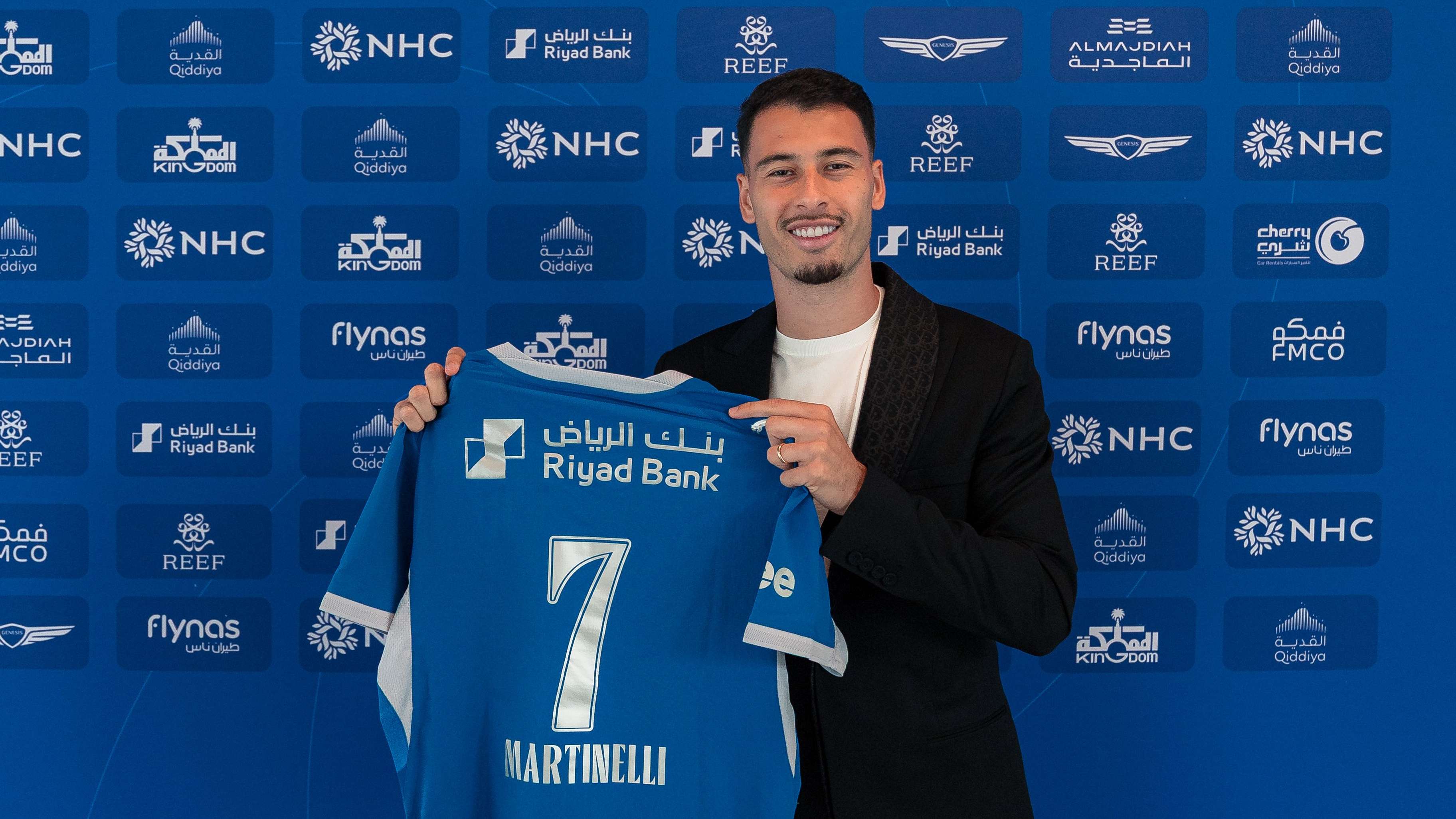
Gabriel Martinelli's transfer from Arsenal to Al-Hilal has divided the Saudi club's fanbase, primarily due to concerns about positional overlap with Crysencio Summerville on the left wing. However, the arrival reveals a more nuanced tactical strategy than simple squad depth, demonstrating how modern elite clubs view player acquisition through the lens of versatility and system flexibility.
Beyond the Left Wing: Martinelli's Hidden Tactical Value
The Brazilian winger's true strength lies not in occupying a fixed position but in his ability to operate across multiple attacking roles. While Martinelli spent considerable time on Arsenal's left flank, he possesses the technical intelligence to function on the right wing, drift into central areas, and even operate as a false nine. This positional fluidity transforms what appears as redundancy into tactical depth.
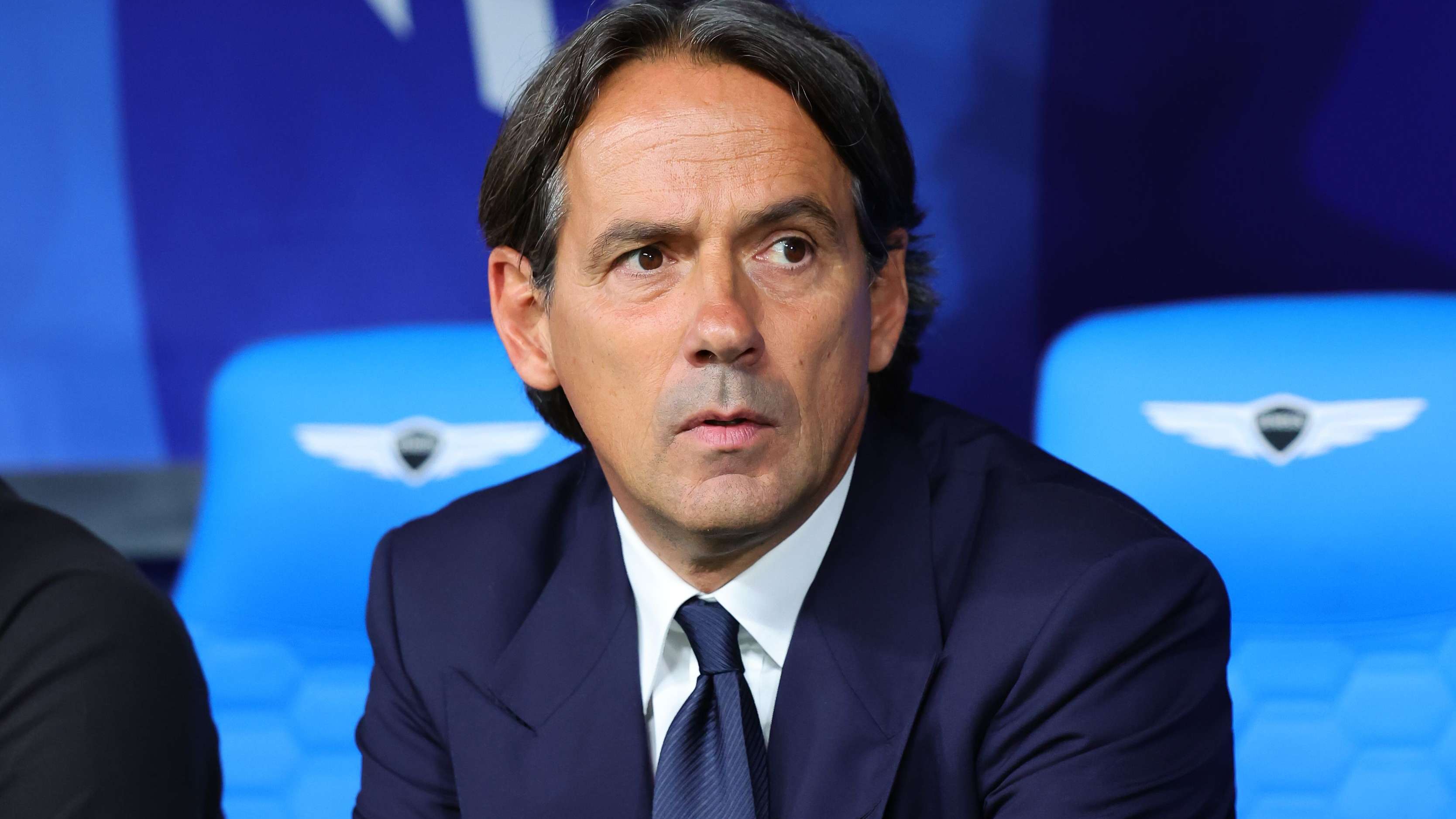
Under manager Simone Inzaghi, Al-Hilal's attacking structure demands more than traditional wingers. The club seeks players who can:
- Transition seamlessly from defensive pressing to counter-attacking threats
- Manipulate space by dragging defenders out of position
- Exploit gaps behind opposition lines with pace and ball-carrying ability
- Contribute to possession build-up rather than relying solely on individual dribbling
Martinelli's constant movement and intelligent positioning serve these demands directly. His work rate in both phases of play—defensive recovery and attacking acceleration—aligns with Inzaghi's philosophy that modern football requires forwards capable of pressing aggressively and transitioning rapidly into dangerous attacks.
Complementary Partnership With Summerville
Rather than competing for the same role, Martinelli and Summerville offer complementary tactical options. The Dutch winger's positional flexibility means either player can occupy the left flank while the other shifts to the right or drops into deeper attacking midfield spaces depending on match circumstances and opponent analysis. This versatility allows Inzaghi to rotate personnel based on tactical requirements rather than being locked into a fixed lineup.
Both arrivals reflect Al-Hilal's commitment to modern attacking football, where wingers function as complete attacking players rather than specialists confined to the touchline. The deal that sparked controversy actually demonstrates sophisticated squad building: investing in players whose technical range provides multiple tactical solutions throughout a demanding season.