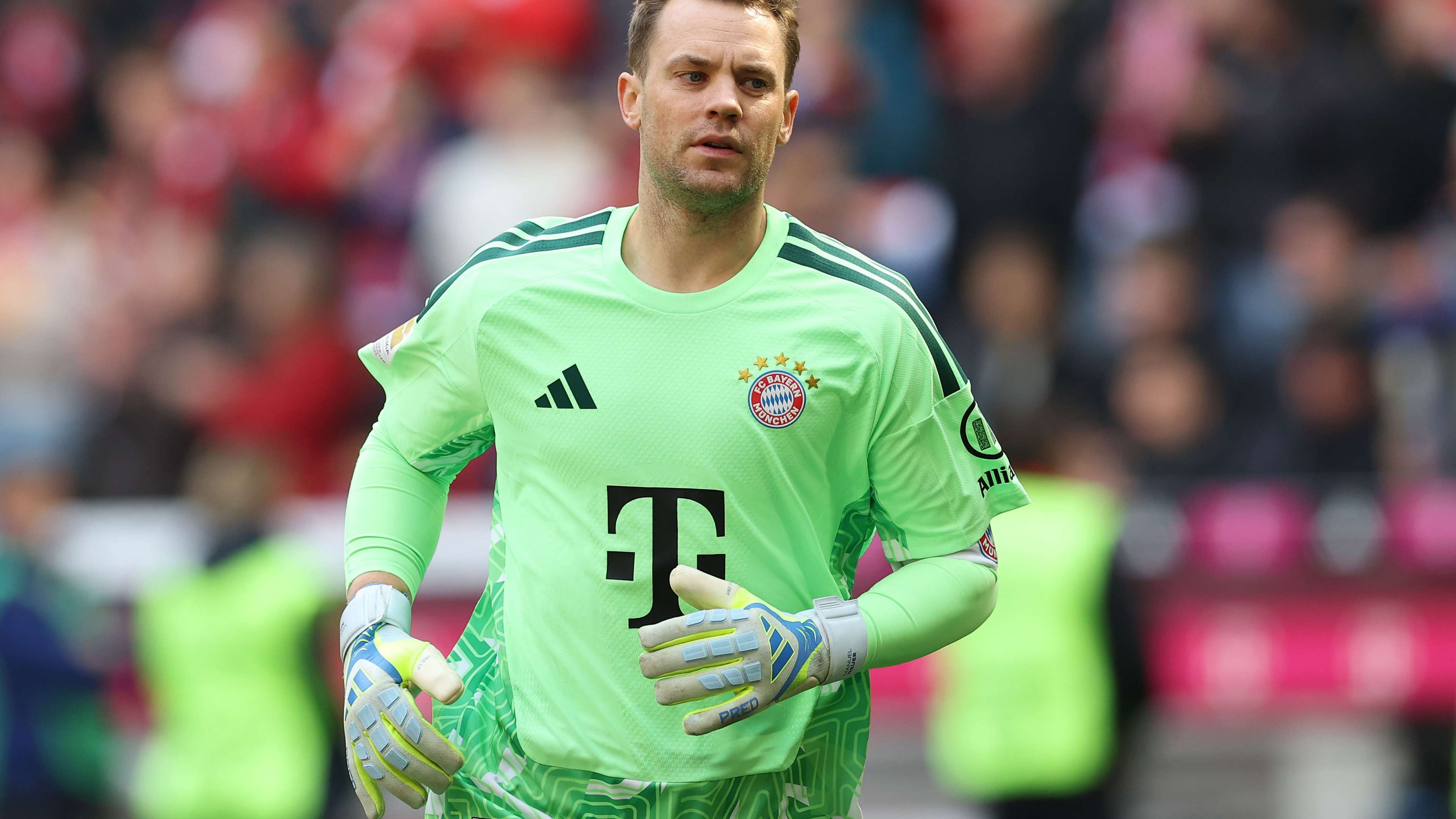
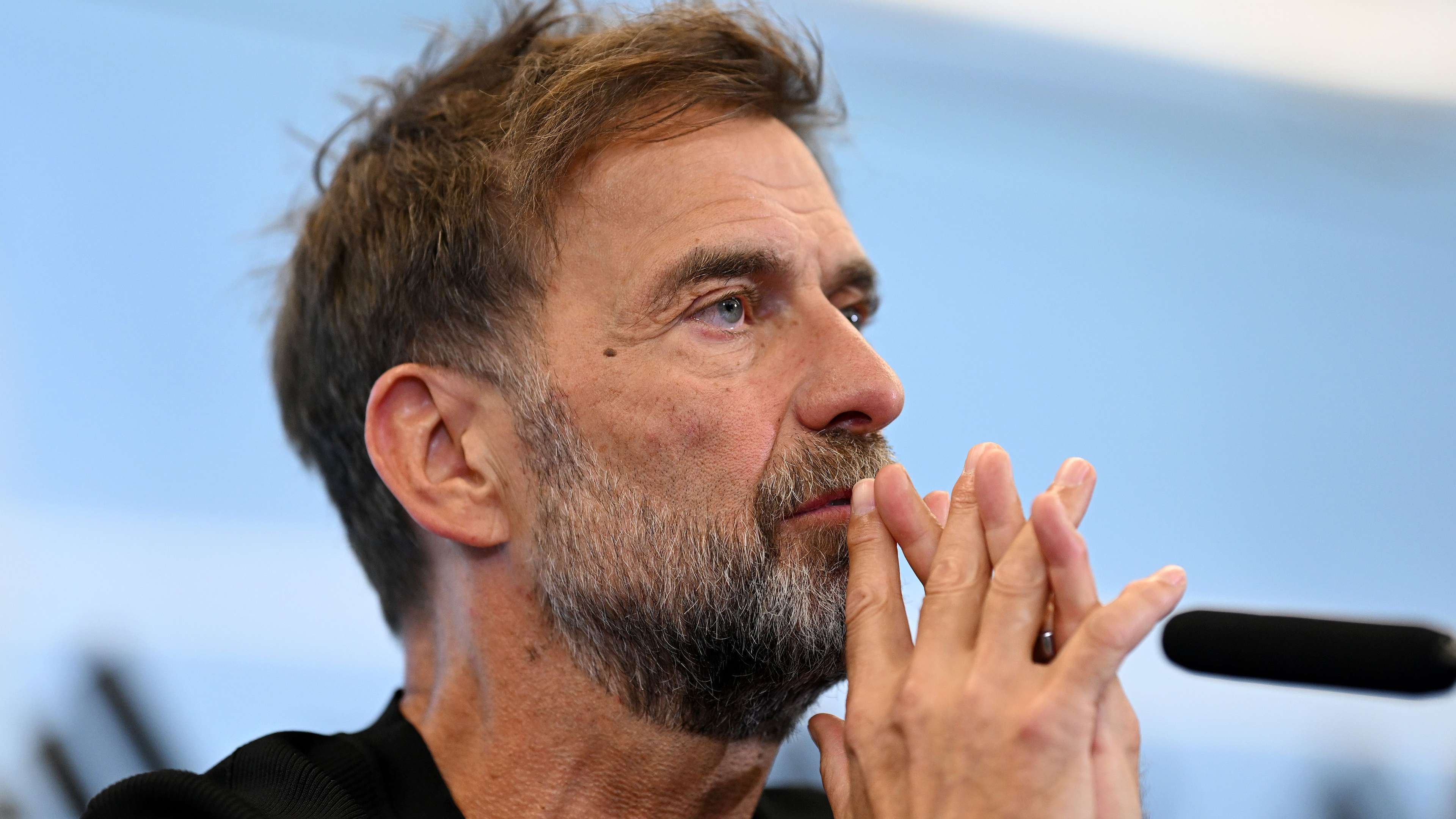
Jürgen Klopp faces an open goalkeeping battle as Germany's new head coach, with an unexpected contender emerging from an unlikely source. Diant Ramaj, the Borussia Dortmund loanee currently starring for FC Copenhagen, has positioned himself as a genuine option for the national team after months of strong performances in Denmark.
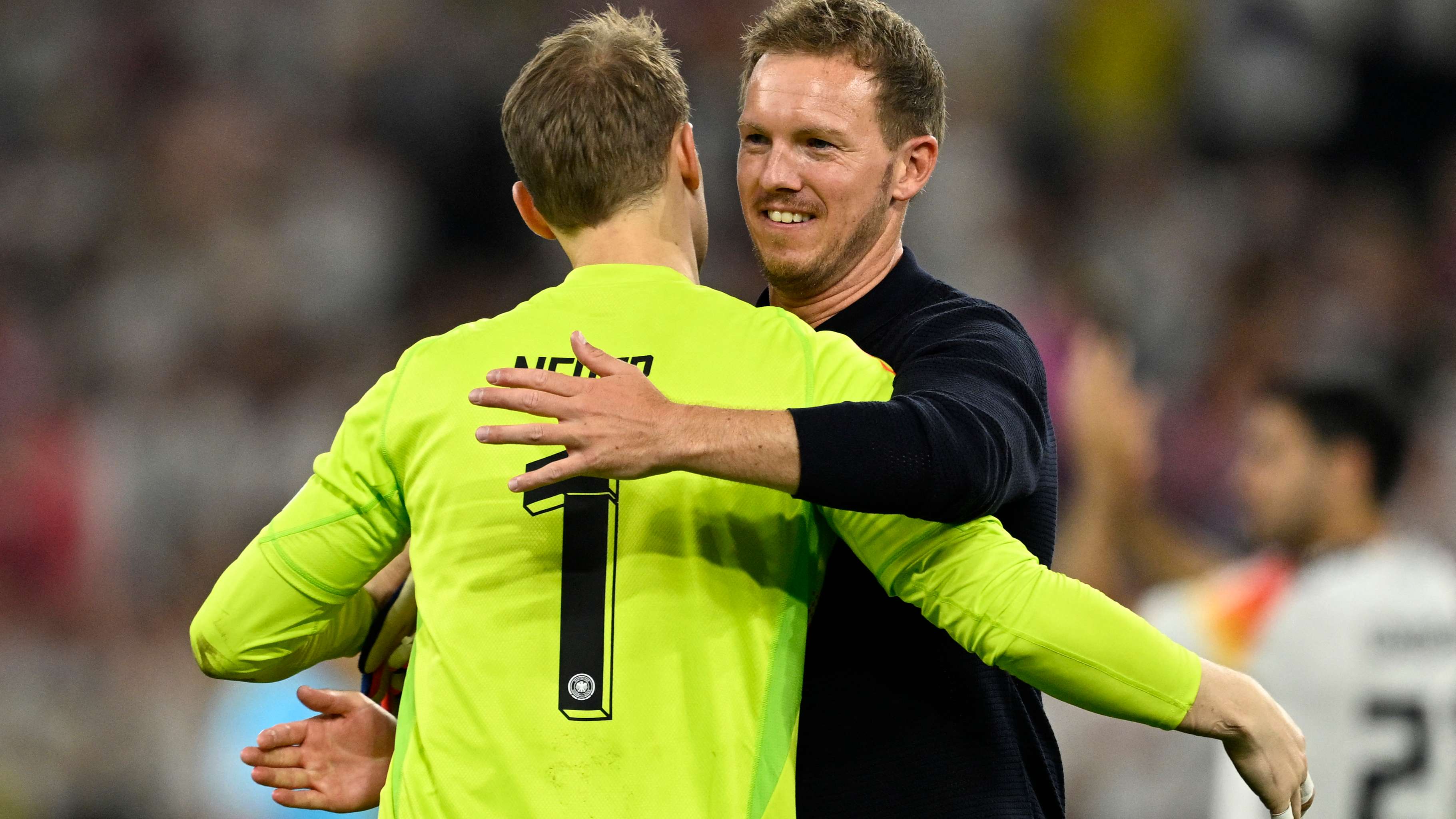
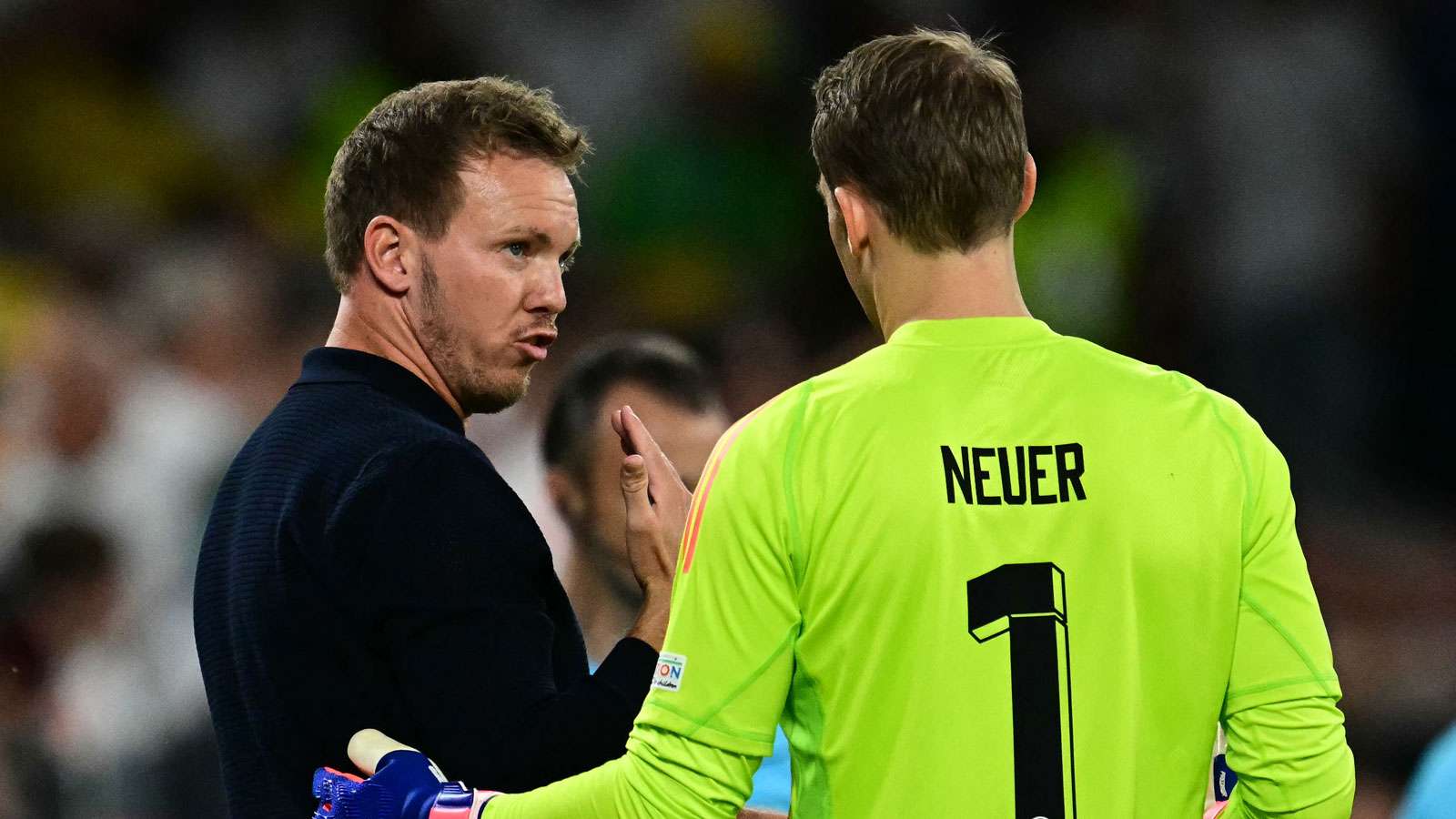
The goalkeeper position remains unsettled following Manuel Neuer's retirement after Germany's shocking penalty defeat to Paraguay in the 2026 World Cup round of 32. Klopp revealed he is evaluating 57 players for his opening Nations League fixtures against the Netherlands, Greece and Serbia, suggesting several unconventional picks have entered the frame. The traditional contenders—Oliver Baumann, Alexander Nübel and Marc-André ter Stegen—remain obvious choices, but Klopp's track record of innovative team-building hints at a willingness to explore fresher talent.
From Fringe Player to Conference League Starter
Ramaj's journey reflects the unpredictable nature of goalkeeper development. The Stuttgart-born stopper joined Dortmund from Ajax in 2025 but spent consecutive seasons on loan, first at Copenhagen and then at Bundesliga side Heidenheim, where he displaced established goalkeeper Kevin Müller. Returning to Copenhagen this season, Ramaj began on the bench but seized his chance when opportunities arose.
Since entering the lineup, his impact has been undeniable. Copenhagen have won all four matches featuring the 24-year-old, conceding only two goals while recording two clean sheets. The club qualified for the Conference League and climbed to the top of the Danish Superliga largely through his contributions. Former Mainz coach Bo Svensson, now managing Copenhagen, offered rare praise for Ramaj's ball-playing ability and composure in possession—attributes increasingly vital in modern football.
The Klopp Factor: Experience Meets Innovation
Klopp's appointment signals potential change in Germany's goalkeeping hierarchy. Alongside established candidates, he is clearly considering younger prospects like Jonas Urbig and Noah Atubolu, suggesting generational renewal is on the agenda. Ramaj represents the third pathway: a player previously overlooked by the national team structure but delivering tangible evidence of elite-level performance.
With the Nations League providing a low-stakes audition ground before World Cup qualification, Klopp has space to experiment. Ramaj's combination of distribution quality and reactive shot-stopping—areas where Neuer defined German goalkeeping—make him a theoretically intriguing fit. Whether the 59-year-old coach ventures into such unconventional territory remains to be seen, but Ramaj has certainly earned consideration through performances rather than reputation alone.