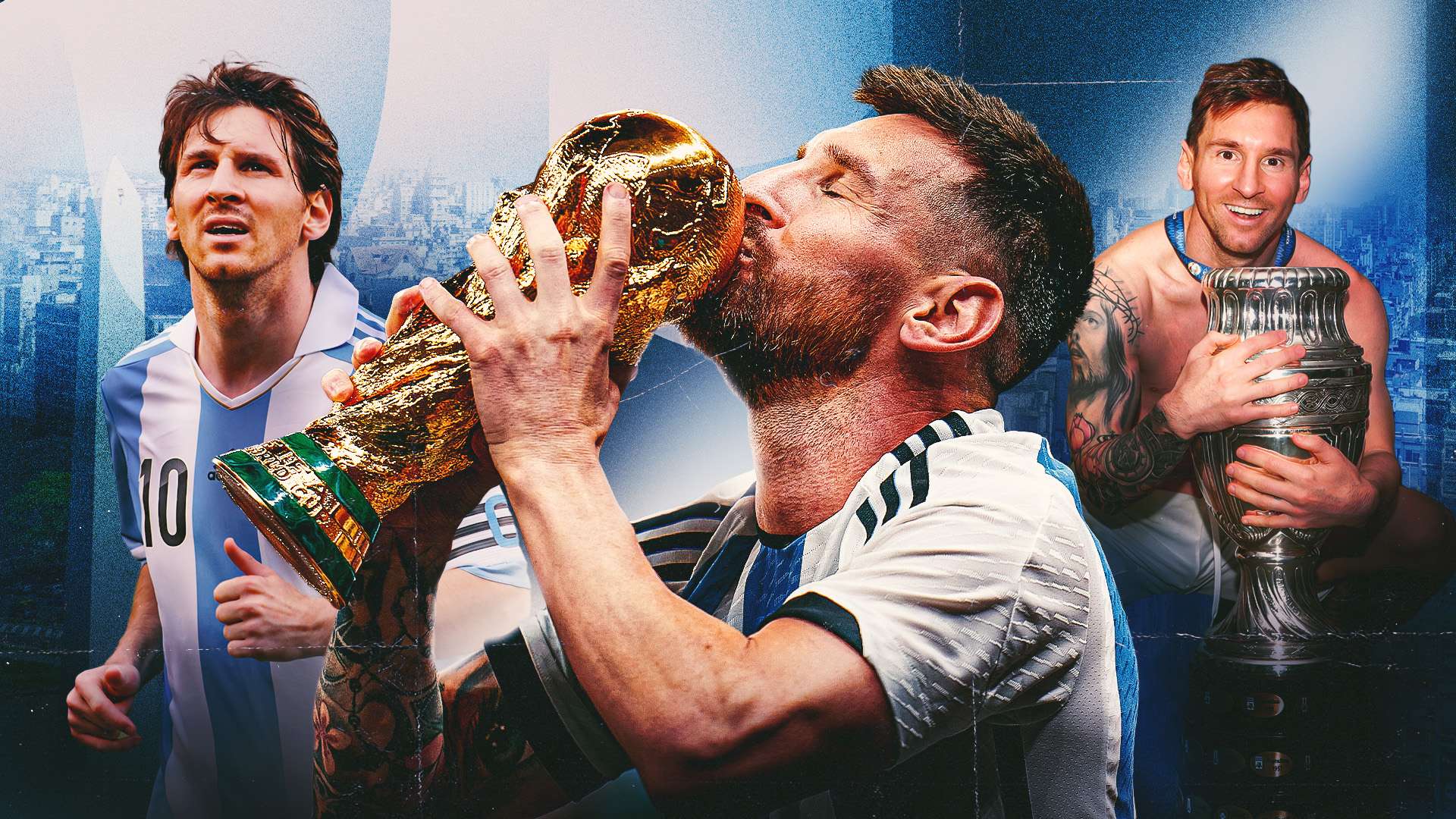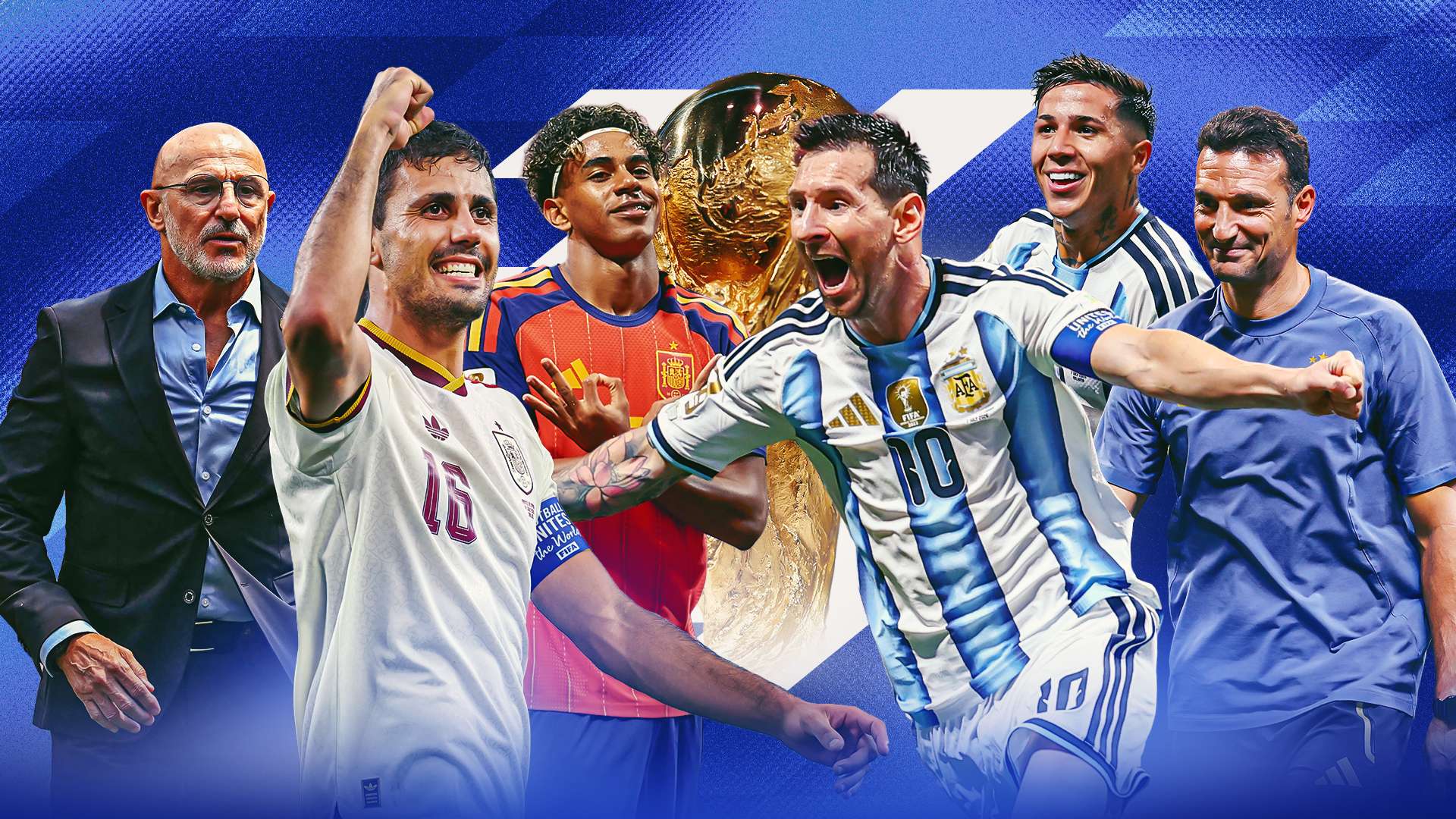
Spain face an unprecedented challenge heading into the 2030 World Cup: defending their newly won crown against a curse that has defeated every champion for over six decades. The Spanish defeated Argentina in the 2026 final, claiming their second world title, yet the road to back-to-back trophies remains treacherous. Only Brazil in 1962 has managed the feat since international football's highest pressure test became increasingly difficult for defending champions.
The historical burden weighs heavily on La Roja. Brazil won in 1958 and 1962, while Italy captured consecutive titles in 1934 and 1938. Since then, no team has repeated the achievement. Argentina reached the 1990 final as defending champions only to lose to West Germany. Brazil repeated that heartbreak in 1998, with France demolishing them 3-0 in the final. France themselves came agonizingly close in 2022 when Argentina beat them on penalties after one of football's greatest finals. The pattern suggests that retaining the World Cup represents perhaps the toughest challenge in sport.
The Morocco Factor: More Than Football at Stake
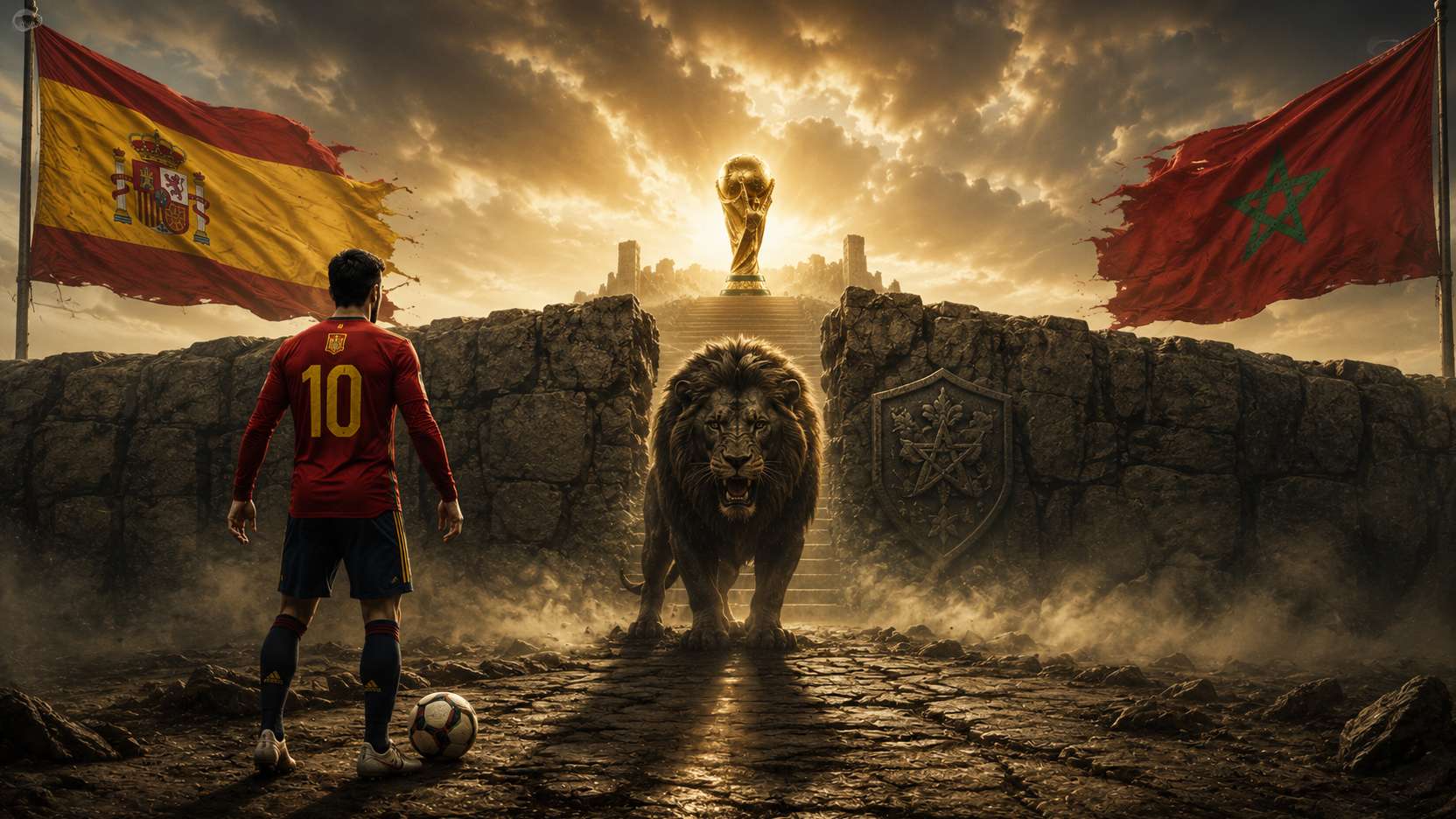
Spain's pursuit of glory extends beyond breaking the defending champions curse. The 2030 World Cup will be jointly hosted by Spain, Portugal, and Morocco, yet a fierce diplomatic battle has emerged over where the final will be played. Spain insists on the Santiago Bernabéu, while Morocco pushes hard to secure the new Hassan II stadium in Casablanca, which is expected to become one of the world's largest football venues. This contest has evolved into one of the tournament's most sensitive issues, given the symbolic weight of hosting the centenary World Cup final.
The rivalry between Spanish and Moroccan football federations reflects broader geopolitical tensions within the joint bid. While the three nations committed to sharing the tournament, the prestige and historic significance of hosting football's grandest stage has created genuine friction. Rafael Louzán, president of the Royal Spanish Football Federation, has publicly dismissed reports suggesting Morocco holds growing advantages in the stadium selection process. This battle mirrors the intensity Spain must muster on the pitch to defend their world champions status against rivals determined to prevent them from making history.
Spain's next four years will define whether they can overcome both the 60-year curse haunting defending champions and navigate the political complexities of their own tournament. The 2030 World Cup promises to test La Roja in ways no previous champion has faced.