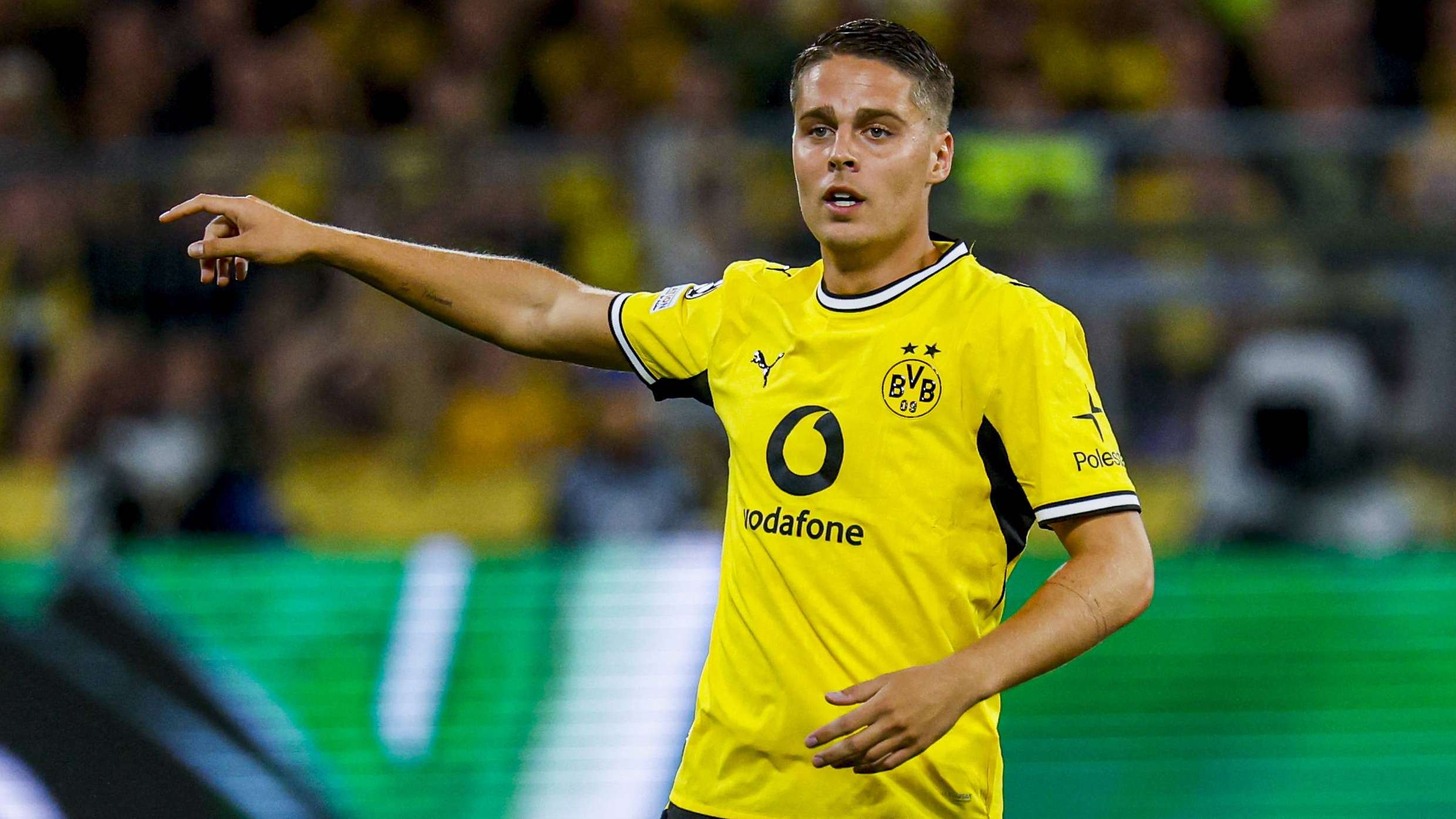
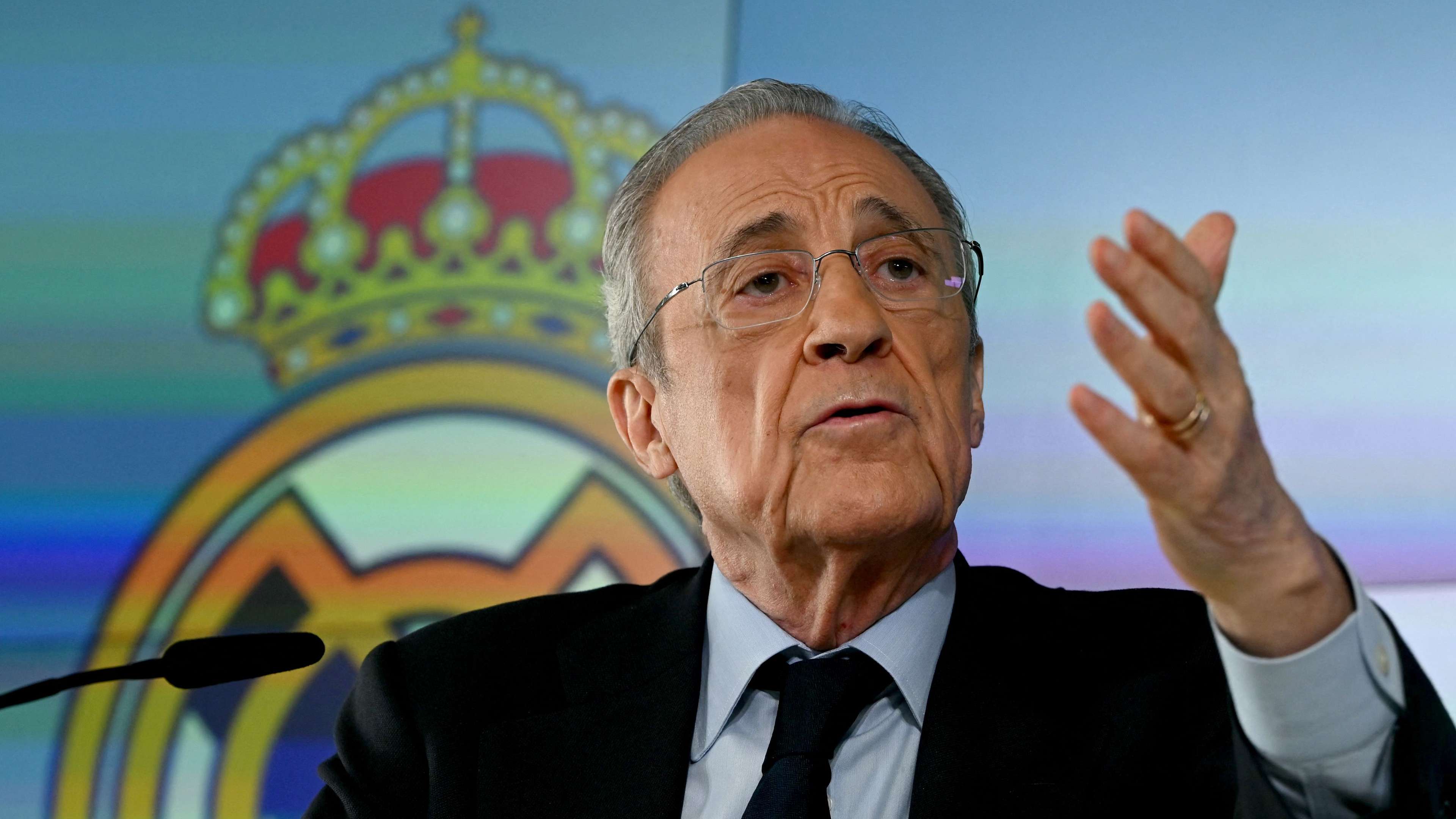
Florentino Perez's reluctance to pursue Rodri has become the primary obstacle preventing Real Madrid from securing the Manchester City midfielder, according to Spanish sports journalist Jesus Sanchez. While technical staff, supporters, and club hierarchy align behind the transfer, the Real Madrid president's injury concerns about the Ballon d'Or winner remain the sole barrier to a deal that appears otherwise straightforward.
Sanchez's analysis in Marca highlights an unusual disconnect within the Bernabéu power structure. The midfield architect from Manchester City has demonstrated exceptional form at the 2026 World Cup and openly desires a return to his Spanish homeland. Real Madrid's need for a creative midfield leader in the post-Toni Kroos era has never been more acute, particularly given the club's abundance of attacking talent in Kylian Mbappé, Vinícius Júnior, and Jude Bellingham.
All Conditions Favour the Move
The circumstances surrounding this potential transfer align more favourably than almost any previous Real Madrid recruitment: fan support has reached fever pitch with demonstrations at Cibeles Square, the player explicitly wants to join, his contract situation remains manageable, and domestic media consensus supports the signing. Historical precedent suggests Real Madrid has rarely encountered a more straightforward path to acquiring a player of Rodri's calibre.
The midfielder's recovery from injury has proven his durability, yet Perez apparently fears recurring fitness problems could undermine his investment. This caution, while understandable in isolation, contradicts the broader strategic vision that seems to energise the rest of the organisation. Real Madrid's current formation—comprising elite offensive weapons lacking midfield orchestration—resembles the French national team's structure: potent in attack but vulnerable without creative control and tempo management.
Can Mourinho Unlock the Deal?
Sanchez suggests that new manager José Mourinho may represent the only figure capable of swaying Perez's conviction. The Portuguese coach's proven ability to influence executive decisions could prove instrumental in overcoming the president's reservations. Without such intervention, the article warns, an otherwise inevitable transfer could collapse under the weight of institutional indecision.
The broader implication extends beyond this single transaction: Real Madrid's competitive trajectory depends on resolving the tension between visionary recruitment strategy and cautious presidential control, particularly as the club enters a critical phase of tactical evolution.