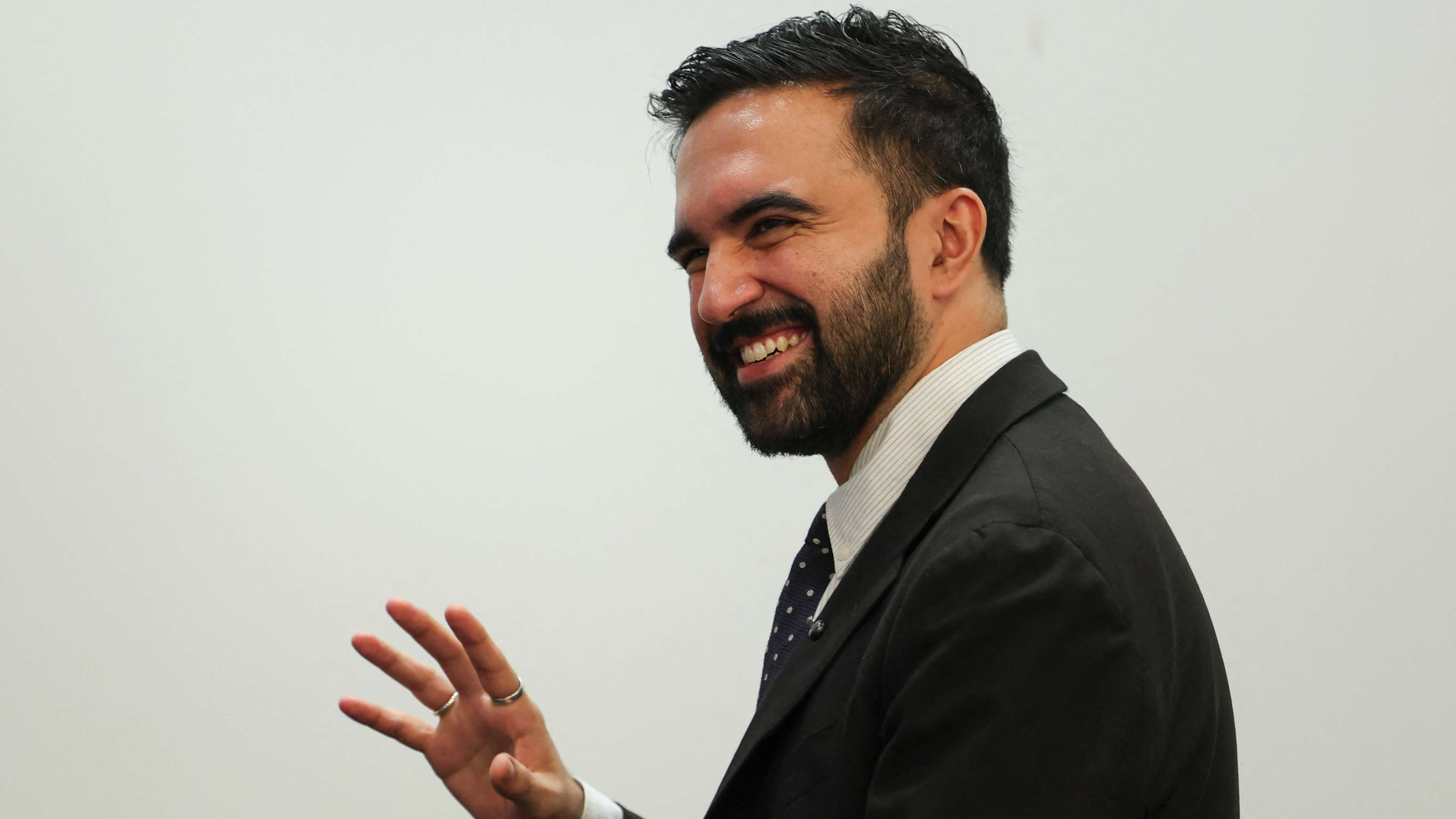
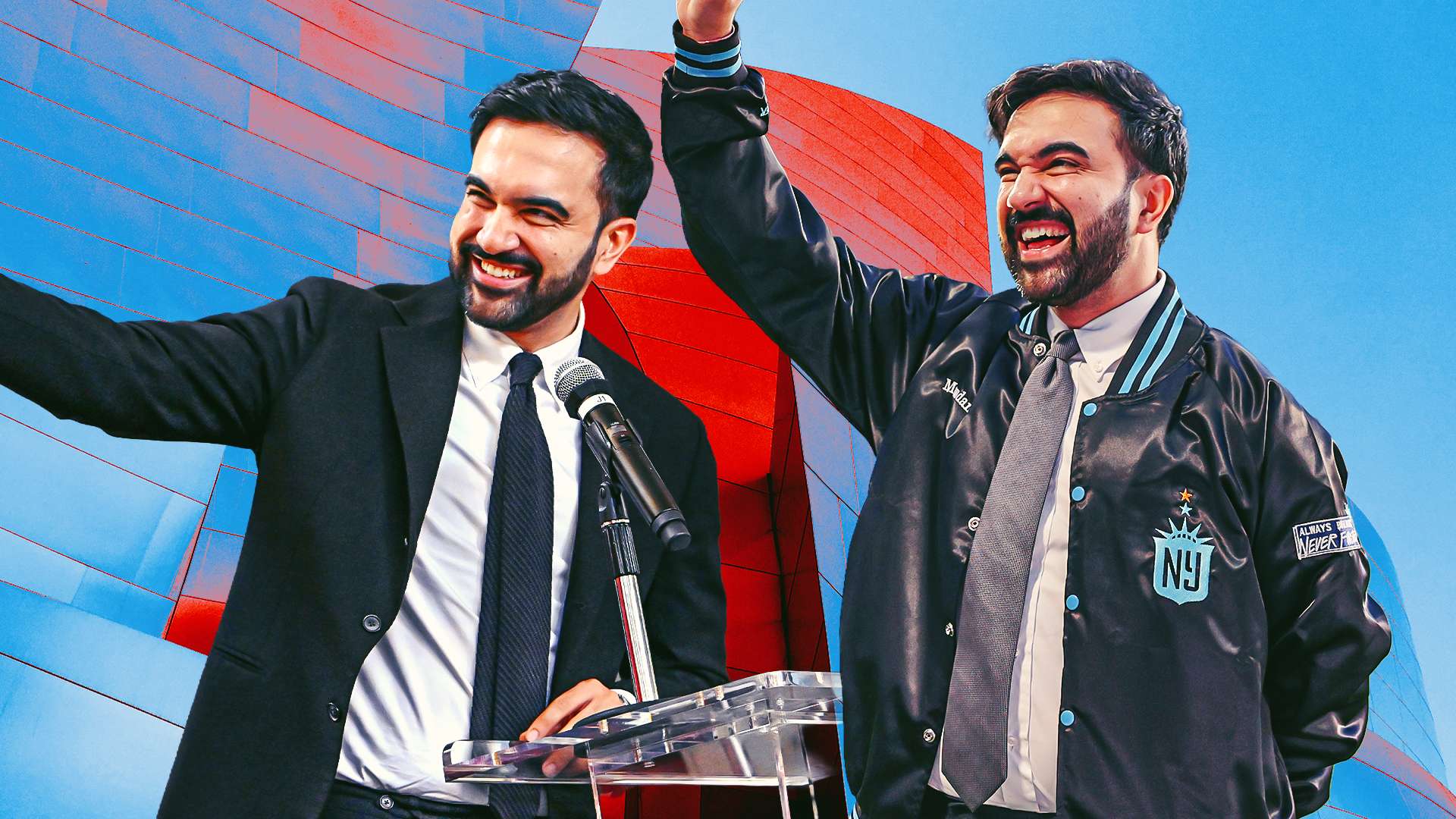
New York City Mayor Zohran Mamdani has positioned the 2026 FIFA World Cup as more than a sporting spectacle—it is a vehicle for social connection and community access. The 34-year-old mayor, who attended the 2010 World Cup in South Africa as a teenager, has overseen a month-long initiative to bring the tournament closer to New Yorkers despite the eight local matches being staged at MetLife Stadium across the Hudson River in New Jersey.
Mamdani's most memorable moment came at Rikers Island, where he watched the England versus Argentina semifinal alongside roughly 7,000 detainees. He met a man on his final day before release, a conversation that crystallized his vision for the tournament. "You're all watching the same game," Mamdani reflected, describing how soccer transcends geography and circumstance to unite people who might otherwise never cross paths.
Making the World Cup Accessible
The central challenge was affordability. Ticket prices soared into the thousands, and public transportation costs climbed, making the tournament inaccessible for many New Yorkers. The mayor's administration, constrained by FIFA's oversight and shared jurisdiction with New Jersey, focused on areas within its direct control. The city became the first and only host to secure an allocation of 1,000 discounted tickets at $50 each—a significant achievement given typical World Cup pricing structures.
Beyond tickets, Mamdani's team implemented sweeping initiatives:
- Free fan festivals across all five boroughs, replacing the original ticketed model
- 24-hour soccer pitches available at no cost to the public
- A permanent field installed in Central Park
- $26 food and drink packages at partner bars and restaurants
- $15 tickets for NWSL matches, with Gotham versus Washington Spirit drawing 42,175 fans at Citi Field
These interventions transformed how ordinary New Yorkers could engage with the tournament. While limitations remained—premium match tickets stayed beyond reach for many—the administration prioritized inclusion over maximizing stadium revenue. As the tournament concluded with the final at MetLife Stadium, Mamdani's legacy extends beyond the scoreline: he has established a blueprint for how host cities can democratize global soccer events and deepen the sport's roots in their communities.