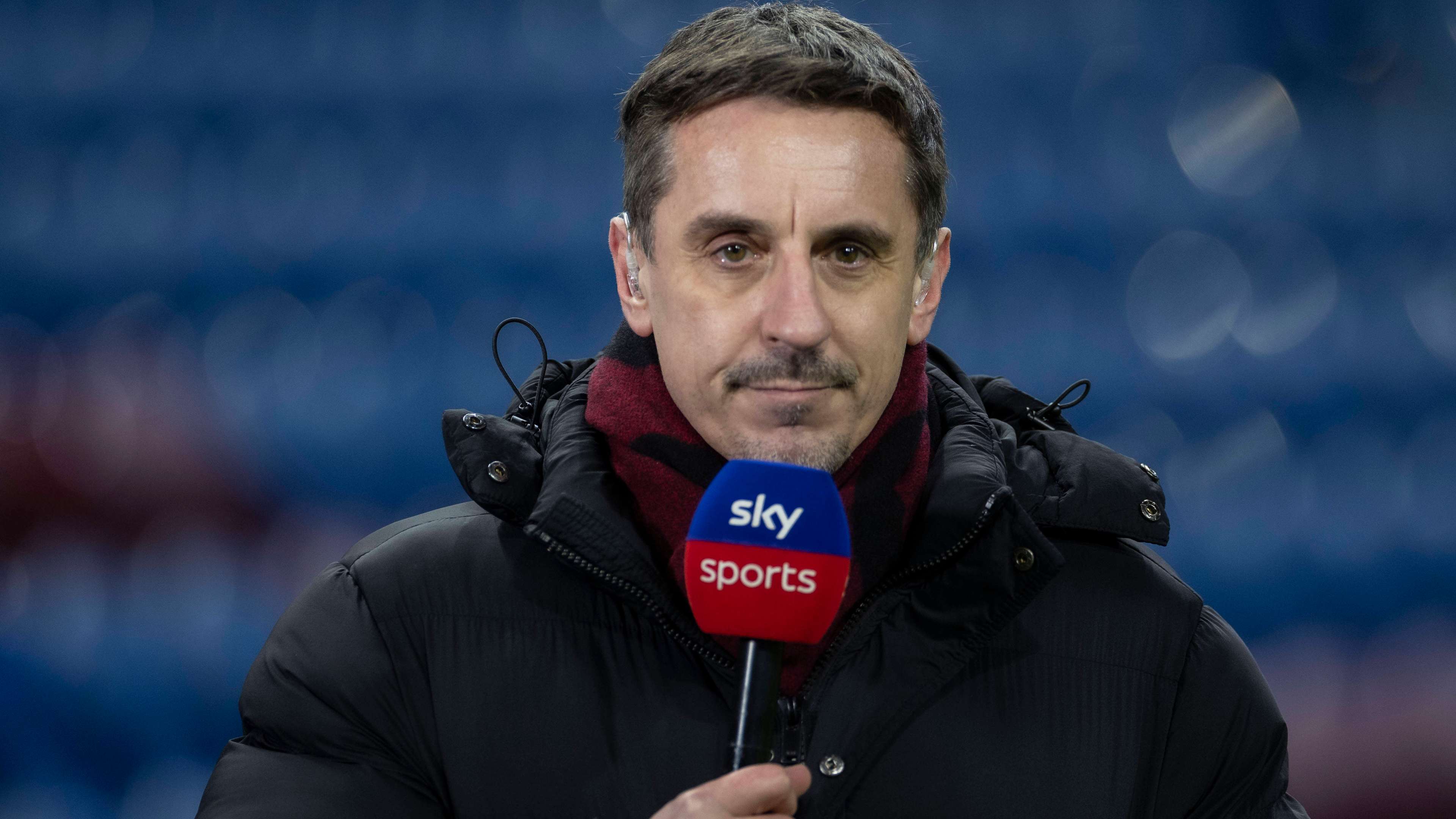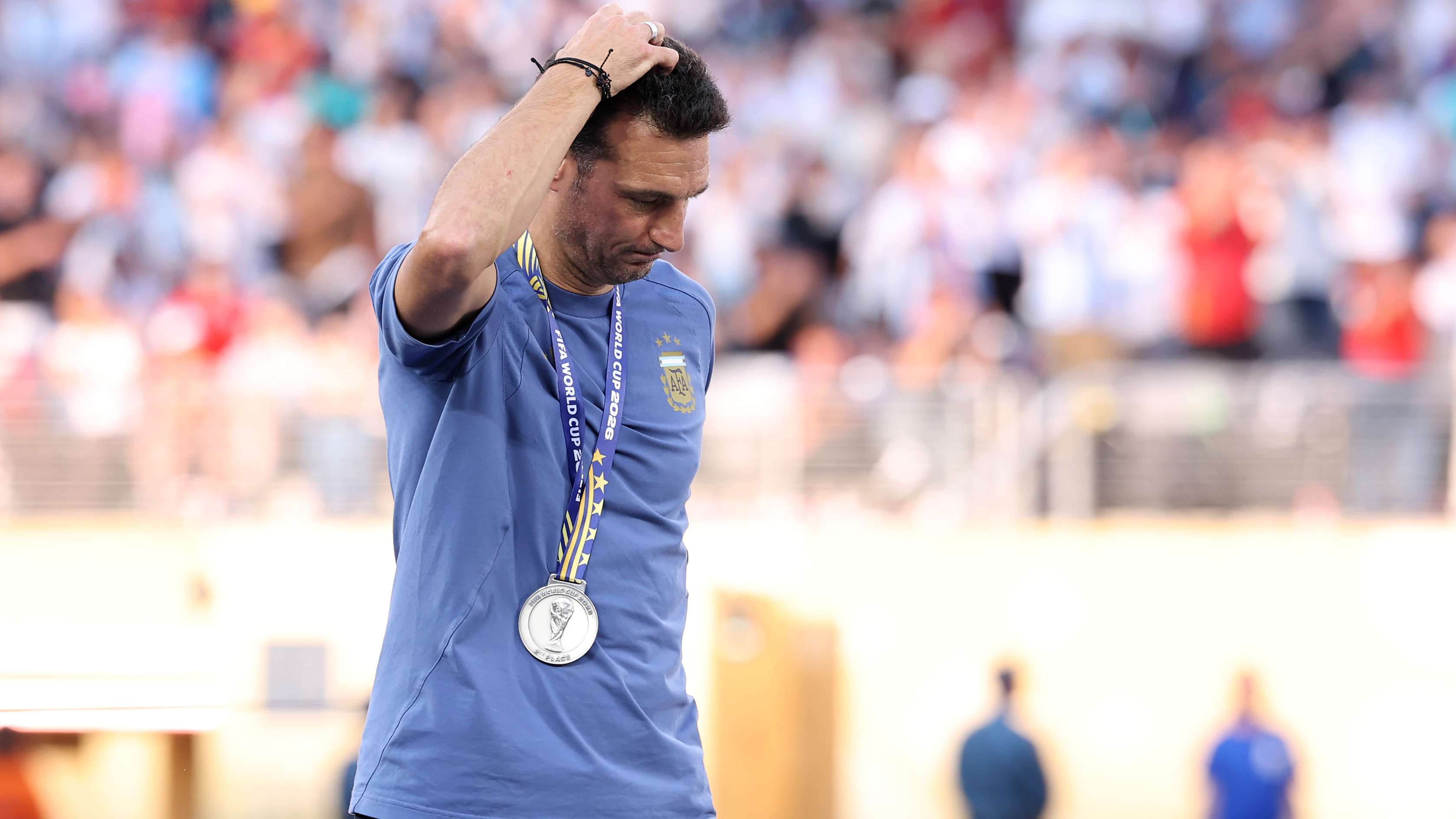
Gary Neville has delivered a damning critique of Argentina's 1-0 extra-time defeat to Spain in the World Cup final, arguing that Lionel Scaloni's side produced a remarkably poor performance despite staying competitive. The former Manchester United defender questioned how heavily the reigning champions relied on Lionel Messi to carry them through the tournament.
A Performance Below Par
Speaking on The Overlap's Stick to Football podcast, Neville acknowledged Argentina's defensive resilience but refused to overlook their technical shortcomings. The Albiceleste struggled to create meaningful attacking opportunities, failing to register a shot until deep into extra-time before Ferran Torres settled the contest in the 106th minute. Neville's assessment was unsparing: "They played terribly, let's be clear, they played poorly in the game. What I'd say is: if they stayed in the game, you've got to hand it to them. Well done to them, but they played like a bag of s***."
The former England defender drew a distinction between Argentina's competitive spirit and their actual execution on the pitch. While praising their fierce determination, Neville insisted that their overall display merited serious criticism. He maintained that Argentina's ability to remain in matches often masked deeper tactical and creative limitations that became apparent against Spain's superior control and possession.
The Messi Dependency Question
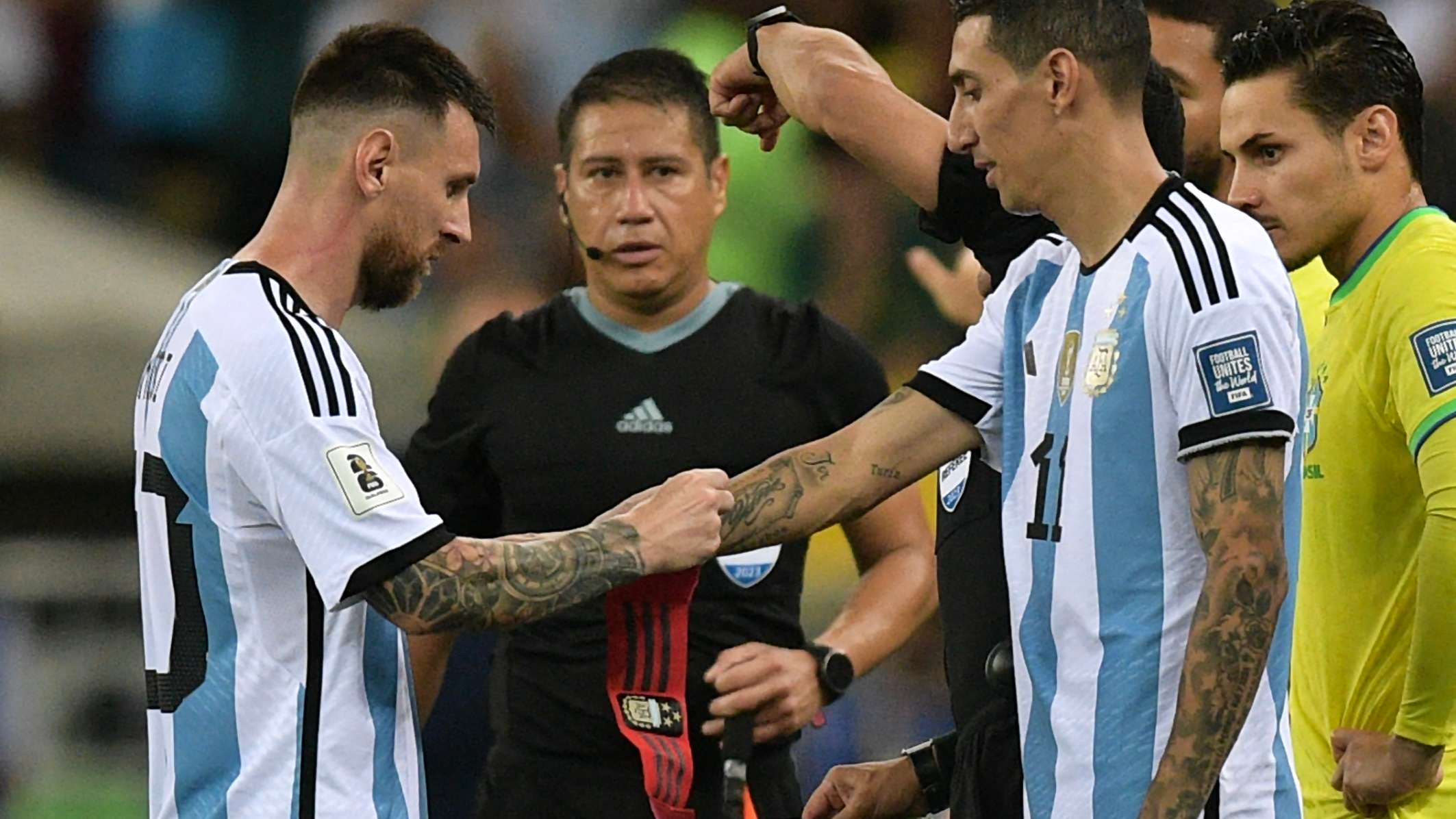
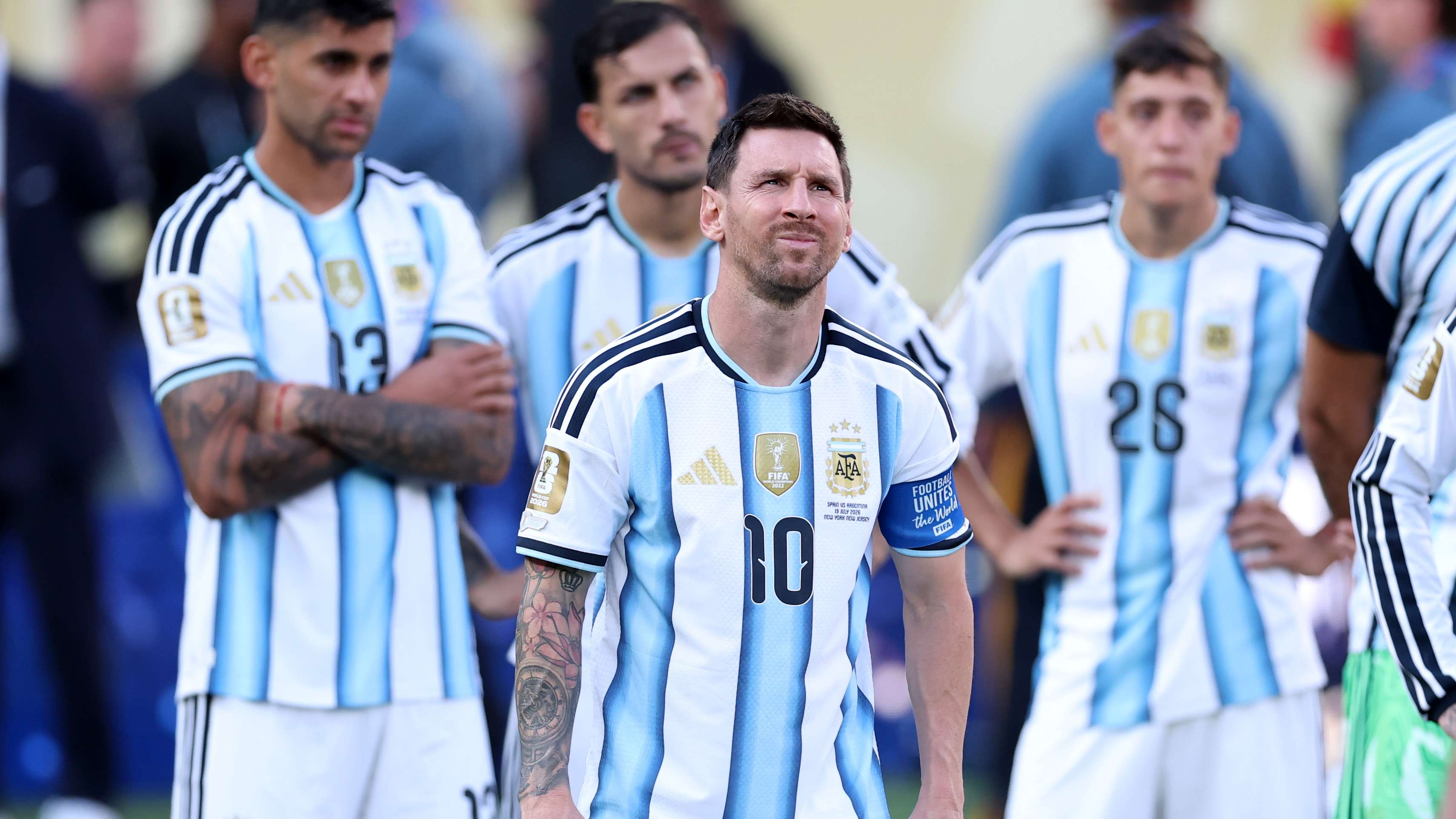
Neville's most pointed observation centred on Argentina's reliance on individual brilliance rather than collective strength. "They've got massive chemistry and fierce competitiveness that gets them through, and they've got an incredible player up top who gets them over the line," he explained. "Without him [Messi], I said this in the last tournament, they're a team that would probably struggle to get to the same point." This raises critical questions about Argentina's future as Messi, now 37, may have played his final World Cup.
Argentina's departure from New Jersey marked the end of their bid for back-to-back World Cup titles. The scrutiny now falls on whether the South American nation can evolve tactically and develop a less Messi-dependent system while maintaining their elite status in global football.