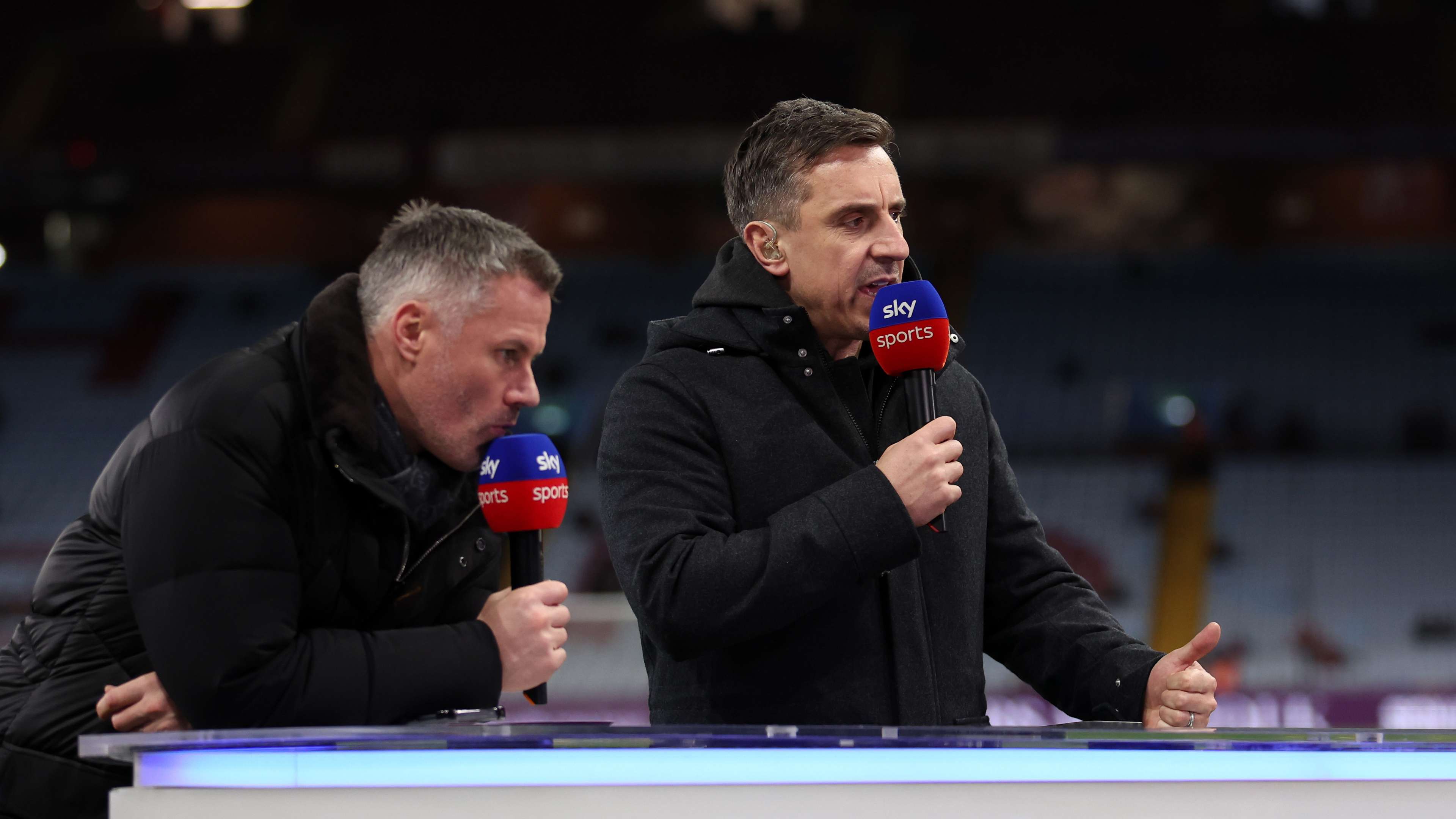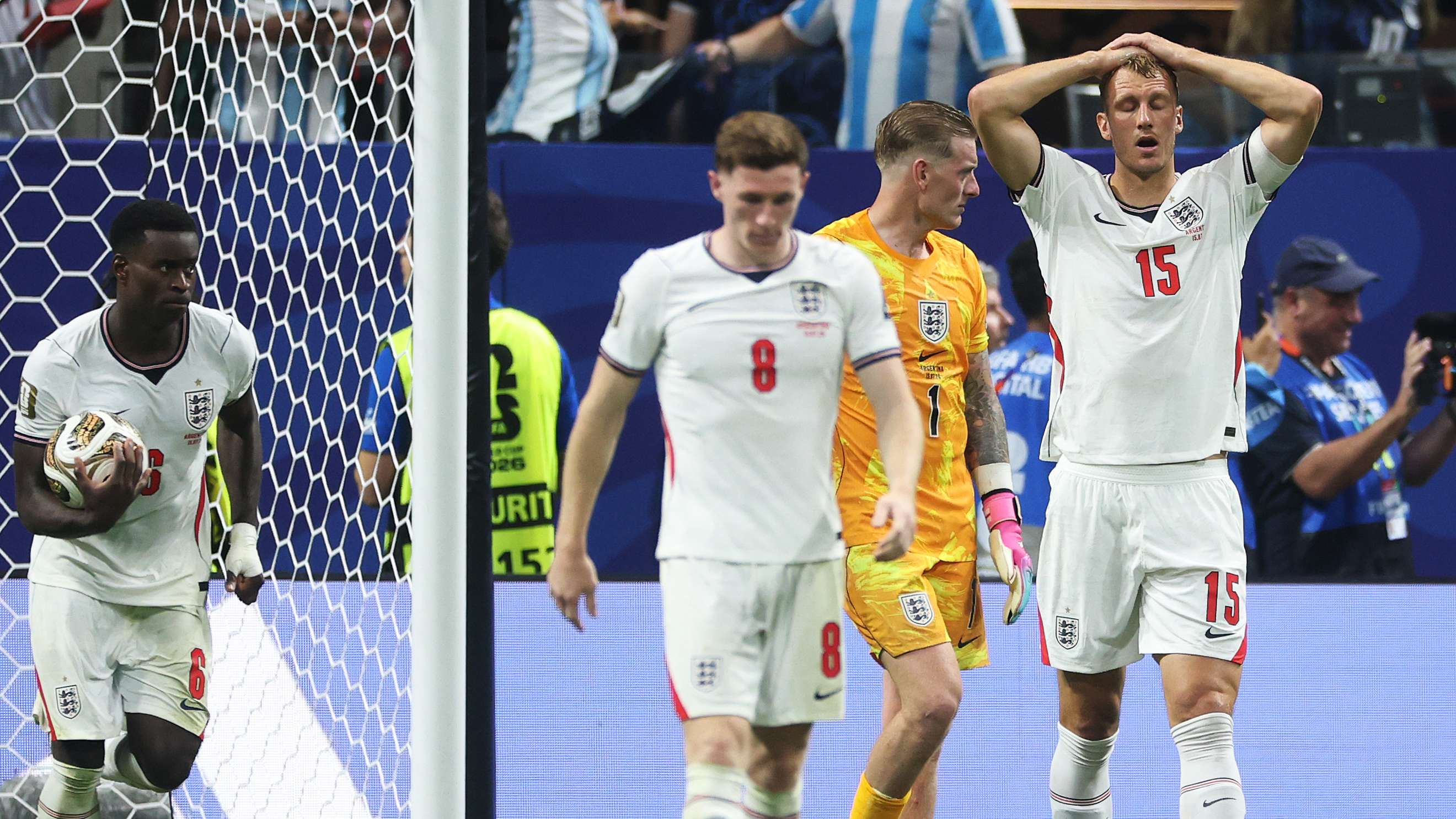
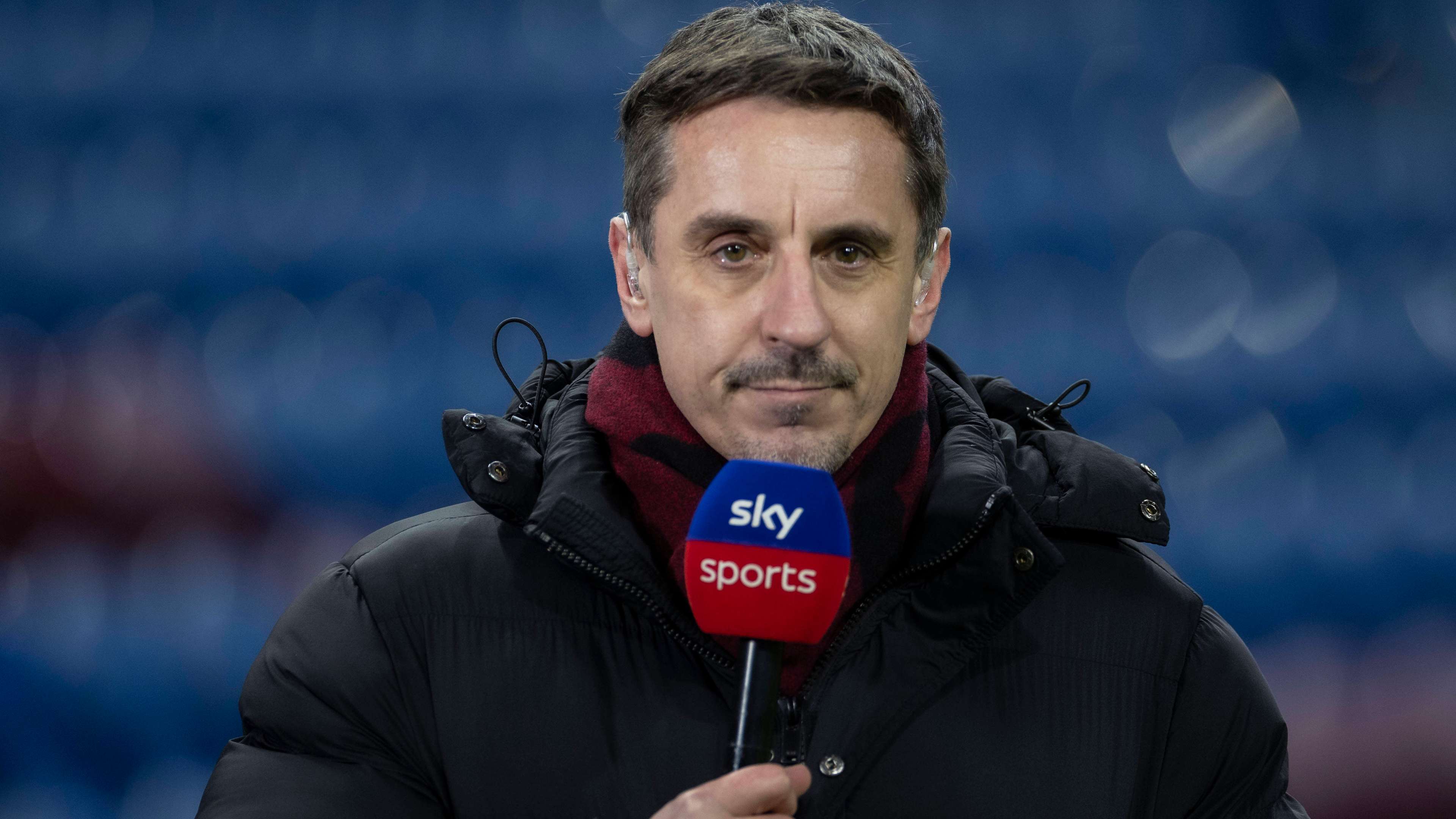
Gary Neville has delivered a scathing assessment of Argentina's performance in the 2026 World Cup final, a 1-0 defeat to Spain, despite acknowledging the team's fighting spirit throughout the tournament. The former Manchester United defender, speaking on the "Stick to Football" podcast, was unsparing in his criticism of the South American side's display on football's biggest stage.
The 51-year-old pundit argued that Argentina's attacking impotence in the final exposed fundamental weaknesses in their overall approach. "They played very badly, let's be clear about that," Neville stated bluntly. He emphasized that while their competitive intensity kept them in contention, the quality of their football fell short of World Cup final standards. The Manchester United legend, who earned 85 England caps and later managed Valencia, refused to soften his verdict despite praising their never-say-die attitude.
Messi's Individual Genius Masks Systemic Issues
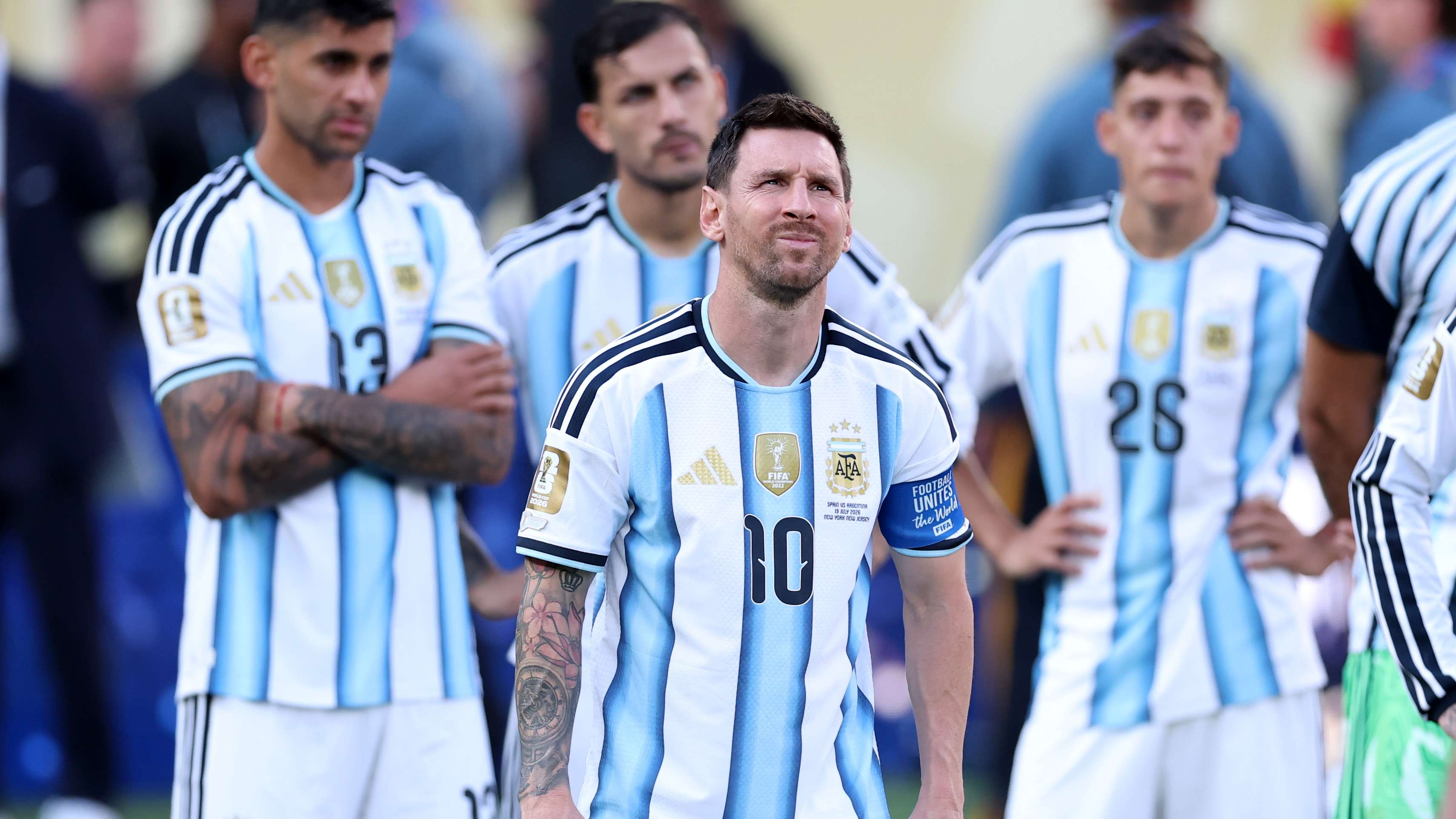
Neville reserved particular focus on Lionel Messi's pivotal role in Argentina's journey to the final. The forward netted eight goals during the tournament, single-handedly driving his nation through the competition. "Argentina have wonderful chemistry and competitive spirit, but without Messi they might have struggled to reach the final," Neville explained. This assessment underscores a critical reality: one player's excellence masked what the pundit viewed as mediocre collective performance across multiple matches.
The former Valencia manager employed a stark metaphor to encapsulate his judgment: "If it looks bad and it smells bad, then it's bad, frankly. What we saw in the final was mediocre football." This blunt assessment stands in contrast to the sentimentality surrounding Argentina's campaign, particularly the emotional toll on Messi after the defeat.
Ian Wright Offers Contrasting Perspective
Ian Wright, the Arsenal legend with 33 England caps, presented a more sympathetic view of Argentina's loss. While pleased with Spain's victory, Wright acknowledged his discomfort watching Messi's visible distress following the match. "I didn't like seeing him cry that way; it was clear how deeply affected he was," Wright said, balancing pragmatism with human empathy.
The contrast between Neville's ruthless analysis and Wright's measured response highlights the tension between tactical assessment and emotional engagement in football commentary. As Argentina prepares for future competitions, questions will persist about whether their tournament success was built on genuine tactical progress or merely the extraordinary individual brilliance of one player carrying the team through to the final showdown.