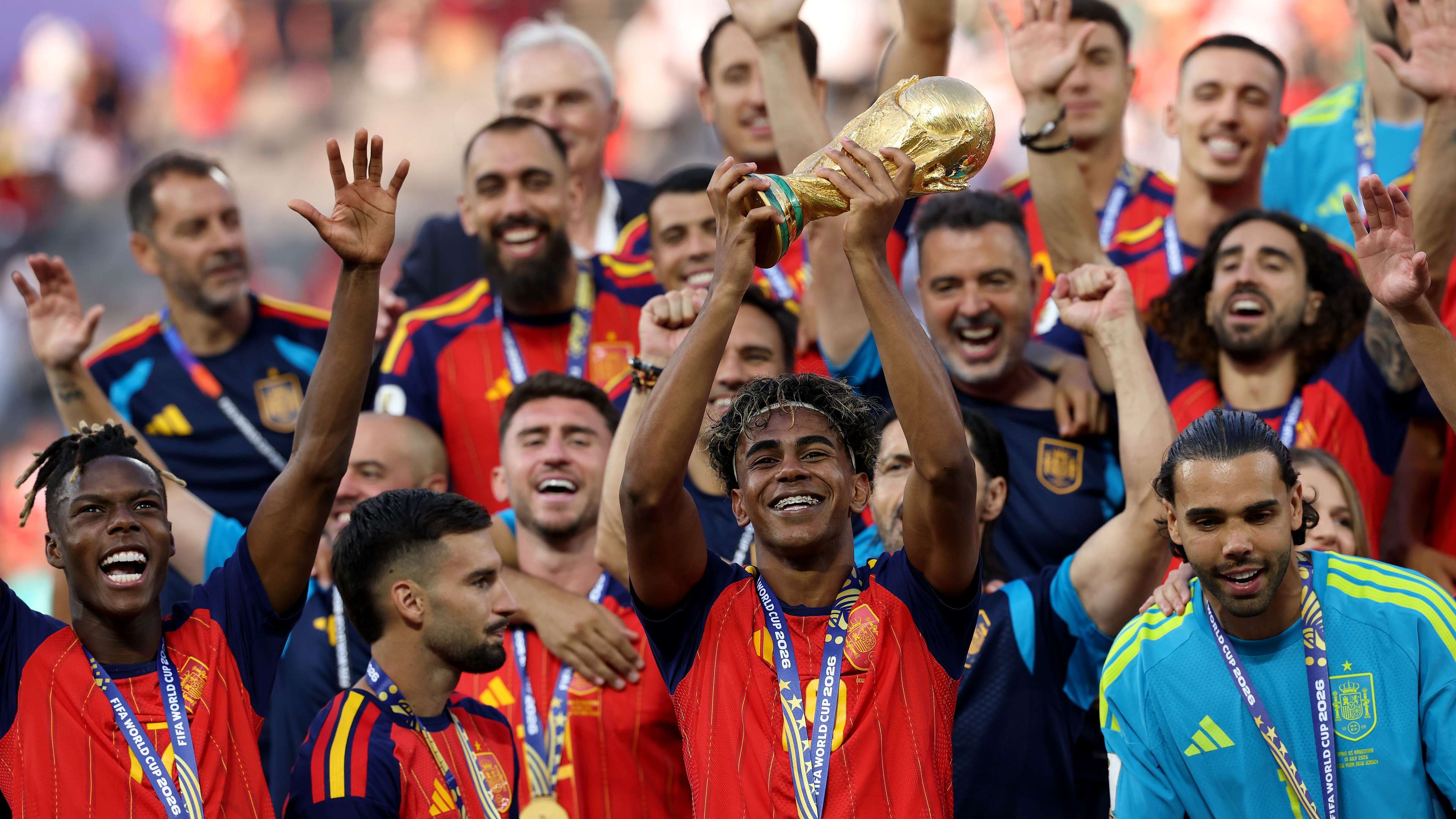
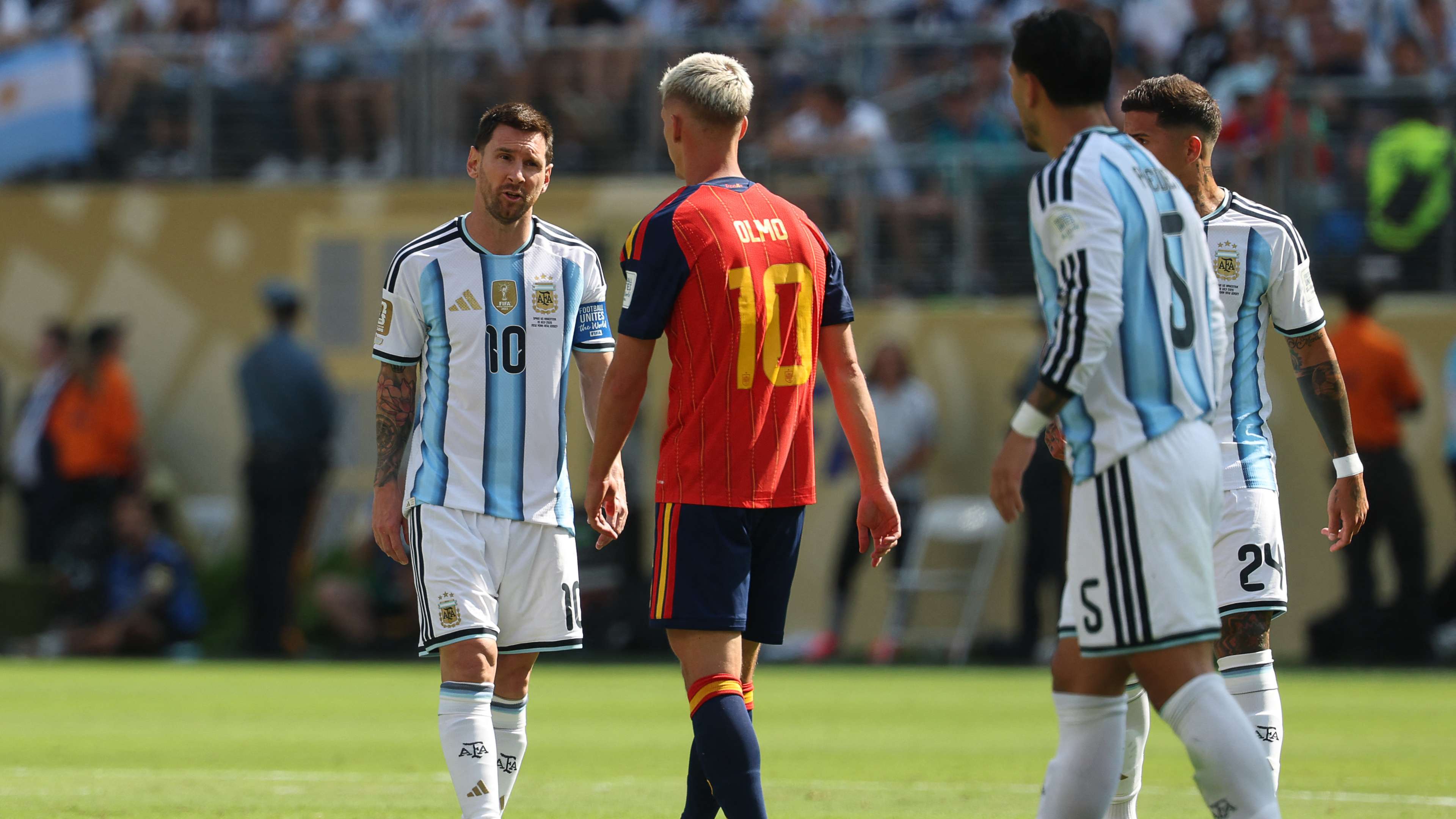
Dani Olmo has condemned Argentina's conduct during the World Cup final trophy ceremony, emphasizing that elite athletes must serve as role models for younger generations. The Barcelona midfielder's remarks came after Argentina players turned their backs on the stage as Spain lifted the trophy, a gesture that sparked global controversy and overshadowed the Spanish victory.
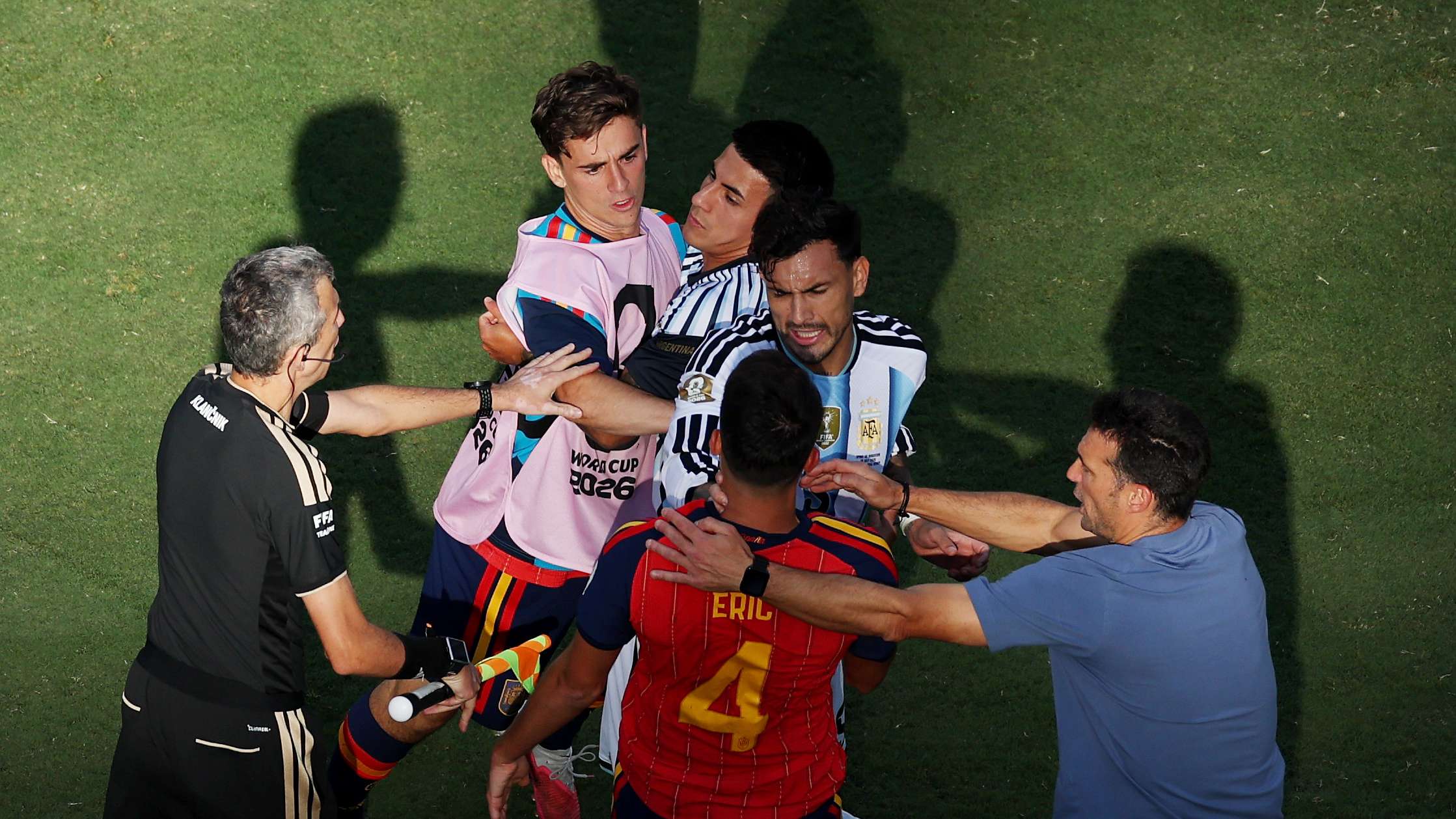
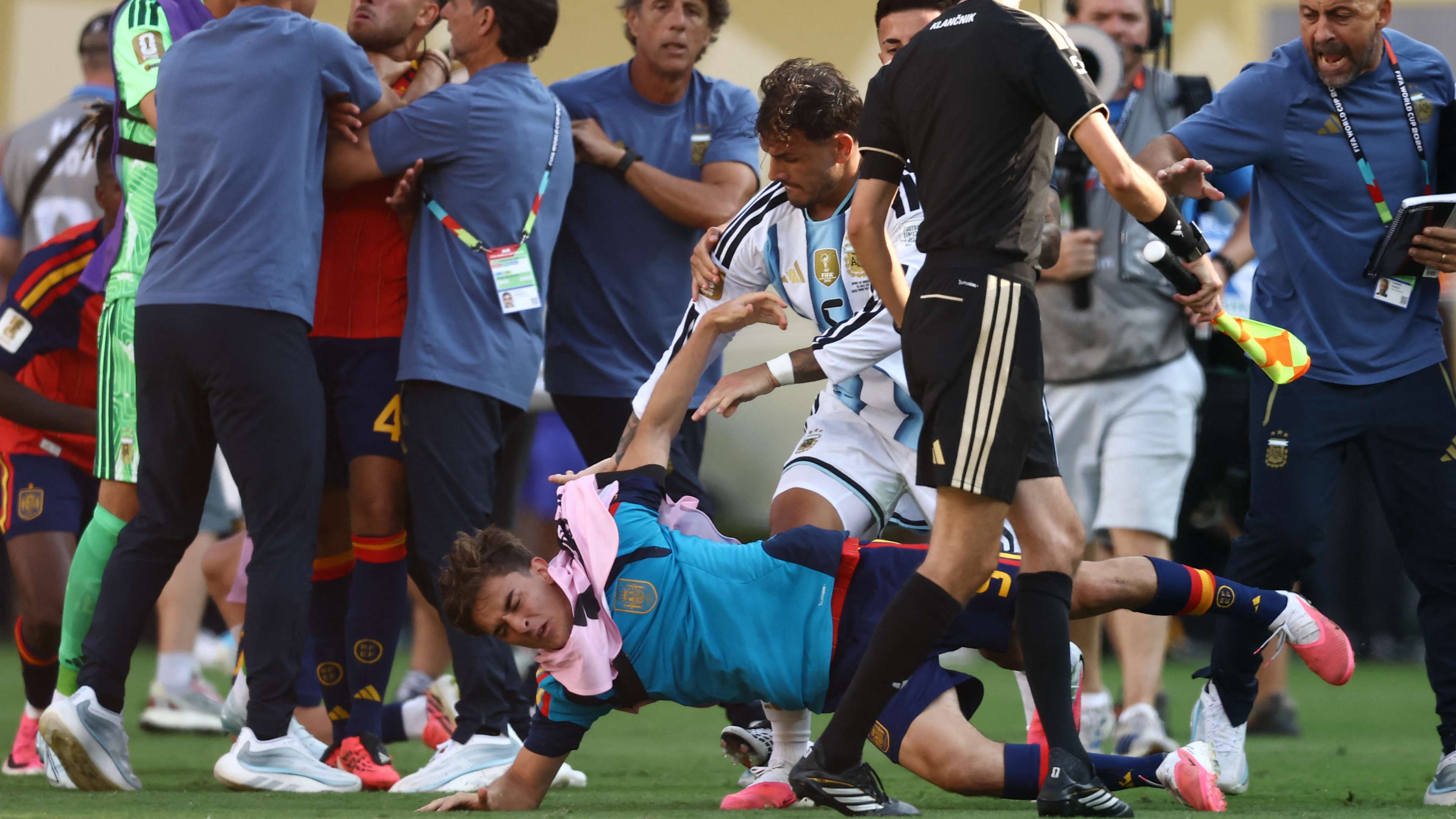
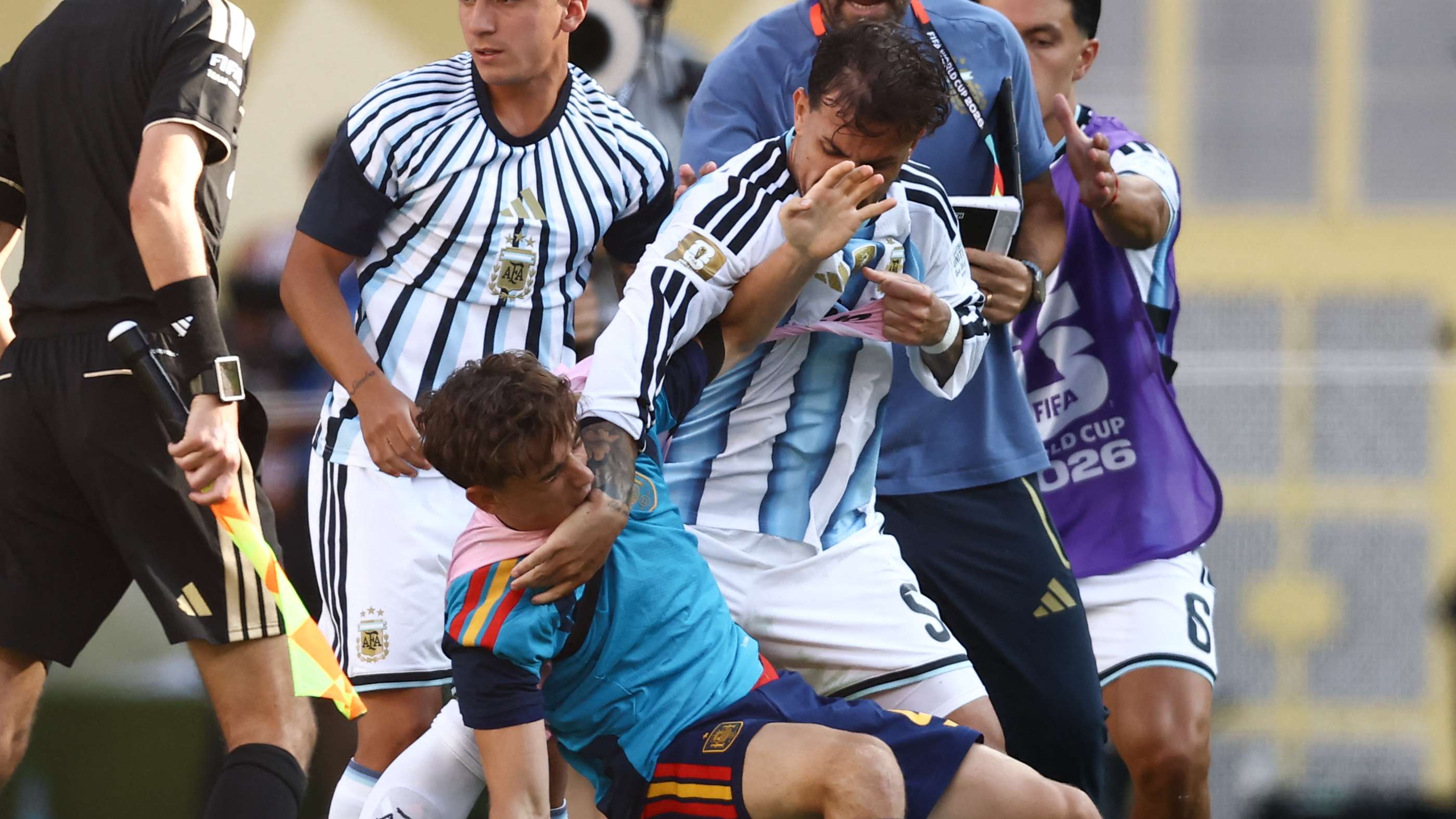
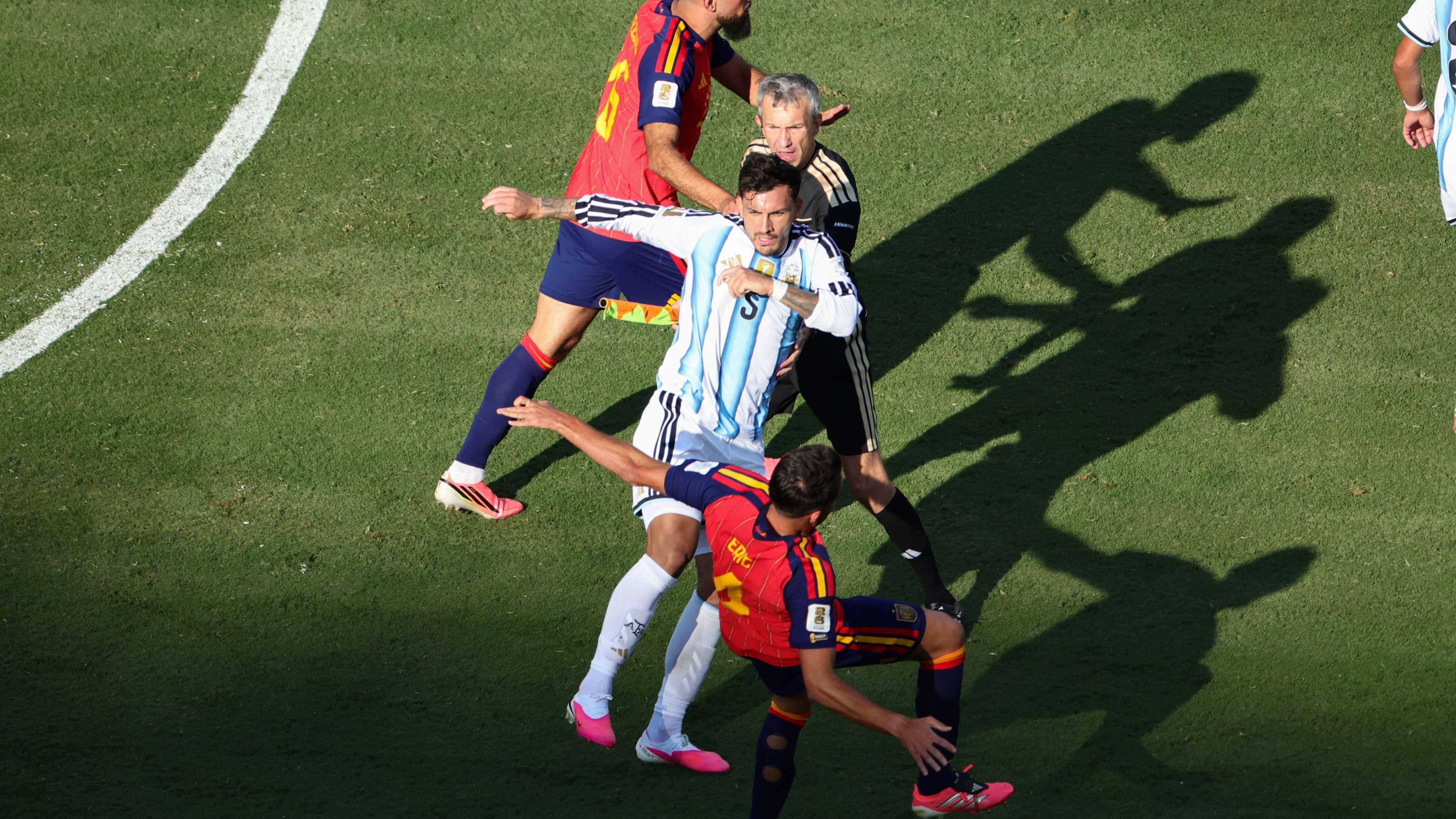
The tension between the two nations escalated dramatically following the match itself. A violent altercation erupted immediately after the final whistle, with Leandro Paredes caught on camera grabbing Eric Garcia by the throat and throwing Gavi to the ground—an incident that resulted in a straight red card for the Roma midfielder. The physical nature of Argentina's response appeared to stem from frustration at being outplayed by Spain's technical superiority throughout the 120-minute contest.
Values Over Victory
When questioned about Argentina's behaviour during the trophy presentation, Olmo remained composed but resolute. "It doesn't matter to us. What matters are the values you want to convey," he stated to reporters. The 26-year-old reinforced his position by highlighting the responsibility professional footballers carry on the world's biggest stage. "We are an example for many generations, for many boys and girls, and I think they should also be an example for everyone, and for the better."
The gesture of turning away from the trophy lift represented a clear departure from sporting protocol, particularly jarring given that Spain's players had previously formed a guard of honour to applaud Argentina's runners-up finish. This reciprocal gesture underscored the contrast in sportsmanship between the two camps.
Disciplinary Fallout Looming
Beyond the trophy ceremony drama, Argentina faces serious FIFA sanctions. Post-match altercations involving Paredes and Nahuel Molina are expected to trigger considerable disciplinary measures, while Enzo Fernandez already faces suspension for a second yellow card offense late in regulation time. Lionel Messi garnered praise for displaying class by shaking hands with Spain's victorious squad, standing apart from several of his teammates' aggressive behaviour. The South American side's intensity and physicality appeared to be a reaction to being outplayed by a more technically proficient Spanish team that controlled possession and created numerous chances throughout the match.
As the fallout continues, the contrast between how the two teams handled defeat and victory will likely define the legacy of this World Cup final beyond the scoreline itself, raising questions about professionalism and character at football's highest level.