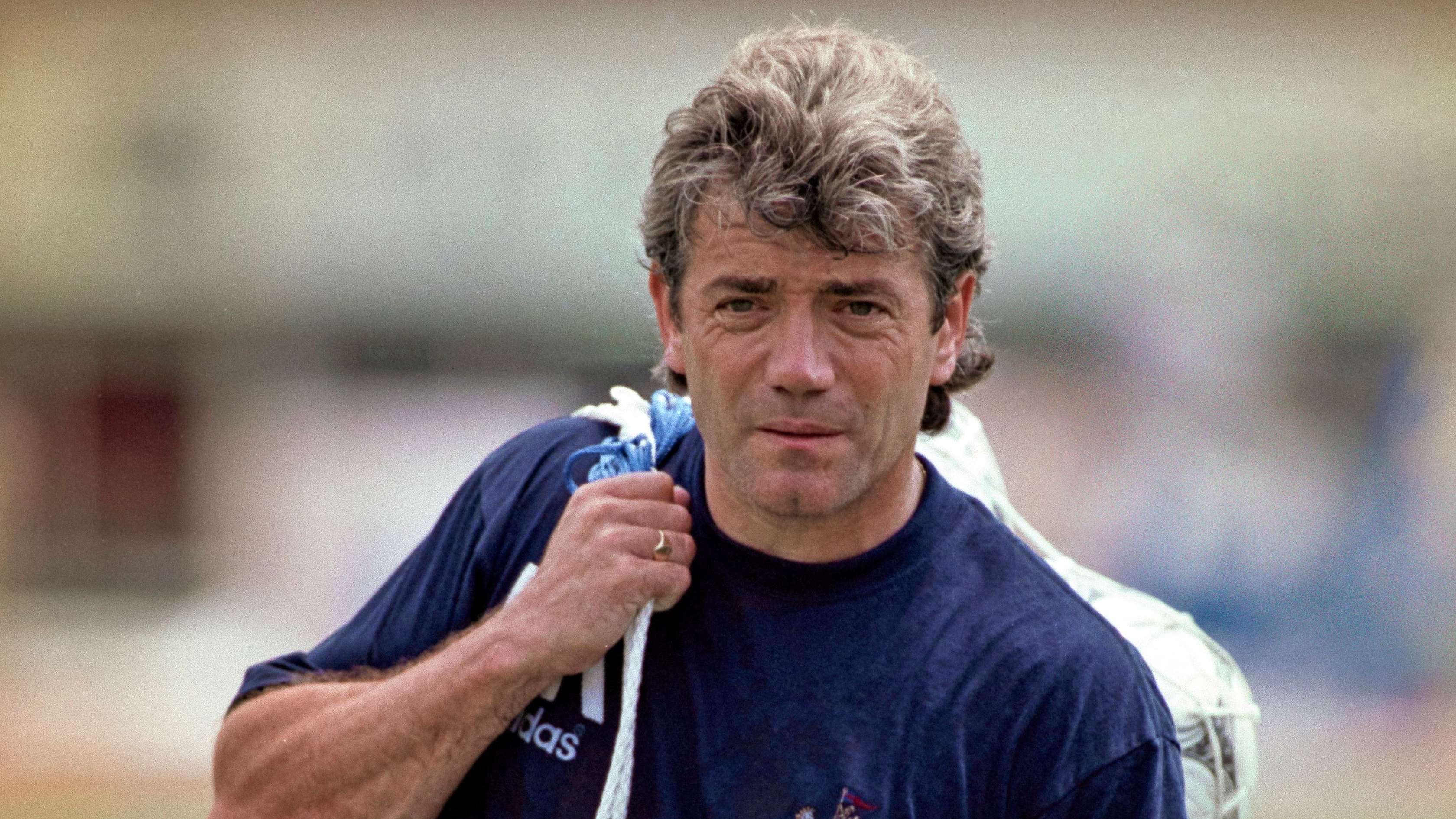
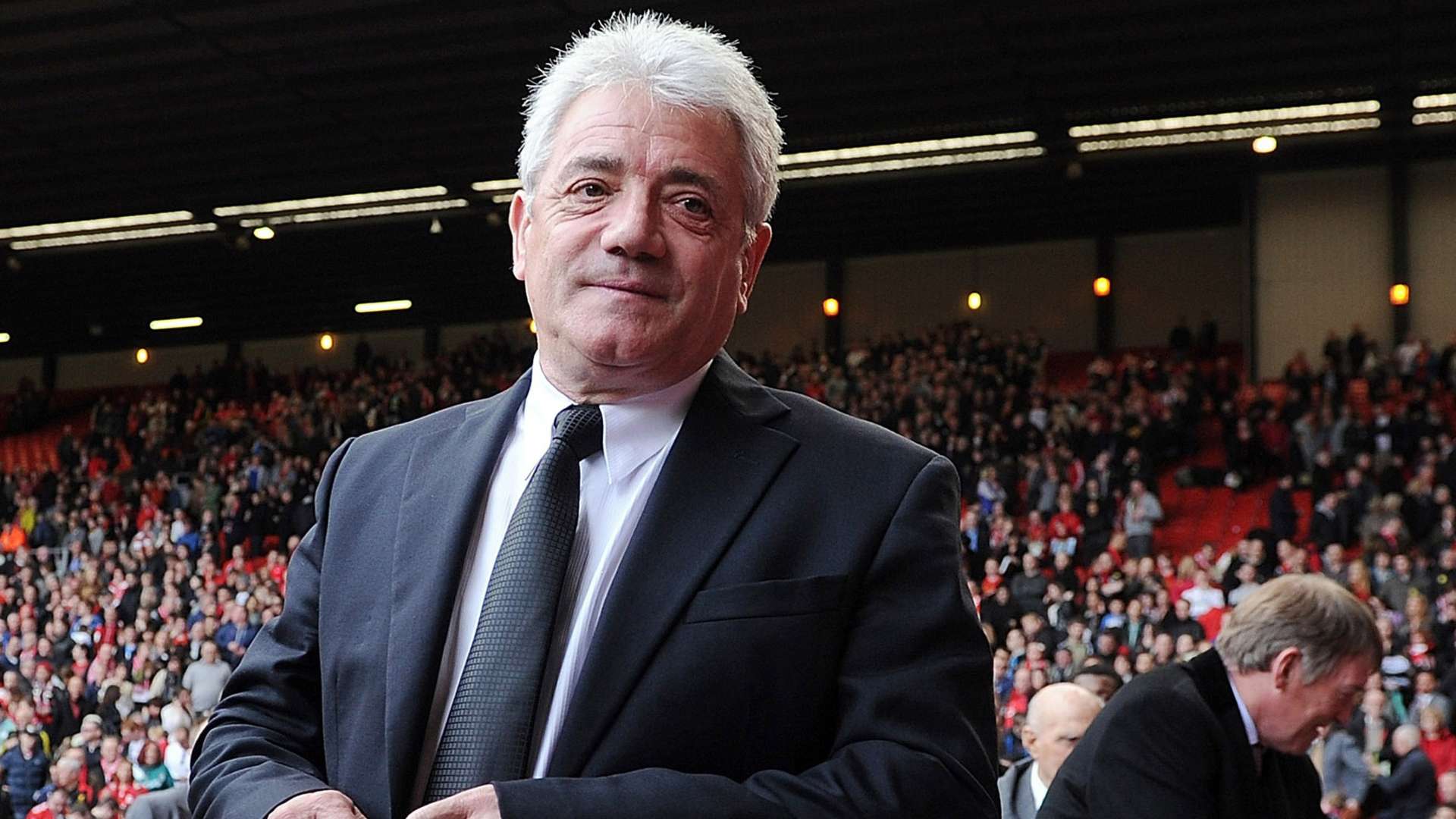
Kevin Keegan, the legendary Liverpool forward and former England manager who won the Ballon d'Or twice, has died at the age of 75 following a battle with cancer. His family confirmed the news on Monday, with Keegan surrounded by his wife and daughters in his final moments. The announcement sparked an outpouring of tributes from across football, recognizing one of British sport's most iconic and charismatic figures.
A Playing Career Without Equal
Keegan's status as a transformative talent became apparent from the moment Bill Shankly signed him at Liverpool for just £33,000 in 1971. What followed was a masterclass in football excellence across a decade on Merseyside. He won three First Division titles, the FA Cup, two UEFA Cups, and the 1977 European Cup, establishing himself as the driving force behind one of the club's greatest eras.
His individual accolades elevated him beyond his peers. Between 1978 and 1979, Keegan became the only British footballer to win the Ballon d'Or twice, achieving the feat while playing for Hamburg in the Bundesliga. This dual honor underscored his status as one of Europe's finest attackers during that era, cementing his place among the continent's elite.
Managing the Three Lions and Newcastle United
After retiring, Keegan channeled his competitive fire into management. His most celebrated spell came at Newcastle United, where he took charge in 1992 of a struggling side and transformed them into "The Entertainers," a team that captured Premier League imaginations with attacking football and raw passion. His famous "I will love it if we beat them" outburst during a 1996 clash with Manchester United became Premier League folklore, revealing the volatility and emotional intensity that made him a compelling manager.
His appointment as England manager between 1999 and 2000 represented the pinnacle of domestic recognition. However, his tenure proved turbulent. Euro 2000 delivered disappointing results, and Keegan resigned after a defeat to Germany in the final match at the old Wembley Stadium, leaving unfinished business with the national team.
Beyond the pitch, Keegan transcended football as a 1970s pop-culture phenomenon, fronting advertising campaigns and recording hit songs. Newcastle United's tribute captured his essence perfectly: "Kevin was more than a legendary footballer and manager. He was the beating heart of Newcastle United for generations of supporters." His legacy endures as a symbol of English football's golden age.