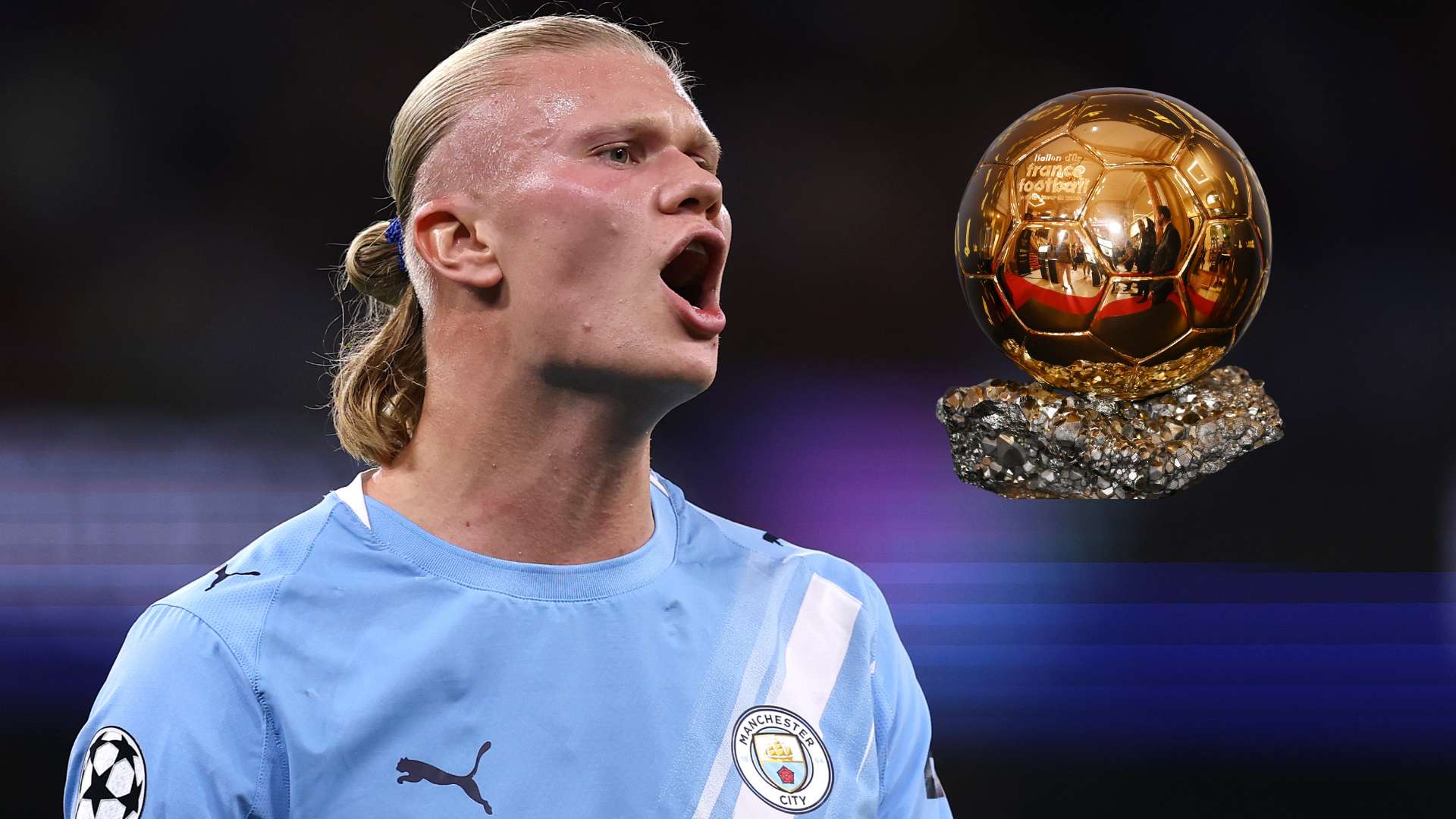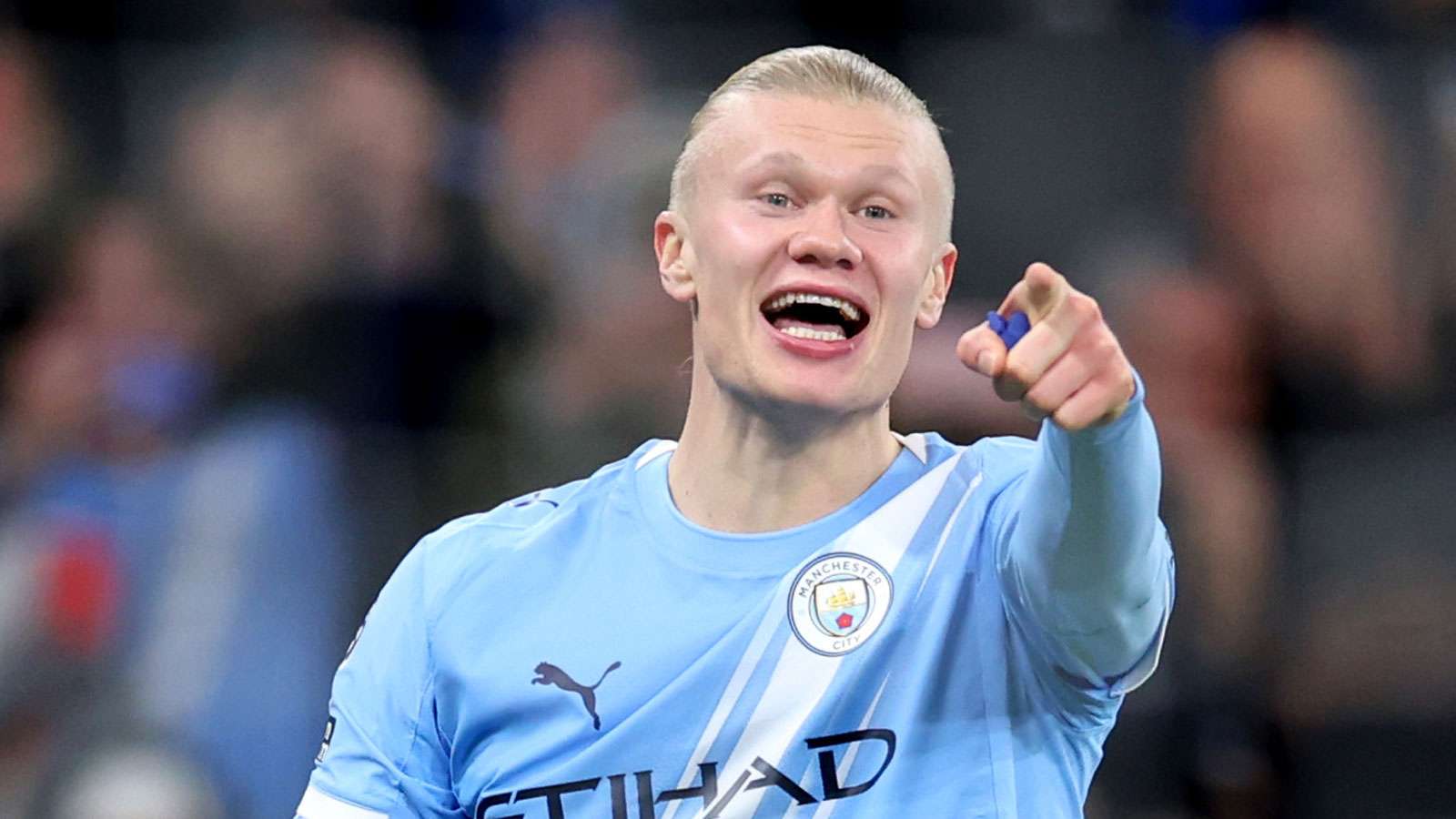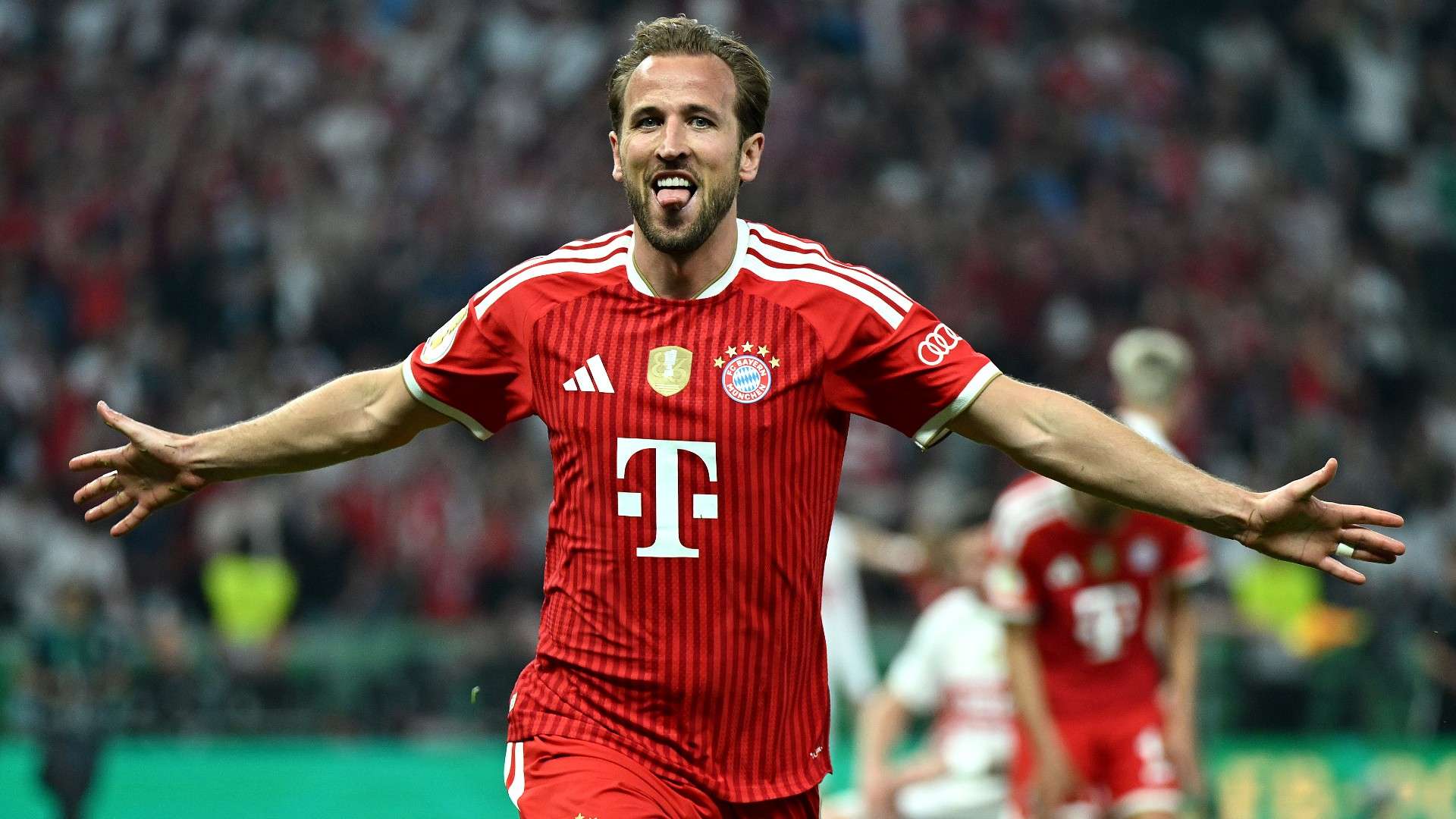
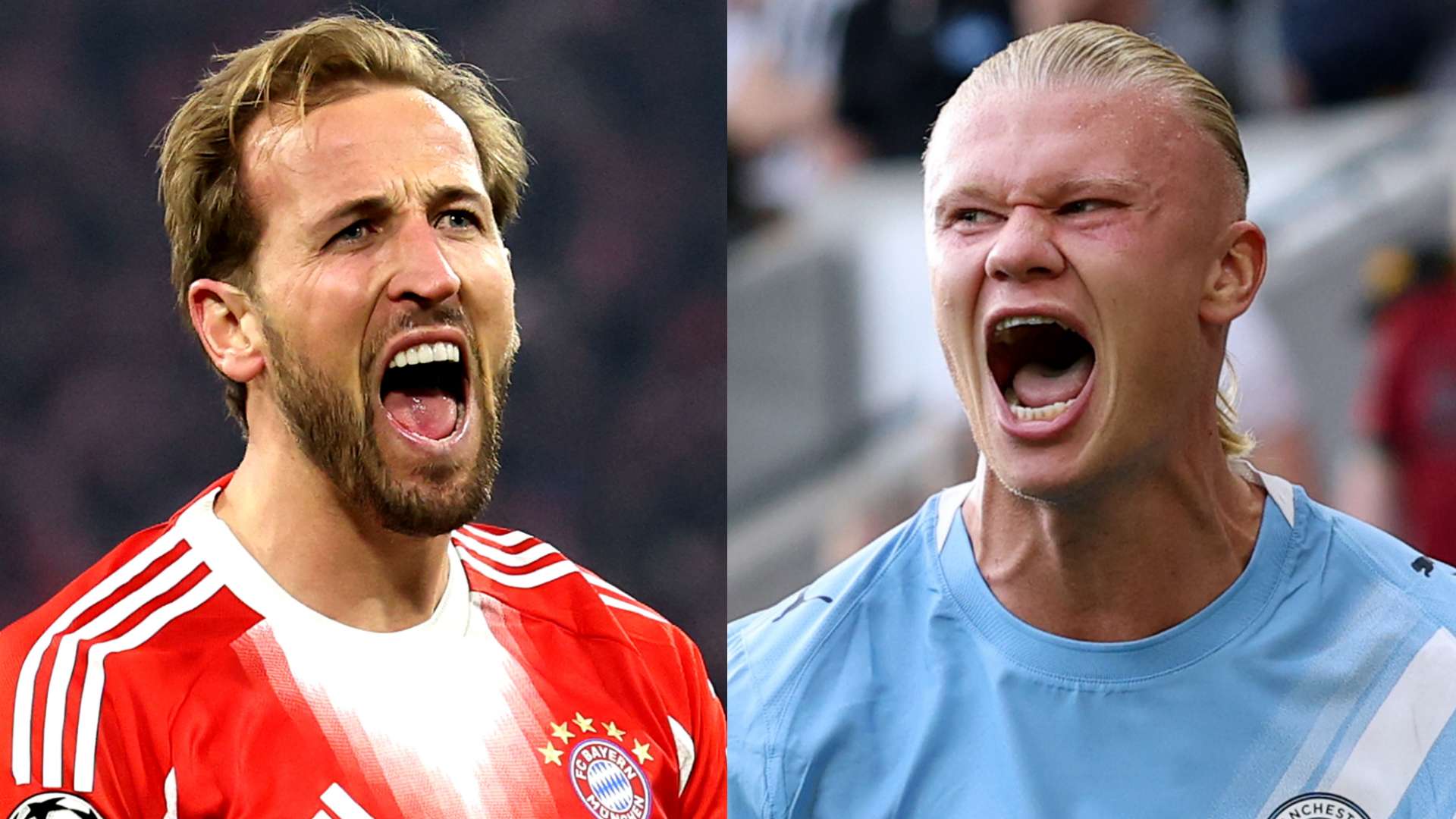
Erling Haaland and Harry Kane stand as two of modern football's most complete strikers, yet their contrasting styles spark genuine debate about who deserves the title of world's finest No.9. Former Liverpool defender John Arne Riise has weighed into the discussion, offering a compelling analysis of how the Manchester City forward edges the Bayern Munich marksman in pure box predation.
Kane's credentials are undeniable. The England captain has carved one of football's most prestigious legacies, becoming Tottenham's all-time leading goalscorer with 280 goals before joining Bayern in 2023. He has registered 78 international caps and now boasts 143 Bundesliga strikes, winning three Golden Boots and multiple domestic titles. At 32, Kane continues to deliver elite finishing while operating as a creative fulcrum in attack—dropping deep to link play, threading passes, and orchestrating the final third.
The Case for Haaland's Pure Predation
Riise's verdict favours Haaland's raw finishing prowess. "When it comes to proper No.9s in the box targets, I don't think there's anybody better than Erling Haaland," the Norwegian explained. "His pace, his fighting, his movements in the box—you see all the challenges he has with Gabriel at Arsenal. He's so powerful." At just 25, Haaland has already become the fastest player to 100 Premier League goals, achieving the milestone in just 111 matches. His Manchester City career spans 162 goals across 198 appearances, with his debut season delivering an astonishing 52-goal haul alongside the domestic and European treble.
The distinction between these two strikers reflects different conceptions of modern forward play. Kane embodies the complete number nine—a quarterback in the box who scores and creates. Haaland represents pure clinical efficiency: positioning, pace, and finishing compressed into lethal simplicity. His contract extension at City runs until 2034, positioning him to challenge Alan Shearer's Premier League record of 260 goals if he maintains current output. Kane, meanwhile, remains second on that list with 213 goals but faces uncertain returns to English football.
Both players will shape European football for years to come, competing for Ballon d'Or recognition and continental glory. The debate ultimately depends on whether you prize Haaland's predatory instinct or Kane's all-around brilliance—a choice that reveals more about tactical philosophy than individual quality. What remains certain is that neither player will surrender their status as elite finishers anytime soon.