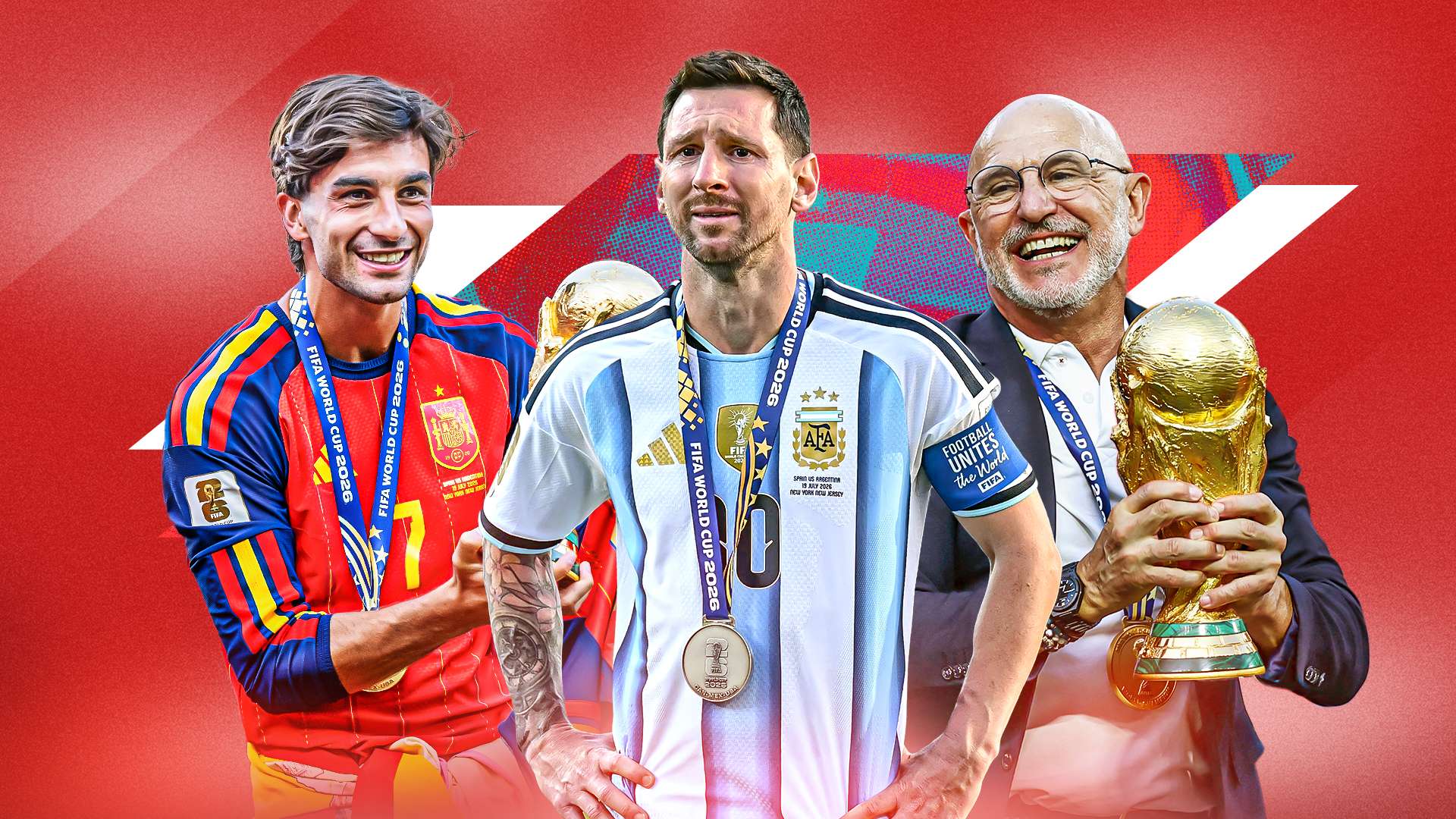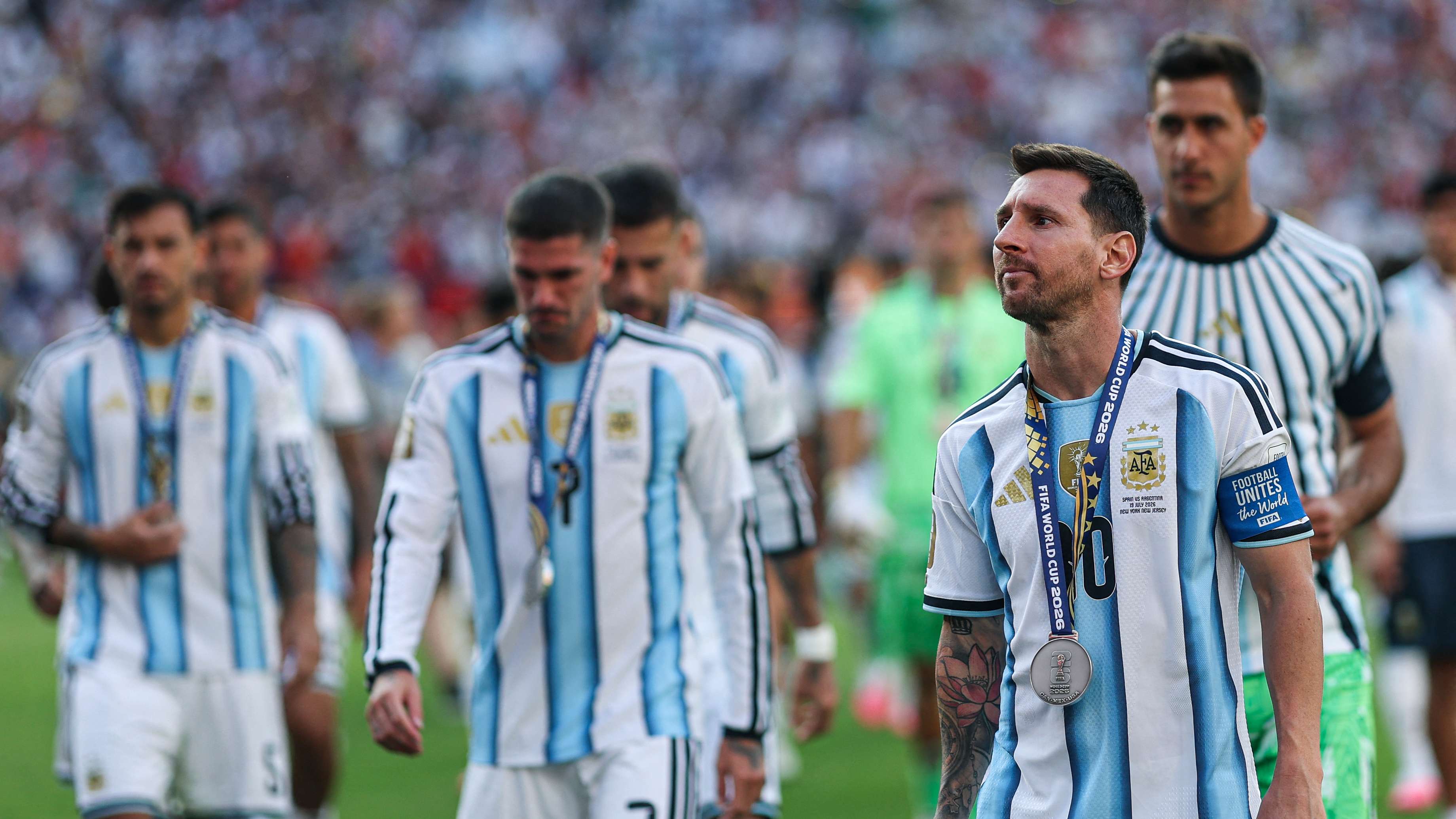
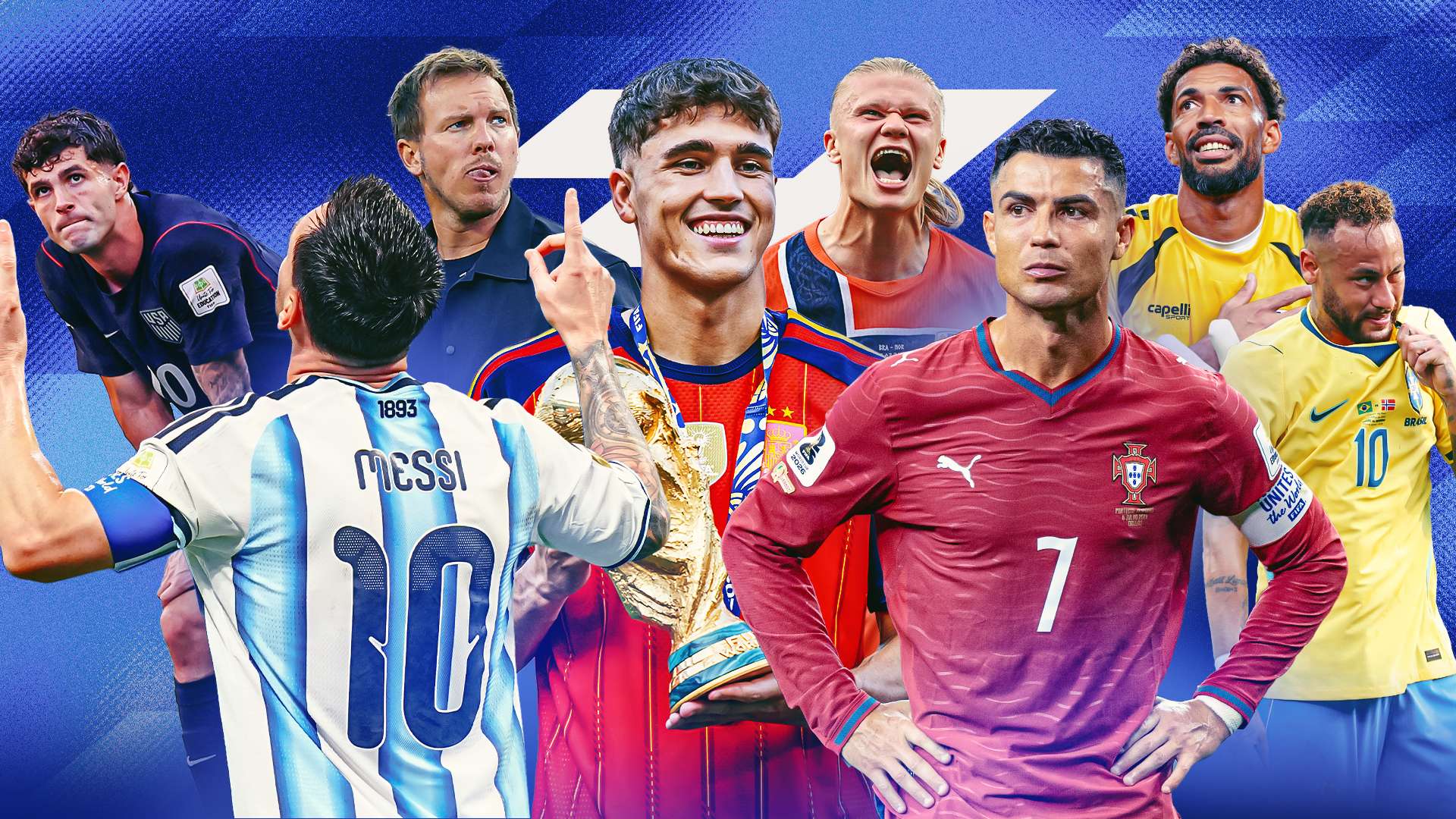
Spain claimed the 2026 World Cup title with a 1-0 victory over Argentina in New Jersey, as Ferran Torres scored the decisive goal in a final defined by defensive discipline rather than attacking brilliance. Argentina's task became impossible when Enzo Fernandez received a second yellow card in the 90th minute, leaving La Roja to manage the remainder with numerical advantage. The triumph reinforced Spain's status as custodians of methodical, possession-based football in an era increasingly dominated by direct approaches.
Erling Haaland's Remarkable Ascent
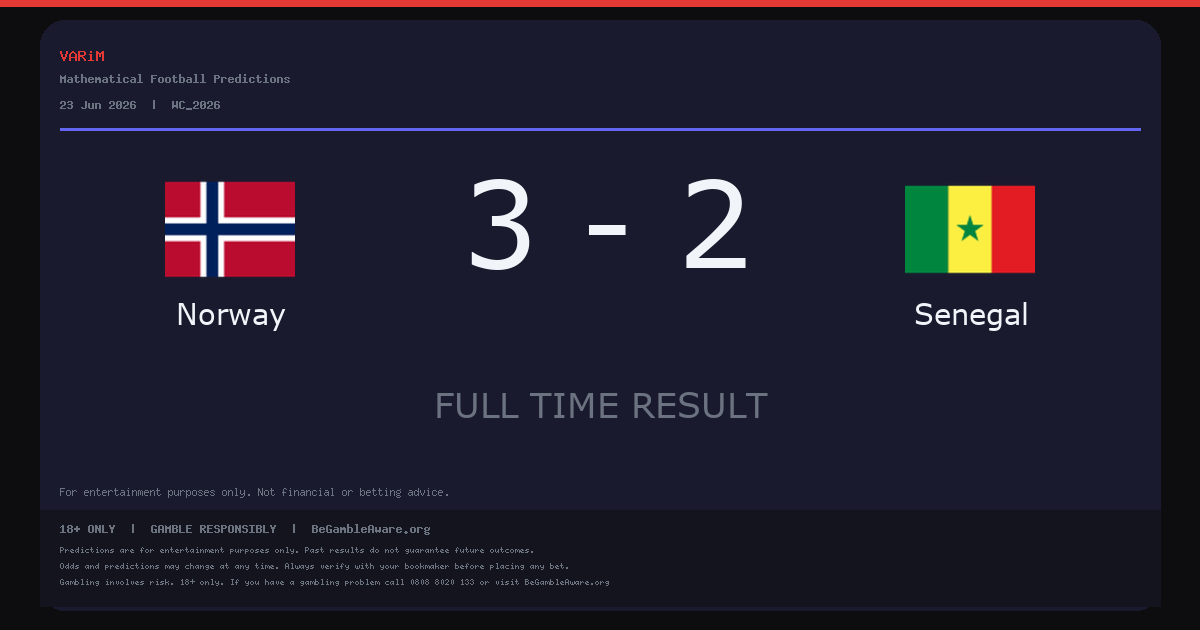
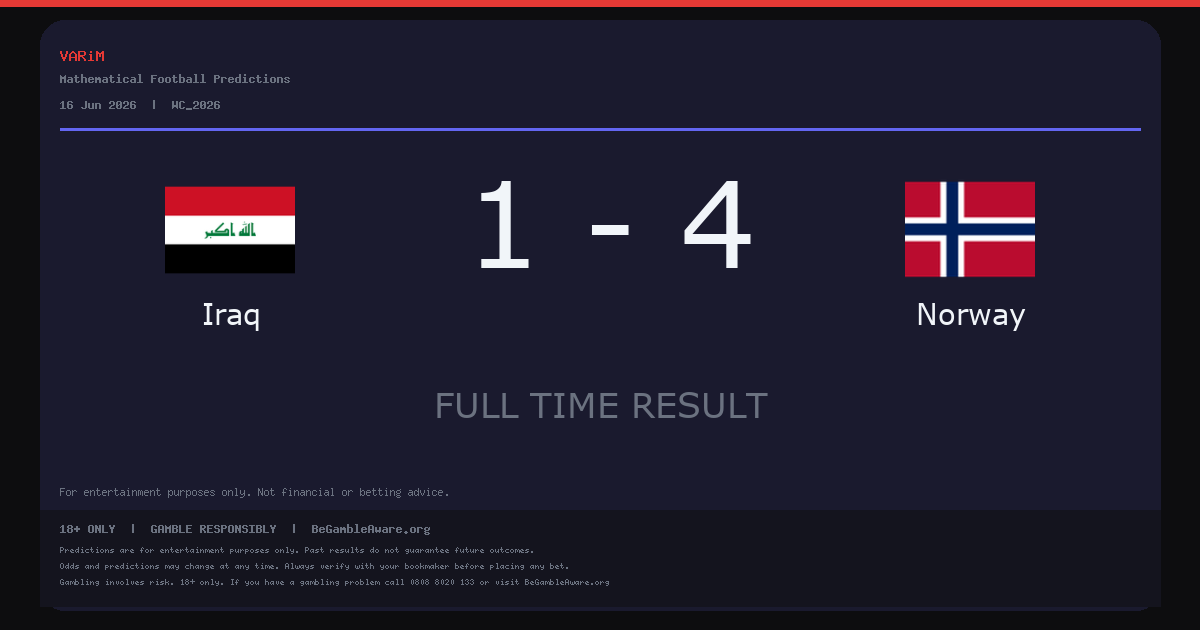
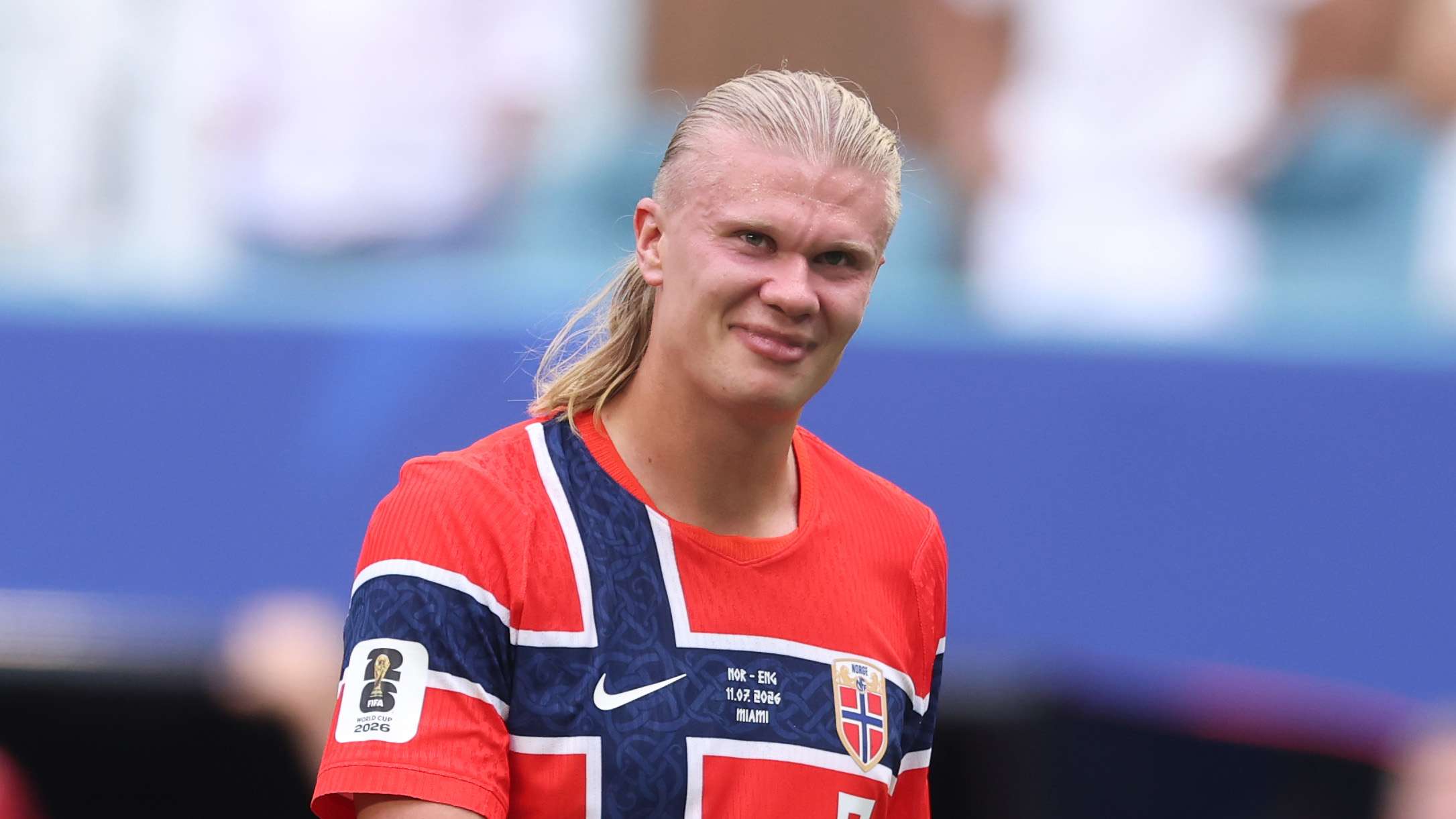
Erling Haaland emerged as one of the tournament's standout performers despite Norway's quarter-final elimination to England. The Norwegian striker netted seven goals across five matches, including a brace in an stunning 2-1 upset of five-time champions Brazil. Haaland's physical dominance and clinical finishing transformed him into a global phenomenon, with his combination of athleticism and finishing prowess resonating far beyond football circles. His journey from tournament newcomer to international sensation marked a seismic shift in his profile and confidence as a world-class talent.
Neymar's Bittersweet Farewell
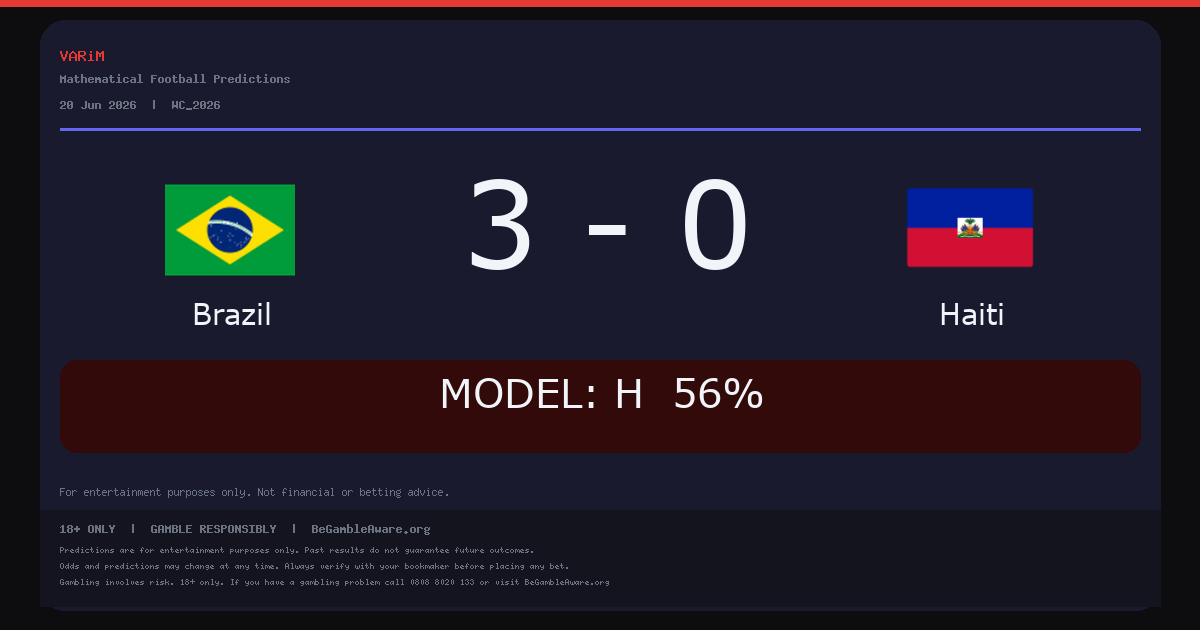
Brazil's last-16 defeat to Norway in New Jersey provided a poignant conclusion to Neymar's international career. The 34-year-old's exit illustrated a career defined by unfulfilled potential despite extraordinary natural ability. Once positioned as Lionel Messi's heir during their Barcelona partnership, Neymar's susceptibility to injury and inconsistent professionalism prevented him from reaching the sustained excellence his talent promised. Unlike Messi, who illuminated the 2026 tournament at 39 just four years after winning in Qatar, Neymar's career trajectory declined sharply in his early 30s, leaving observers to contemplate what might have been with greater discipline and durability.
The contrast between these careers underscores a fundamental truth in elite sport: talent alone cannot sustain excellence. Messi's longevity stemmed from meticulous physical maintenance and tactical intelligence, qualities that eluded Neymar despite comparable initial gifts. Brazil's forward never achieved the trophy haul or consistency expected of generational talents, making his farewell as much a reflection on missed opportunities as a celebration of genuine achievements.
Mbappe's Golden Boot Achievement
Kylian Mbappe captured the Golden Boot despite France's early elimination, becoming the first player to finish as top scorer in two separate World Cups. Critics including Wayne Rooney questioned the legitimacy of counting goals scored after France's knockout, yet Mbappe's seven-goal tally demonstrated his consistent threat throughout the tournament. This achievement reinforces his status as contemporary football's most prolific young forward, though questions linger about his ability to deliver when it matters most in knockout stages.
Spain's deserved triumph reflected the enduring value of defensive solidity and midfield control in tournament football, while individual brilliance from players like Haaland and Mbappe illuminated what remains an increasingly unpredictable global stage for the sport's elite talents.