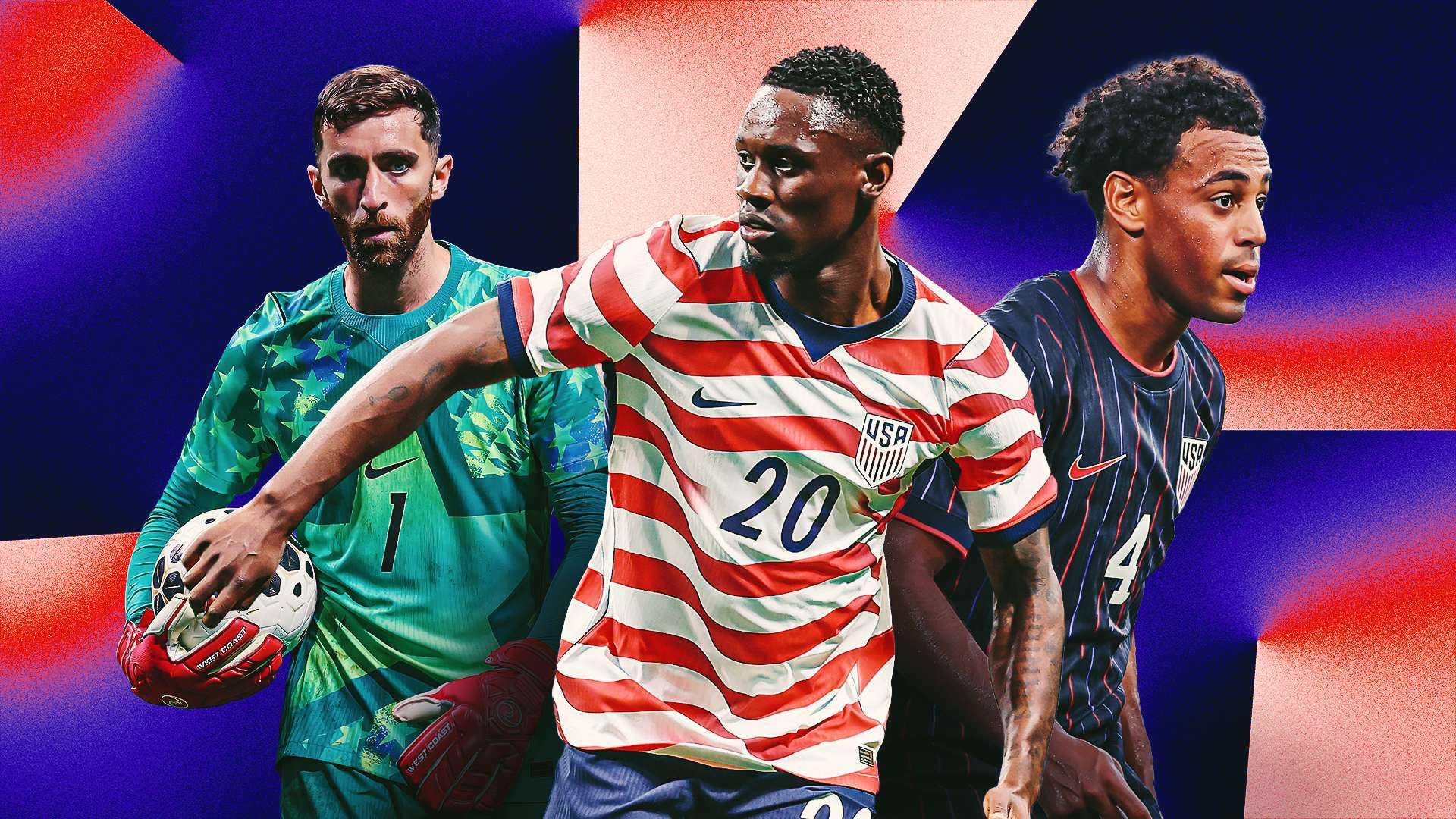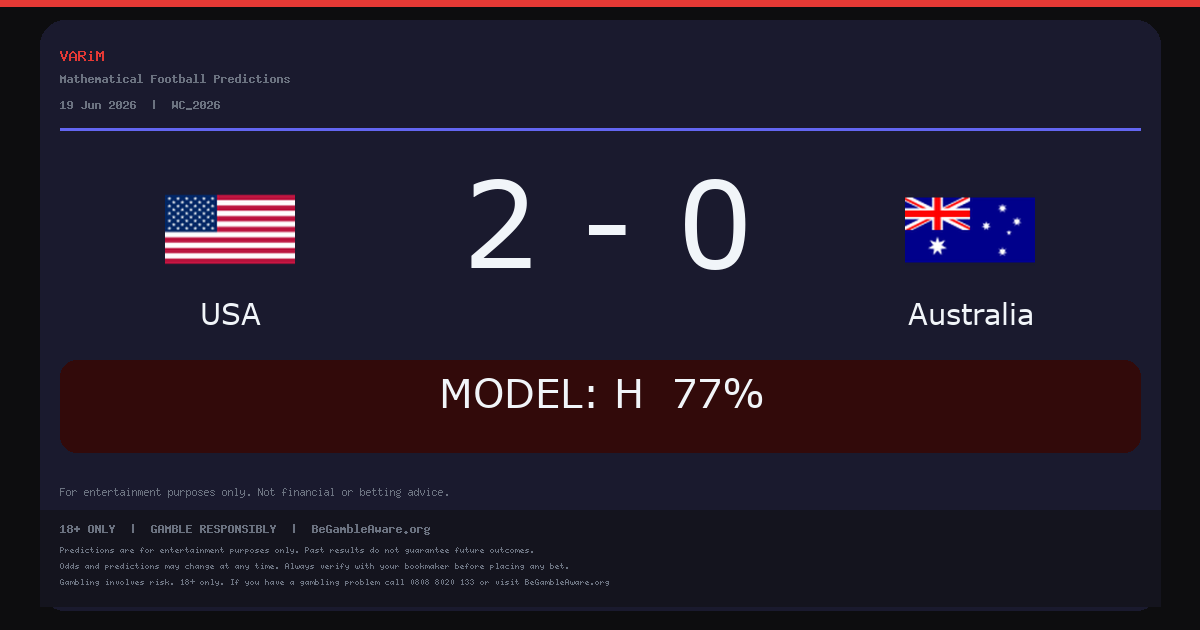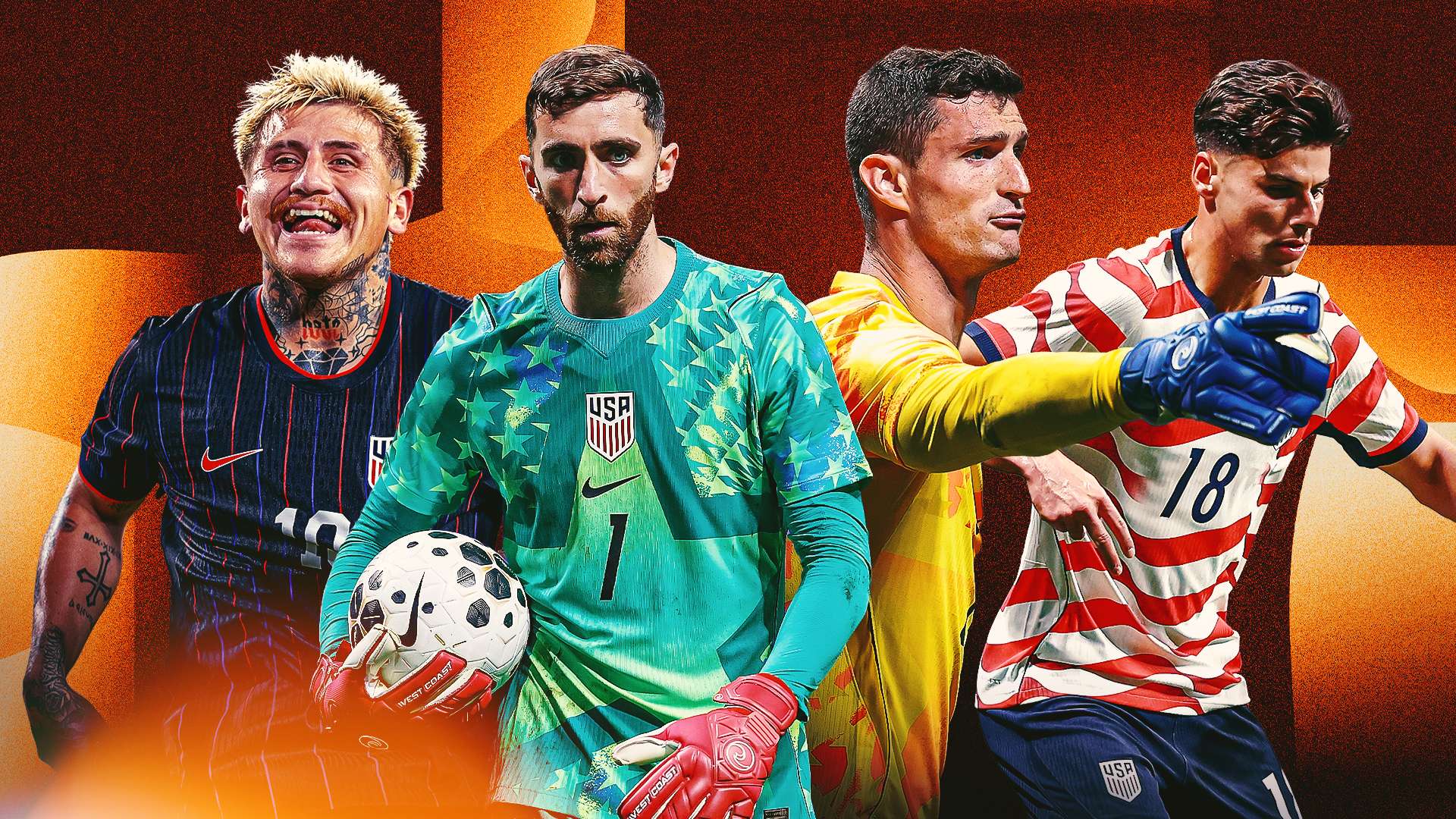
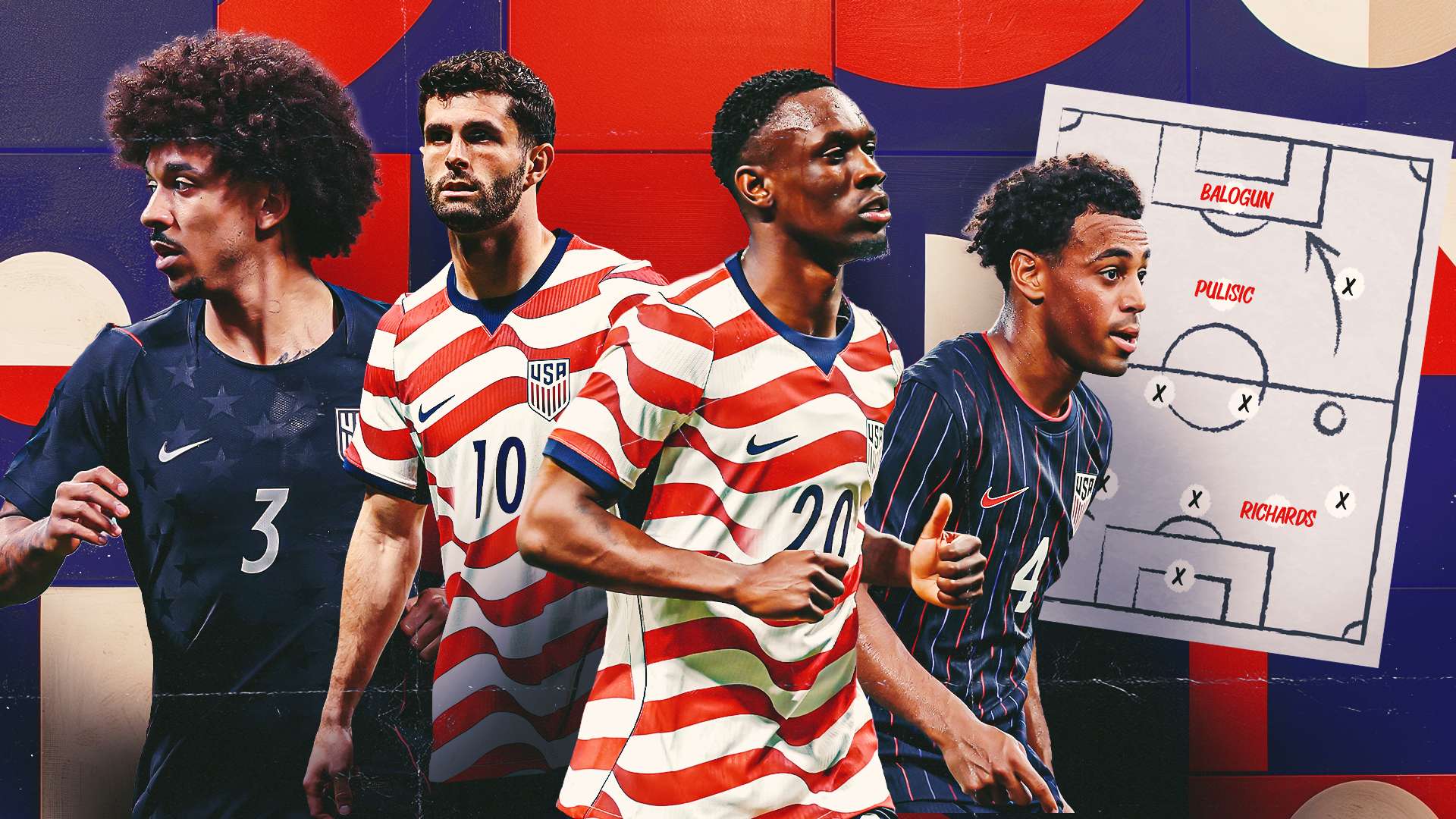
Mauricio Pochettino has finalized the USMNT's 26-player World Cup squad, but the real work begins now: selecting the starting eleven. With group-stage opponents Paraguay, Australia, and Turkey presenting distinct tactical challenges, the U.S. men's national team boss faces a complex puzzle in determining which players will take the field when the tournament kicks off in June.
The Argentine manager has indicated that his lineup could shift based on matchups rather than remaining static throughout the group stage. Unlike previous World Cups, the expanded format and adjusted schedule reduce the necessity for wholesale rotation, yet each opponent demands a tailored approach. While Pochettino alone knows his preferred XI, analysts can make educated predictions based on recent form and positional competition.
Goalkeeper and Defensive Foundation
Matt Turner and Sean Johnson have competed for the number one spot, but Stefan Freese appears to have won the position through consistent, error-free performances since taking over ahead of the Gold Cup. The NYCFC goalkeeper hasn't delivered a standout match-winning display, but critically, he hasn't cost the team points either. At international level, goalkeeper stability proves invaluable.
On the left flank, Antonee Robinson of Fulham remains the pool's premier option despite not quite recapturing his pre-injury brilliance in terms of attacking contributions. His defensive solidity and positional awareness make him indispensable. At center back, Weston McKennie's versatility and Sergiño Dest's work rate complement veteran leader Joe Ream, whose distribution from the back and leadership qualities address the USMNT's midfield ball-progression needs. Ream's passing range elevates build-up play significantly.
Midfield Depth and Uncertainty
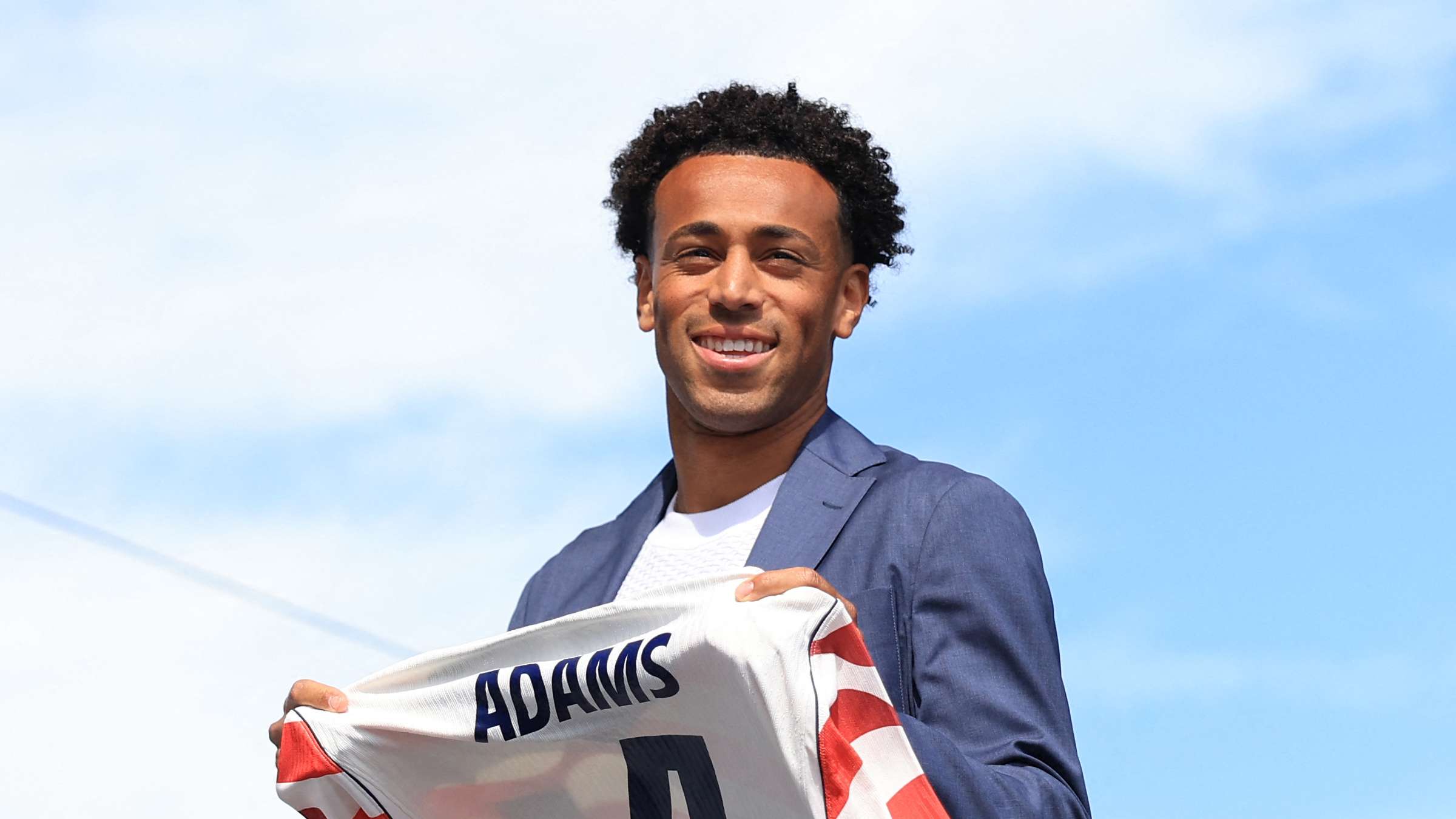
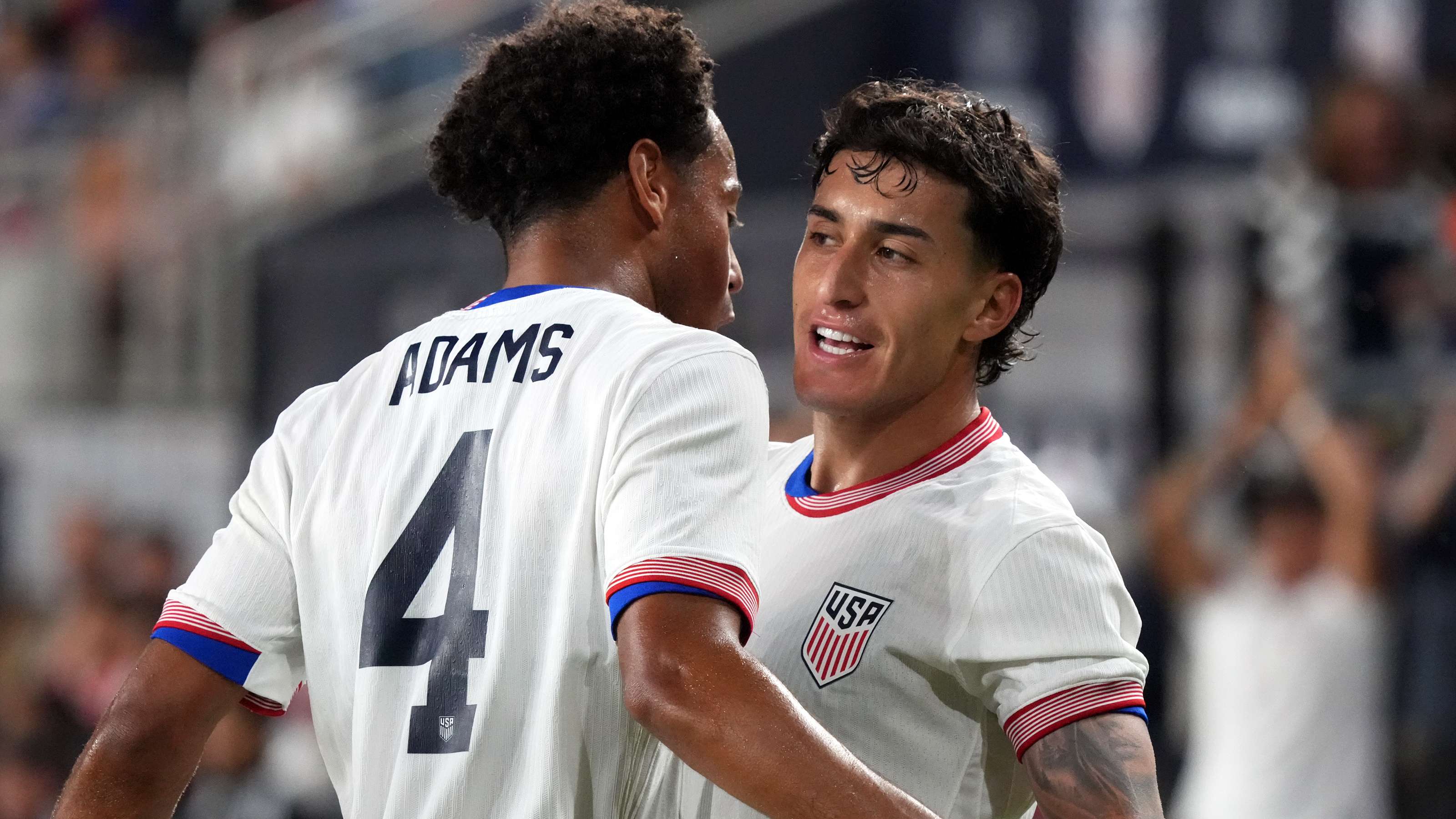
The central midfield presents the most intriguing subplot. Tyler Adams appears locked into his holding role as captain, but competition for flanking positions remains genuinely open. The USMNT's midfield lacks natural ball progressors, placing additional responsibility on defensive players to initiate attacks—a structural vulnerability that Pochettino must navigate strategically against technically superior nations.
Forward selection carries similar uncertainty. The striker role remains unsettled, with multiple candidates competing for minutes. Pochettino's tactical philosophy demands specific qualities—work rate, positioning intelligence, and pressing intensity—that will determine who partners Adams in his preferred system. The manager's ultimate XI will reveal his confidence in youth versus experience, a decision that shapes American soccer's World Cup narrative.