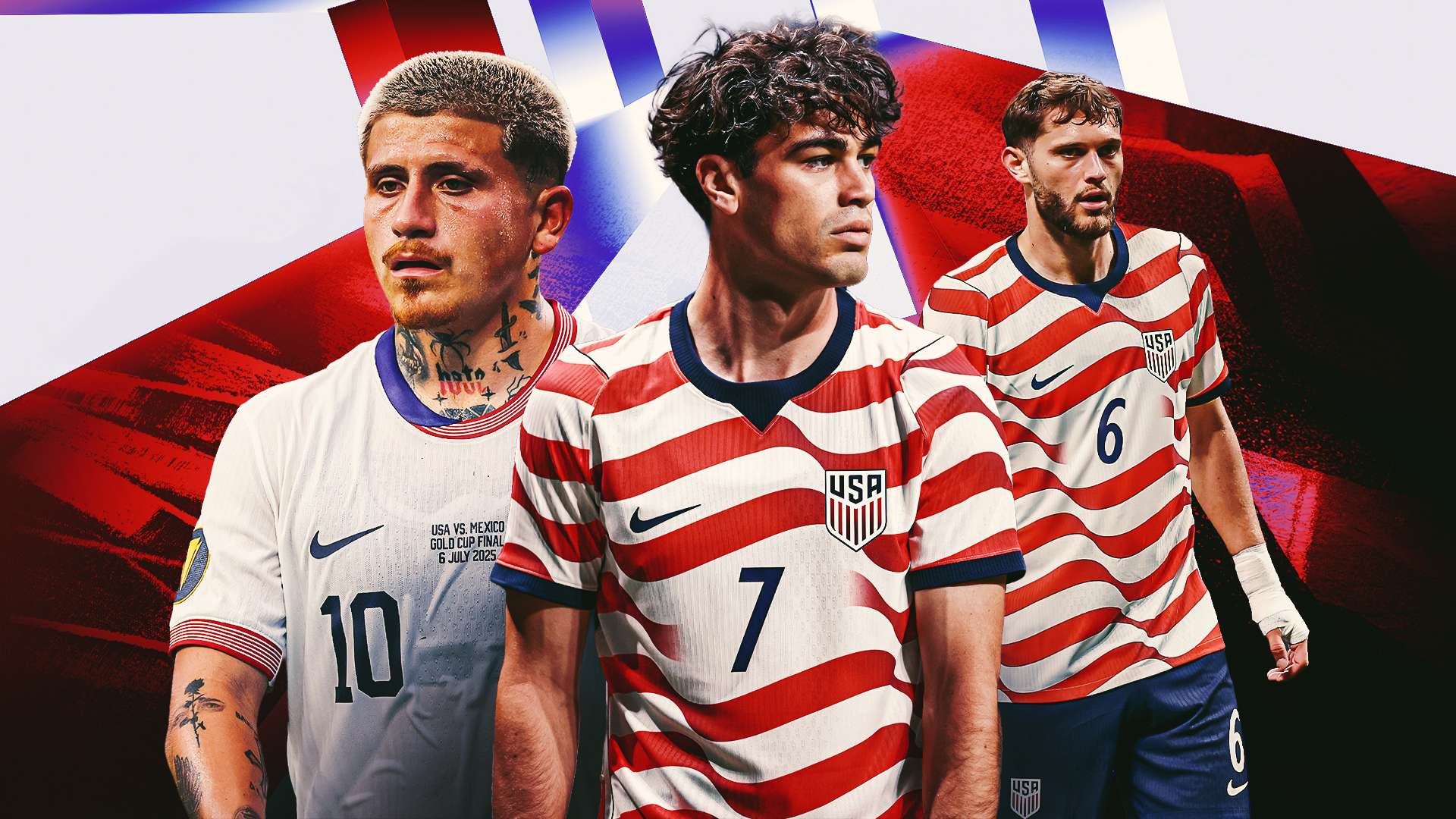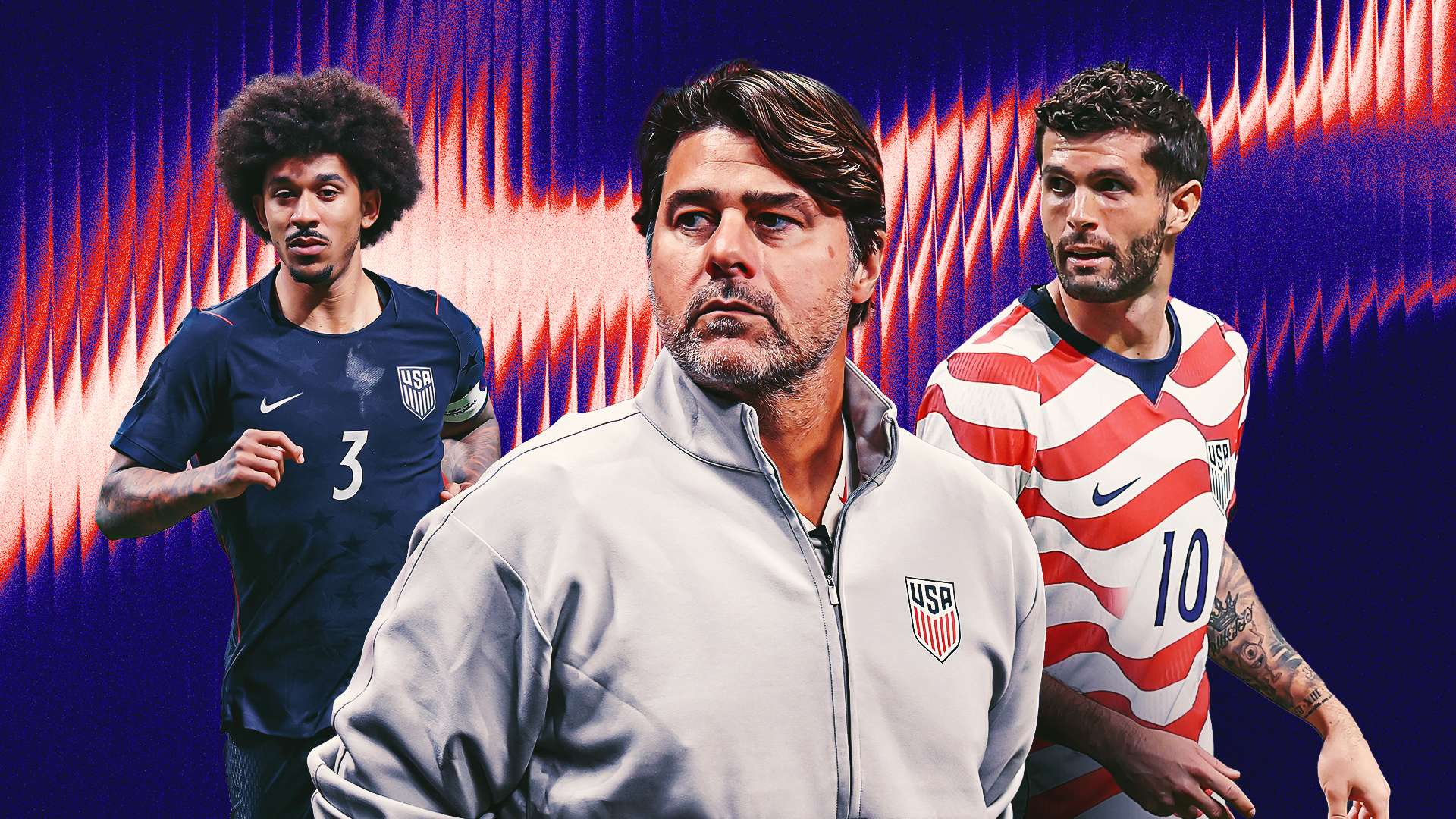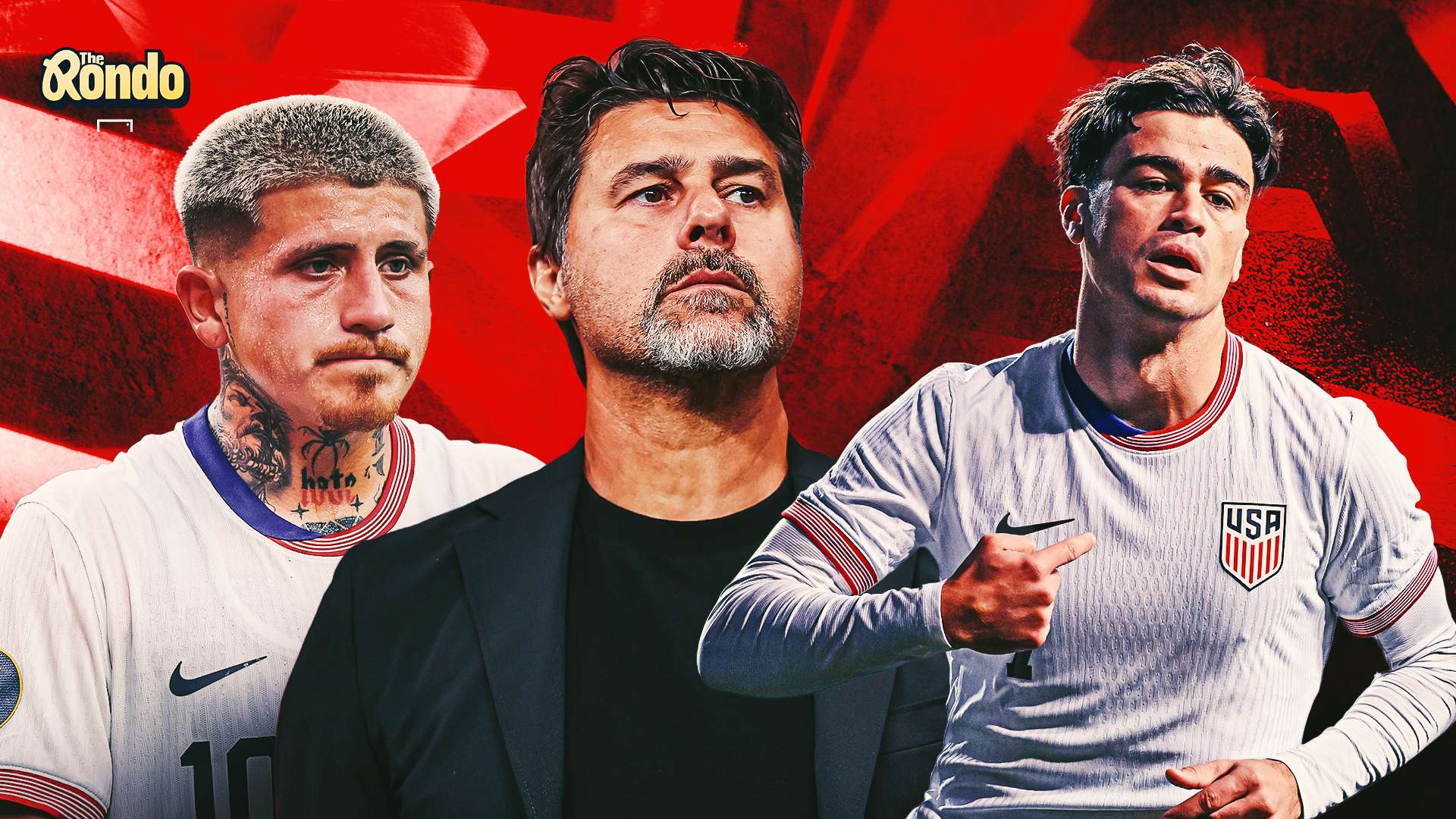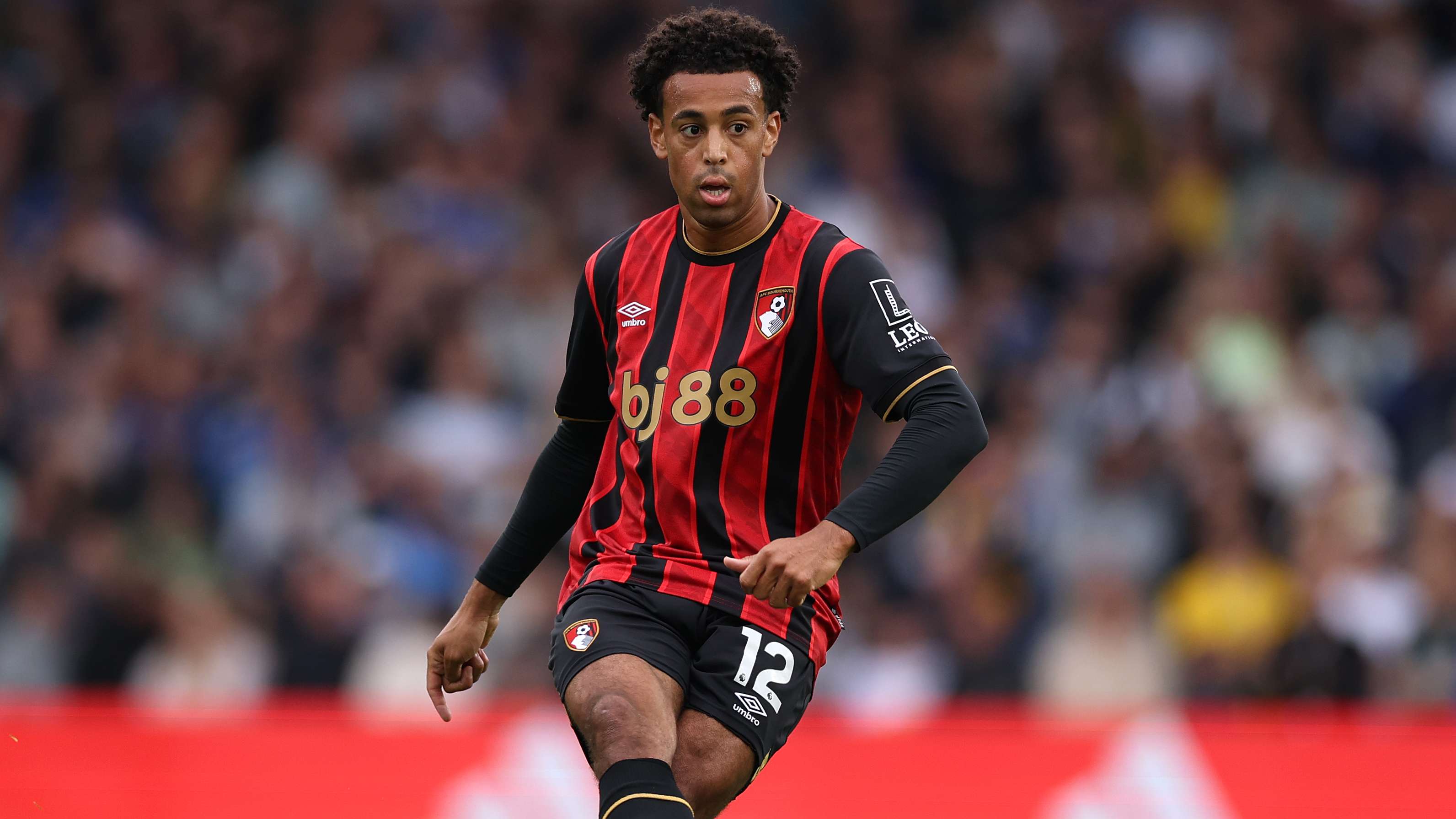
Mauricio Pochettino has unveiled his 26-player roster for the World Cup, and the selections reveal clear strategic priorities. The USMNT boss has signaled heavy reliance on midfield anchors Tyler Adams and Weston McKennie, while stacking the defense with options to accommodate a three-center-back system that has become central to his tactical identity.
The Three-Back Framework
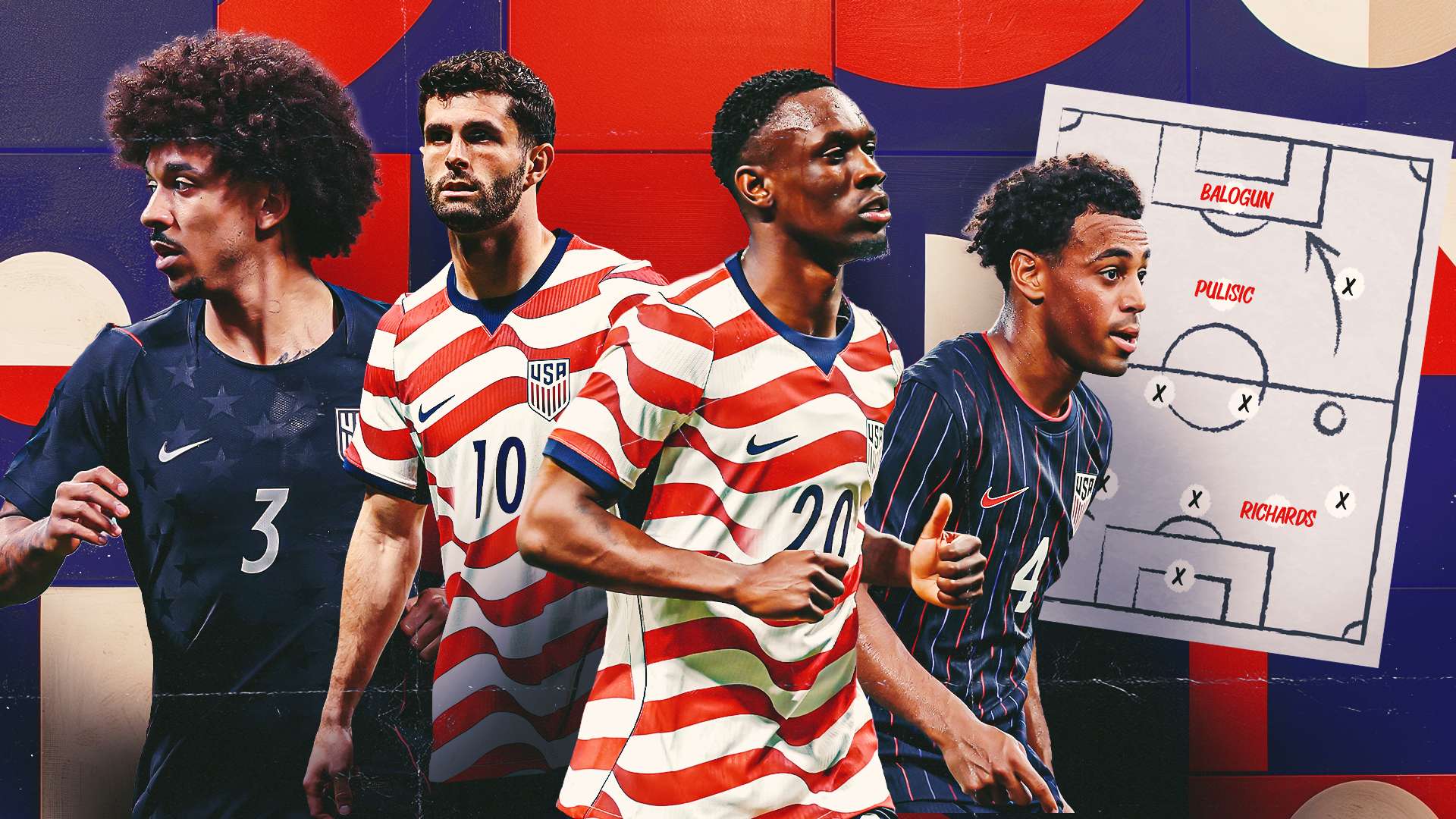
By March, Pochettino had shifted toward a defensive setup featuring three central defenders, marking a departure from earlier formations trialed throughout the fall. However, the final roster composition suggests flexibility rather than rigidity. The manager has emphasized that tactical systems remain fluid—a three-back arrangement could morph into a two-back setup depending on possession phases, with fullbacks tucking inward when defending or pushing wide during attacks.
The abundance of defensive options reflects more than aesthetic preference. Chris Richards' recent injury forced Pochettino to build contingency depth at center-back. Should Richards miss games, the staff required capable replacements capable of stepping in without disrupting the team's structural integrity. This defensive-heavy investment signals that injury management will be critical throughout the tournament.
Midfield Concentration and Risk
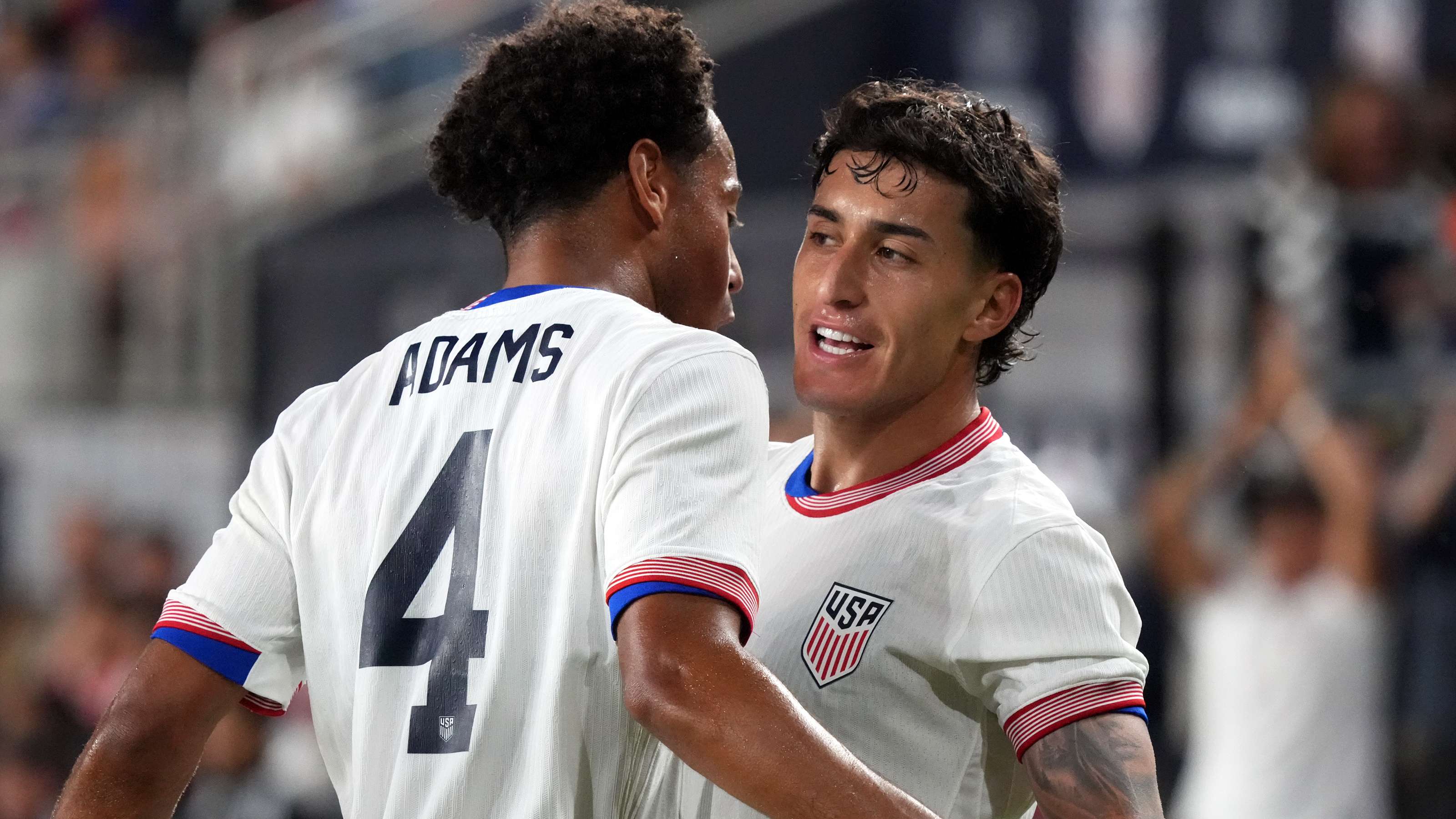
The most revealing aspect of Pochettino's selection lies in his midfielder choices. With only four central midfielders included—and clear intention to build around Adams and McKennie—the USMNT has limited cover for the spine of the team. Players like Tanner Tessmann, Aidan Morris, and even Yunus Musah were left at home, emphasizing that this squad is architected around two specific performers.
The scheduling advantages of the expanded tournament format support this approach. With group-stage matches separated by a full week, Pochettino can field his preferred XI without compounding fatigue concerns. Both Adams and McKennie possess elite athleticism and positional intelligence that complement one another—their dual presence shapes everything about how the USMNT transitions, presses, and controls tempo.
Yet this concentration creates vulnerability. A suspension or injury to either midfielder leaves minimal alternatives, forcing Pochettino into scenarios with reduced tactical flexibility. The historical record shows that successful World Cup campaigns demand resilience across multiple positions; the USMNT has prioritized quality over depth in this critical area.
As the tournament approaches, scrutiny will intensify on how Adams and McKennie perform under the immense pressure that comes with being the team's foundation in its biggest competition since 1994.