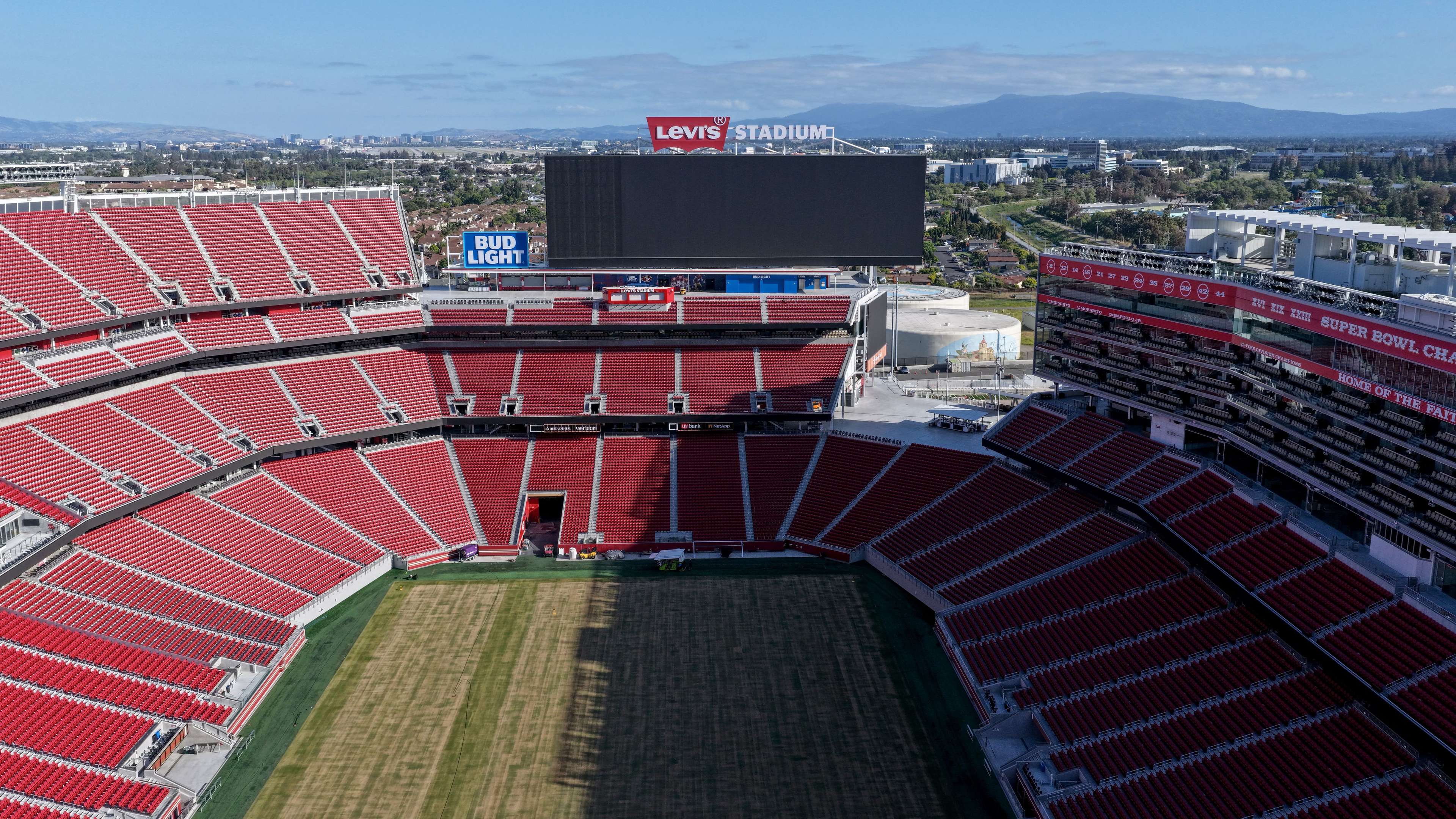
Levi's Stadium in Santa Clara has emerged as the priciest venue for World Cup 2026 match-day spending, with fans facing a combined $34.24 bill for a single beer and basic meal. Research by SeatPick reveals a stark divide between U.S. and Mexican host cities, exposing significant budget challenges for supporters planning multi-match attendance across the tournament.
Premium U.S. Venues Dominate Cost Rankings
The three most expensive stadiums all sit in major American markets. MetLife Stadium in East Rutherford, New Jersey ranks second at $33.22, while SoFi Stadium in Inglewood, California places third at $32.24. These figures focus exclusively on concession costs once fans have entered the venue, excluding ticket prices that have already sparked widespread controversy surrounding World Cup accessibility.
SeatPick CEO Gilad Zilberman noted that premium pricing reflects broader economic conditions in host regions. "The U.S. venues dominate the top end of the ranking, which reflects the higher cost of attending major events in markets such as the San Francisco Bay Area, New York/New Jersey, and Los Angeles," he explained. For high-demand matches like USMNT group-stage games, the cumulative financial burden intensifies—cheapest tickets for certain fixtures already exceed $950 before any food or beverage purchases.
Mexico's Affordable Alternative
The cost disparity between nations proves staggering. Estadio Akron in Guadalajara offers the tournament's most affordable match-day experience at just $9.77 for beer and a meal—a $24.47 difference from Levi's Stadium. Mexico's three venues rank among the tournament's cheapest overall:
- Estadio Akron: $9.77
- Estadio Azteca (Mexico City): $10.77
- Estadio BBVA (Monterrey): $13.90
By contrast, GEHA Field at Arrowhead Stadium in Kansas City represents the most affordable U.S. venue at $22.37—still more than double Akron's cost. These variations will reshape fan budgeting decisions, particularly for families and supporters following their national teams across multiple cities. A traveling family of four attending several matches faces dramatically different financial obligations depending on stadium location, potentially influencing which venues they prioritize.
As the 2026 World Cup approaches, these concession-cost disparities highlight broader questions about tournament accessibility and equitable fan experience across host nations.