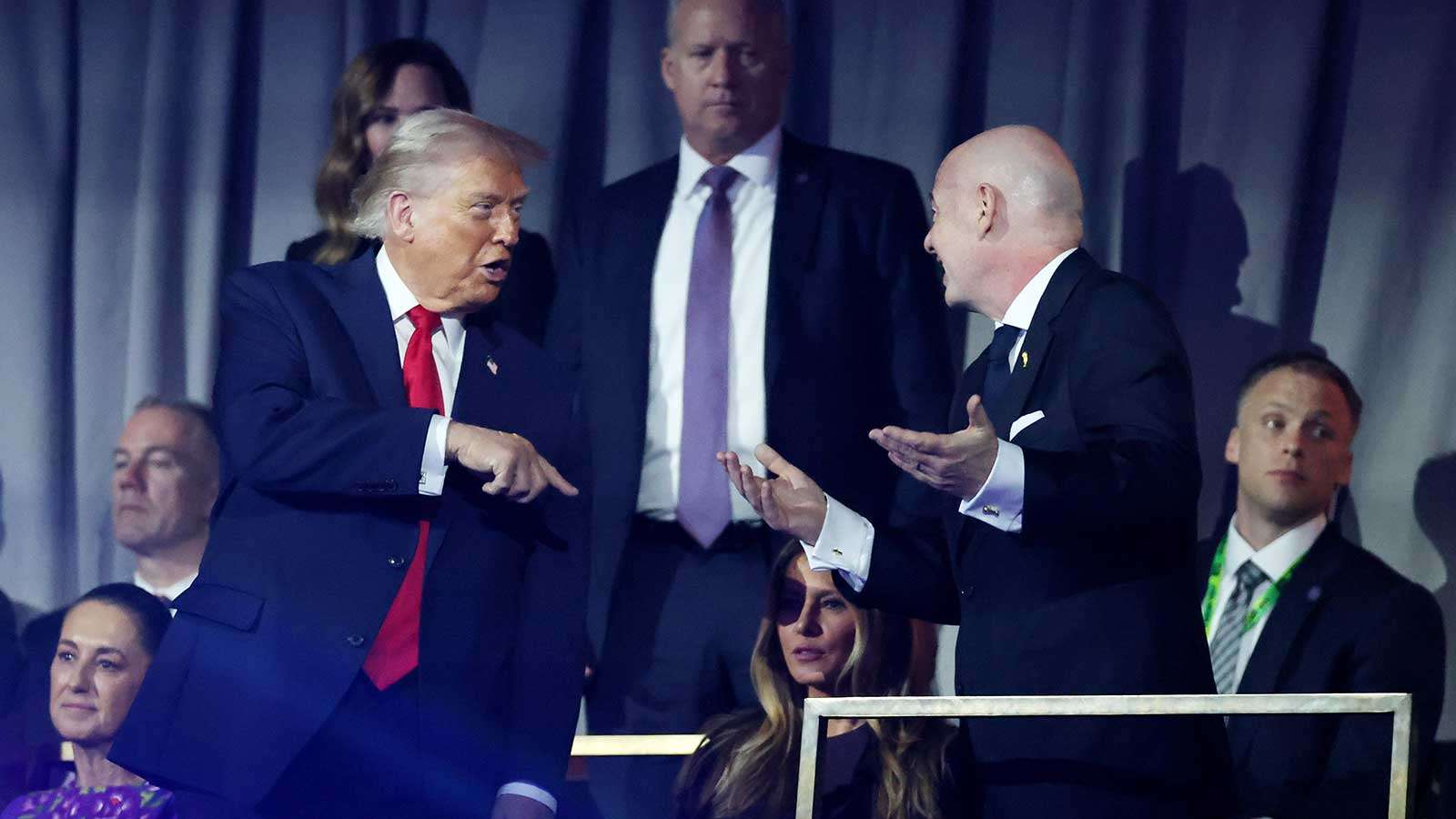
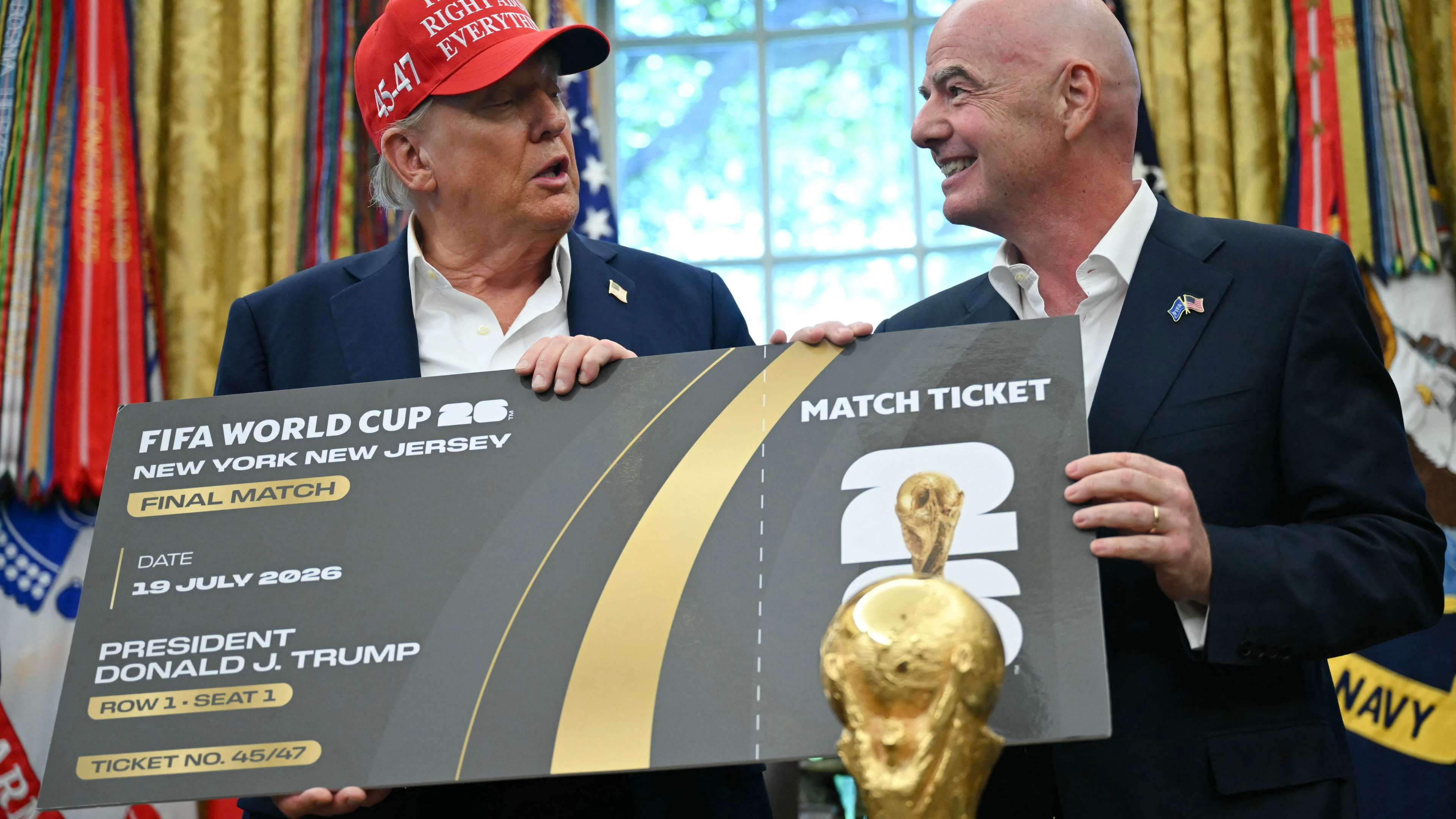
Donald Trump has publicly expressed reservations about the steep pricing for USMNT World Cup tickets, admitting he would not pay the reported costs to attend the team's opening match against Paraguay. In an interview with the New York Post, the U.S. president acknowledged his reluctance to shell out over $1,000 for entry to what many consider football's premier tournament.
Initial ticket sales for the American squad's Group C opener set unprecedented price points, with the lowest-tier Category 3 seats commanding more than $1,000. Although secondary market prices have fluctuated downward since launch, they have remained stubbornly close to that threshold. Trump voiced concern that such costs would price out working-class supporters. "I would certainly like to be there, but I wouldn't pay it either, to be honest with you," he said when informed of the pricing structure. He emphasized his wish that loyal voters from major cities could afford attendance, stating: "I would like the people who voted for me to be able to go."
FIFA Defends Pricing Strategy
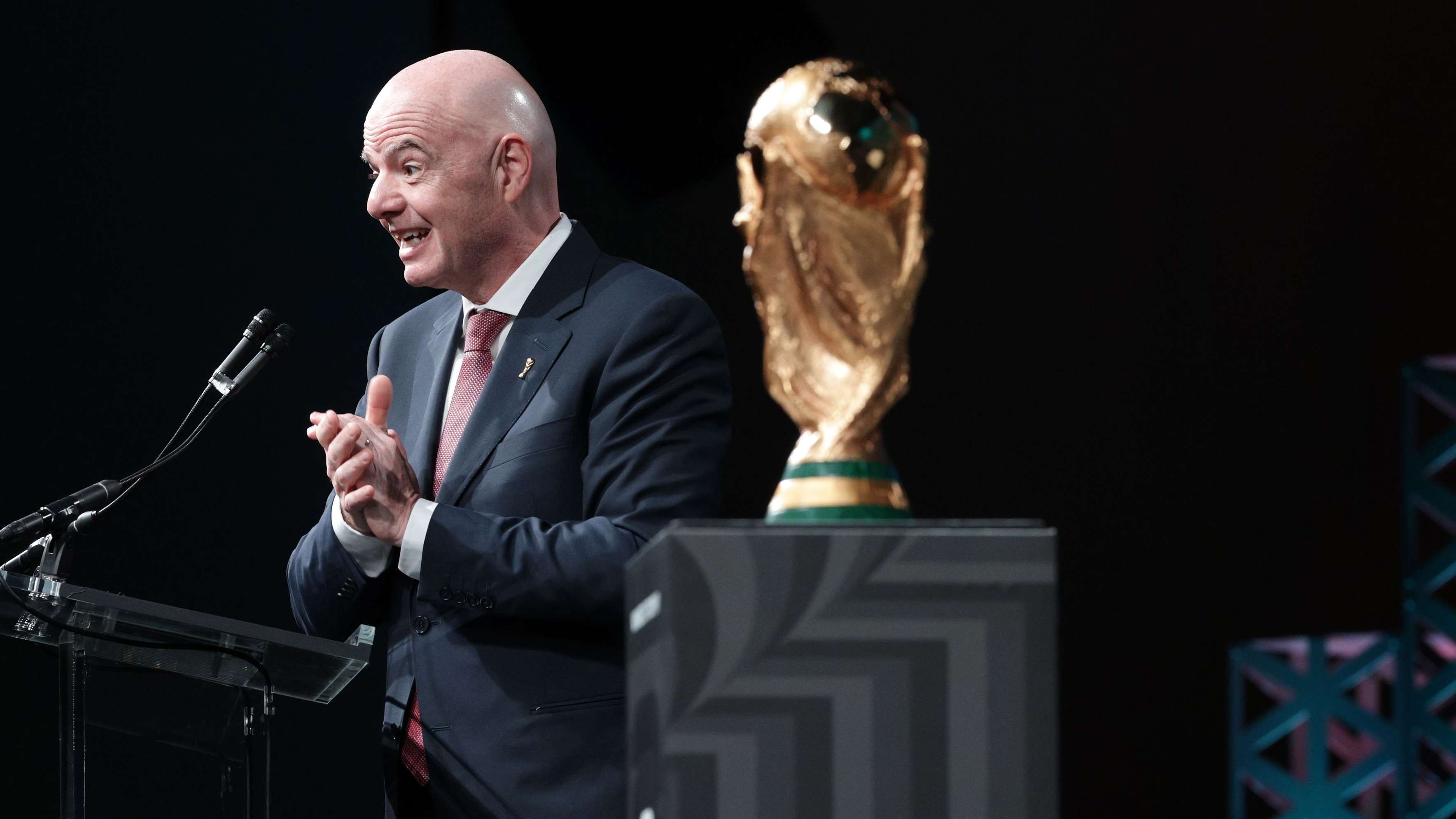
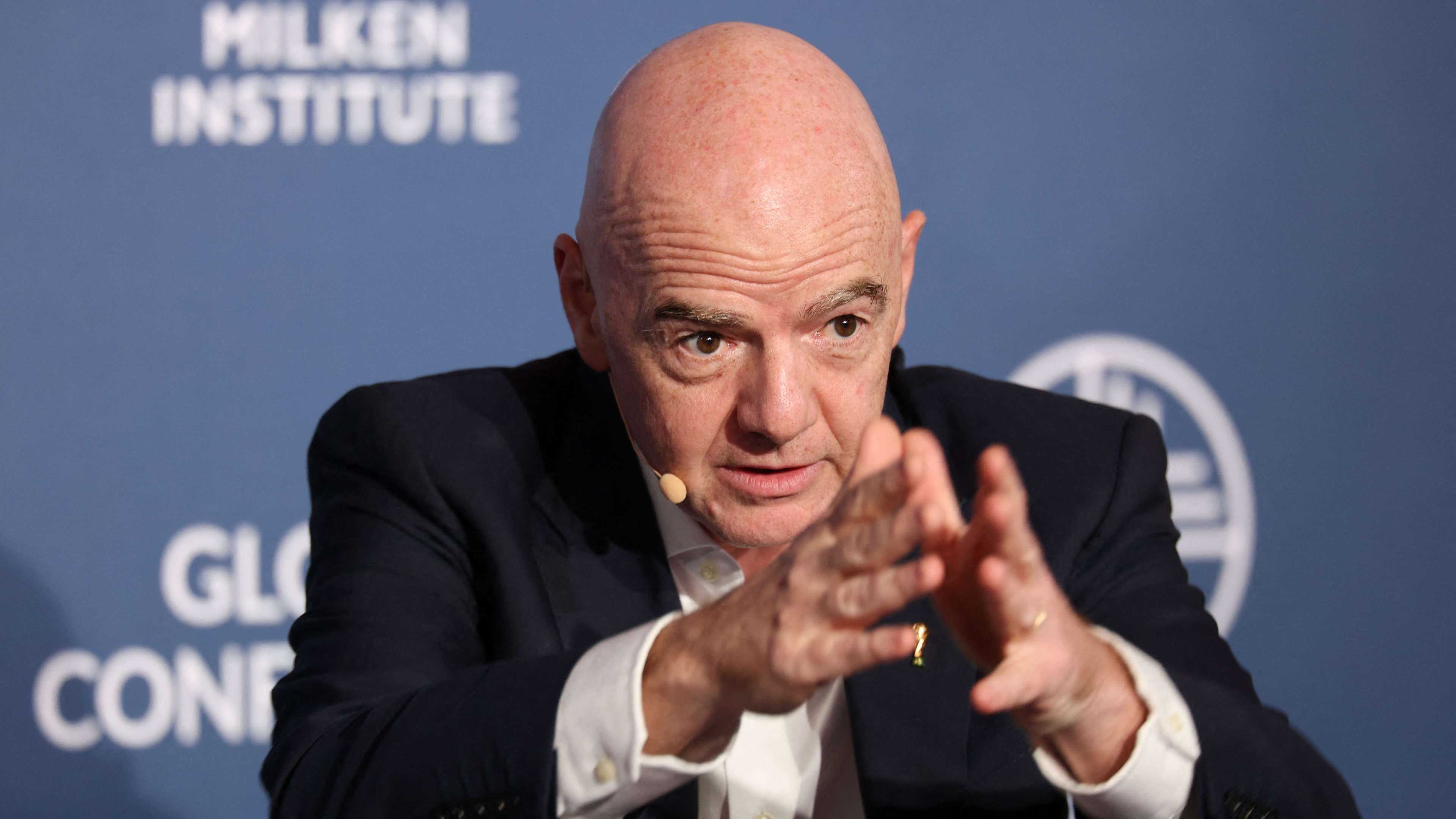
FIFA President Gianni Infantino mounted a robust defense of ticket costs, asserting that market rates apply in the United States, where entertainment commands premium fees. Speaking at the Milken Institute Global Conference, Infantino noted that 25% of group-stage tickets sell below $300 and compared World Cup pricing to college and professional sports events. He argued that secondary-market resales justify higher initial pricing. "In the U.S., you can't attend a college game, let alone a top-tier professional event, for under $300," Infantino said, positioning the tournament within established entertainment market economics.
Despite FIFA's optimism, reports indicate thousands of unsold seats remain for the USMNT opener. Speculation has grown volatile on resale platforms, with one fan listing a World Cup final ticket for over $2 million. FIFA opened a fresh purchasing window on Thursday morning to address inventory concerns and accessibility challenges that have drawn criticism from fans and public figures alike.
The tension between commercial success and fan accessibility will likely define early tournament narratives as kickoff approaches. Whether further price adjustments materialize or demand eventually fills venues remains a critical storyline for Copa America 2025.