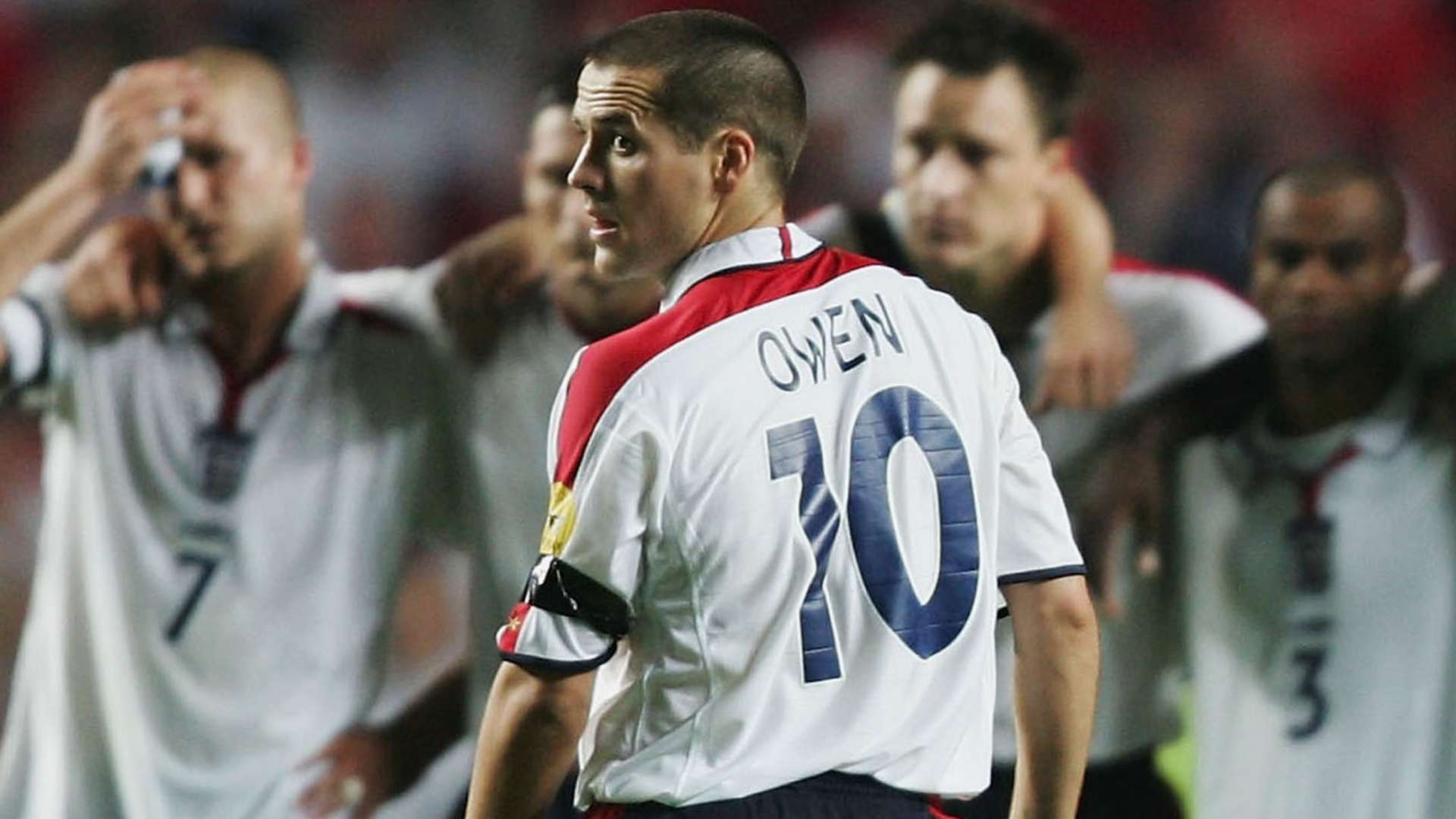
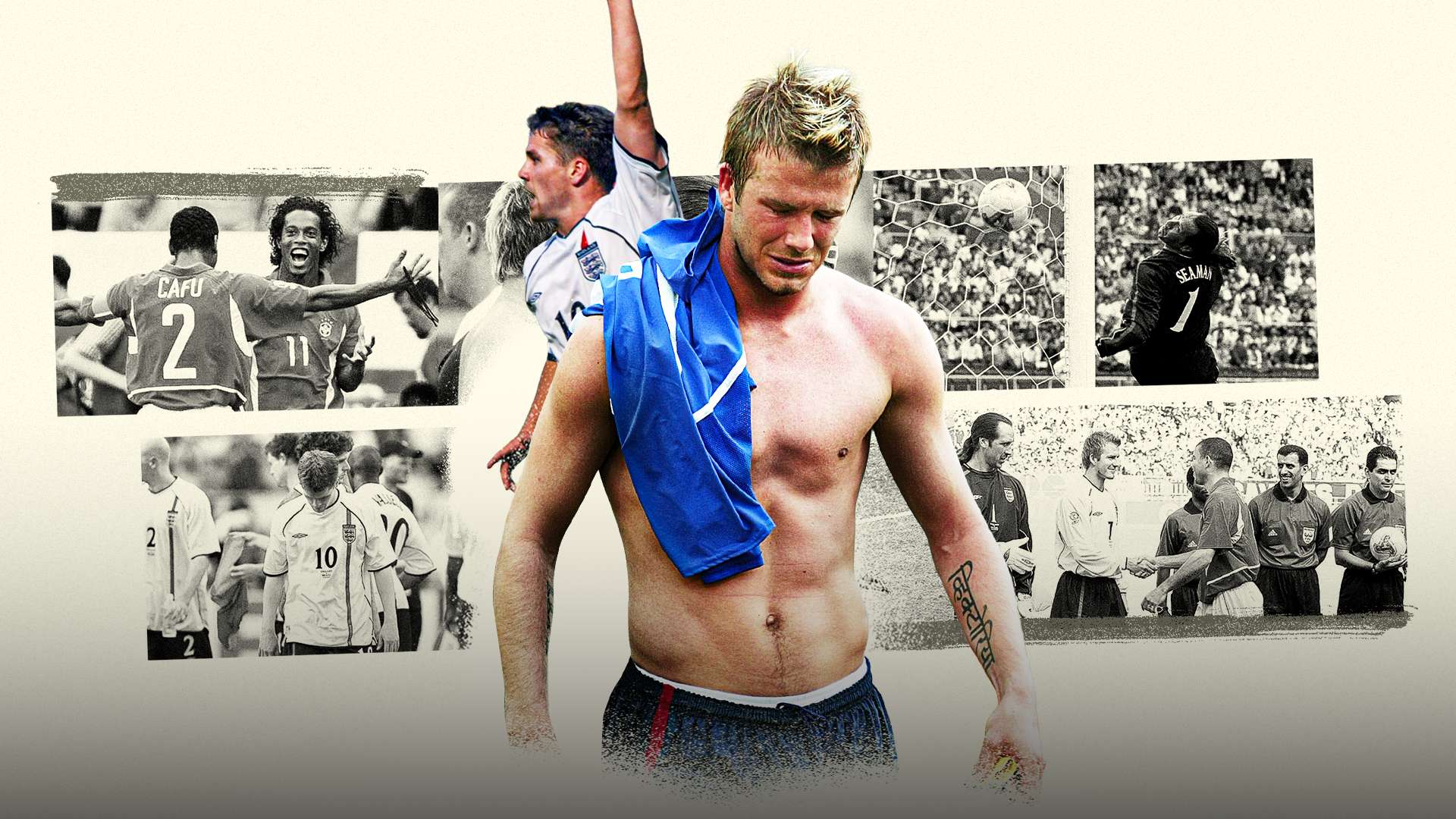
England's 2002 World Cup campaign in South Korea and Japan remains one of international football's most painful what-ifs. Sven-Goran Eriksson arrived as a serial winner after guiding Lazio to the Serie A title, tasked with ending three decades of World Cup heartbreak since 1966. Instead, the squad that should have challenged for glory became defined by fear, underperformance, and a failure to translate club success onto the world's biggest stage.
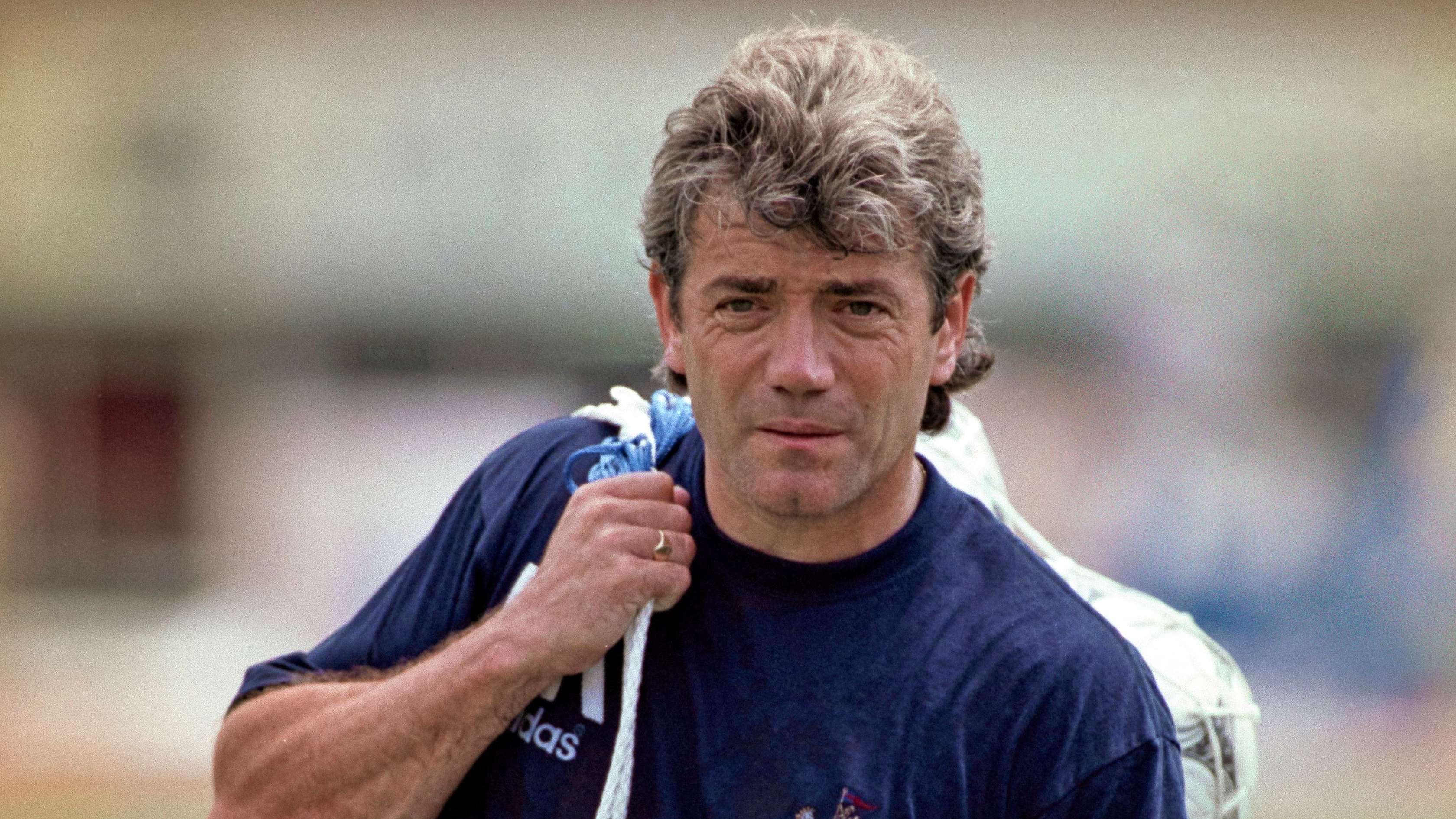
Eriksson inherited chaos. Kevin Keegan had resigned in despair after England's humiliating 1-0 defeat to Germany in the final match at the old Wembley, describing his tenure as "soulless." The Swedish manager's appointment as England's first foreign boss raised eyebrows, but early wins against Spain, Finland, Albania, Mexico and Greece silenced doubters. A stunning 5-1 victory over Germany at the Olympiastadion suggested something special was brewing—a performance that hinted at genuine potential for 2002.
A Squad That Froze When It Mattered Most
Yet potential and delivery are worlds apart. That England squad possessed world-class talent at club level—players accustomed to winning domestic titles and competing in elite European competitions. The problem was psychological rather than tactical. When the tournament arrived, elite performers from Manchester United, Arsenal, and Chelsea somehow became hesitant, conservative versions of themselves. They lacked belief in their own ability to impose themselves on opponents.
This pattern would haunt England repeatedly. Since 1966, the Three Lions have qualified for 11 World Cups but won none, suffering quarter-final exits in 1986 (to Argentina), 1998 (to Argentina again), 2006 (to Portugal), and 2010 (to Germany), while the 2014 group-stage collapse remains their lowest modern ebb. The 2022 campaign under Gareth Southgate offered brief optimism before France ended hopes in the quarters. Each generation blamed different factors—luck, refereeing, tactical naïveté—but the common thread was mental fragility at decisive moments.
What Thomas Tuchel Must Learn
As England prepares for 2026 under Thomas Tuchel, the 2002 collapse offers essential lessons. The tactical blueprint matters less than constructing a culture of unwavering self-belief. Eriksson's mistake wasn't strategic; it was allowing fear to infect a squad capable of controlling matches against any opponent. Modern England faces similar temptations—to play conservatively, to avoid risk, to hope rather than dominate.
Tuchel's task is fundamentally about identity and courage. The squad possesses sufficient individual quality; what separates champions from chronic underachievers is the collective refusal to accept mediocrity when stakes are highest. England's recent failures suggest the problem runs deeper than formation changes or personnel rotation. It demands a manager willing to demand absolute conviction from players accustomed to comfort at the elite club level, and a squad ready to prove that international football's grandest stage is where they belong.